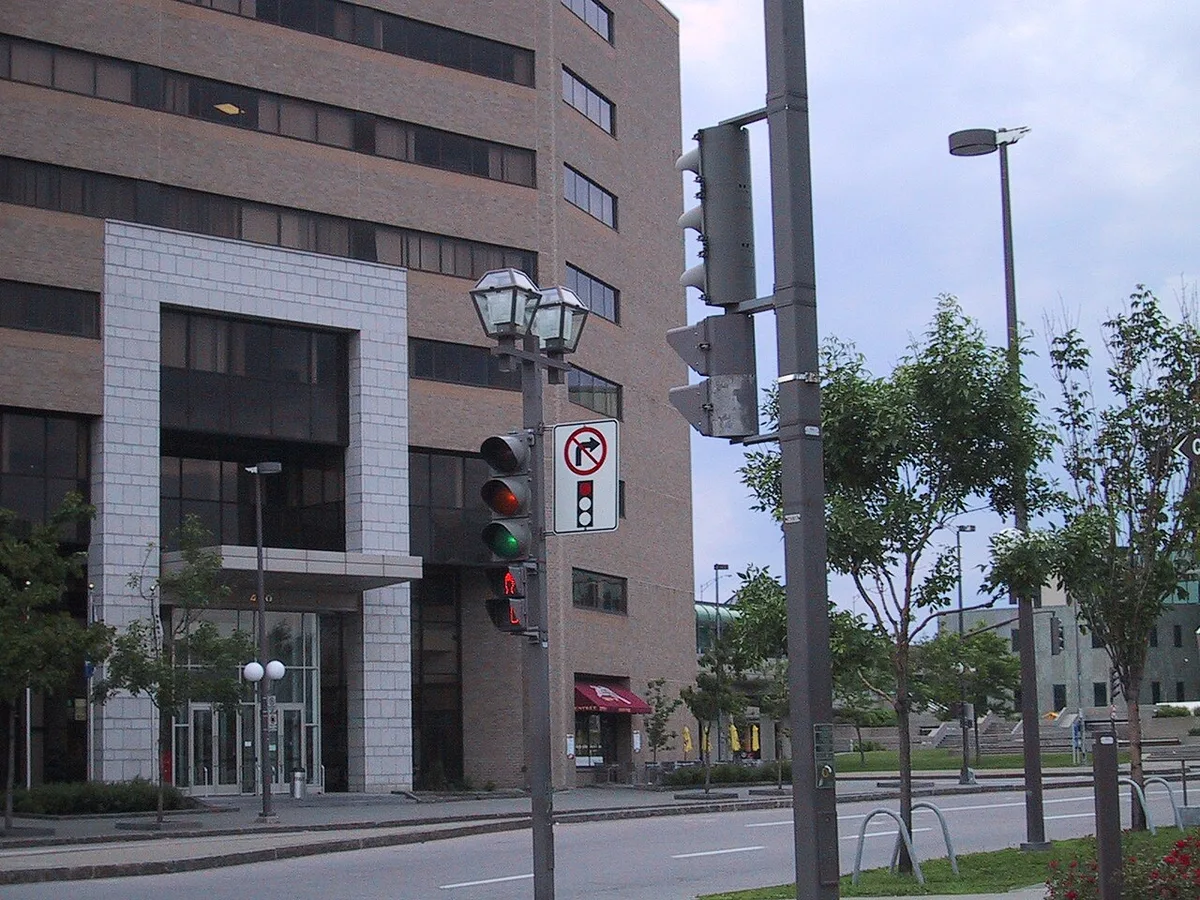
Michigan’s right-on-red law lets you turn after a full stop, but only if it’s safe and legal. The Michigan right on red law and complete stop requirements can trip up even experienced drivers because the rules aren’t universal. Some intersections ban it outright, and a rolling stop will get you ticketed.
Per the Michigan Vehicle Code, you must come to a complete stop before turning, and failure to do so can mean fines up to $200. So when is it allowed, and when should you stay put?
Quick Answer
Michigan right on red law and complete stop requirements allow a right turn after a full stop. You must yield to all pedestrians and traffic. Some intersections post a "No Turn on Red" sign.
A red arrow means no turn at all. As of 2026, fines for violations start around $100.
Is Turning Right on Red Legal in Michigan?
Yes, but with conditions. Michigan follows the federal Uniform Vehicle Code, which permits right turns on red after a complete stop. The key word is complete, no creeping, no slow rolls.
Local ordinances can override this. Detroit, for example, bans right-on-red in certain downtown areas. Always check for signs.
If you see a red arrow, don’t turn. That’s a hard stop.
The Complete Stop Rule: What It Really Means
A complete stop means your vehicle ceases all movement. The wheels must stop turning, and you must remain stationary long enough to assess the intersection. Rolling stops are illegal and enforceable.

Michigan courts define this as a "cessation of movement." If an officer sees your car still inching forward, you’re not in compliance. The rule exists to protect pedestrians and cyclists, who have the right of way.
This is stricter than some states, where a slow roll might slide. In Michigan, it’s all or nothing. If you’re unsure, wait the extra second.
It’s better than a ticket.
When You Can Turn Right on Red in Michigan
You can turn right on red if all of these are true:
- You’ve come to a full stop behind the limit line or crosswalk.
- There’s no "No Turn on Red" sign posted.
- No red arrow signal is active.
- The intersection is clear of pedestrians, cyclists, and oncoming traffic.
- Local laws don’t prohibit it.
If you’re turning from a one-way street onto another one-way street, the same rules apply. But if you’re turning from a two-way street, you must yield to all traffic, including vehicles coming from the left.
When You Can’t Turn Right on Red (Even If It Looks Safe)
Some situations always prohibit a right turn on red. Here’s when to stay put:
- A "No Turn on Red" sign is posted. These are common in high-pedestrian areas.
- A red arrow signal is lit. This overrides the standard red light rule.
- You’re in a school zone during active hours. Many Michigan school zones ban right-on-red to protect children.
- A police officer or traffic control device directs you to stop.
- Visibility is poor, or your view of cross traffic is blocked.
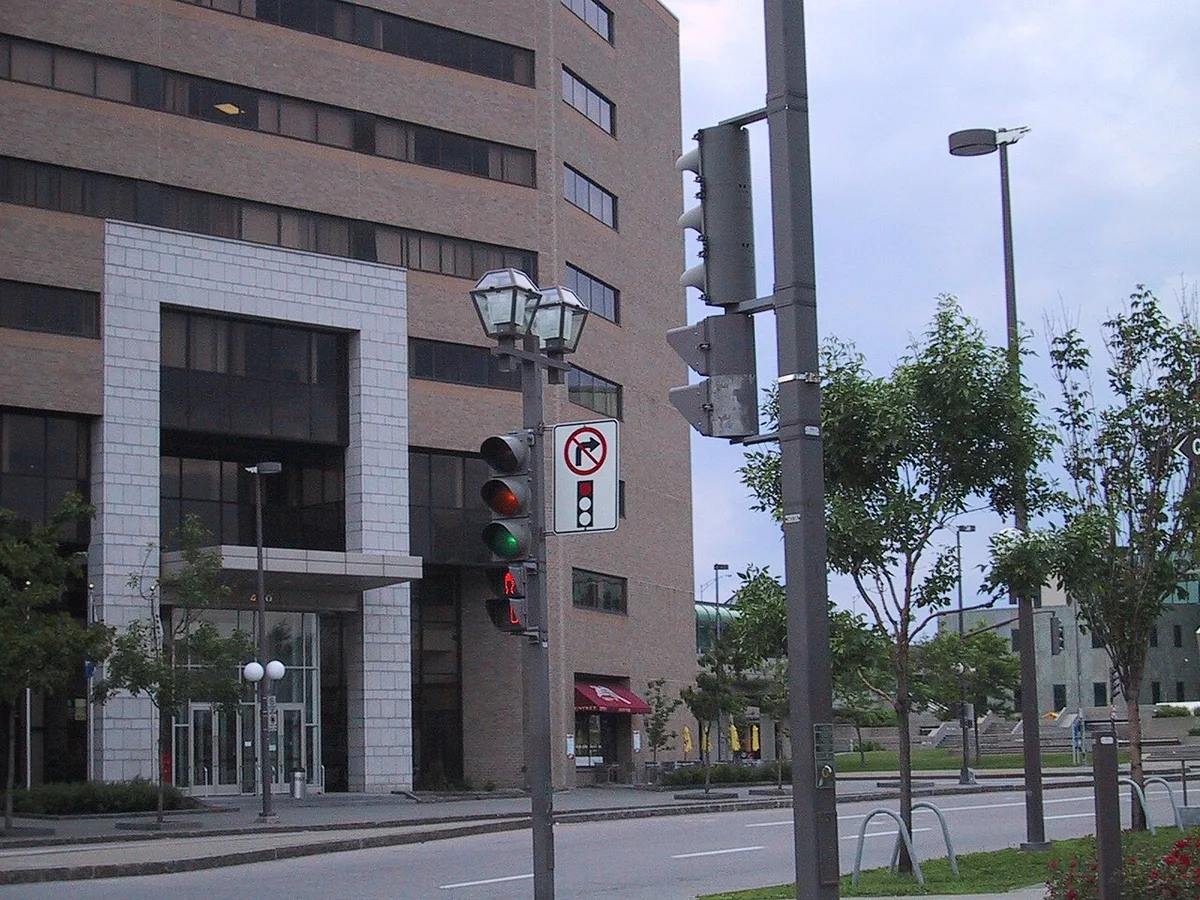
Local exceptions matter. Some cities, like Grand Rapids, have ordinances that restrict right-on-red in certain districts. When in doubt, treat the intersection like a stop sign: stop, look, and only proceed if it’s explicitly allowed.
Step-by-Step: How to Legally Turn Right on Red

First, come to a full stop behind the limit line or crosswalk. Your wheels must stop turning completely. Then, check for pedestrians and cyclists in the crosswalk and oncoming traffic.
Next, look for any signs or signals that prohibit the turn. If there’s no "No Turn on Red" sign or red arrow, you may proceed when it’s safe. Always yield to any vehicles or pedestrians with the right of way.
Finally, make the turn slowly and cautiously. Accelerate smoothly and stay in the correct lane.
Michigan vs. Other States: How Right-on-Red Differs
Michigan’s complete stop rule is stricter than many states. Some states allow a rolling stop if the intersection is clear. Michigan does not.
A few states, like New York City, ban right-on-red entirely in certain areas. Michigan leaves it to local ordinances, so the rules can vary by city.
Here’s a quick comparison:
| State | Complete Stop Required | Local Overrides Allowed | Red Arrow Rule |
|---|---|---|---|
| Michigan | Yes | Yes | No turn |
| California | Yes | Yes | No turn |
| New York | Yes | Yes (NYC bans it) | No turn |
| Idaho | No | Rare | No turn |
Common Mistakes That Get Michigan Drivers Ticketed
The most common mistake is not coming to a full stop. Officers watch for rolling stops, and they will pull you over. Even a slow roll counts as a violation.
Another frequent error is not yielding to pedestrians. In Michigan, pedestrians always have the right of way in crosswalks. If someone is crossing, you must wait.
Drivers also get ticketed for turning when a "No Turn on Red" sign is posted. These signs are easy to miss, so always scan the intersection for restrictions.
Local Exceptions: Cities Where the Rules Change
Some Michigan cities have additional restrictions. Detroit bans right-on-red in parts of downtown. Ann Arbor enforces strict pedestrian-first rules near the University of Michigan campus.
Grand Rapids has a few intersections where right-on-red is prohibited during certain hours. Always look for signs, especially in high-traffic or pedestrian-heavy areas.
What Happens If You Break the Law?
If you violate Michigan’s right-on-red law, you’ll likely face a traffic citation. Fines typically range from $100 to $200, depending on the jurisdiction. You may also receive points on your driving record.
In some cases, especially if the violation leads to an accident, the penalties can be more severe. You could face higher fines, license suspension, or even criminal charges if someone is injured.
Quick Reference: Right-on-Red Cheat Sheet
| Situation | Can You Turn? | What to Do |
|---|---|---|
| Standard red light | Yes | Full stop, yield, check signs |
| Red arrow | No | Wait for green |
| "No Turn on Red" sign | No | Wait for green |
| School zone (active hours) | Usually No | Check local signs |
| Pedestrians in crosswalk | No | Wait for them to clear |
| Poor visibility | No | Wait for better conditions |
Frequently Asked Questions
Is a rolling stop legal for right-on-red in Michigan?
No. Michigan law requires a complete stop with all movement ceased. A rolling stop is a violation and can result in a ticket.
What’s the fine for an illegal right turn on red in Michigan?
Fines typically start at $100 and can go up to $200. Points may also be added to your driving record.
Can you turn right on red at a red arrow in Michigan?
No. A red arrow means no turn is allowed, even if the intersection is clear.
Do all Michigan intersections allow right-on-red?
No. Some cities, like Detroit, ban it in certain areas. Always check for signs.
What should you do if you’re unsure about turning right on red?
Stop completely and wait for the light to turn green. It’s safer than risking a violation.
Does Michigan’s right-on-red law apply to left turns?
No. Left turns on red are only allowed from a one-way street onto another one-way street, and only after a complete stop.