Michigan U-turn laws at controlled intersections and highway crossovers often trip up even experienced drivers. The rules aren’t uniform, what’s allowed at one light might be illegal at the next, and highway crossovers have their own separate standards. Per the Michigan Vehicle Code, the legality hinges on traffic control devices, intersection type, and local ordinances.
In our research, we found that most violations stem from misreading signs or assuming universal rules. The state’s code (MCL 257.649) sets the baseline, but cities like Detroit add their own restrictions.
Quick Answer
Michigan U-turn laws at controlled intersections and highway crossovers allow U-turns unless prohibited. Controlled intersections with traffic lights permit them if no sign restricts it. Highway crossovers often allow U-turns at designated median openings.
Always yield to oncoming traffic and pedestrians. Violations can result in fines and points on your license.
Michigan’s U-turn Laws at a Glance
Michigan follows a default-permissive approach: U-turns are legal unless explicitly banned. The Michigan Vehicle Code (MCL 257.649) governs the basics, but local municipalities can add restrictions. Detroit and Grand Rapids, for example, have ordinances banning U-turns in certain high-traffic areas.
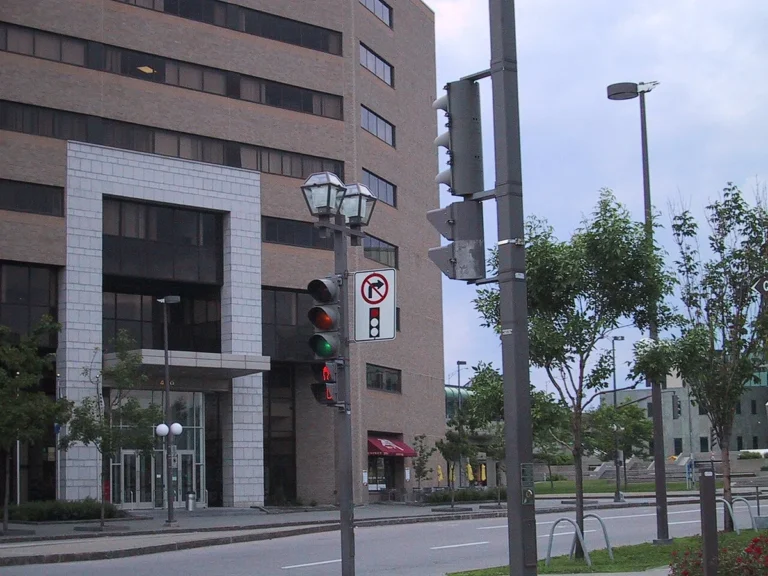
Controlled intersections, those with traffic lights or stop signs, have specific rules. You can make a U-turn at a green light unless a sign says otherwise. At a red light, you must treat it like any other turn: come to a complete stop, yield, and only proceed when safe and legal.
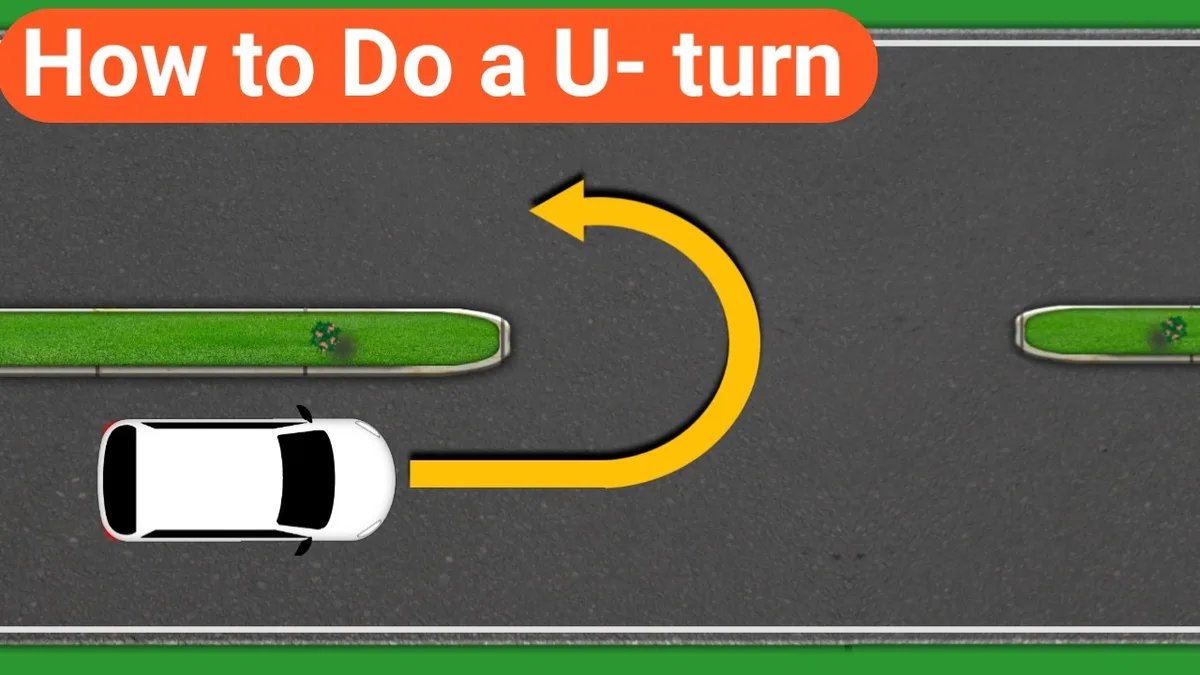
Highway crossovers are different. These are the median openings that let you turn around on divided highways. Michigan generally allows U-turns here, but only if the crossover is designed for it and no signs prohibit the maneuver.
When You Can Make a U-Turn at a Controlled Intersection
You’re in the clear if the intersection has a traffic light and no "No U-Turn" sign is posted. The green light gives you the right to turn around, provided you yield to oncoming traffic and pedestrians.
Another green light scenario: left-turn arrows. If the signal has a dedicated left-turn phase, you can complete a U-turn during that window. Just ensure you’re not blocking the intersection or forcing other drivers to swerve.
Stop-sign-controlled intersections also permit U-turns if no restrictions exist. Treat it like any other stop: come to a full halt, check for cross traffic, and proceed when safe. The key is visibility, never attempt a U-turn if you can’t see clearly in both directions.
When You Can’t Make a U-Turn at a Controlled Intersection
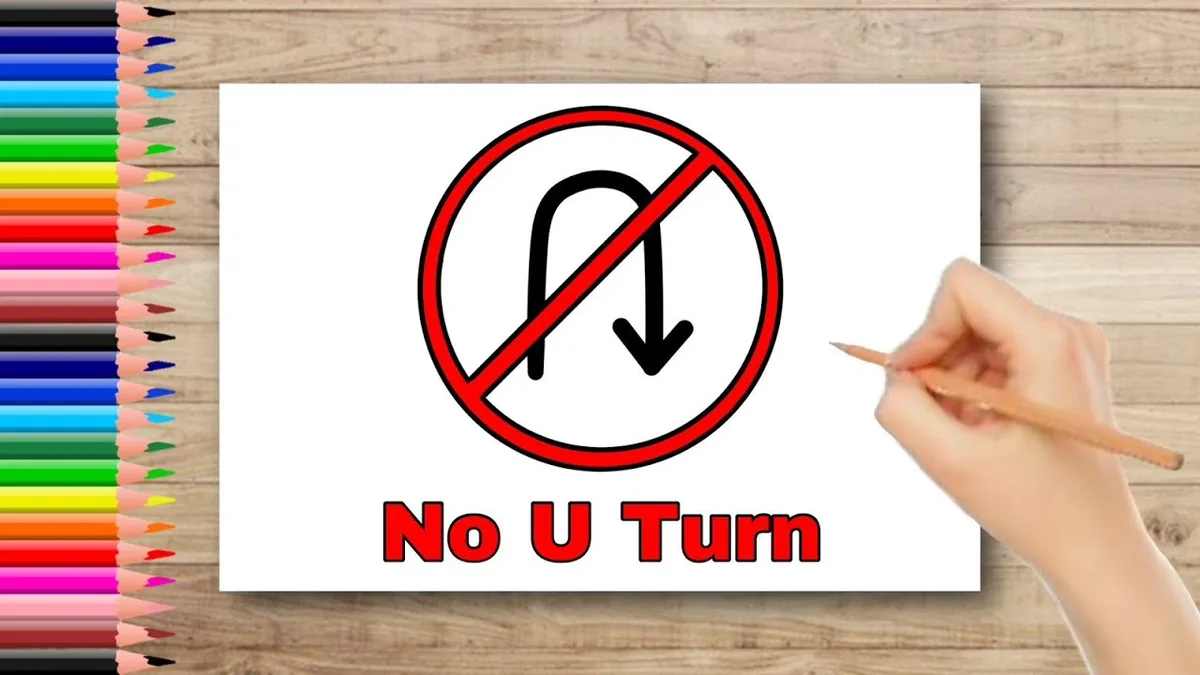
The most obvious red flag is a "No U-Turn" sign. These are typically posted at intersections with high accident rates or poor visibility. Ignoring one will earn you a ticket and points on your record.
Some intersections implicitly ban U-turns. If the traffic light has a "No Left Turn" sign, that usually extends to U-turns as well. The logic is simple: a U-turn is just a left turn followed by another left turn, so the same restrictions apply.
Divided highways with physical barriers (like concrete medians) also prohibit U-turns. Even if there’s no sign, the design itself makes the maneuver illegal. The Michigan Department of Transportation confirms that U-turns are only allowed at designated crossovers.
Highway Crossover U-Turns: The Different Rules
Highway crossovers are the median openings that let you turn around on divided roads. Michigan allows U-turns here, but only under specific conditions. The crossover must be designed for U-turns, and there must be no signs prohibiting the maneuver.
These crossovers are common on major routes like I-94 and I-75. They’re marked with signs or pavement markings, and they often have a dedicated lane for turning around. If you’re unsure, look for a "U-Turn Only" sign or a wide median opening with clear visibility.
Step-by-Step: How to Make a Legal U-Turn in Michigan
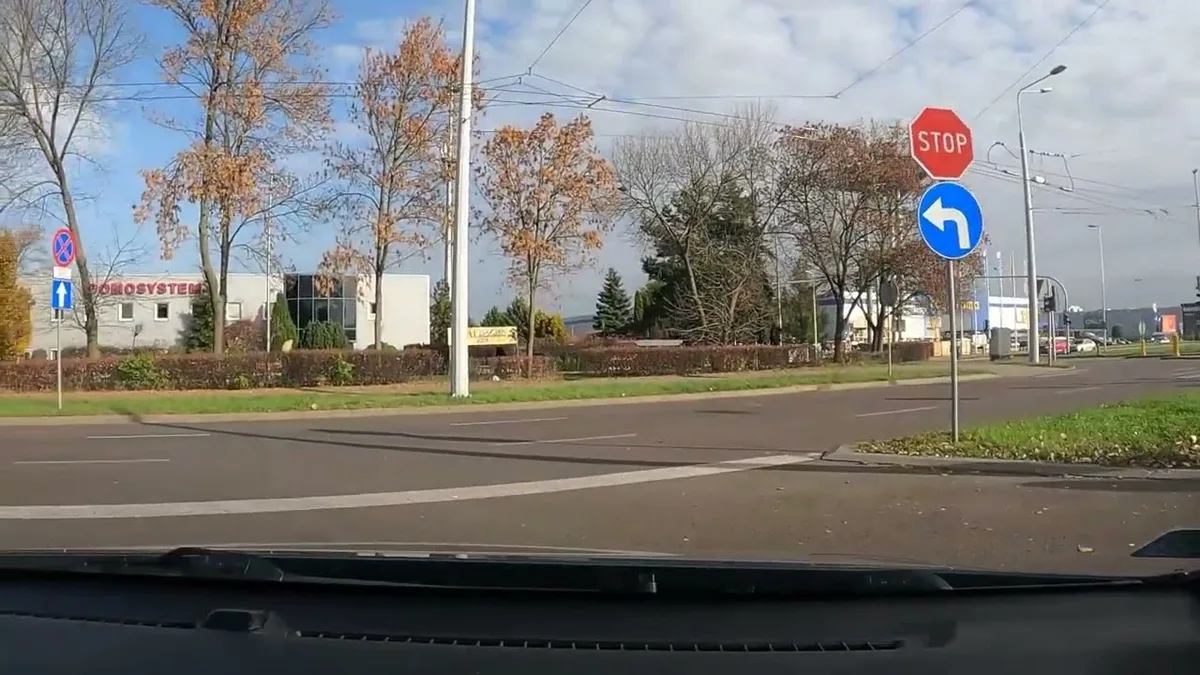
Check for signs first. If you see a "No U-Turn" or "No Left Turn" sign, stop and find another route. These signs override any default permissions.
Signal early. Use your turn signal at least 100 feet before the turn to alert other drivers. This is both a legal requirement and a safety best practice.
Yield completely. At a controlled intersection, you must yield to oncoming traffic and pedestrians. Wait for a clear gap before starting your turn.
Complete the turn safely. Finish the U-turn without cutting across lanes or forcing other drivers to brake suddenly. Stay in the nearest lane to your direction of travel.
Common Mistakes That Get You Ticketed
Assuming green means go for a U-turn. A green light doesn’t automatically permit a U-turn if other restrictions apply. Always check for additional signs.
Turning too wide. Swinging into the wrong lane during a U-turn can lead to a ticket for improper lane usage. Keep your turn tight and within the marked lanes.
Ignoring pedestrians. Failing to yield to pedestrians in the crosswalk is a common violation. Pedestrians always have the right of way at controlled intersections.
U-turns on red without stopping. Some drivers treat a red light like a stop sign for U-turns. You must come to a complete stop and only proceed when safe and legal.
City-Specific Rules: Detroit, Grand Rapids & More
Detroit has additional restrictions in its downtown core. Several intersections near major venues prohibit U-turns during peak hours. Always look for local signage.
Grand Rapids bans U-turns at intersections with heavy pedestrian traffic. These areas are clearly marked, but out-of-town drivers often miss the signs.
Lansing follows the state code closely but adds restrictions near government buildings. The city posts clear signage at these locations.
Smaller cities and rural areas typically follow the state default rules. However, always watch for local ordinances, especially in school zones or near parks.
Penalties for Illegal U-Turns in Michigan
An illegal U-turn is a civil infraction. The fine is typically between $100 and $200, depending on the jurisdiction.
You’ll also receive 2 points on your driving record. Accumulating too many points can lead to higher insurance premiums or license suspension.
In some cases, an illegal U-turn can result in a misdemeanor charge. This happens if the maneuver causes an accident or endangers other drivers.
Court costs may apply in addition to the fine. These can add another $50 to $100 to your total penalty.
U-Turns vs. Three-Point Turns: Which Is Safer (and Legal)?
U-turns are generally safer and more efficient. They require less space and keep traffic flowing. They’re also legal in more locations, provided no signs prohibit them.
Three-point turns are useful in tight spaces. They’re often the only option on narrow streets or in residential areas. However, they’re illegal on most highways and busy roads.
A three-point turn may be your only choice if U-turns are banned. But check local laws first, as some areas restrict three-point turns as well.
Safety depends on visibility and traffic. A U-turn is safer when you have clear sightlines and light traffic. A three-point turn is better in low-speed, low-traffic areas.
FAQs About Michigan U-Turn Laws
Can you make a U-turn at a red light in Michigan?
No, you cannot make a U-turn at a red light unless there’s a specific sign allowing it. Treat it like any other turn: come to a complete stop, yield, and only proceed when the light turns green and it’s safe.
Are U-turns allowed at stop signs in Michigan?
Yes, U-turns are generally allowed at stop signs unless a "No U-Turn" sign is posted. You must come to a full stop, yield to all traffic, and ensure the maneuver is safe.
What’s the fine for an illegal U-turn in Michigan?
The fine for an illegal U-turn is typically between $100 and $200. You’ll also receive 2 points on your driving record, which can affect your insurance rates.
Can you make a U-turn on a divided highway in Michigan?
Only at designated median crossovers. These are marked with signs or pavement markings. Never attempt a U-turn where barriers or signs prohibit it.
Do Michigan U-turn laws apply to bicycles?
Yes, bicycles must follow the same U-turn rules as vehicles. They cannot make U-turns where prohibited and must yield to traffic and pedestrians.
Are there any exceptions for emergency vehicles?
Yes, emergency vehicles with activated lights and sirens are exempt from standard U-turn restrictions. They can make U-turns when necessary to respond to emergencies.
Final Decision Guide: Can You U-Turn Here?
Start with the traffic control. If you see a green light with no "No U-Turn" sign, you’re likely good to go. But always double-check for local restrictions.
Look for physical barriers. On divided highways, U-turns are only allowed at designated crossovers. If there’s a median barrier or a "No U-Turn" sign, it’s illegal.
Consider the intersection type. At stop signs, U-turns are generally permitted unless posted otherwise. At red lights, they’re almost always prohibited.
When in doubt, don’t risk it. If you’re unsure about the legality, find a safer place to turn around. The fine and points aren’t worth the gamble.