Michigan farm truck registration eligibility and restricted usage rules can save you money if your vehicle qualifies, but one wrong assumption about usage or weight can cost you in fines. Many farmers assume any truck used on the farm automatically gets farm plates, but Michigan’s rules are stricter.
As of 2026, the Michigan Secretary of State requires farm vehicles to meet specific use, weight, and distance criteria to qualify for restricted plates. If your truck doesn’t fit these, you’ll need commercial registration instead.
Quick Answer
Michigan farm truck registration eligibility and restricted usage rules apply to vehicles used primarily for agricultural purposes. Your truck must stay under 26,000 lbs GVWR. It can’t travel more than 150 miles from the farm.
Seasonal restrictions may apply.
Does Your Truck Qualify for Michigan Farm Registration?
Your truck qualifies if it’s used exclusively for farming. This includes hauling crops, livestock, or equipment between farm properties.
It does not qualify if you use it for non-farm work, like contracting or personal hauling. The Michigan Vehicle Code defines agricultural use narrowly, so side jobs or mixed use can disqualify you.
How Michigan Defines a “Farm Truck”
A farm truck is a vehicle owned by a farmer or agricultural business. It must be used at least 51% of the time for farming activities. The Michigan Secretary of State enforces this rule strictly.
The vehicle must also be registered under a farm name or individual engaged in farming. If you’re leasing land, you’ll need to prove agricultural activity to qualify.
The 3 Types of Farm Vehicle Plates in Michigan
Michigan offers three farm plate options. Each has different rules and restrictions.
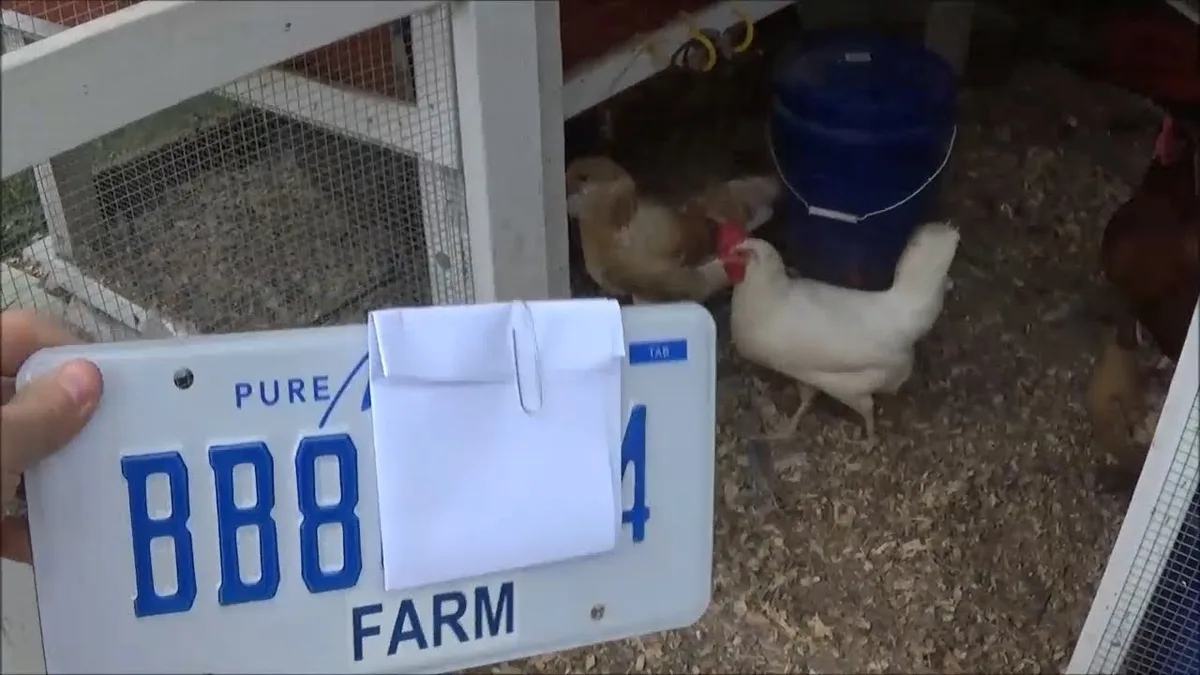
- Restricted Farm Plate (F-Plate): For vehicles under 26,000 lbs GVWR. Limited to 150-mile radius from the farm. Cannot be used for hire or commercial hauling.
- Unrestricted Farm Plate: For vehicles over 26,000 lbs GVWR. No distance limits, but must still be used primarily for farming.
- Seasonal Farm Plate: For vehicles used only during planting or harvest seasons. Typically valid for 60, 90 days.
Weight Limits and Why They Trip People Up
The 26,000 lbs GVWR threshold is the most common stumbling block. Exceed it, and you’ll need an unrestricted farm plate or commercial registration.
Single axle limits are often stricter. For example, a single axle can’t exceed 20,000 lbs on most Michigan roads. Tandem axles have higher allowances, but you must stay within posted limits.
Overloading a restricted farm truck can lead to fines. It can also void your insurance if an accident occurs.
Seasonal and Distance Restrictions You Can’t Ignore
Restricted farm plates cap your travel at 150 miles from the home farm. If you cross that line, you’re operating outside the law and risk a citation.
Seasonal plates only cover planting and harvest windows. The Michigan Department of Agriculture and Rural Development sets those windows by crop region. You’ll need a standard registration if you haul outside those dates.
Interstate travel is off limits for restricted plates. Unrestricted farm plates allow cross state lines, but only for farm-related hauls. The state police check this at weigh stations.
Step-by-Step: How to Register (or Re-Register) a Farm Truck
Gather proof of farm ownership or lease before you visit the SOS. A tax statement or land record works as evidence.
Complete the farm vehicle registration form at your local branch. List the GVWR and intended use on the form.
Pay the fee based on weight class. Restricted plates cost less than commercial tags. You’ll get your F-plate the same visit if documents are in order.
Renewals follow the standard cycle. Report any change in use to avoid a compliance gap.
Farm Plates vs. Commercial Plates: When to Switch
Switch to commercial plates if you haul for hire. Farm plates never cover paid transport for others.
Choose unrestricted farm plates for heavy trucks over 26,000 lbs. You keep farm rates but gain distance freedom. A restricted plate is best for small local runs under the mileage cap.
If you buy a used truck with farm plates, verify its use history. The prior owner’s pattern doesn’t bind you. You must refile under your own operation.
Common Mistakes That Trigger Fines or Denials
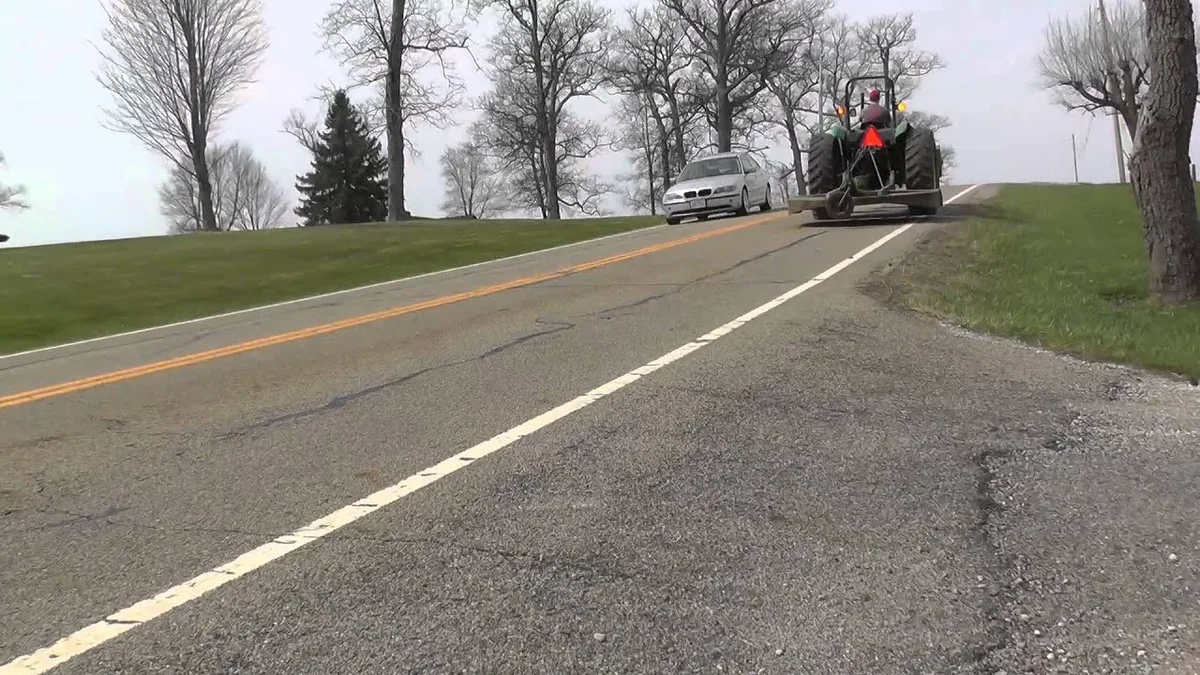
Skipping the slow-moving vehicle emblem on a farm truck is a top error. Michigan law requires the SMV triangle if your speed stays under 25 mph.
People also misreport GVWR to get a cheaper plate. The SOS checks the manufacturer sticker. A mismatch means denial and a possible penalty.
Using restricted plates for a side business is another frequent slip. Even one non-farm load can void the status.
What Happens If You Get Pulled Over?
The officer will ask for registration and proof of farm use. Carry your SOS receipt and a land record in the cab.
If you’re over the mileage limit, expect a citation. Fines scale with the violation type. Repeat offenses raise the fee and can suspend the plate.
An accident with improper plates complicates insurance. The carrier may deny the claim.
Insurance and Liability: The Hidden Gotchas
Farm plates often mean lower premiums, but coverage gaps can appear if the truck is used outside its registered purpose. Always confirm with your insurer that the policy matches the plate type.
If an accident occurs while hauling non-farm loads, your claim may be denied. The insurer will check the registration and intended use.
Some carriers require additional endorsements for heavy farm trucks. Unrestricted plates may need higher liability limits.
Real Scenarios: Does Your Situation Actually Qualify?
You own 40 acres and haul your own soybeans to the elevator 30 miles away. This fits the restricted farm plate criteria.
You use the same truck to deliver firewood to local customers on weekends. That side income disqualifies it from farm registration. You’ll need commercial plates.
Your neighbor borrows your truck to move his tractor. Even one non-farm use can void the farm status. The SOS treats occasional exceptions as commercial activity.
FAQs Michigan Farmers Ask the SOS
Can I use my farm truck to pull a camper?
No. Farm plates are for agricultural use only. Pulling a camper is personal use and requires standard registration.
What’s the fine for overloading a restricted farm truck?
Fines start around $100 and increase with the weight violation. Repeat offenses can lead to plate suspension.
Do I need a CDL for a farm truck over 26,000 lbs?
Michigan exempts farm vehicles from CDL requirements if used within 150 miles of the farm. Beyond that, a CDL may be required.
Can I register a leased truck under farm plates?
Yes, but you must provide the lease agreement and proof of agricultural use. The lessor’s permission may also be required.
How do I prove my truck is used for farming?
Bring a tax statement, land record, or farm receipts to the SOS. They may also accept a notarized affidavit of farm use.
Final Checklist: Are You Compliant?
Confirm your truck’s GVWR matches the plate type. Restricted plates cap at 26,000 lbs.
Verify your travel radius stays within 150 miles for restricted plates. Unrestricted plates have no distance limits.
Check that all loads are farm-related. Non-agricultural hauls require commercial registration.
Display the SMV emblem if your truck travels under 25 mph. This is a legal requirement for slow-moving vehicles.
Carry proof of farm use in the cab. Officers may ask for it during traffic stops.
Confirm your truck’s GVWR matches the plate type. Restricted plates cap at 26,000 lbs.
Verify your travel radius stays within 150 miles for restricted plates. Unrestricted plates have no distance limits.
Check that all loads are farm-related. Non-agricultural hauls require commercial registration.
Display the SMV emblem if your truck travels under 25 mph. This is a legal requirement for slow-moving vehicles.
Carry proof of farm use in the cab. Officers may ask for it during traffic stops.