Get pulled over in Michigan with dark window tint and you could be looking at a fix-it ticket or fine. The Michigan window tinting legal limits are strict, and they vary by window location and vehicle type. Knowing the exact percentages can save you from failed inspections or unnecessary penalties.
Visible Light Transmission, or VLT, is the key metric here. Michigan law sets a 35% minimum for front side windows on all vehicles, meaning your tint can’t block more than 65% of light.
Quick Answer
Michigan window tinting legal limits require 35% VLT minimum on front side windows for all vehicles. Back side and rear windows on sedans also need 35% VLT. MPVs can have any darkness on back side and rear windows.
Windshield tint is only allowed above the AS-1 line with a 4-inch non-reflective strip.
Why Michigan Tint Law Accuracy Matters
Incorrect tint can lead to immediate traffic stops. Law enforcement uses VLT meters to check compliance on the spot, and non-compliant tint often results in a citation.
The state also conducts vehicle inspections where illegal tint is a common failure point. Even if you pass a visual check, a meter test can still flag you.
How Michigan Tint VLT Rules Work by Vehicle Type
VLT measures how much light passes through your window. A 35% VLT means 35% of light gets through, while 65% is blocked. Michigan applies different rules based on whether you drive a sedan or a multi-purpose vehicle.
For sedans:
- Front side windows: 35% VLT minimum
- Back side windows: 35% VLT minimum
- Rear window: 35% VLT minimum
For MPVs (SUVs, vans, trucks):
- Front side windows: 35% VLT minimum
- Back side windows: any darkness allowed
- Rear window: any darkness allowed
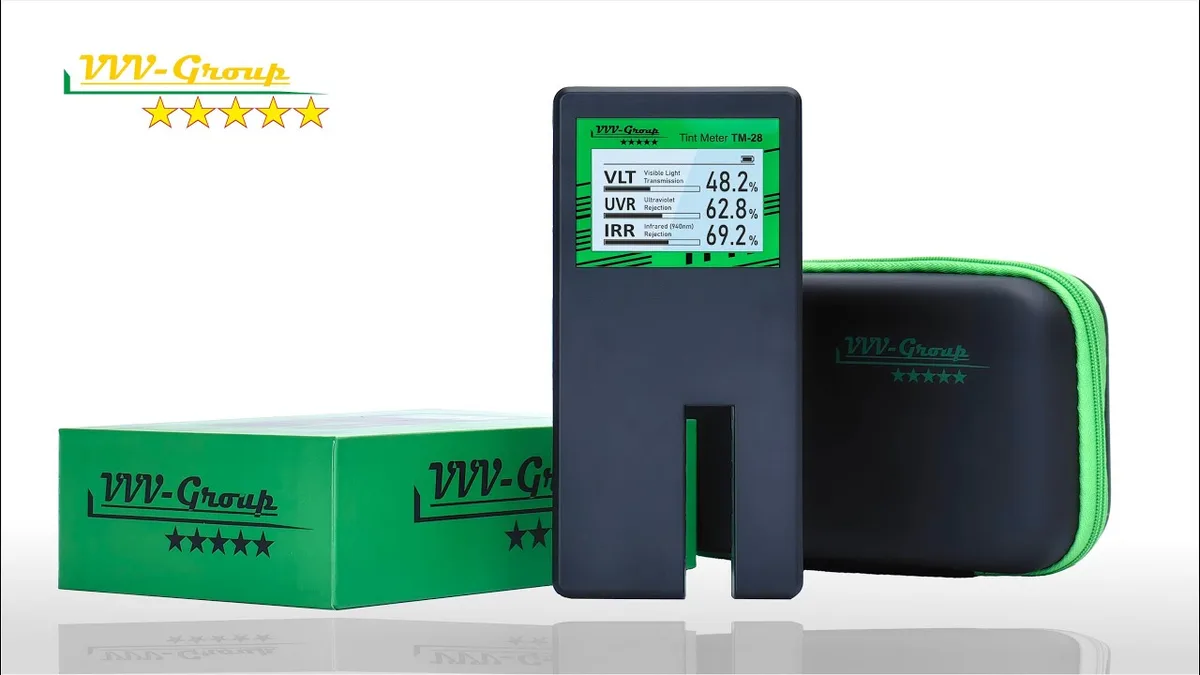
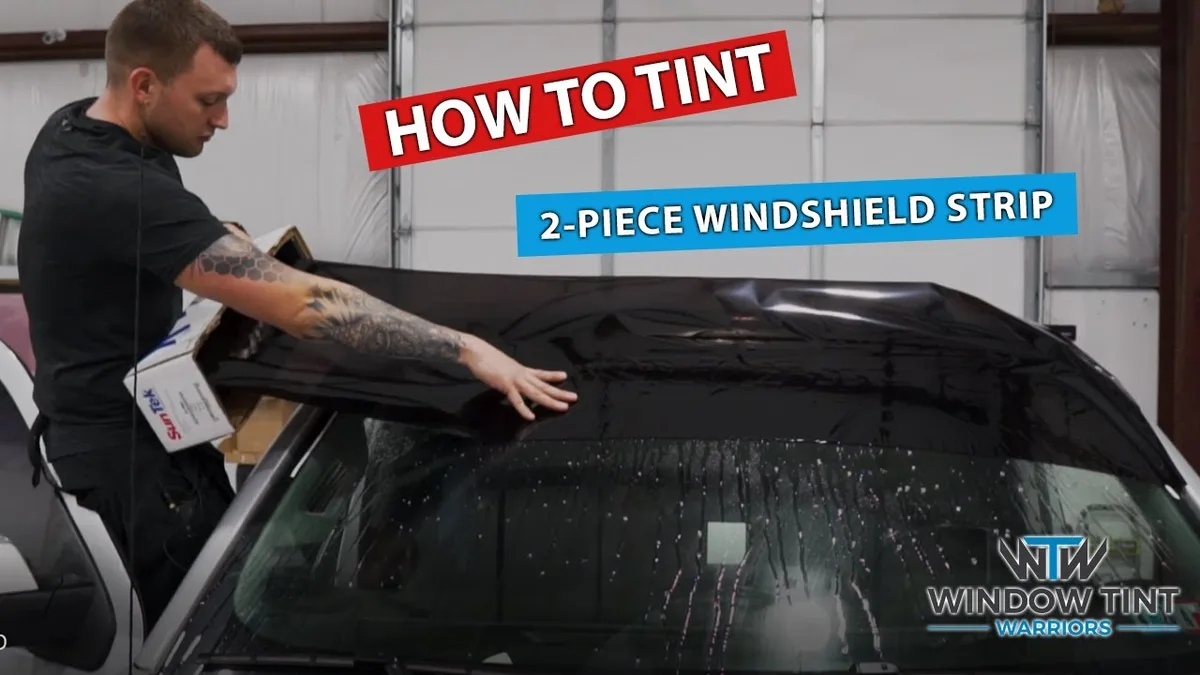
Windshield rules are the same for all vehicles. Only a non-reflective tint strip is permitted above the manufacturer’s AS-1 line, which is typically the top 4-6 inches of the windshield.
Reflectivity is another factor. Michigan prohibits reflective tint that exceeds 35% reflectivity on any window.
Medical Exemptions for Michigan Window Tint
Michigan does allow medical exemptions for darker tint. These require a certified statement from a licensed physician or optometrist.
The exemption must specify the medical condition and the necessary tint percentage. Common qualifying conditions include light sensitivity disorders and certain skin conditions that require UV protection.
To obtain an exemption:
- Get a signed statement from your doctor
- Submit it to the Michigan Secretary of State
- Carry the exemption certificate in your vehicle at all times
Without this documentation, even medically necessary tint can result in a citation.
Risks of Illegal Tint in Michigan
Driving with non-compliant tint carries several risks. The most immediate is a traffic stop and potential citation.
Michigan law enforcement officers are equipped with VLT meters. If your tint measures below the legal limit, you’ll likely receive a fix-it ticket. This requires you to remove or replace the tint and have the vehicle inspected.
Failed inspections are another consequence. During your vehicle’s annual inspection, illegal tint will result in an automatic failure.
There are also safety considerations. Excessively dark tint can reduce visibility, especially at night or in poor weather conditions.
Safe Practices for Staying Compliant
The easiest way to avoid issues is to have your tint installed by a licensed professional. Reputable shops know Michigan’s laws and use compliant films.
Always ask for a compliance certificate after installation. This document should state the VLT percentage and confirm it meets Michigan standards.
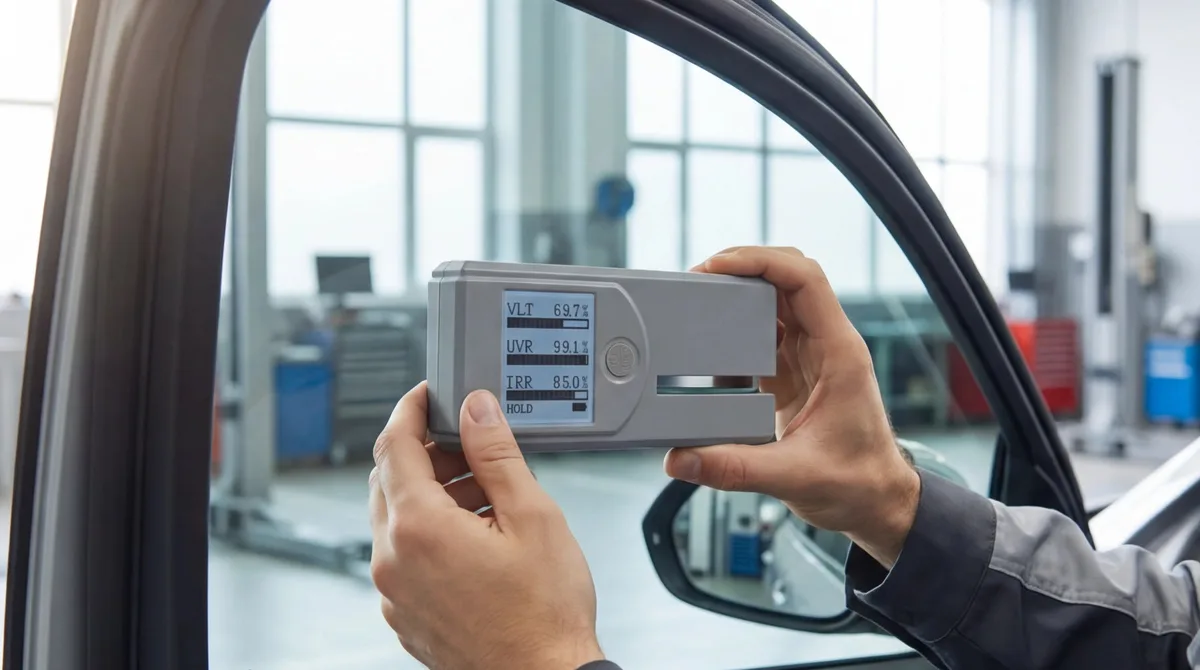
Before buying a used car, check the window tint with a VLT meter. Many auto parts stores rent these devices.
Common Tint Mistakes Michigan Drivers Make
Assuming all dark tint is illegal is a common misconception. For MPVs, back side and rear windows can be as dark as you want.
Another mistake is ignoring the windshield rule. Some drivers add tint below the AS-1 line, which is illegal.
Many also overlook reflectivity limits. Even if your VLT is legal, excessive reflectivity can still get you a ticket.
Michigan Tint Law FAQs
What’s the darkest legal tint in Michigan?
The darkest legal tint for front side windows is 35% VLT. Back side and rear windows on MPVs can be darker, with no minimum VLT requirement.
Can I get pulled over for window tint in Michigan?
Yes. Law enforcement can stop you if they suspect your tint is too dark. They’ll use a VLT meter to verify compliance.
Is 20% tint legal in Michigan?
No. 20% tint blocks 80% of light, which is below Michigan’s 35% VLT minimum for front side windows on all vehicles.
Do I need a sticker for legal tint in Michigan?
No. Michigan doesn’t require a sticker to certify legal tint. However, keeping your installation receipt or compliance certificate is a good idea.
Are there any tint exemptions for medical reasons?
Yes. Michigan allows medical exemptions with a doctor’s certification. You must carry the exemption document in your vehicle.
Can I tint my windshield in Michigan?
Only a non-reflective strip above the AS-1 line is allowed. Full windshield tint is illegal in Michigan.
Verified Summary of Michigan Tint Compliance
Front side windows on all vehicles must allow at least 35% of light through. Back side and rear windows on sedans follow the same rule.
MPVs have more flexibility. Their back side and rear windows can be any darkness. Windshield tint is only permitted above the AS-1 line as a non-reflective strip.
Reflectivity can’t exceed 35% on any window. Medical exemptions exist but require proper documentation. Always verify your tint with a VLT meter if you’re unsure.