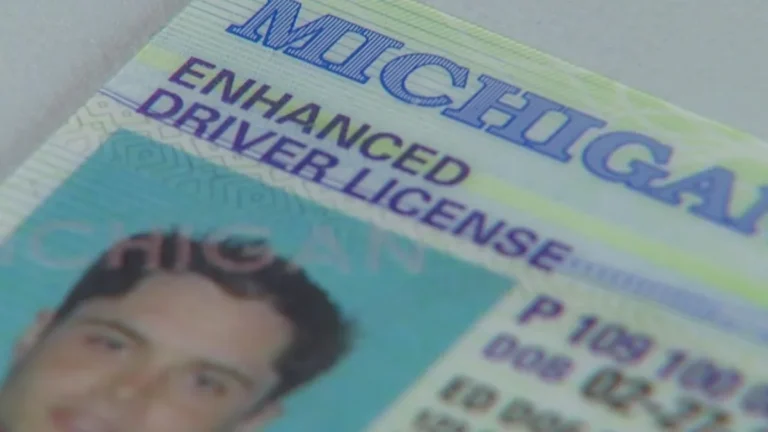
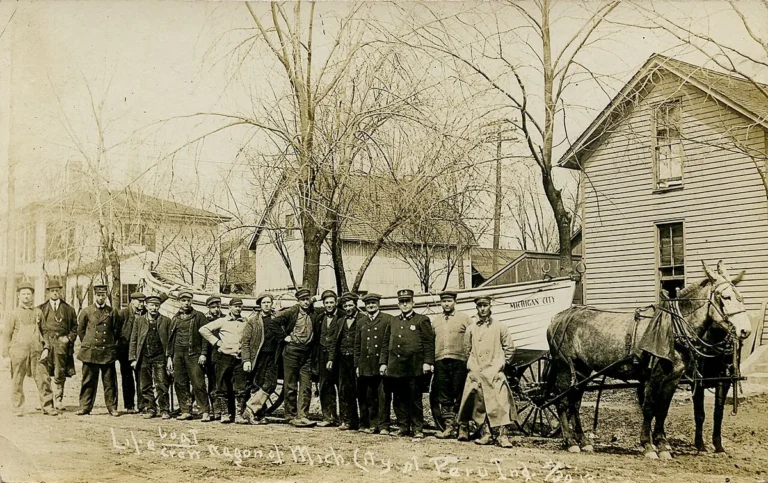
Michigan blue and red light prohibition for private motor vehicles is a strict rule with no gray area. The state bans private drivers from using these colors to prevent confusion with emergency vehicles and avoid public safety risks.
Per Michigan Vehicle Code MCL 257.698, only authorized emergency and certain government vehicles may display blue or red lights. Violations can lead to fines, and ignorance of the law isn’t a valid defense.
Quick Answer
Michigan blue and red light prohibition for private motor vehicles is absolute. Private cars cannot use blue or red lights under any normal circumstance. Authorized emergency vehicles are the only exception.
Fines apply if you’re caught with these lights installed.
Is It Legal to Have Blue or Red Lights on a Private Car in Michigan?
No. Michigan law explicitly prohibits private motor vehicles from displaying blue or red lights. This includes aftermarket installations, custom mods, or even temporary use.
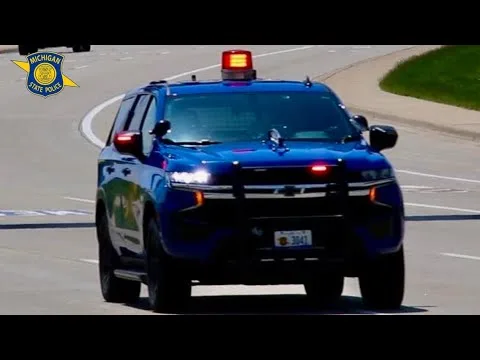
The restriction exists to maintain clear identification of emergency vehicles. When drivers see blue or red lights, they must know it’s an official response vehicle, not a private car. This prevents delays in emergencies and reduces the risk of impersonation.
Why This Law Exists (And Why It’s Strictly Enforced)
Public safety is the top priority. Blue and red lights signal urgency, and their misuse can cause accidents or hinder first responders. Michigan enforces this to protect both drivers and emergency personnel.
The law also addresses impersonation risks. Unauthorized use of these lights can lead to dangerous situations, including fake traffic stops or fraudulent activity. As of 2026, enforcement remains consistent.
Who Can Legally Use Blue or Red Lights in Michigan
Only authorized emergency vehicles are exempt. This includes:
- Police cars
- Fire trucks
- Ambulances
- Certain government or municipal vehicles
Volunteer firefighters may also qualify, but only under specific conditions. Their vehicles must meet state requirements and be properly registered.
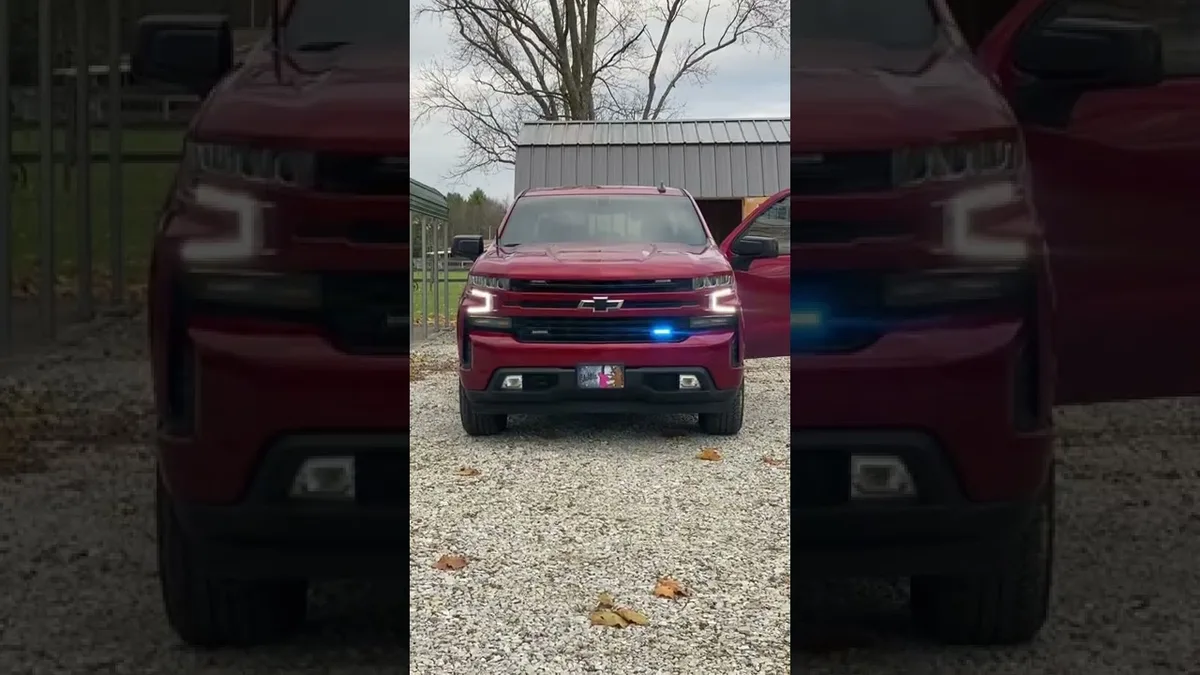
Private security vehicles, tow trucks, and construction equipment typically do not qualify. They’re usually limited to amber lights, which signal caution rather than emergency response.
The Exact Rules: What’s Allowed and What’s Not
Michigan Vehicle Code MCL 257.698 outlines the restrictions clearly. Private vehicles cannot display blue or red lights, whether flashing or steady. This applies to all types of lights, including LEDs, halogens, and strobes.
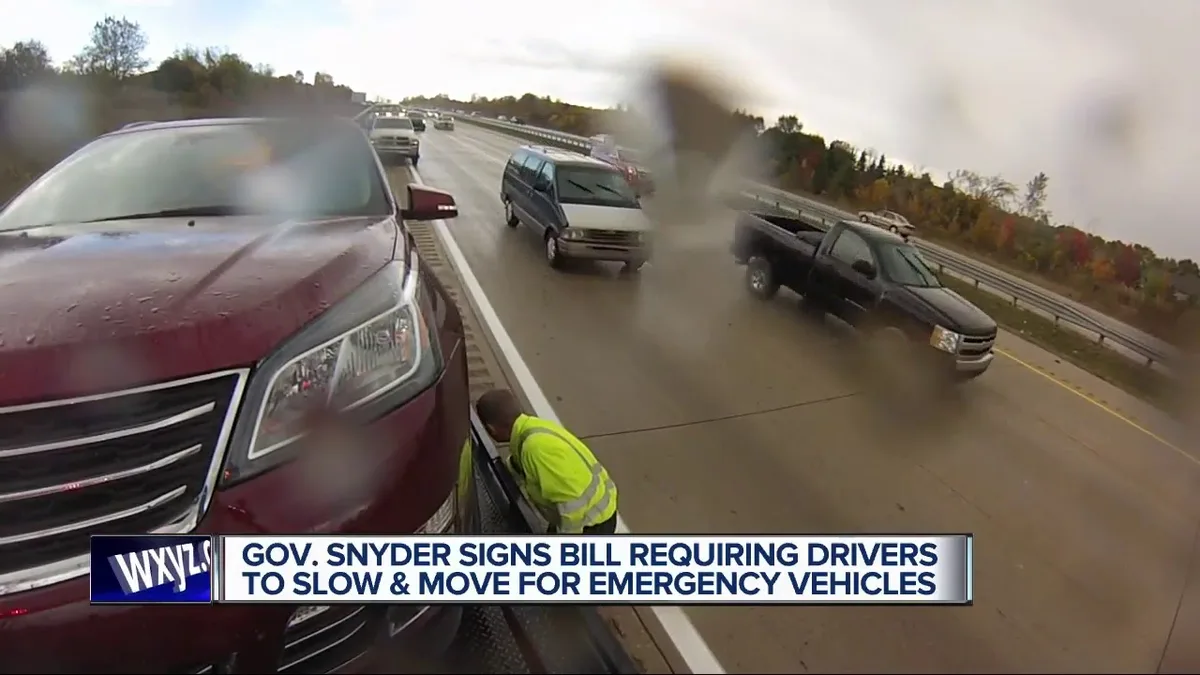
Here’s a quick breakdown:
| Light Color | Private Vehicles | Emergency Vehicles |
|---|---|---|
| Blue | Prohibited | Allowed |
| Red | Prohibited | Allowed |
| Amber | Allowed (caution only) | Allowed (non-emergency use) |
| White | Allowed | Allowed |
Amber lights are the only exception for private use, but they’re regulated. Tow trucks and construction vehicles may use amber to signal caution, never blue or red.
Common Mistakes That Get Drivers in Trouble
Many drivers assume aftermarket lights are fine if they’re not flashing. That’s not true. Michigan’s law applies to all blue and red lights, steady or flashing.
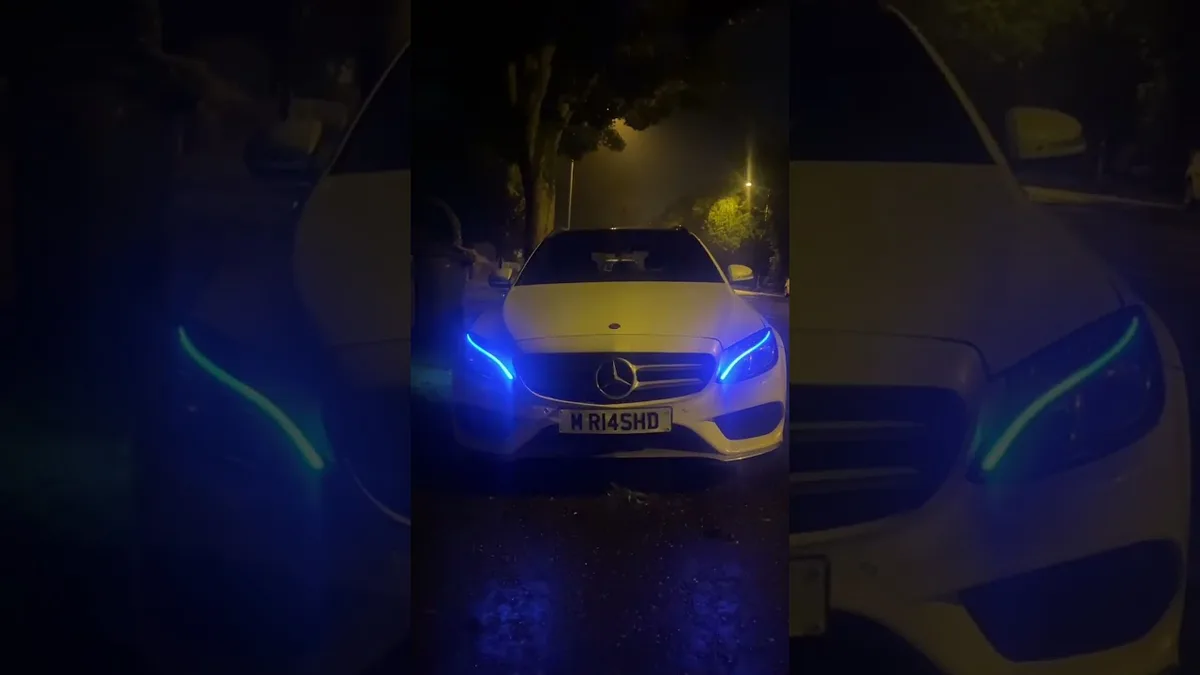
Other common mistakes include:
- Installing blue or red underglow lights for looks
- Using these colors on off-road vehicles driven on public roads
- Assuming volunteer roles like neighborhood watch grant exemption
Even inactive installed lights can bring a citation. Law enforcement doesn’t separate intent from installed hardware.
Exceptions You Might Qualify For (And How to Check)
Volunteer firefighters are the main exception. Michigan lets them run red lights if the vehicle is registered with the local fire department. It must show a department emblem.
Other exemptions cover certain government vehicles and authorized responders. These are rare for everyday citizens. If you believe you qualify, ask your local police or the Michigan Secretary of State.
The check usually needs proof of role and vehicle details. Approval isn’t automatic, and misuse still draws penalties.
What Happens If You Break This Law?
You’ll likely get a civil infraction. Fines vary by city but often start near $100. Repeat stops or aggravating facts raise the cost.
Officers may order the lights removed on the spot. Refusal can mean impound until the fix is done.
Fake officer use brings bigger trouble. That can be a felony under state law.
How to Stay Compliant Without Removing Your Lights
If you’ve mounted blue or red lights, pull them off. That ends the risk completely.
Want to keep them for shows or trails? Use a switch that disables them on public roads. Visible unused lights can still draw a stop.
Amber or white lights are safe picks for private cars. They boost visibility without breaking MCL 257.698.
Real-Life Scenarios: When Good Intentions Go Wrong
A driver adds blue underglow for style, not knowing it’s banned. An officer sees it at a stop and writes a ticket. Intent doesn’t matter.
A volunteer firefighter runs red lights without department registration. Good intent, but still a fine.
Some think non-flashing lights are okay. Michigan law makes no such split. Any blue or red on a private vehicle is prohibited.
FAQs About Michigan’s Emergency Light Laws
Can I use blue or red lights on my car for off-road driving?
No. The law covers all public road registered vehicles. Off-road plans don’t create an exemption.
Are underglow lights legal if they’re not blue or red?
White and amber underglow are generally allowed. Blue and red stay banned in every case.
What if my car came with blue or red lights from the factory?
Factory fit doesn’t beat state law. The lights must be disabled or removed for street use.
Do the rules apply to motorcycles?
Yes. The ban covers all private motor vehicles, including motorcycles and SUVs.
Can I get a permit to use blue or red lights?
Permits are rare for civilians. Only authorized emergency and government roles qualify.
What should I do if I see someone misusing emergency lights?
Call local law enforcement. Note the vehicle description and location if safe.
Final Takeaway: Play It Safe, Not Sorry
Michigan’s ban on blue and red lights for private vehicles is clear and enforced. Fines or worse aren’t worth a custom look.
Use white or amber if you want extra visibility. Those keep you legal.
Unsure about your case? Read MCL 257.698 or ask your local police. A quick check avoids a citation.
The abandoned vehicle process shows the same strict state enforcement. Michigan treats vehicle law as public safety, not paperwork.
For a service rig, the mobile wash setup guide covers street legal use. Get compliant before you curb park.
The Delaware move over rule reflects similar emergency light logic. Michigan’s color ban follows that same intent.
Per the Michigan Legislature the statute is the authority here. We cite the code so you get the real rule.
Volunteer responders must confirm status with the Michigan Secretary of State before mounting red lamps. The exemption is narrow.
Amber users like tow operators must signal caution only. Adding blue or red crosses the line.
Keep it simple. No blue, no red, no problem.