ByMax Lee
Delaware Move Over Law: Rules for Emergency & Stranded
Bing (Web (fair-use with source credit))
Delaware’s move over law for emergency vehicles and stationary distressed cars exists to prevent tragic accidents on the shoulder. Every year, first responders and stranded drivers are injured or killed by passing motorists who don’t slow down or change lanes. The rule is simple but strict: move over if safe, or slow down significantly.
As of 2026, Delaware law requires drivers to vacate the lane closest to stopped emergency or disabled vehicles when possible. Violations carry fines and points on your license, so understanding the specifics can save lives and your wallet.
Quick Answer
Delaware move over law for emergency vehicles and stationary distressed cars mandates lane changes or speed reduction. You must move over one lane if safe. If not, slow to at least 20 mph below the limit.
The law covers police, fire, EMS, tow trucks, and any car with hazard lights on.
Why This Law Exists and Who It Protects
This law protects emergency responders and stranded motorists working or waiting on the roadside. Delaware State Police and DelDOT report that roadside incidents are a leading cause of injury for first responders. The law also shields tow truck operators and maintenance crews who often work in high-speed traffic zones.
Without this rule, drivers might not realize the danger of passing too close to stopped vehicles. The law creates a buffer zone, giving roadside workers and disabled motorists a fighting chance.
The Exact Rules: When to Move Over vs. Slow Down
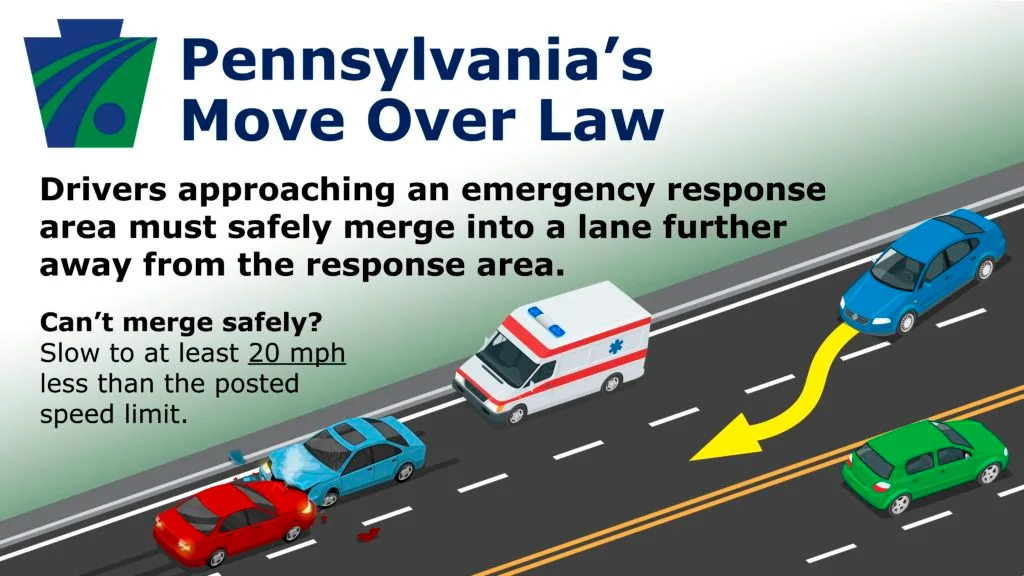
You must move over one lane when approaching a stopped emergency or distressed vehicle with flashing lights. This applies on roads with at least two lanes traveling in the same direction.
Bing (Web (fair-use with source credit))
If you can’t move over safely, you must slow down. The speed reduction requirement is specific: slow to at least 20 mph below the posted limit if the limit is 25 mph or higher. On lower-speed roads, you must still reduce to a safe speed.
Which Vehicles Count Under the Law
The law covers all emergency vehicles with flashing lights, including:
- Police cars
- Fire trucks
- Ambulances
- Tow trucks
- Highway maintenance vehicles
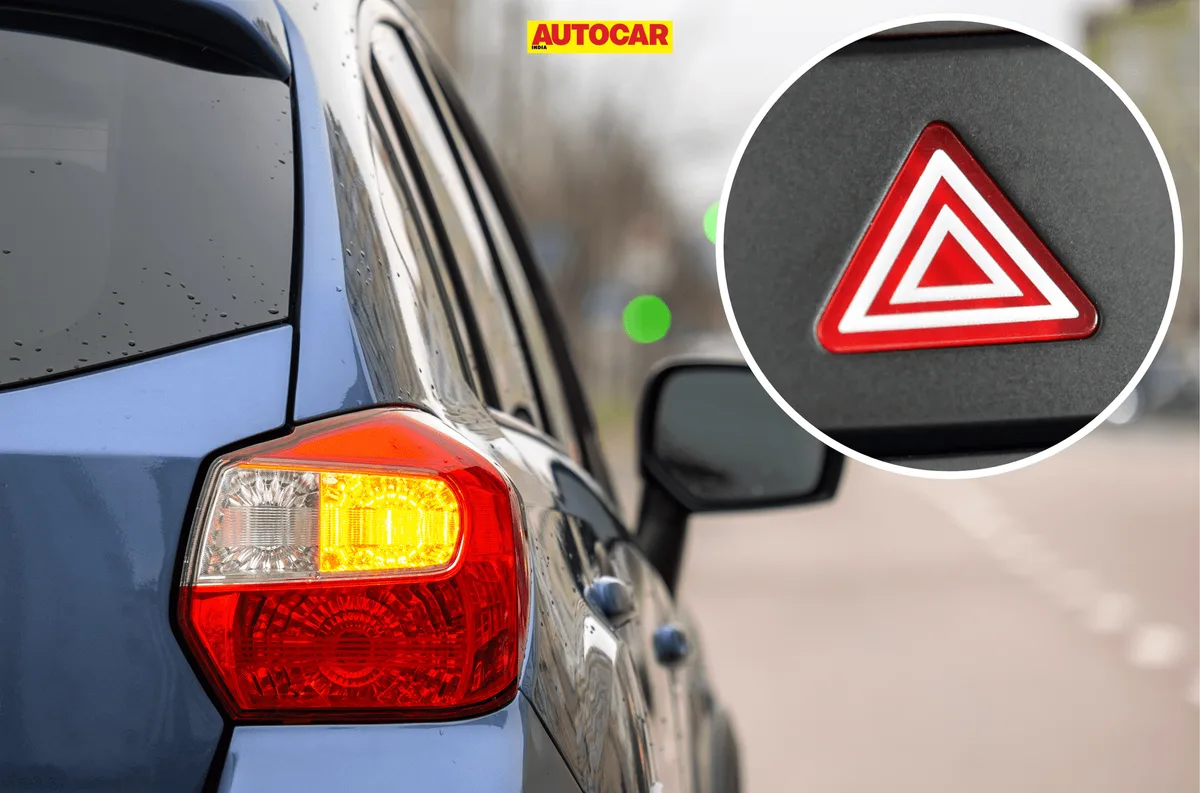
It also applies to any stationary vehicle displaying hazard lights, flares, or other warning signals.
Bing (Web (fair-use with source credit))
The key is visible warning signals. A car simply parked without any indicators may not trigger the law’s requirements. Always err on the side of caution and slow down if you’re unsure.
How to Comply on Different Road Types
On multi-lane highways like I-95 or Route 1, you have more options to move over safely. Always check your mirrors and blind spots before changing lanes. Signal your intention clearly to other drivers.
On two-lane roads, moving over may not be possible. In these cases, reduce your speed significantly as you pass. The law recognizes that safety comes first, so don’t attempt dangerous maneuvers.
For more on Delaware’s traffic regulations, you can explore state-specific vehicle rules. The Delaware Department of Transportation also provides official guidance on road safety.
What Happens If You Break the Law
Bing (Web (fair-use with source credit))
Violating Delaware’s move over law is a moving violation. You’ll face a fine, typically between $50 and $100 for a first offense. The exact amount can vary by court.
You’ll also receive 3 points on your driving record. Accumulating too many points can lead to license suspension or increased insurance premiums.
Common Mistakes Drivers Make
Many drivers assume the law only applies to emergency vehicles with flashing red and blue lights. They overlook tow trucks, highway maintenance vehicles, or private cars with hazard lights. This misunderstanding can lead to dangerous situations and violations.
Another frequent error is misjudging when it’s safe to move over. Drivers sometimes swerve abruptly, creating hazards for themselves and others. Always signal and check your surroundings before changing lanes.
Some motorists believe slowing down slightly is enough. The law requires a significant speed reduction, at least 20 mph below the limit on roads posted at 25 mph or higher.
Real-Life Scenarios and How to Handle Them
You see a police car with flashing lights on the shoulder ahead
Move over one lane if possible. If you can’t, slow down to at least 20 mph below the limit. Maintain this reduced speed until you’ve safely passed the stopped vehicle.
You’re on a two-lane road with a disabled car on the shoulder
Moving over isn’t an option here. Reduce your speed significantly as you pass. Watch for any signs of activity near the vehicle, like people or equipment.
You’re in heavy traffic and can’t change lanes
Slow down to the required speed. Don’t attempt to force your way into another lane. Safety for everyone on the road comes first.
FAQs About Delaware’s Move Over Law
Does the law apply if the emergency vehicle is on the opposite side of the road?
Yes. The law requires you to move over or slow down when approaching from either direction. This protects responders and disabled motorists regardless of which side of the road they’re on.
What if I can’t see the hazard lights until the last moment?
You’re still responsible for complying. Stay alert and scan the road ahead for any signs of stopped vehicles. If you spot them late, slow down immediately.
Are there any exceptions to the law?
The only exception is when moving over or slowing down would be unsafe. This might include situations with heavy traffic, poor visibility, or road conditions that prevent safe maneuvering.
How do I know if a vehicle is considered “distressed”?
Look for hazard lights, flares, or other warning signals. A car simply parked without any indicators may not trigger the law’s requirements. When in doubt, slow down and proceed with caution.
Can I be pulled over just for not moving over?
Yes. Delaware’s move over law is a primary offense. Police can stop you solely for violating this rule, even if you’re not breaking any other traffic laws.