ByMax Lee
Michigan Commercial Vehicle Registration & Weight Limits
YouTube / ABC12 (YouTube thumbnail (fair-use with source credit))
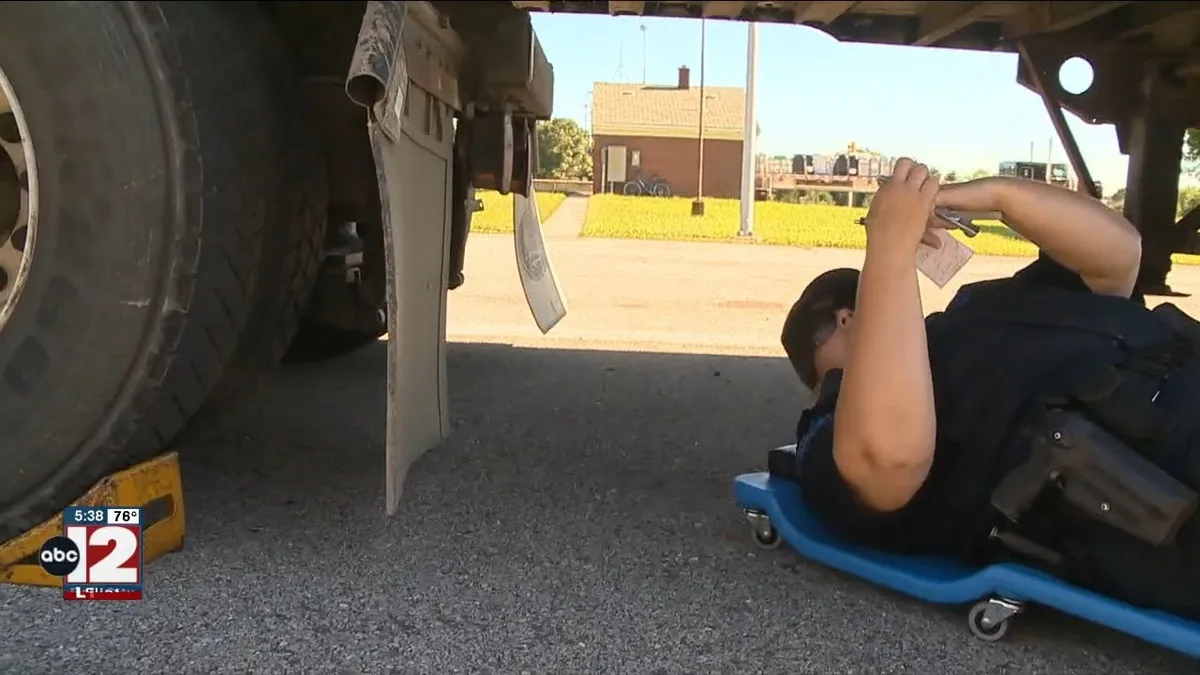
Michigan commercial vehicle registration and weight restrictions trip up even experienced operators. The rules change based on vehicle class, intended use, and even the season, so what applies to a local delivery truck won’t cover a cross-country semi.
As of 2026, Michigan enforces a standard 80,000 lb gross vehicle weight limit for most highways, but single-axle limits drop to 20,000 lbs. Get this wrong and you’re looking at fines, delays, or an out-of-service order.
Quick Answer
Michigan commercial vehicle registration and weight restrictions depend on your vehicle’s class and use. Single axles max out at 20,000 lbs. Tandem axles hit 34,000 lbs.
Gross weight caps at 80,000 lbs on most roads. Seasonal thaw laws reduce these limits in spring.
Do You Need Commercial Registration in Michigan?
You do if your vehicle meets any of these conditions:
- Weighs over 10,000 lbs (GVWR)
- Transports 16+ passengers (including the driver)
- Hauls hazardous materials requiring placards
Even lighter vehicles used for business may need commercial plates. Check with the Michigan Secretary of State if you’re unsure.
Farm vehicles and some municipal or emergency vehicles get exemptions, but the rules are strict. Don’t assume you’re covered.
Michigan Commercial Vehicle Classes & Who They Apply To
Michigan follows federal classification for commercial vehicles, but adds state-specific twists.
Class A: Combination vehicles (tractor-trailer) with a GCWR of 26,001+ lbs, towing over 10,000 lbs. This covers most semis and large rigs.
Class B: Single vehicles over 26,001 lbs or towing under 10,000 lbs. Think dump trucks, box trucks, and large buses.
Class C: Vehicles under 26,001 lbs transporting 16+ passengers or hazardous materials. This includes small commercial vans and some service vehicles.
If you’re hauling for hire, you’ll also need a USDOT number and likely an MC number. The FMCSA has the full details.
Weight Restrictions: The Hard Limits You Can’t Ignore
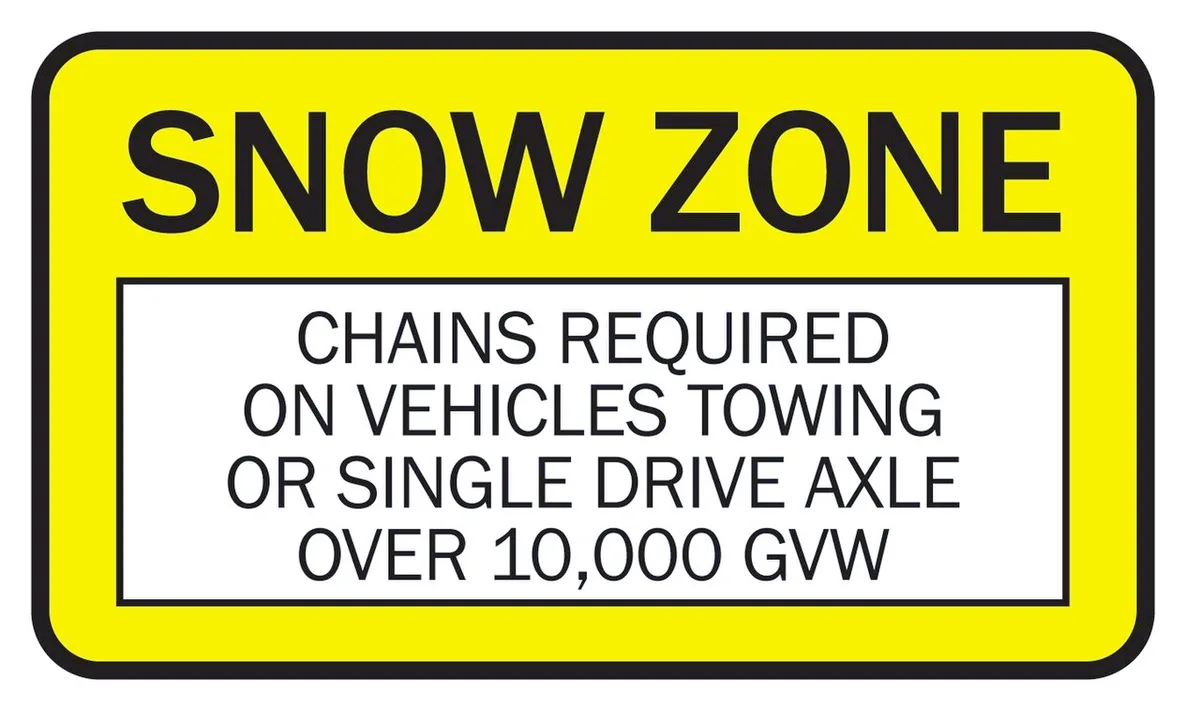
Michigan’s weight limits are non-negotiable. Exceed them and you’ll face fines, mandatory offloading, or even a court summons.
Wikimedia Commons / Oregon Department of Transportation (CC BY)
Single Axle: 20,000 lbs max. This applies to any single axle, regardless of spacing.
Tandem Axle Group: 34,000 lbs max. The distance between axles must be at least 8 feet but no more than 10 feet for this limit to apply.
Tridem Axle Group: 42,000 lbs max. Requires specific spacing, typically 9, 12 feet between the first and last axle.
Gross Vehicle Weight: 80,000 lbs max on most highways. Some roads have lower limits, especially bridges and rural routes.
The Federal Bridge Formula also applies. It calculates the maximum weight based on axle spacing to prevent bridge damage.
Seasonal Thaw Restrictions (Spring Weight Limits)
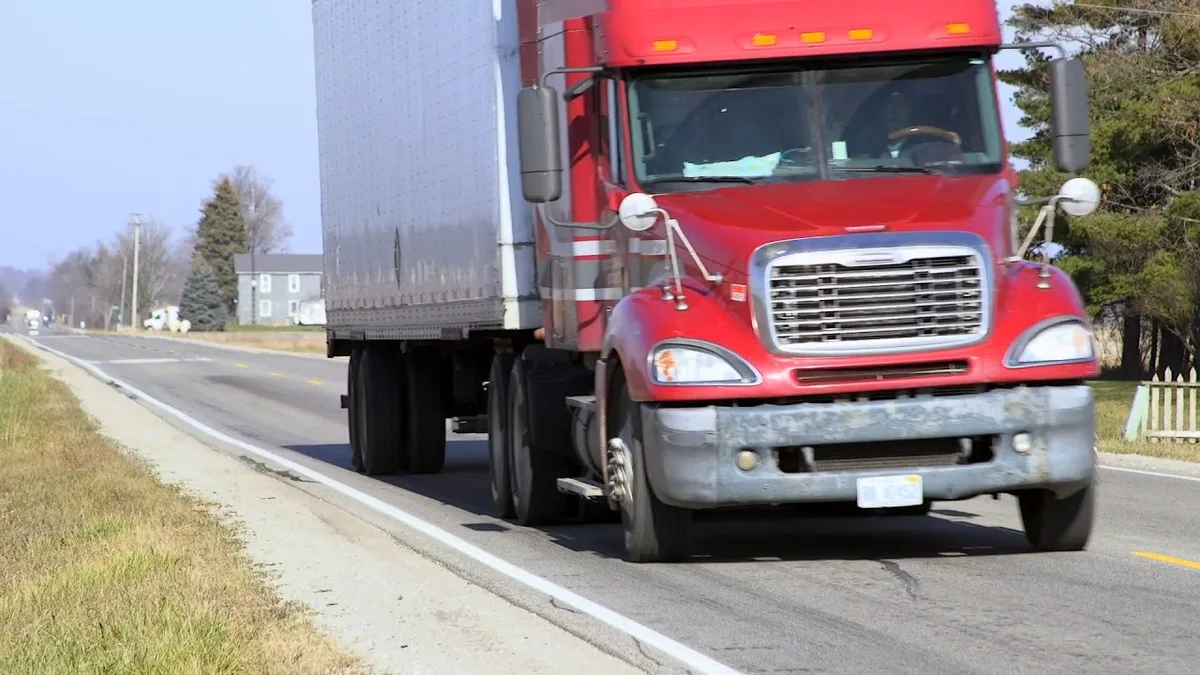
From late winter to early spring, Michigan imposes reduced weight limits to protect roads during thaw. These restrictions typically run from March to May, but exact dates vary by county and weather conditions.
During thaw, single-axle limits may drop to 16,000 lbs, and tandem-axle limits to 28,000 lbs. Gross weight limits can fall to 60,000, 70,000 lbs on affected routes.
YouTube / County Road Association of Michigan (YouTube thumbnail (fair-use with source credit))
Counties post signs when restrictions are active. Always check local notices, as enforcement is strict.
Step-by-Step: How to Register a Commercial Vehicle in Michigan
Start by determining your vehicle’s class and intended use. This dictates the forms, fees, and permits you’ll need.

YouTube / The Hartford (YouTube thumbnail (fair-use with source credit))
Step 1: Gather Documents
You’ll need:
- Vehicle title or manufacturer’s certificate of origin
- Proof of insurance (minimum liability coverage)
- Vehicle Identification Number (VIN)
- USDOT number (if applicable)
- MC number (if transporting regulated commodities)
Step 2: Determine Registration Type
- Non-Apportioned: For vehicles operating only in Michigan.
- Apportioned (IRP): For vehicles traveling interstate. Fees are prorated based on the percentage of miles driven in each jurisdiction.
- Fleet Registration: For companies with multiple vehicles. Simplifies renewal and management.
Step 3: Calculate Fees
Fees vary by weight class and registration type. As of 2026, a typical Class A vehicle costs around $100, $300 for annual registration. Apportioned fees depend on your fleet’s travel patterns.
Step 4: Submit Your Application
You can register:
- Online via the Michigan SOS website
- In person at a Secretary of State branch
- By mail (for some registration types)
Processing times vary. Online submissions are fastest, often completed within a few business days.
Step 5: Receive Your Plates and Cab Card
Once approved, you’ll get your license plates and a cab card. The cab card lists your vehicle’s registration details and must be carried in the vehicle at all times.
Permits: When and How to Get Them
Not all commercial vehicles need special permits, but you will if you exceed standard weight or size limits.
Overweight Permits
Required if your vehicle or load exceeds legal weight limits. Michigan offers:
- Single-trip permits for one-time hauls
- Annual permits for frequent overweight travel
Fees depend on the excess weight and distance traveled. As of 2026, a single-trip overweight permit starts around $15, with additional charges per mile or per ton over the limit.
Oversize Permits
Needed if your vehicle or load exceeds:
- Width: 8.5 feet
- Height: 13.5 feet
- Length: 75 feet (for tractor-trailers)
Oversize permits often require route approval and may include restrictions like travel times or escort vehicles. Apply through the Michigan Truck Permit System (MTPS).
Temporary Trip Permits
For vehicles not yet registered in Michigan but operating temporarily in the state. Valid for up to 72 hours, these permits allow you to move a vehicle legally while completing registration.
Always carry your permit in the vehicle. Enforcement officers will ask for it, and failing to produce it can result in fines or delays.
Costs & Fees (Registration, Permits, and Penalties)
Registration fees scale with weight and vehicle type. A Class A tractor-trailer typically costs $100 to $300 annually in Michigan. Lighter commercial vehicles may pay less.
Permit fees add up fast. A single-trip overweight permit starts around $15, with extra charges per mile or ton over the limit. Annual permits for frequent haulers can run several hundred dollars depending on routes and load types.
Penalties for non-compliance are steep. Overweight violations can trigger fines from $100 to $5,000 per axle. Operating without proper registration or permits may result in out-of-service orders until you resolve the issue.
Common Mistakes That Trigger Fines or Delays
Assuming your vehicle doesn’t need commercial registration is a costly error. Even a pickup truck towing a heavy trailer can cross the 10,000 lb GVWR threshold.
Ignoring seasonal weight restrictions is another frequent misstep. Many operators get caught during spring thaw when limits drop. Always check county postings before hauling heavy loads in early spring.
Failing to carry proper documentation is a sure way to get pulled over. You must have your cab card, registration, insurance proof, and any permits visible in the vehicle. Digital copies aren’t always accepted.
Michigan-Specific Rules You Won’t Find Elsewhere
Michigan has unique local restrictions that don’t appear in federal guidelines. Some rural roads have lower weight limits than state highways, even outside thaw season.
County-specific rules can vary significantly. For example, certain northern Michigan counties enforce stricter limits on secondary roads to protect infrastructure. Always verify local ordinances before planning routes.
Border crossings add another layer. Vehicles entering Michigan from Canada must comply with both U.S. and Michigan regulations. The Detroit-Windsor tunnel and Blue Water Bridge have specific commercial vehicle requirements.
CDL, USDOT, and Other Compliance Requirements
A Commercial Driver’s License is mandatory for operating vehicles over 26,001 lbs or transporting hazardous materials. Michigan follows federal CDL standards but adds state-specific endorsements.
USDOT numbers are required for all commercial vehicles operating interstate. Even intrastate carriers transporting hazardous materials or passengers must register. The FMCSA provides the application process.
MC numbers are needed for carriers transporting regulated commodities for hire. This includes most freight haulers. Both USDOT and MC numbers must be displayed on your vehicle.
What Happens If You Get Pulled Over?
Weigh station inspections are routine for commercial vehicles. Officers check registration, permits, weight compliance, and safety equipment. Be prepared to present all documentation immediately.
If you’re found overweight, you may be ordered to offload excess cargo on the spot. This can mean costly delays and additional handling fees. In severe cases, your vehicle may be placed out of service until the issue is resolved.
Fines for violations are assessed per axle or per violation. Repeat offenses can lead to higher penalties and potential suspension of operating privileges.
Quick Decision Guide: What Do You Need to Do Next?
If your vehicle weighs under 10,000 lbs and isn’t used for business, standard registration may suffice. Check with the Michigan SOS to confirm.
For vehicles over 10,000 lbs or used commercially, you’ll need commercial plates. Start by gathering your VIN, title, and proof of insurance.
If you’re hauling interstate, register for IRP and IFTA. These programs streamline compliance across multiple states.
Frequently Asked Questions
Do I need a CDL for a vehicle under 26,001 lbs?
No, unless you’re transporting 16+ passengers or hazardous materials. A standard license is sufficient for lighter commercial vehicles.
How do I check if my route has weight restrictions?
Use the Michigan Truck Permit System or contact the county road commission. Seasonal restrictions are posted at weigh stations and online.
What’s the fine for an overweight violation?
Fines start at $100 per axle and can reach $5,000 for severe violations. You may also face offloading costs and delays.
Can I get a temporary permit for a one-time haul?
Yes. Single-trip permits are available for overweight or oversize loads. Apply through the MTPS before your trip.
How often do I need to renew my commercial registration?
Most commercial registrations are annual. IRP and IFTA require quarterly reporting, with annual renewals.