ByMax Lee
Michigan Horse & Carriage Road Sharing Rules
Michigan horse drawn vehicle and animal rider highway sharing rules exist to keep everyone safe when slow-moving transport meets faster traffic. These laws balance tradition with modern road use, ensuring buggies, carriages, and riders can share highways without causing hazards.
As of 2026, Michigan’s Vehicle Code requires animal-drawn vehicles to display a Slow-Moving Vehicle emblem and proper lighting at night. Understanding these rules prevents accidents and legal trouble.
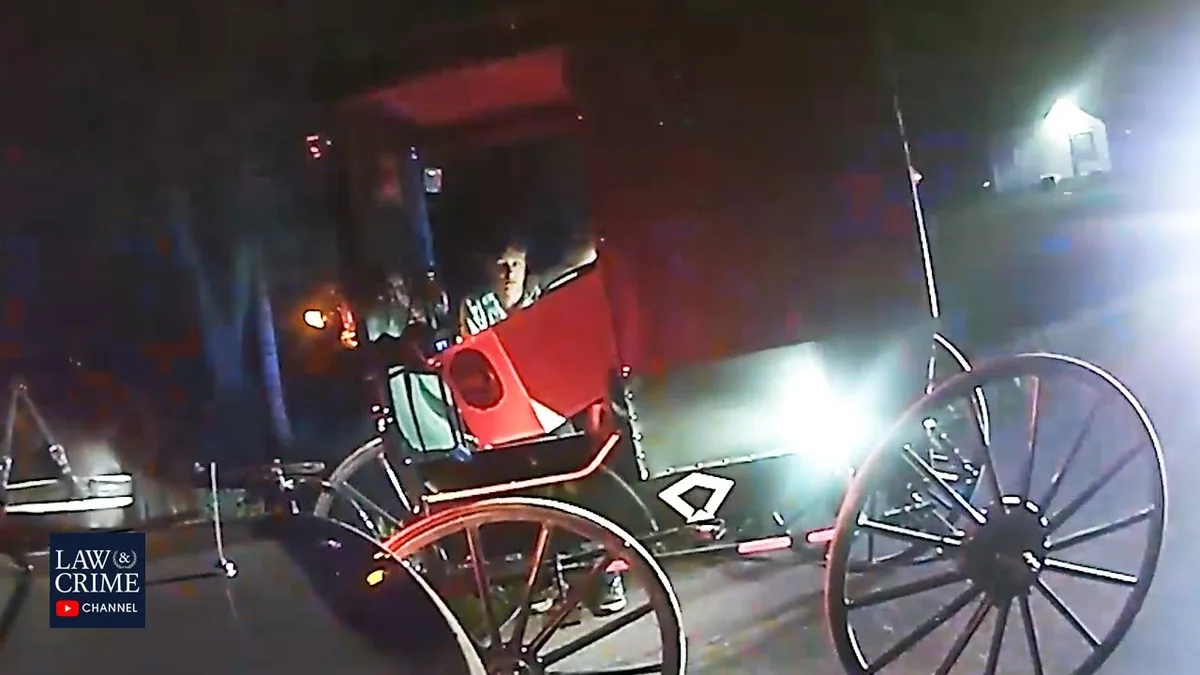
YouTube / Law&Crime Network (YouTube thumbnail (fair-use with source credit))
Quick Answer
Michigan horse drawn vehicle and animal rider highway sharing rules require SMV emblems and lighting. Animal-drawn vehicles must yield to faster traffic where applicable. Riders and drivers must follow the same road rules as motorists.
Speed limits for these vehicles typically cap at 25 mph.
What Michigan’s Horse-Drawn Vehicle and Animal Rider Laws Actually Mean
The statutes treat animal-drawn transport as a legal vehicle class. That means buggies and riders carry the same roadway standing as a sedan or truck.
You don’t get a free pass because you’re moving slowly. You get specific duties, like showing the SMV emblem and yielding when safe.
Why Accuracy Matters
Wrong advice here can get someone hurt or fined. A missing reflector isn’t a technicality, it’s a crash risk at 55 mph.
Our research shows most crashes involving buggies stem from visibility gaps. Getting the law right keeps horses, riders, and drivers alive.
The Core Michigan Laws You Need to Know
Michigan’s Vehicle Code (MCL 257.605, 257.612, 257.658) governs animal-drawn vehicles and riders. These statutes cover everything from right-of-way to equipment requirements.
The Michigan State Police enforce these rules, and violations can result in fines. Local ordinances may add extra restrictions, so always check municipal codes.
Right-of-Way and Road Access Rules
Animal-drawn vehicles must yield to faster traffic when it’s safe to do so. They’re allowed on most public roads but may be restricted from highways with speed limits over 55 mph.
Riders and drivers must signal turns and stops clearly. Hand signals work, but some communities use additional markers for better visibility.
Speed Limits and Traffic Flow
Horse-drawn vehicles typically can’t exceed 25 mph. If they’re moving slower than the posted limit, they must stay as far right as possible.
Motorists must pass with caution, giving at least 3 feet of clearance. This rule mirrors Michigan’s safe-passing standard for bicyclists on public highways.
Lighting and Visibility Requirements
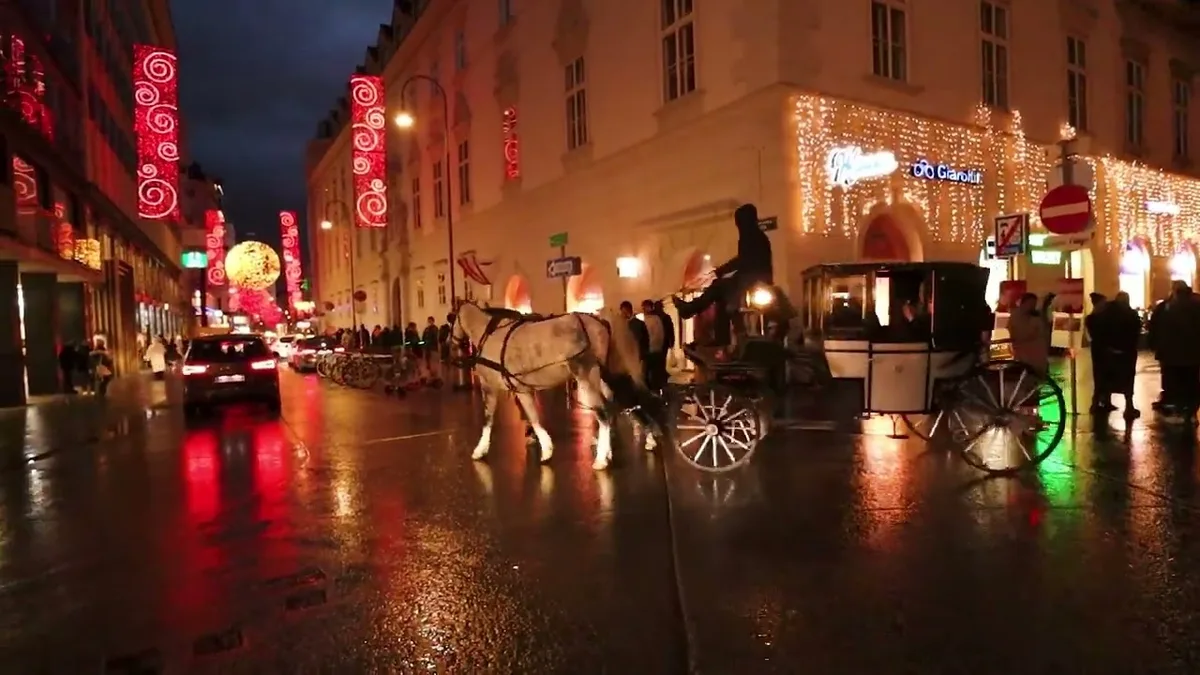
At night, animal-drawn vehicles need a white light visible from 500 feet in front and a red light or reflector visible from 500 feet behind. The Slow-Moving Vehicle (SMV) emblem, a bright orange triangle, must be displayed on the rear.
These requirements ensure visibility in low-light conditions. Without them, vehicles become nearly invisible to motorists.
YouTube / Travelling Buds (YouTube thumbnail (fair-use with source credit))
Who These Rules Apply To (And Who They Don’t)
The laws cover anyone operating a horse-drawn vehicle or riding an animal on public roads. This includes Amish buggies, tourist carriages, and equestrian riders.
They don’t apply to private property or designated off-road trails. However, if a trail crosses a public road, the rules kick in at the intersection.
Required Safety Gear for Horse-Drawn Vehicles and Riders
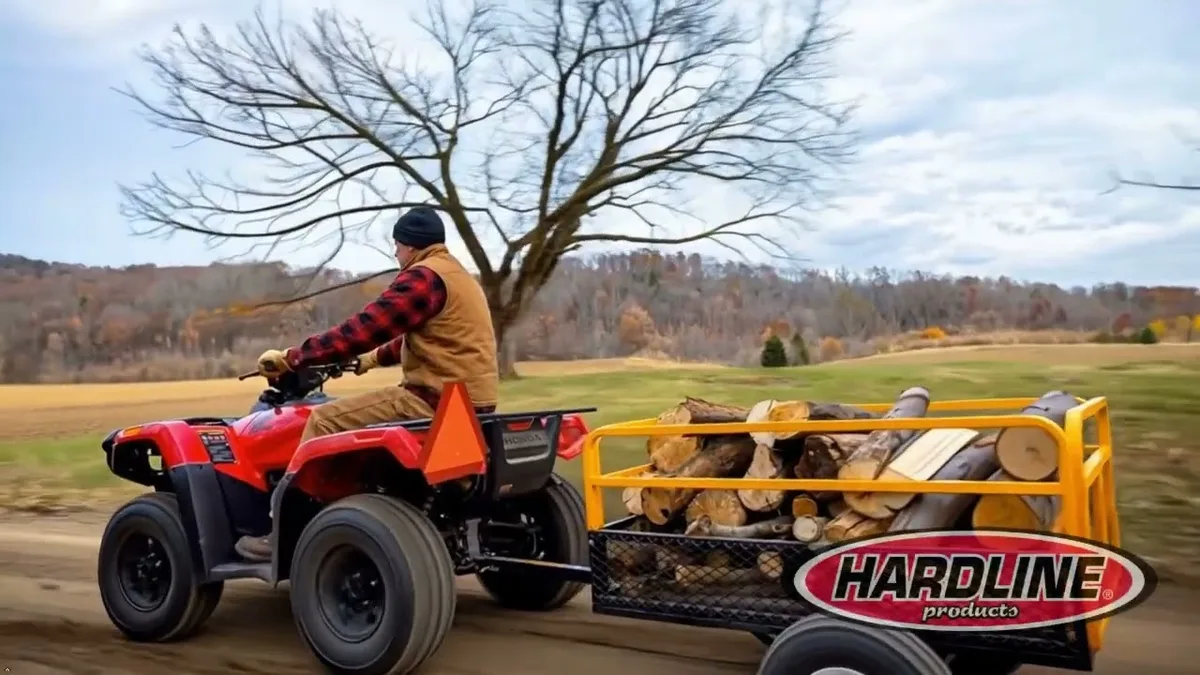
Every animal-drawn vehicle must have an SMV emblem. This bright orange triangle warns motorists of slow-moving traffic ahead.
At night, reflectors and lamps are mandatory. Riders should also wear reflective gear for added visibility.
YouTube / Hardline Products® (YouTube thumbnail (fair-use with source credit))
For more on slow-moving vehicle regulations, the Michigan Department of Transportation (MDOT) provides official guidance.
Where You Can (and Can’t) Legally Drive or Ride
Animal-drawn vehicles are generally allowed on most public roads in Michigan. However, they’re often prohibited on limited-access highways like interstates.
Local governments can impose additional restrictions. Some towns require permits for commercial horse-drawn vehicles, like tourist carriages.
Rural roads are the most accommodating for these vehicles. In areas with heavy Amish populations, like Branch or Hillsdale County, you’ll see buggies sharing the road daily.
Local Exceptions: When City or County Rules Override State Law
While Michigan’s state laws provide a baseline, local ordinances can add layers of regulation. Some cities ban horse-drawn carriages from busy downtown streets during peak hours.
Mackinac Island has unique rules since horse-drawn vehicles are the primary mode of transportation there. Commercial operators must follow designated routes and speed limits.
If you’re unsure about local rules, contact the city clerk’s office or county road commission. They can clarify any additional requirements beyond the state’s laws.
Common Mistakes That Get People in Trouble
One of the most frequent violations is failing to display the SMV emblem. Without it, motorists may not recognize the vehicle as slow-moving until it’s too late.
Another common issue is inadequate lighting at night. Reflectors alone aren’t enough, active lights are required for visibility in dark conditions.
Improper signaling is also a problem. Riders and drivers must use clear hand signals for turns and stops, just like motorists.
Some operators assume they have the right-of-way in all situations. Michigan law requires animal-drawn vehicles to yield to faster traffic when it’s safe to do so.
What Happens If You Break the Rules?
Violations of Michigan’s animal-drawn vehicle laws can lead to fines. The exact amount depends on the infraction, but it’s typically a civil infraction with a monetary penalty.
In cases where an accident occurs due to non-compliance, the operator could be held liable for damages. This includes injuries to people or animals, as well as property damage.
Law enforcement may also impound the vehicle if it’s deemed unsafe. A buggy without proper lighting or reflectors could be taken off the road until it’s brought into compliance.
Repeated violations can lead to more severe penalties, including the suspension of the operator’s privilege to use animal-drawn vehicles on public roads. It’s about ensuring safety for everyone.
Real-World Scenarios: How These Laws Play Out on the Road
In rural Michigan, it’s common to see Amish buggies traveling alongside cars. Motorists are expected to slow down and pass carefully, giving at least 3 feet of clearance.
Tourist areas like Mackinac Island rely heavily on horse-drawn carriages. Here, the rules are strictly enforced to prevent accidents in crowded streets.
Bing (Web (fair-use with source credit))
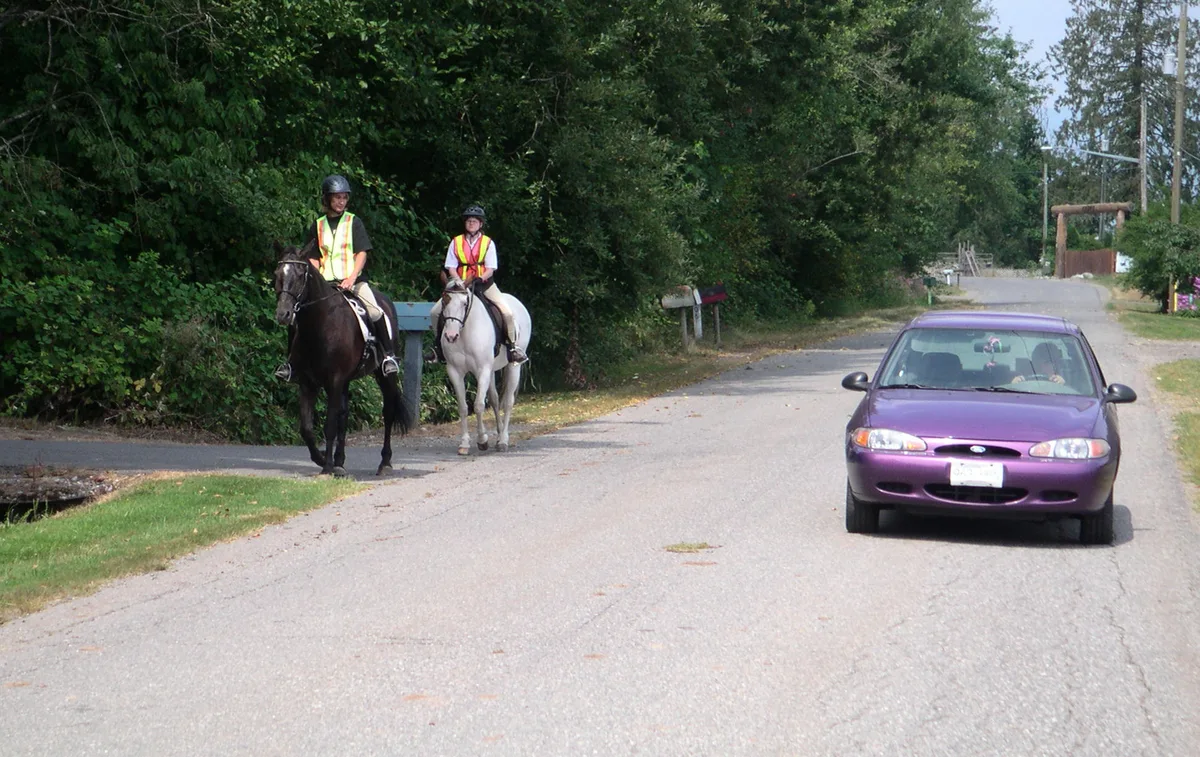
Equestrian riders often share roads with vehicles in less populated areas. They’re required to follow the same traffic laws as drivers, including signaling turns and stopping at stop signs.
Farmers moving equipment between fields must comply too. Even short trips on public roads require proper lighting and SMV emblems.
Frequently Asked Questions
Do I need a license to drive a horse-drawn vehicle in Michigan?
No, Michigan doesn’t require a special license for operating a horse-drawn vehicle. However, you must follow all traffic laws and equipment requirements, including the SMV emblem and night lighting.
Can I ride a horse on the highway in Michigan?
Yes, but with restrictions. Horses and riders must follow the same road rules as vehicles, including right-of-way and signaling. They’re typically not allowed on limited-access highways like interstates.
What’s the fine for not having an SMV emblem?
The fine varies by jurisdiction, but it’s usually a civil infraction with a monetary penalty. More importantly, missing the emblem increases the risk of accidents, as motorists may not recognize your vehicle as slow-moving.
Are there special rules for Mackinac Island?
Yes. Mackinac Island has unique regulations since horse-drawn vehicles are the primary mode of transportation. Carriage operators must follow designated routes and speed limits, and commercial operators may need permits.
Can local governments ban horse-drawn vehicles?
They can impose restrictions, such as banning them from certain roads or requiring permits. However, they can’t outright ban them from all public roads, as state law allows their use.
What should I do if I see an animal-drawn vehicle on the road?
Slow down and pass with caution, giving at least 3 feet of clearance. Be patient and avoid honking, as this can spook the animals. Always check for oncoming traffic before passing.
Do I need insurance for a horse-drawn vehicle?
No state law requires it, but liability coverage is wise. Accidents can still happen, and you could be held responsible for damages.
Can I drive a buggy at night without lights?
No. Michigan law requires white front lighting and red rear lighting after dark. Reflectors alone don't meet the legal standard.
What's the maximum speed for a horse-drawn vehicle?
There's no set speed limit, but they must travel at a reasonable pace. Typically, this means under 25 mph to avoid impeding traffic.
Are children allowed to operate horse-drawn vehicles?
Michigan doesn't set a minimum age, but operators must be capable of controlling the animal and vehicle safely. Local rules may vary.
What should I do if my horse gets spooked by traffic?
Pull over safely and calm the animal. Never try to outrun traffic or make sudden movements that could cause an accident.
Final Checklist: Staying Legal and Safe on Michigan Roads
Display the orange SMV emblem at all times. Check it before every trip on a public road.
Use active lights at night. White front, red rear, and nothing less than what state law requires.
Yield to faster traffic when safe. Stay right, signal clearly, and keep your animal under control.
Call your county road commission if you're unsure about local rules. A five minute phone call beats a citation.
Wear reflective gear if you're riding a horse on the road. It helps drivers see you at dawn, dusk, or after dark.
Keep your harness and tack in good shape. Broken equipment can cause an accident that lands you in trouble fast.