Drive-through car washes save time but only if you use them right. Learning how to use a drive through car wash means knowing the prep steps, the process, and what to avoid so you don’t end up with scratches or missed spots.
Most tunnels handle a wash in under 10 minutes, and manufacturer specs confirm they’re safe for standard vehicles under 8 feet tall. Here’s how to do it without the guesswork.
Quick Answer
How to use a drive through car wash starts with prep. Pull up to the entrance and select your wash. Stay in neutral with your foot off the brake.
Keep hands off the wheel and let the conveyor do the work. Exit when the light turns green.
How Drive-Through Car Washes Actually Work
These systems use a conveyor belt to pull your car through a series of arches. First comes the pre-soak to loosen dirt. Then high-pressure nozzles blast away grime.
Soft-cloth or brush systems scrub the surface, followed by a rinse and dry cycle.
The whole process is automated, so your only job is to stay in the lane and follow the instructions. Aggregate reviews report the average tunnel uses about 30 to 70 gallons of water, far less than a home wash.
Touchless vs. Soft-Cloth vs. Brush: Which Type Should You Pick?
| Type | How It Works | Best For | Watch Out For |
|---|---|---|---|
| Touchless | High-pressure jets only | Delicate paint, wraps | May miss baked-on dirt |
| Soft-Cloth | Microfiber or foam brushes | Deep clean, most vehicles | Can trap grit if not maintained |
| Brush | Stiffer bristles | Heavy dirt, fleet vehicles | Higher scratch risk |
Touchless systems are the safest for custom paint jobs or vinyl wraps. Soft-cloth washes balance cleanliness and care. Brush systems tackle tougher grime but require well-maintained equipment.
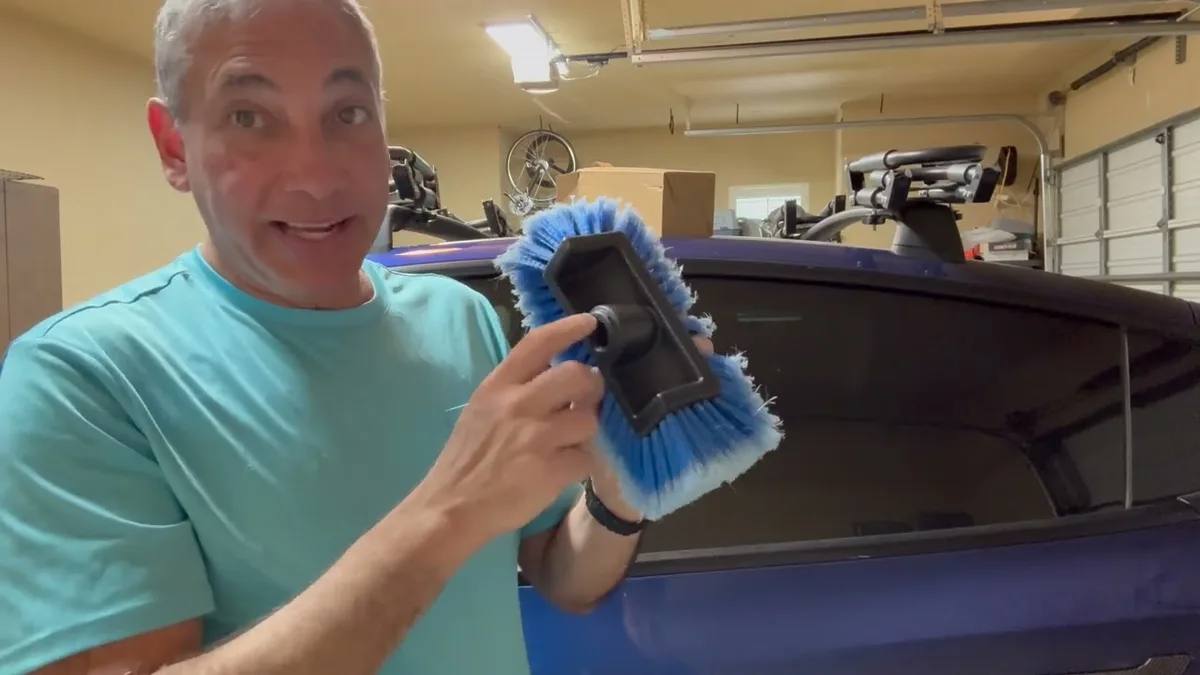
Per International Carwash Association standards, soft-cloth is the most common in modern tunnels.
What to Do Before You Even Pull In
Check your vehicle’s height and width against the wash’s limits, usually posted at the entrance. Most tunnels cap at 6’6” to 8’ tall and 8’ wide.
Remove or secure loose items like bike racks, magnetic signs, or antennae. Fold in your side mirrors if they’re extendable. Close all windows, sunroofs, and convertible tops.
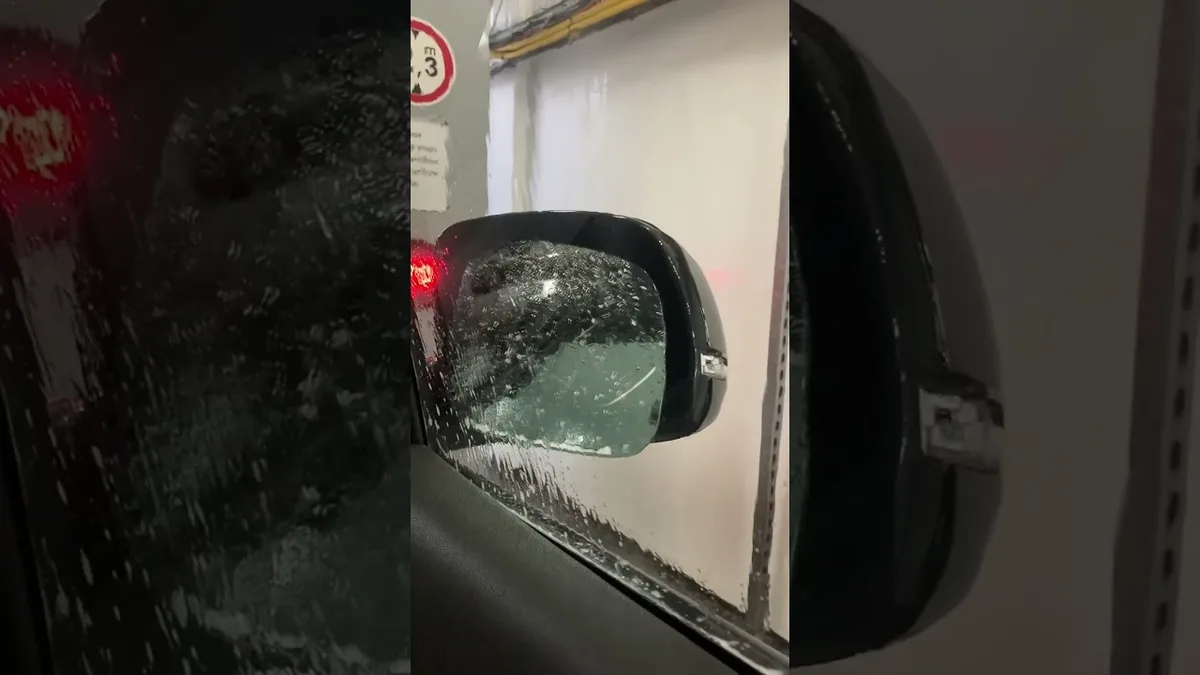
If you’ve added aftermarket parts, verify they’re wash-safe. Manufacturer specs confirm that some roof racks or spoilers can be damaged by high-pressure jets.
Step-by-Step: The Full Drive-Through Car Wash Process
Pull up to the entrance and stop at the payment terminal. Select your wash package, basic, standard, or premium, and pay with cash, card, or a membership card.
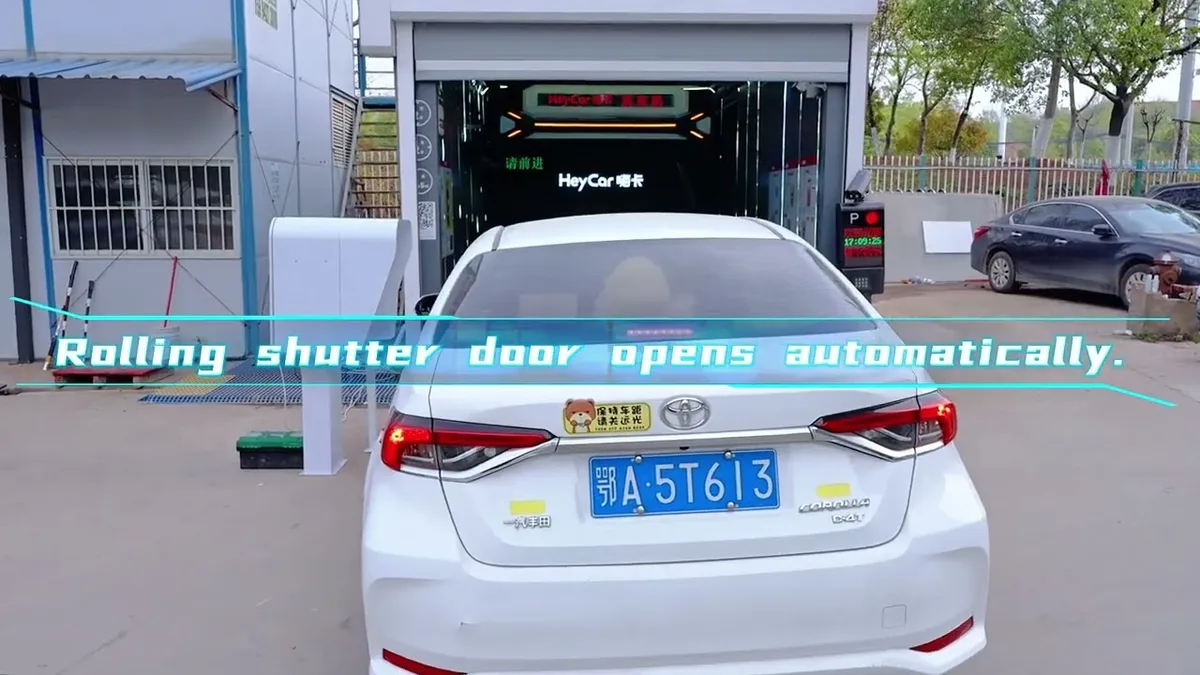
When the light turns green, drive forward slowly until the conveyor engages your front tires. Shift to neutral if you have an automatic transmission. Keep your hands off the wheel and your foot off the pedals.
The arches will pass over your car in sequence: pre-soak, wash, rinse, and dry. Stay in the car unless staff instruct you otherwise. Exit when the light turns green and the conveyor stops.
Common Mistakes That Ruin Your Paint (or Your Day)
Leaving your windows down lets water and soap spray inside. This can damage upholstery or electronics.
Keeping your foot on the brake can strain the conveyor system. It may also cause uneven movement through the tunnel.
Using a brush wash on a matte or vinyl-wrapped car can leave swirl marks. Touchless or soft-cloth systems are safer for these finishes.
Ignoring height limits risks damage to your vehicle or the wash equipment. Most tunnels post their maximum clearance at the entrance.
Can Your Car Handle a Drive-Through Wash? (Height, Mods, and More)
Standard sedans and SUVs under 8 feet tall fit in most tunnels. Always check the posted limits before entering.
Vehicles with roof racks, spoilers, or lift kits may exceed height restrictions. Remove or lower these accessories if possible.
Convertibles should have their tops up to prevent water damage. Soft-top models are especially vulnerable.
Aftermarket modifications like wide body kits may not fit through the tunnel width. Measure your vehicle’s widest point before attempting a wash.
Memberships, Pricing, and Whether Unlimited Washes Are Worth It
Basic washes typically cost $10 to $15. Premium packages with wax or sealant can run $20 to $25.
Unlimited memberships average $20 to $50 per month. These are cost-effective if you wash your car more than twice a month.
Some locations offer discounts for fleet vehicles or ride-share drivers. Check with the car wash operator for special rates.
Memberships often include perks like free vacuums or discounts on add-ons. Compare the benefits against your needs.
How Often Should You Really Use an Automatic Car Wash?
Washing every two weeks prevents dirt buildup that can damage paint. This frequency is ideal for most climates.
In winter, weekly washes help remove road salt that causes rust. More frequent cleaning is especially important in snowy regions.
In dry, dusty areas, you may need to wash more often to prevent scratches from abrasive particles. Monitor your car’s condition and adjust as needed.
For vehicles with ceramic coatings, less frequent washes may be sufficient. These coatings repel dirt and make cleaning easier.
Pro Tips for a Spotless, Damage-Free Wash Every Time
Choose a wash with well-maintained equipment. Dirty brushes or clogged nozzles can scratch your car.
Opt for a pre-soak if your car is particularly dirty. This step helps loosen grime before the main wash.
Use a spot-free rinse option to prevent water spots. This is especially useful in areas with hard water.
After the wash, check for missed spots and touch up with a microfiber towel if needed. Pay special attention to wheel wells and mirrors.
Avoid washing in direct sunlight. The heat can cause water to dry too quickly, leaving streaks.
Safety Rules You Should Never Ignore
Never exit your vehicle during the wash unless directed by staff. The moving equipment creates serious hazards.
Turn off cruise control and lane-keeping assist before entering. These systems can interfere with the conveyor’s movement.
Keep children and pets secured. Sudden noises and water pressure can startle them.
Disable automatic windshield wipers. The wash’s high-pressure jets can damage the mechanism if it activates.
Frequently Asked Questions
Do automatic car washes damage paint?
They can if the brushes are dirty or the equipment isn’t maintained. Soft-cloth and touchless systems are gentler on paint.
Can you go through a car wash with a roof rack?
It depends on the rack and the wash’s height limit. Remove the rack if it exceeds the posted clearance.
How do you dry your car after an automatic wash?
Use the built-in blowers if available. For stubborn water spots, a microfiber towel works best.
Are car wash memberships worth it?
If you wash your car more than twice a month, a membership usually pays for itself. Compare the cost against your usage.
What’s the best wash type for a new car?
Soft-cloth or touchless washes are safest for new paint. Avoid brush systems until the clear coat fully cures.
How often should you wash your car in winter?
Weekly washes help remove road salt that causes rust. More frequent cleaning is especially important in snowy climates.