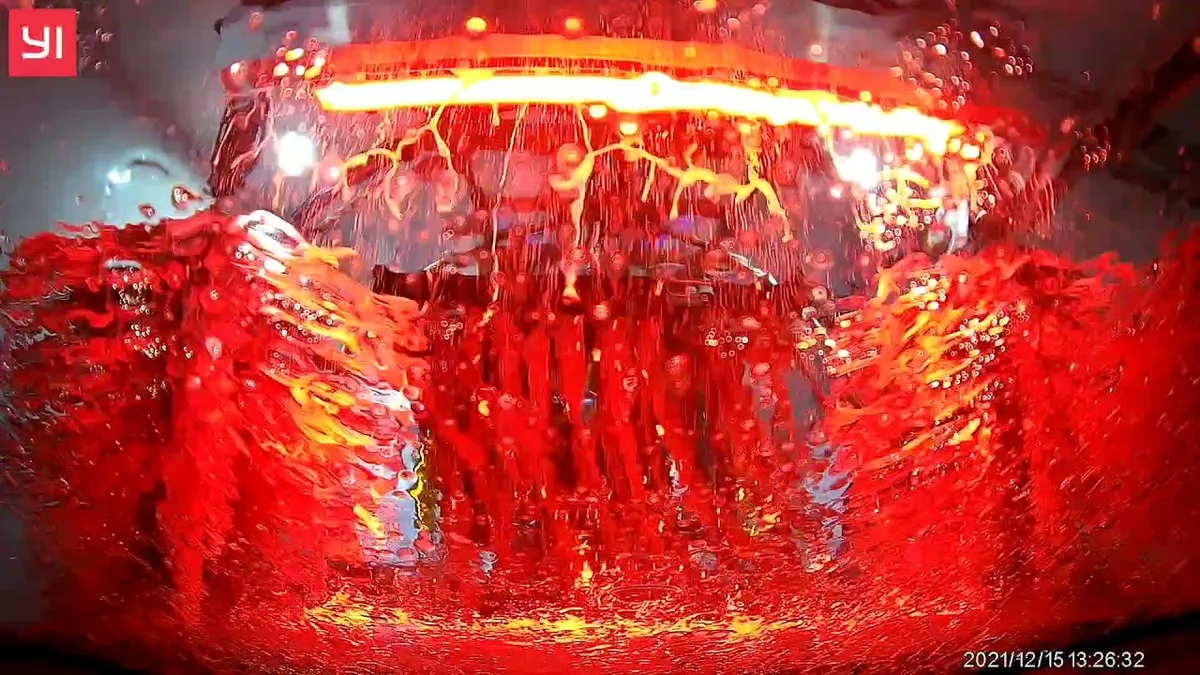
Driving through a car wash seems simple until you’re stuck on the conveyor or hear that dreaded scrape of a brush against your paint. Knowing how to drive through car wash properly prevents damage, saves time, and keeps your car looking sharp.
Most automatic washes use 800, 1,200 PSI water jets and rotating brushes, so a little prep goes a long way. Here’s what you need to do before, during, and after.
Quick Answer
How to drive through car wash starts with prep. Remove loose items like antennas or roof racks. Follow the attendant’s signals.
Stay in neutral on conveyors. Keep hands off the wheel. Check for damage after.
How Automatic Car Washes Work (And Why It Matters)
Automatic car washes use high-pressure water, detergents, and mechanical brushes or cloth strips to clean your vehicle. The process follows a sequence: pre-soak, main wash, rinse, and dry. Conveyor systems move your car through each stage, while in-bay automatics keep your car stationary while equipment moves around it.
Manufacturer specs confirm that touchless systems use only water and chemicals. Soft-cloth and brush washes add physical contact. As of 2026, most modern washes include sensors to align equipment with your vehicle’s dimensions.
Understanding the mechanics helps you anticipate issues. For example, low ground clearance can cause conveyor rollers to struggle with tire grip.
Types of Car Washes: Which One Are You Using?
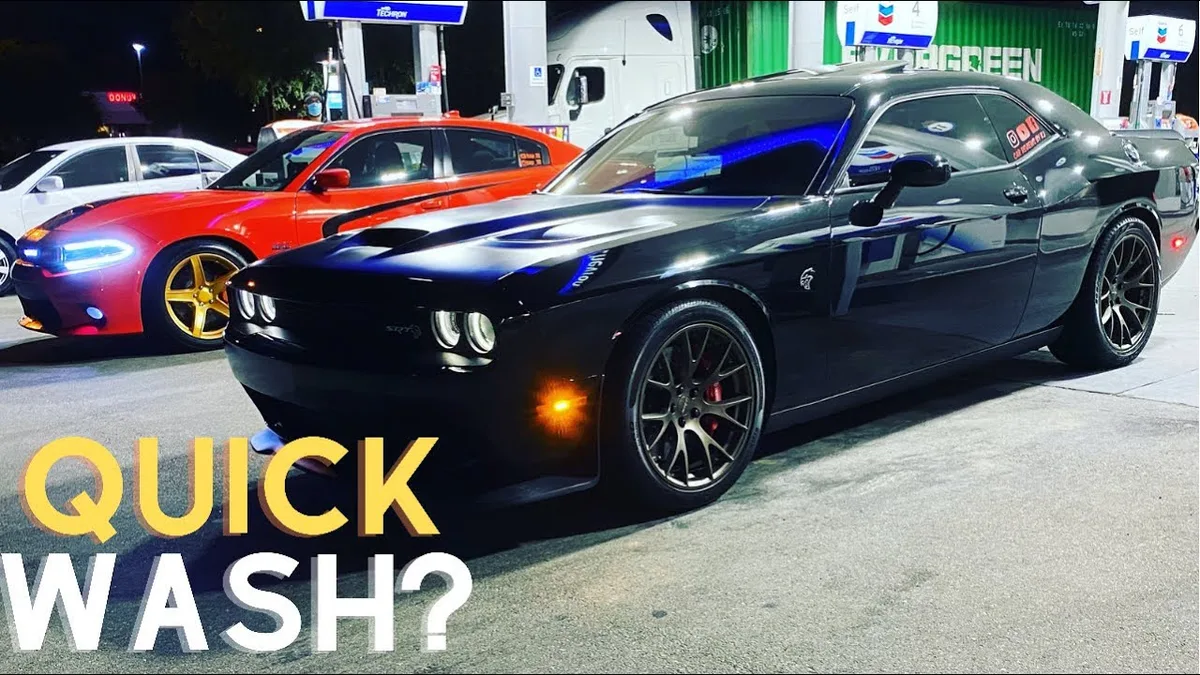
Not all car washes are the same. The type you choose affects cleaning power, safety for your paint, and cost.
Touchless car washes use high-pressure water jets and chemicals to clean without physical contact. They’re gentler on paint but may not remove caked-on dirt as effectively. These are ideal for vehicles with delicate finishes.
Soft-cloth car washes use microfiber or foam strips to scrub the surface. They provide a deeper clean but carry a slight risk of scratches if the cloth isn’t maintained.
Brush car washes use rotating bristle brushes. They’re the most aggressive and can leave swirl marks, especially on older equipment. These are best for heavily soiled vehicles where paint protection isn’t a priority.
Self-service car washes give you control over the process. You handle the pressure washer and brushes yourself, which is great for spot cleaning but requires more effort.
Step-by-Step: How to Drive Through a Car Wash Without Issues
Before You Enter
Preparation prevents 90% of car wash problems. Remove anything that could get caught or damaged: loose antennas, roof racks, and magnetic signs. Fold in your side mirrors if they extend beyond your car’s width.
Check your sunroof and windows to ensure they’re fully closed. Even a slight gap can let water in. If your car has a convertible top, confirm it’s securely fastened.
While Inside the Wash
Follow the attendant’s instructions or the on-screen prompts. For conveyor washes, shift into neutral and take your foot off the brake. Keep your hands off the steering wheel unless you need to correct alignment.
If your car has a manual transmission, stay in neutral with the parking brake off. Automatic transmissions should also be in neutral. Avoid braking unless it’s an emergency.
Watch for alignment guides, usually marked by lights or lasers. If your car isn’t centered, the brushes or jets might miss spots or hit your vehicle at an angle.
After the Wash
Exit carefully and check for missed spots, especially around the wheels and undercarriage. If the wash included a wax or sealant, avoid washing your car again for at least 48 hours to let it cure.
Inspect your car for damage. Look for scratches, loose trim, or misaligned parts. Document any issues immediately and notify the car wash staff.
What to Check on Your Car First (Avoid Costly Mistakes)
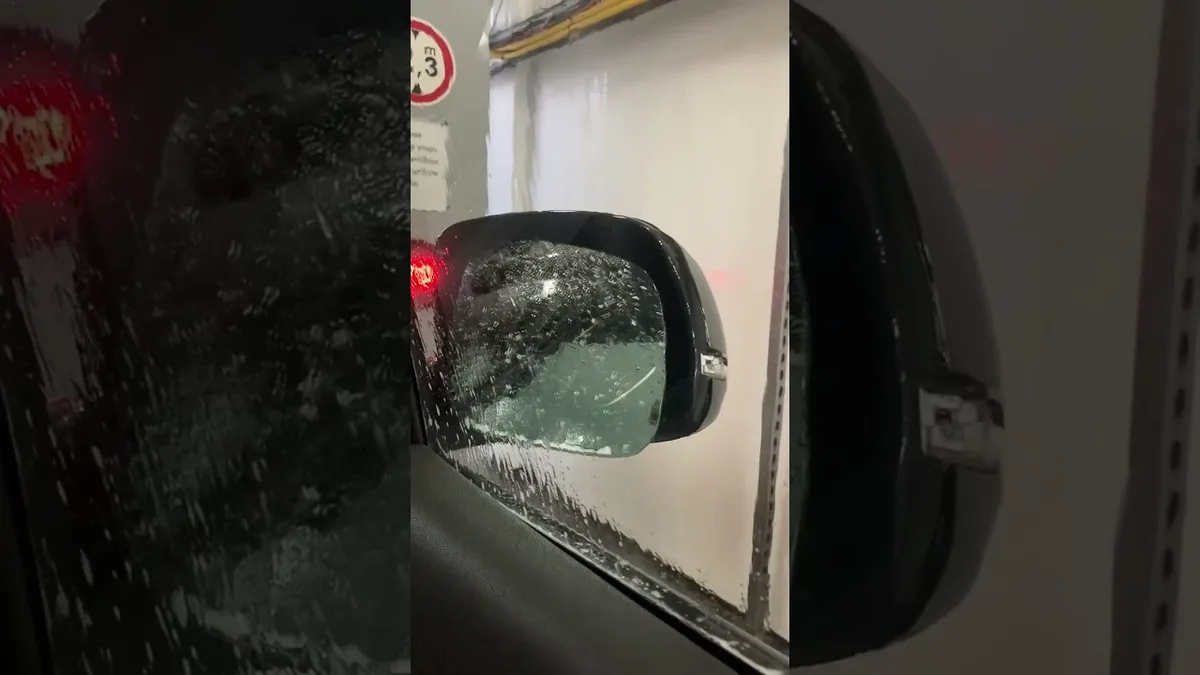
Skipping prep is the fastest way to regret a car wash. Remove or secure anything that sticks out: bike racks, cargo carriers, or custom spoilers. Even a loose antenna can get snagged in the brushes.
Check your tires. Underinflated tires can cause poor alignment on the conveyor, leading to uneven cleaning or getting stuck. Manufacturer specs typically recommend checking tire pressure before entering any automated system.
Inside the car, ensure all windows, sunroofs, and vents are closed. High-pressure jets can force water into the smallest gaps. If your car has a hood scoop or aftermarket intakes, cover them if possible.
Common Car Wash Problems and How to Prevent Them
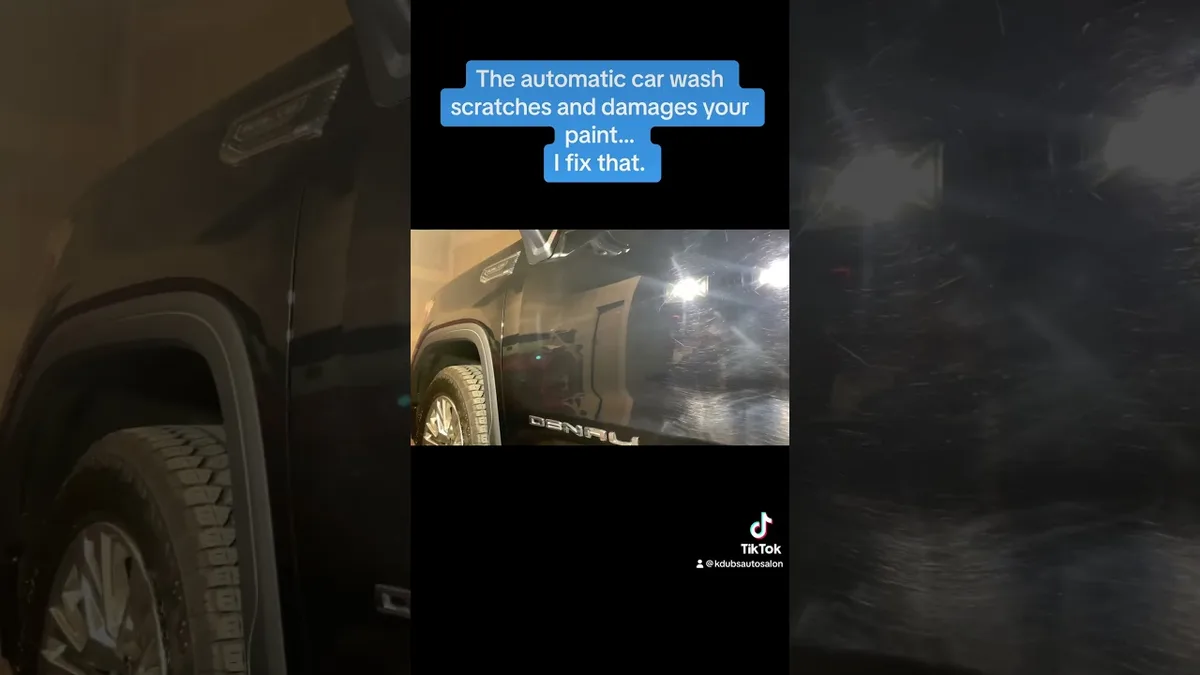
Swirl marks and scratches are the most common complaints. Brush car washes are the usual culprits, especially if the bristles are worn or dirty. Soft-cloth systems reduce this risk but aren’t immune.
Water spots are another frequent issue. They occur when the drying phase doesn’t fully remove moisture, leaving minerals behind. Touchless washes with weak blowers often struggle here.
Getting stuck on the conveyor is less common but still happens. Low tire pressure or misaligned wheels can cause the rollers to lose grip. If this occurs, stay calm and follow the attendant’s instructions to power down the system.
Touchless vs. Brush vs. Soft-Cloth: Which Is Safest for Your Car?
Touchless washes win for paint protection. They use high-pressure water and chemicals only, so there’s zero physical contact. This makes them ideal for luxury cars, classic vehicles, or any ride with a delicate finish.
Brush washes are the most aggressive. They scrub hard but can leave micro-scratches over time. If your car has heavy mud or road grime, this might be the only option that gets it truly clean.
Soft-cloth washes strike a balance. The microfiber or foam strips are gentler than brushes but still provide a thorough clean. Most modern automatic washes use this method.
| Type | Cleaning Power | Paint Safety | Best For |
|---|---|---|---|
| Touchless | Moderate | High | Luxury, new, or delicate paint |
| Soft-Cloth | High | Medium | Daily drivers, balanced clean |
| Brush | Very High | Low | Heavy dirt, older vehicles |
How Often Should You Really Wash Your Car?
Climate and usage dictate the answer. In snowy regions, wash every 1, 2 weeks to remove salt and prevent corrosion. Salt eats through paint and undercarriages faster than most realize.
For dry, dusty areas, a wash every 2, 3 weeks keeps dirt from building up. Pollen-heavy seasons might require more frequent cleaning to avoid staining.
If you drive daily in a city, aim for a wash every 2 weeks. Road grime, bird droppings, and industrial fallout accumulate quickly. For garage-kept cars with low mileage, once a month is usually enough.
Car Wash Add-Ons: What’s Worth It and What’s Not
Underbody washes are worth it in winter. They remove salt and grime from areas you can’t reach with a standard wash. This adds years to your car’s life by preventing rust.
Wax or sealant applications can be hit or miss. If the wash uses a quality product, it adds a layer of protection. If it’s a cheap spray, it might not last more than a week.
Tire shine and interior cleaning are mostly cosmetic. They make your car look good but don’t offer long-term benefits. Skip them if you’re on a budget.
Rain repellent treatments can be useful. They help water bead off your windshield, improving visibility in storms. But they wear off quickly, so don’t expect miracles.
When You Should Never Use an Automatic Car Wash
Convertibles are a no-go unless the wash explicitly states it’s safe. The high-pressure water and brushes can damage the top or even tear it.
Cars with aftermarket body kits or low ground clearance risk getting caught. The conveyor rollers or brushes might not clear the modifications.
Vehicles with loose or damaged trim should stay away. The wash’s equipment can snag and rip off already compromised parts.
Classic or vintage cars often have delicate paint or chrome. The aggressive chemicals and brushes in most automatic washes can strip finishes or cause pitting. Hand washing is the safer choice.
Expert Tips for a Flawless Wash Every Time
Timing matters. Early mornings or weekdays are less crowded, so you’ll get better service and less risk of rushing through the process.
Use the right wash program. If your car is lightly dusty, a basic wash is enough. For heavy grime or winter salt, spring for the premium package with undercarriage cleaning.
Pay attention to the pre-wash rinse. If the jets aren’t hitting your car properly, ask an attendant to reset the sensors. Misalignment early on means a poor clean overall.
Frequently Asked Questions
Can a car wash damage my paint?
Yes, if the equipment isn’t maintained. Brush washes with worn bristles or dirty cloth strips can leave swirl marks. Touchless systems are safer but may not clean as deeply.
Should I wash my car in freezing weather?
Avoid it if possible. Water can freeze on your car or in the wash equipment, causing damage. If you must, choose a wash with heated bays and dryers.
How do I know if my car is too tall for a car wash?
Check the height limit posted at the entrance. Most automatic washes accommodate vehicles up to 6.5, 8 feet tall. If your car has a roof rack or lift kit, measure first.
What should I do if my car gets stuck in the wash?
Stay calm and turn off your engine. Look for an emergency stop button or call the attendant. Never try to force your way out.
Is it safe to go through a car wash with a sunroof?
Yes, as long as it’s fully closed and sealed. Double-check the seal before entering. If your sunroof has a known leak, skip the automatic wash.
How much does a car wash cost?
Basic washes start around $8. Premium packages with wax and undercarriage cleaning can run $20, $25. Subscription plans for unlimited washes typically cost $20, $50 per month.