ByMax Lee
How to Use a Touchless Car Wash Properly
A touchless car wash is the fastest way to keep your car clean without the risk of scratches from brushes. If you’ve ever wondered how to use a touchless car wash, the process is simpler than you think, just drive in, select your program, and let the high-pressure jets do the work.
These systems use water pressure between 1,000 and 2,500 PSI to blast away dirt, paired with specialized detergents for a thorough clean. But knowing the steps and pitfalls can mean the difference between a spotless finish and a wasted trip.
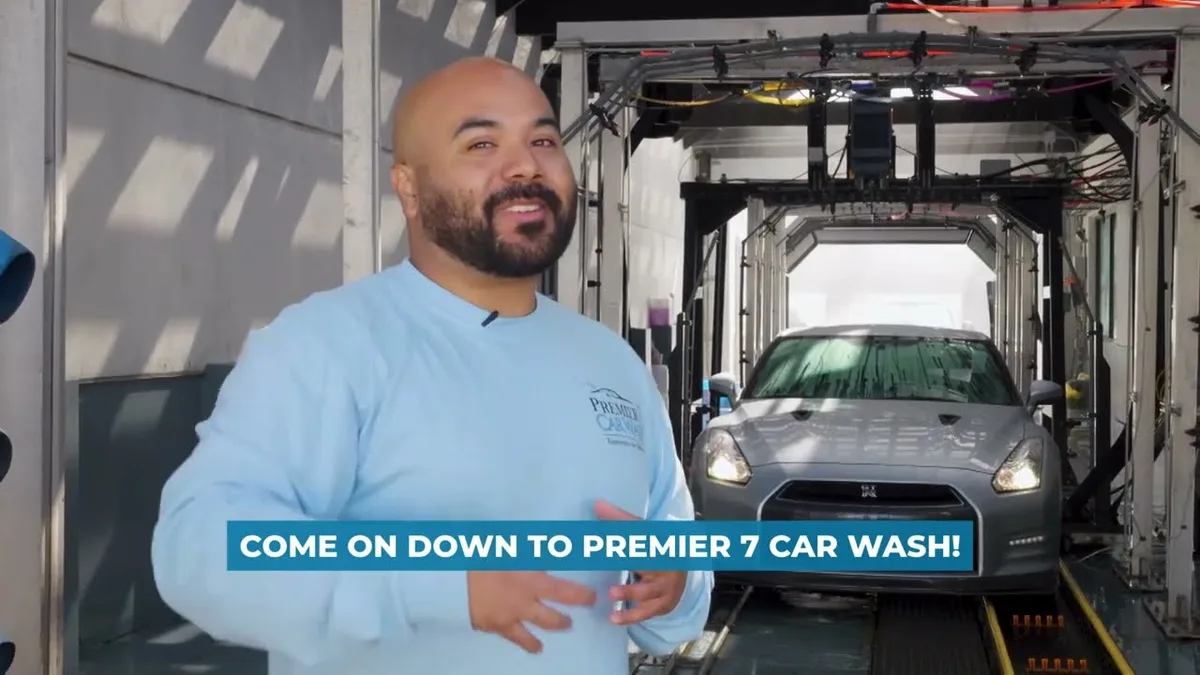
YouTube / Premier 7 Car Wash (YouTube thumbnail (fair-use with source credit))
Quick Answer
A touchless car wash uses high-pressure water and chemicals to clean your car. Drive in slowly and follow the lane markings. Select your wash program at the kiosk.
Stay in the car with windows up. Let the system guide you through the tunnel.
How a Touchless Car Wash Actually Works
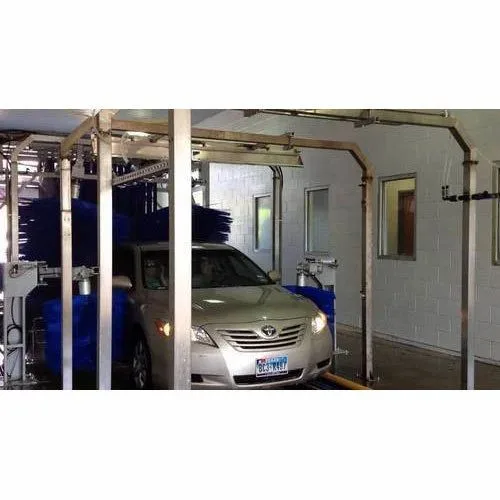
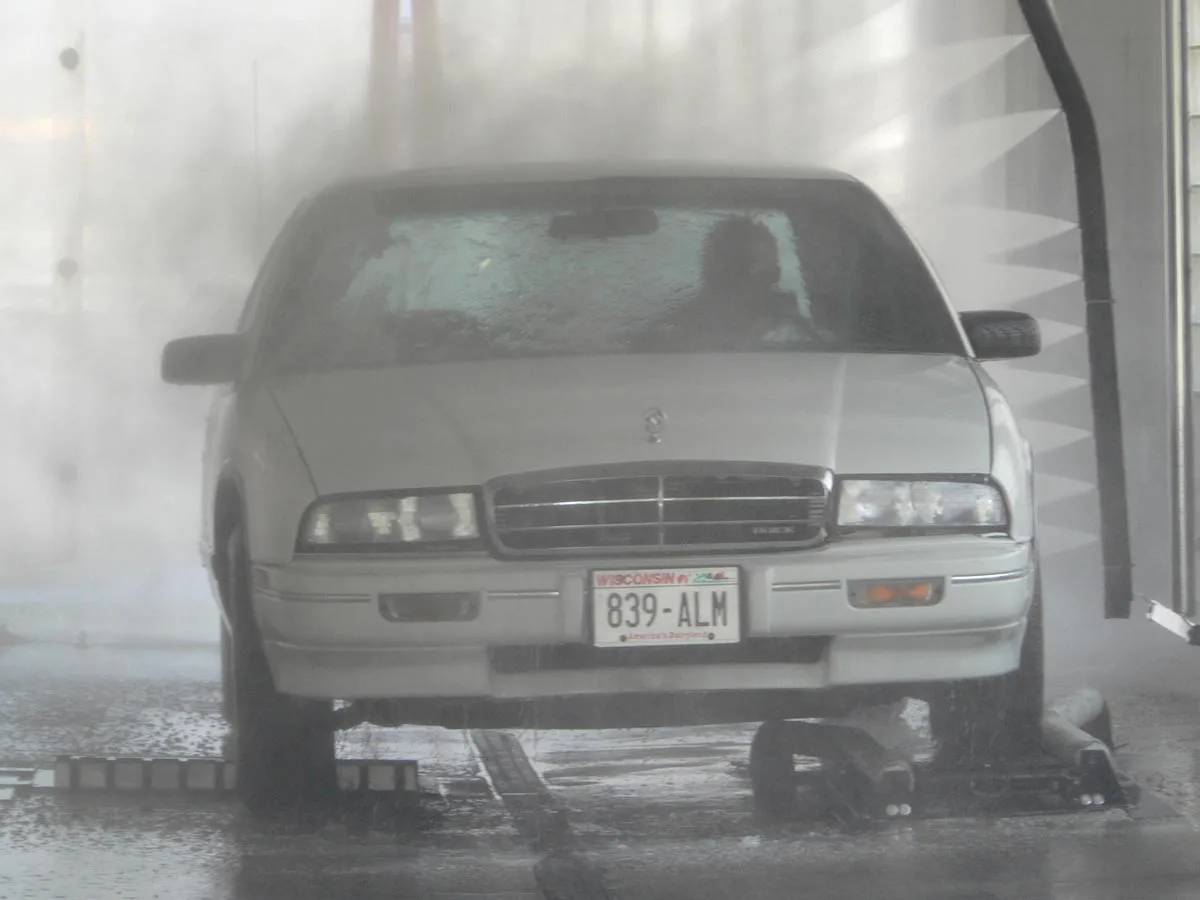
Unlike traditional car washes that rely on spinning brushes or cloth strips, a touchless system cleans your vehicle using high-pressure water jets and chemical detergents. The process starts with a pre-soak to loosen dirt, followed by high-pressure rinsing to remove grime. Finally, a spot-free rinse and air dryers finish the job.
Wikimedia Commons / Sulfur at English Wikipedia (CC BY-SA)
The key components include:
- Pre-soak applicators that spray alkaline or pH-balanced detergents to break down dirt
- High-pressure nozzles positioned around the vehicle to target all surfaces
- Rinse arches that use de-ionized or reverse osmosis water to prevent spots
- Drying blowers to remove excess water and reduce streaking
Manufacturer specs confirm these systems are designed to handle most passenger vehicles, including SUVs and trucks, as of 2026.
Why People Choose Touchless Over Other Car Washes
The biggest advantage is the lack of physical contact. Traditional brush or cloth washes can leave micro-scratches, especially on clear coats or older paint. Touchless washes eliminate that risk, making them a safer choice for maintaining your car’s finish.
They’re also faster and more consistent. While a hand wash can take 30, 45 minutes, a touchless wash typically finishes in 5, 10 minutes. For busy drivers or those who wash their car weekly, the convenience is a major draw.
That said, they’re not perfect for every situation. Heavy mud, tar, or caked-on grime often require a pre-wash or manual scrubbing before entering the tunnel.
When a Touchless Wash Is (and Isn’t) the Right Pick
Use a touchless car wash if:
- Your car has a fresh wax or sealant you want to preserve
- You’re dealing with light dirt, dust, or salt residue
- You need a quick clean between detail sessions
- Your vehicle has a sensitive finish, like ceramic coating
Avoid it if:
- Your car is caked in mud or tar
- You have stubborn stains that need agitation
- Your vehicle has loose parts that could be damaged by high pressure
For fleet vehicles or daily drivers in harsh climates, touchless washes are a practical choice. According to the International Carwash Association, they’re one of the most popular options for regular maintenance.
Step-by-Step: How to Use a Touchless Car Wash Properly
Before You Drive In
Start by removing any loose items from your car’s exterior, like bike racks, antennas, or magnetic signs. Check that all windows, sunroofs, and doors are closed tightly to prevent water from leaking inside.
If your car is extremely dirty, consider a quick pre-rinse with a pressure washer or hose. This helps the touchless system work more effectively.
YouTube / Leisuwash (YouTube thumbnail (fair-use with source credit))
Inside the Wash Tunnel
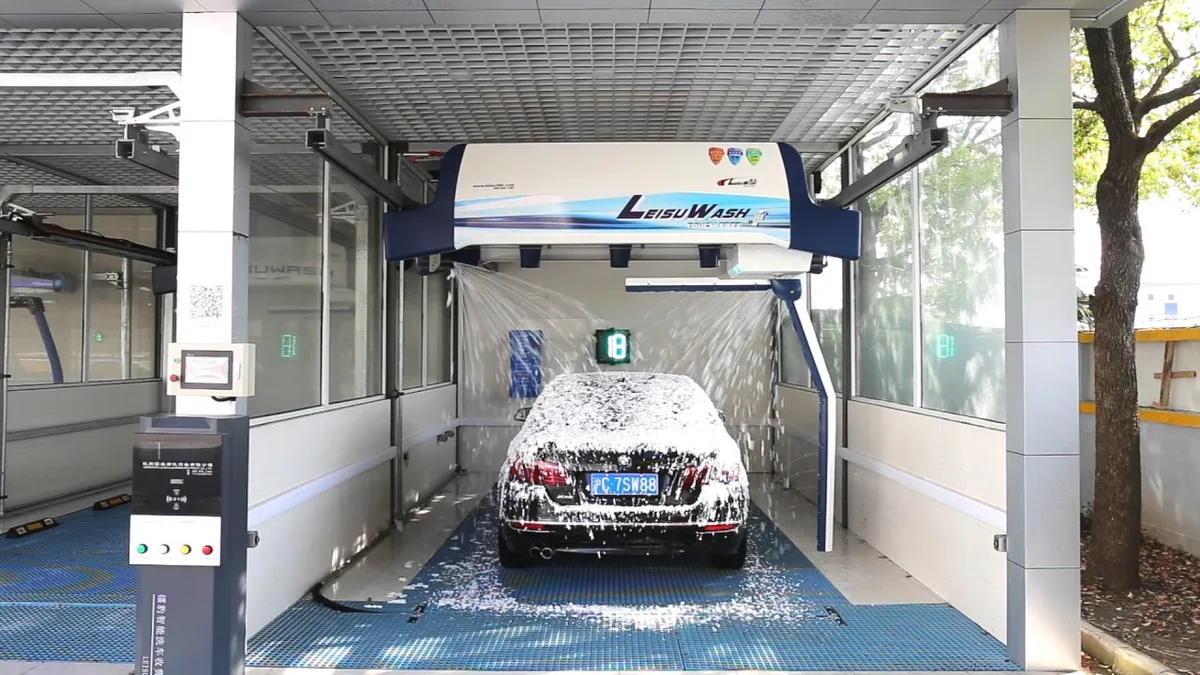
Pull up to the entrance and follow the instructions on the kiosk or signage. Most touchless washes use sensors to detect your vehicle’s size and position, so align your car with the lane markings.
Select your wash program, basic, deluxe, or wax, based on your needs. Basic is fine for light dirt, while deluxe or wax options add extra protection. Once you’ve paid, the system will guide you forward.
Shift into neutral if you’re driving a manual transmission.
After the Wash Finishes
Once the wash is complete, check for any missed spots, especially around the wheels, grilles, or trim. If you notice water spots, use a microfiber towel to wipe them down before they dry.
If your car has a wax or sealant, touchless washes can strip it over time. Reapply protection every few months to maintain the finish.
Common Mistakes That Ruin the Results
Skipping the pre-wash can leave heavy dirt caked on. If your car is covered in mud or road grime, the high-pressure jets won’t cut through it effectively.
Leaving windows or sunroofs open is another common error. Water can leak inside, soaking seats or electronics. Always double-check that all openings are sealed before entering the tunnel.
Using the wrong wash program can waste money or leave your car under-cleaned. Basic washes are fine for light dust, but for salt or pollen, a deluxe or wax option works better.
Touchless vs. Soft-Cloth vs. Hand Wash: Which Should You Use?
YouTube / Live Free (YouTube thumbnail (fair-use with source credit))
Touchless washes are best for quick, scratch-free cleaning. They’re ideal for regular maintenance and preserving wax or sealants.
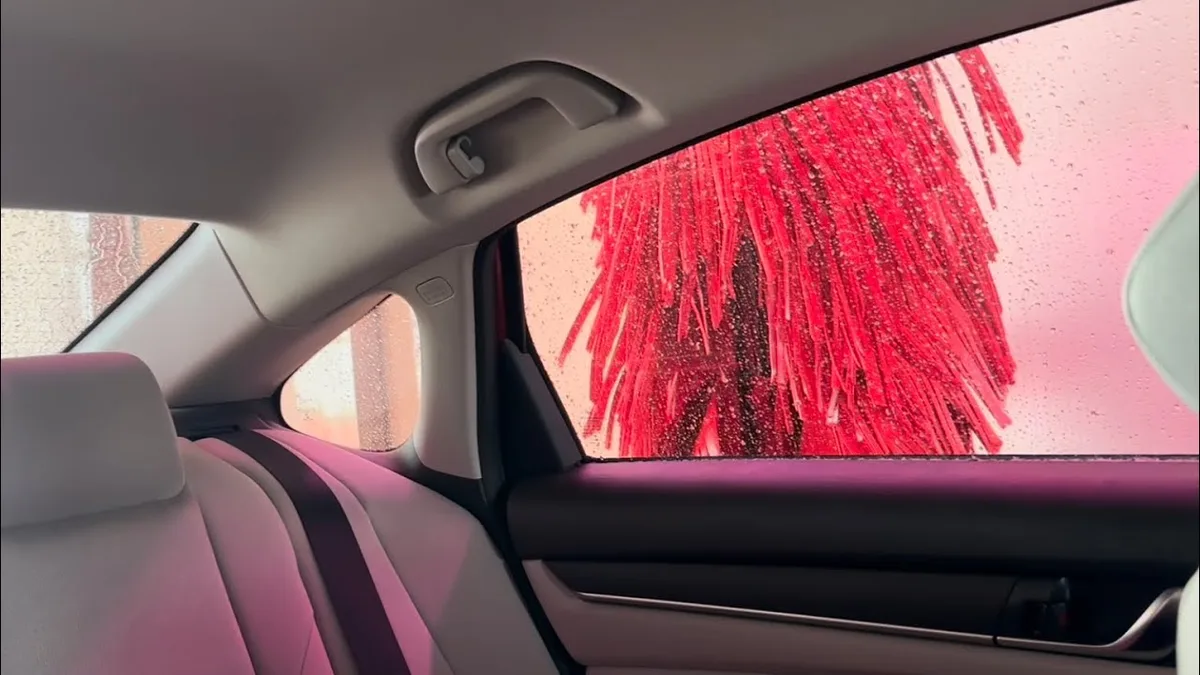
Soft-cloth washes use fabric strips to agitate dirt. They can clean deeper but risk micro-scratches over time, especially on older paint.
Hand washing is the most thorough but time-consuming. It’s perfect for detailing or tackling stubborn stains that automated systems miss.
| Type | Pros | Cons | Best For |
|---|---|---|---|
| Touchless | No scratches, fast, consistent | Less effective on heavy dirt | Regular upkeep, sensitive finishes |
| Soft-Cloth | Better at removing grime | Can cause swirl marks | Moderate dirt, older cars |
| Hand Wash | Deepest clean, customizable | Time-consuming, labor-intensive | Detailing, stubborn stains |
What Touchless Car Washes Can’t Clean (and What to Do Instead)
They struggle with caked-on mud or tar. If your car has thick grime, pre-rinse it with a pressure washer or hose first.
Bird droppings and tree sap often need manual removal. These substances can etch paint if left too long, so address them before the wash.
Wheel wells and undercarriages may not get fully clean. Some touchless systems include underbody sprays, but for heavy buildup, a manual scrub is more effective.
Costs, Memberships, and Time Expectations
A single touchless wash typically costs between $8 and $25. Basic washes are cheaper, while premium options with wax or sealant add to the price.
Many car washes offer memberships for unlimited washes, usually $20 to $50 per month. These are cost-effective if you wash your car weekly.
Time-wise, expect the process to take 5 to 12 minutes from start to finish. The actual wash cycle is quick, but wait times can vary based on traffic.
Safety and Vehicle Care: What to Watch For
Keep your hands and arms inside the vehicle at all times. The high-pressure jets and moving equipment can cause injury if you reach out.
Check for loose parts before entering. Aftermarket accessories like spoilers or bike racks can get caught or damaged.
If your car has a matte or vinyl wrap, confirm with the manufacturer that touchless washes are safe. Some wraps can be sensitive to high-pressure water or certain chemicals.
Pro Tips to Get the Best Clean Every Time
Use the pre-soak option if available. It loosens dirt so the high-pressure jets can remove it more effectively.
Choose a wash with spot-free rinse technology. This uses filtered water to prevent mineral deposits from leaving marks on your paint.
If your car has a lot of bugs or tar, apply a bug-and-tar remover before the wash. This helps the system clean areas that are normally hard to reach.
Frequently Asked Questions
Does a touchless car wash damage paint?
No, it won’t damage paint when used correctly. The lack of physical contact reduces the risk of scratches compared to brush washes.
How often should I use a touchless car wash?
For regular maintenance, once every two weeks is ideal. If you drive in harsh conditions, weekly washes can help prevent buildup.
Can I use a touchless car wash on a ceramic-coated car?
Yes, but choose a wash with mild chemicals. Harsh detergents can degrade the coating over time.
Will a touchless wash remove wax?
Some washes use strong detergents that can strip wax. If you’ve recently applied wax, opt for a gentle program or reapply it afterward.
Why does my car have water spots after a touchless wash?
This usually happens if the drying step wasn’t effective. Use a microfiber towel to wipe down the car immediately after the wash.
Are touchless car washes eco-friendly?
Many modern systems recycle water and use biodegradable detergents. Check with the specific location for their environmental practices.