ByMax Lee
How to Wash Your Car by Hand Like a Pro
Image source: Web (Bing) / pngall.com (Web image (fair-use with source credit))
A manual car wash process keeps your paint in better shape than any drive-through tunnel. The hands-on method lets you control every step, from soap choice to drying technique, so you avoid the swirls and scratches that automatic brushes often leave behind.
Per the International Carwash Association, proper hand washing can extend your car’s finish life by years. The key is using the right tools and following a method that prevents re-depositing dirt.
Quick Answer
The manual car wash process involves rinsing, washing with pH-balanced soap, and drying with microfiber towels. It typically uses 40, 100 gallons of water. This method is gentler on paint than automatic washes.
It also lets you target tough spots like wheels and grilles. The whole process takes 30, 90 minutes.
Why Hand Washing Your Car Beats the Automatic Wash
Automatic car washes use stiff brushes and harsh chemicals that can dull your paint over time. A spotless clean at home gives you full control over the products and pressure.
Hand washing also lets you inspect your car up close. You’ll catch chips, scratches, or contaminants early. Manufacturer specs confirm that pH-neutral soaps and soft mitts preserve clear coats better than automated systems.
The Manual Car Wash Process: Step-by-Step
Start by rinsing off loose dirt with a hose or pressure washer. This prevents scratching when you scrub. Use a foam cannon if you have one, as it helps lift grime before contact.
Next, wash from the top down using the two-bucket method. Dip your mitt in the soap bucket, wash a panel, then rinse the mitt in the second bucket before reloading with soap. This keeps dirt out of your wash water.
Work in sections, and save the wheels and tires for last. They’re the dirtiest parts and need separate tools to avoid cross-contamination. Use a dedicated wheel brush and an acid-free cleaner for brake dust.
Tools & Supplies You Actually Need (And What to Skip)
You don’t need a garage full of gear, but a few essentials make the difference between a good wash and a great one.
| Tool | Purpose | Skip This |
|---|---|---|
| Microfiber wash mitt | Holds soap, lifts dirt without scratching | Household sponges |
| Two 5-gallon buckets | Separate soap and rinse water | Single bucket |
| Grit guards | Traps dirt at the bottom of buckets | No guards |
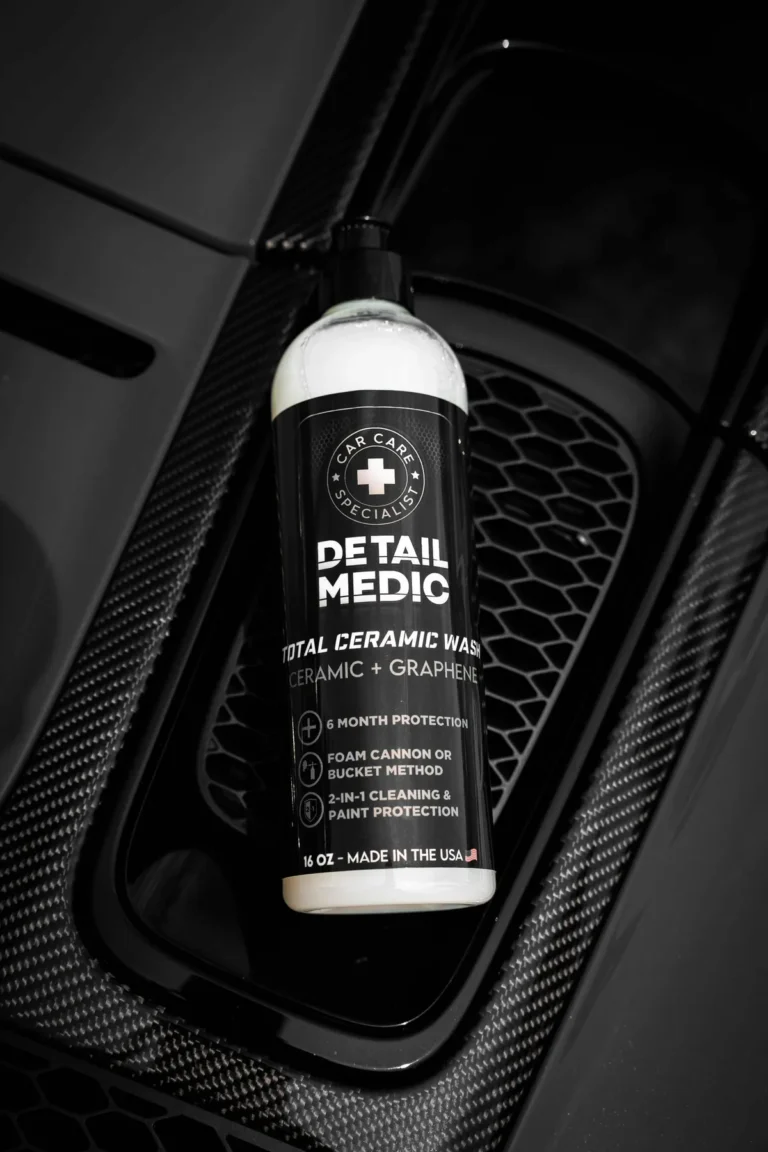
| pH-balanced car soap | Cleans without stripping wax | Dish soap |
| Wheel brush | Cleans brake dust and grime | Steel wool |
| Microfiber drying towel | Prevents water spots and swirls | Bath towels |
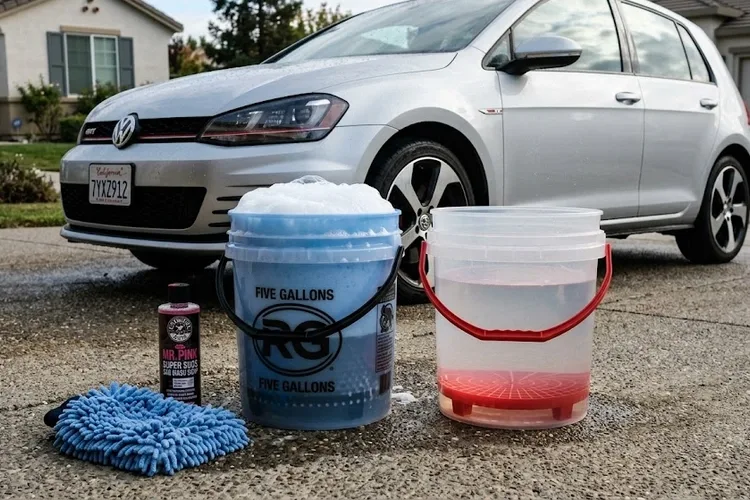
Image source: Bing (Web (fair-use with source credit))
A self-service car wash can supplement your tools, but the basics above cover 90% of what you need at home. Invest in quality microfiber, it lasts for hundreds of washes and won’t scratch.
Two-Bucket vs. One-Bucket: Which Method Prevents Scratches
The two-bucket method is the gold standard for avoiding swirl marks. One bucket holds your soapy water, and the other holds clean rinse water. After each pass on the car, you rinse the mitt in the clean bucket to remove trapped dirt before reloading with soap.
The one-bucket method saves time but risks dragging dirt back onto the paint. If you’re in a hurry, at least rinse the mitt thoroughly under running water between panels.
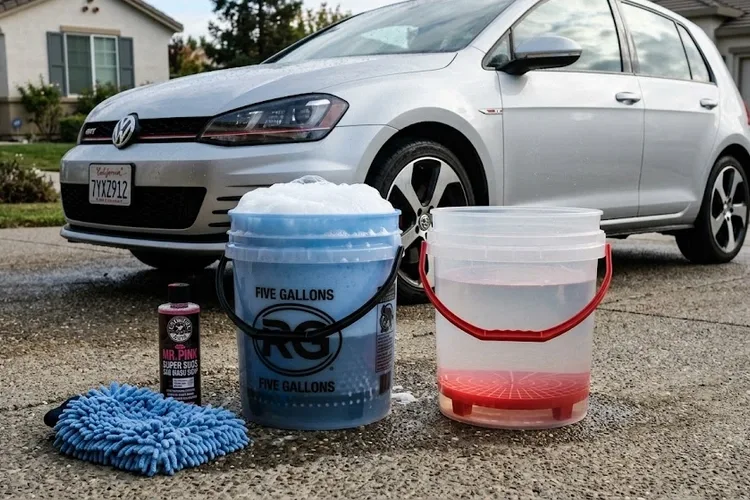
Image source: Bing (Web (fair-use with source credit))
Aggregate reviews from detailing forums show that two-bucket users report fewer scratches over time. The EPA also recommends this method to reduce water waste, as it minimizes the need for constant hose rinsing.
How to Wash Without Leaving Swirl Marks or Water Spots
Swirl marks come from dragging dirt across the paint. Always rinse the car first to remove loose grime. Then, use a high-quality microfiber mitt and plenty of lubrication from your car soap.
Water spots happen when minerals in hard water dry on the surface. To prevent them, dry the car immediately after washing with a clean microfiber towel. Work in small sections, and use a quick detailer spray if you’re in a hard water area.
For stubborn spots, a water spot remover can help, but prevention is easier than correction. If you’re washing in direct sunlight, work quickly, the heat speeds up drying and makes spots harder to avoid.
Drying Like a Pro: Towels, Techniques, and Common Mistakes
The drying step is where most people undo all their hard work. A good microfiber towel should be plush, absorbent, and free of any tags or seams that could scratch. Fold it into quarters and use a fresh side for each panel.
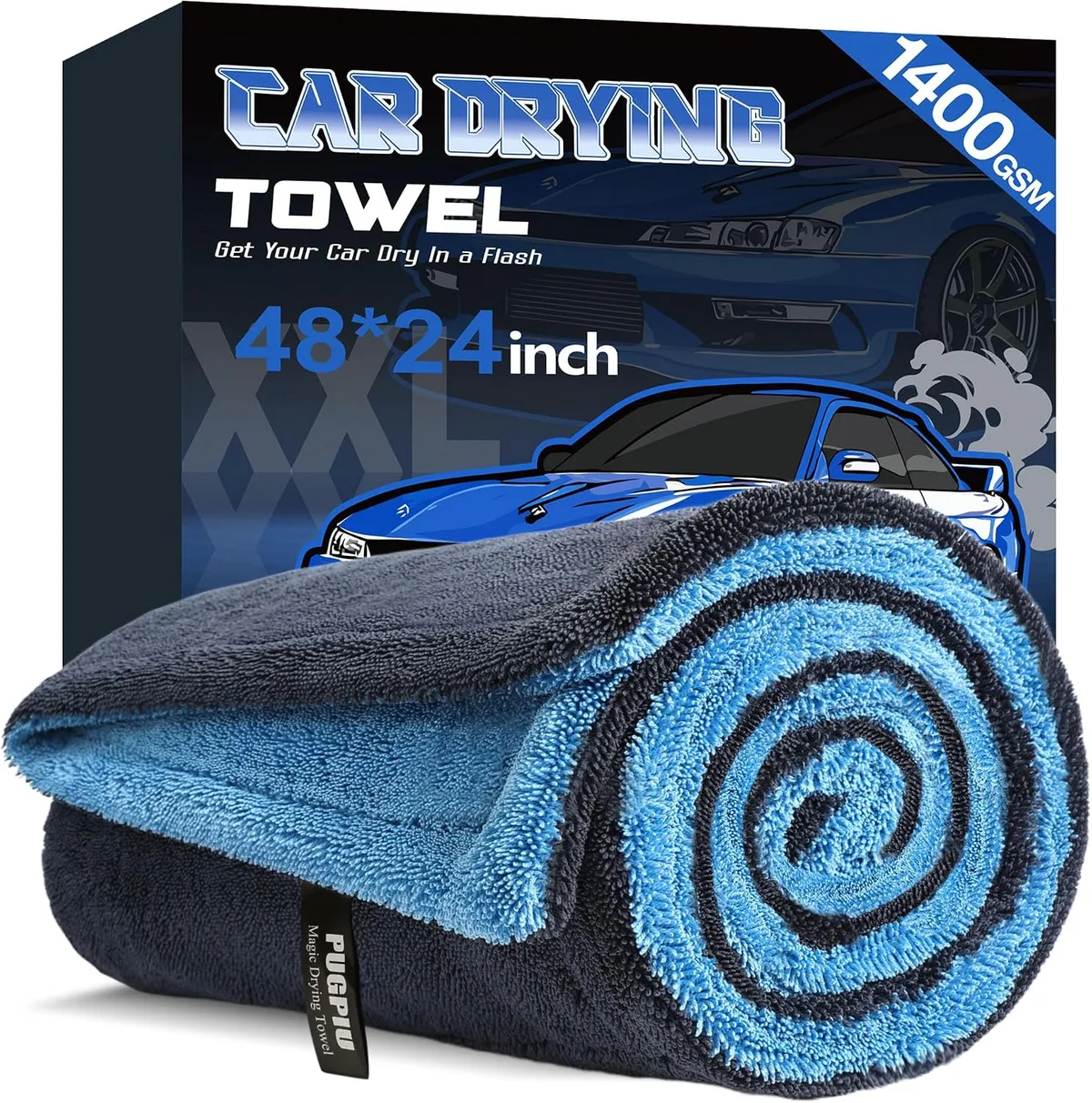
Image source: Bing (Web (fair-use with source credit))
Blot, don’t drag. Dragging a towel across the paint can pick up leftover dirt and create micro-scratches. Start at the top and work your way down, saving the wheels for last.
If you notice streaks, it’s usually from leftover soap residue. Rinse the car again and use less soap next time. For a spot-free finish, consider a final rinse with distilled water or a water filter attachment on your hose.
Wheel & Tire Cleaning: The Right Way to Avoid Damage
Wheel cleaner isn’t just soap. Brake dust contains metal particles that can etch into clear coats and corrode wheels. Use an acid-free formula safe for your wheel type, whether it’s alloy, steel, or chrome.
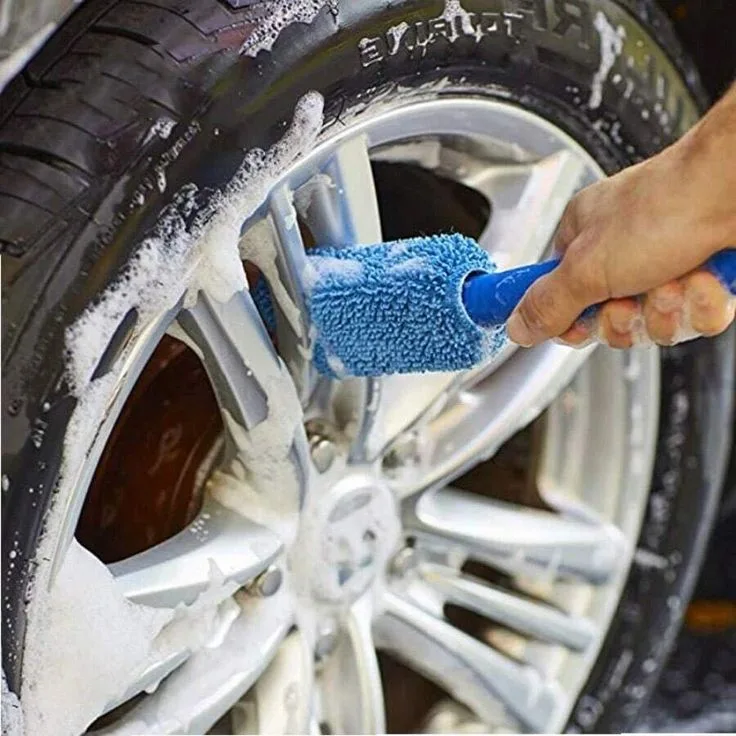
Image source: Bing (Web (fair-use with source credit))
Spray the cleaner on and let it dwell for 30, 60 seconds. Agitate with a dedicated wheel brush, not the same mitt you used on the paint. For stubborn grime, a soft-bristle toothbrush can reach tight spots.
Rinse thoroughly and dry immediately. Water spots on wheels are just as visible as on the body. If you have ceramic-coated wheels, stick to pH-neutral cleaners to preserve the coating.
Manual vs. Automatic Car Wash: Cost, Time, and Paint Safety
Automatic car washes are fast, but they come with trade-offs. The brushes can leave micro-scratches, and the chemicals are often harsher than what you’d use at home. A basic tunnel wash costs $10, $20, but you’ll pay more for premium options.
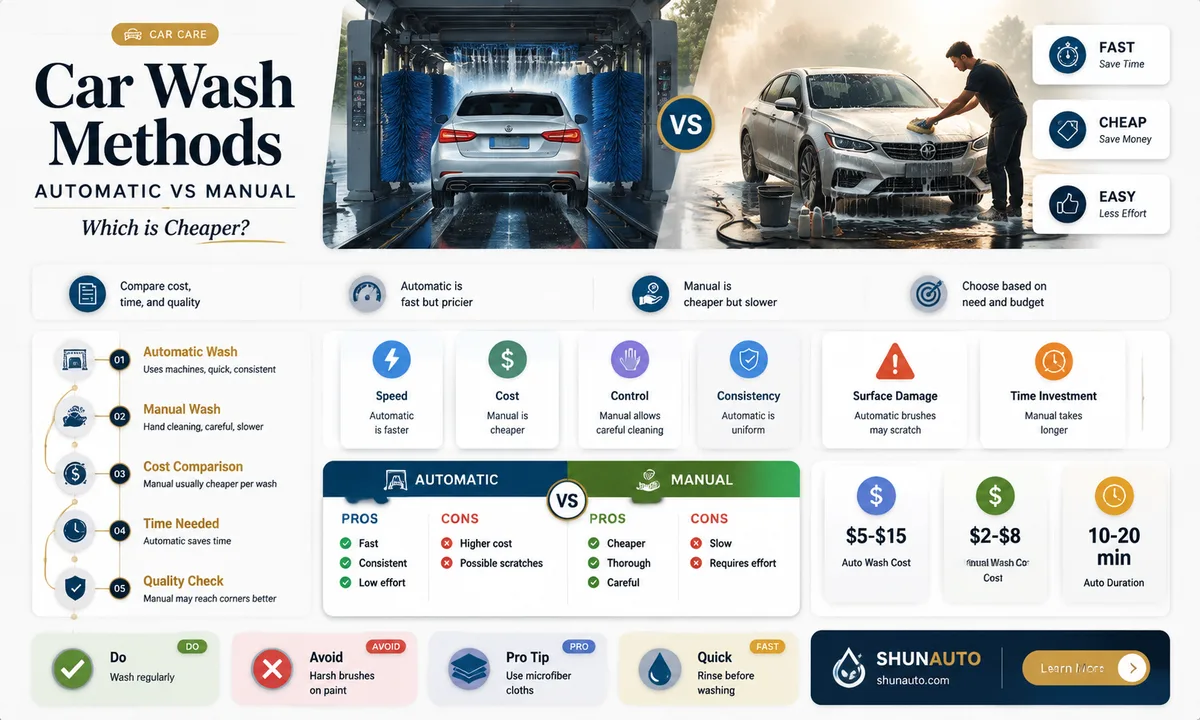
Image source: Bing (Web (fair-use with source credit))
Manual washing takes 30, 90 minutes but costs pennies per wash once you own the supplies. The biggest advantage is control. You can use gentle products, target problem areas, and dry the car properly.
For a self-service bay, you get some of both worlds: the speed of a pressure washer with the precision of hand washing. Just avoid the brushes at the entrance, they’re often the same ones that damage paint.
The Worst Car Wash Mistakes (And How to Fix Them)
Washing in direct sunlight causes soap to dry too quickly, leaving streaks and spots. Always work in the shade or on a cloudy day. If you must wash in the sun, do one panel at a time and rinse immediately.
Using dish soap strips wax and can damage clear coats. Stick to car-specific shampoos with a pH between 6.5 and 7.5. If you’ve already used dish soap, reapply wax or sealant afterward to restore protection.
Skipping the rinse before washing grinds dirt into the paint. A thorough pre-rinse removes 70% of surface contaminants. If you notice scratches after washing, they’re likely from this step.
Hard Water, Salt, and Pollution: Adjusting for Your Climate
Hard water leaves mineral deposits that are tough to remove. If your area has hard water, use a water softener in your wash bucket or rinse with distilled water. A quick detailer spray can also help dissolve spots before they set.
In winter, road salt eats away at paint and undercarriages. Wash your car every 1, 2 weeks during salt season, paying extra attention to the wheel wells and underbody. A self-service wash with an undercarriage sprayer is ideal for this.
Urban areas with high pollution need more frequent washes. Industrial fallout and tree sap can etch paint if left too long. If you park under trees, check for sap daily and remove it with a dedicated sap remover.
How Often Should You Really Wash Your Car?
Most experts recommend washing every 2 weeks to maintain paint protection. If you drive daily, stick to this schedule. For garage-kept cars driven occasionally, once a month may suffice.
Climate plays a big role. In coastal areas, salt air accelerates corrosion, so weekly washes are wise. In dusty regions, more frequent rinses prevent buildup that can scratch the finish.
If you’ve applied a ceramic coating, you can stretch intervals to 3, 4 weeks. Coatings repel dirt, but they don’t eliminate the need for washing. Always follow the manufacturer’s care instructions.
Quick Wash vs. Deep Clean: When to Do Which
A quick wash removes surface dirt and dust. It takes 15, 20 minutes and uses a waterless wash spray or a light rinse with a mitt. This is ideal for weekly maintenance between full washes.
A deep clean involves the full process: pre-rinse, two-bucket wash, wheel cleaning, and drying. It’s necessary every 2, 4 weeks or after exposure to salt, mud, or contaminants. For black cars, deep cleaning prevents swirls and maintains gloss.
If your car has visible grime or feels rough to the touch, it needs a deep clean. A quick wash won’t remove embedded dirt or restore protection.
FAQs About Manual Car Washing
Can I use dish soap in a pinch?
No. Dish soap strips wax and can damage clear coats. If you must, use the mildest formula possible and reapply wax afterward.
Car-specific shampoos are formulated to clean without harming finishes.
How do I prevent water spots?
Dry the car immediately after washing with a clean microfiber towel. In hard water areas, use a water softener or distilled water for the final rinse. A quick detailer spray can help dissolve spots before they set.
Should I wash my car in the rain?
Avoid it. Rainwater can contain contaminants that leave spots. If you must, use a waterless wash product and dry thoroughly afterward.
How often should I wash a new car?
Wash it within the first week to remove dealer prep residues. After that, stick to the standard 2-week schedule. New paint is more vulnerable to contaminants.
Is it safe to wash a hot car?
No. Heat causes water and soap to dry too quickly, leaving spots and streaks. Always wash in the shade or when the surface is cool to the touch.
Final Checklist: Your Perfect Wash Every Time
Rinse the car thoroughly to remove loose dirt. This prevents scratching during the wash.
Use the two-bucket method with a microfiber mitt. Keep one bucket for soap and one for rinsing the mitt.
Wash from the top down, saving wheels for last. Use a separate brush and cleaner for wheels.
Dry immediately with a clean microfiber towel. Blot, don’t drag, to avoid swirls.
Apply a quick detailer or wax if needed. This restores protection and enhances shine.