ByMax Lee
Automatic Car Wash Guide: Step-by-Step Instructions
Automatic car wash instructions can save you time and keep your vehicle clean, but doing it wrong risks scratches, water spots, or even damage. Whether you’re using a touchless system, soft-cloth tunnel, or brush wash, the process changes based on your car’s finish and the equipment available.
Most automatic car washes use 30, 70 gallons of water per cycle and rely on high-pressure nozzles or rotating brushes. The key is knowing which type suits your vehicle and how to prep it properly.
Quick Answer
Automatic car wash instructions start with choosing the right type for your vehicle. Touchless systems use high-pressure water and are safest for delicate paint. Soft-cloth washes clean deeper but may leave micro-scratches.
Always remove loose items before entering. Follow the payment prompts and stay in neutral on conveyors.
How Automatic Car Washes Work
Automatic car washes use a combination of water, detergents, and mechanical action to clean your vehicle. The two main systems are conveyor-based tunnels and in-bay automatics, where the car stays stationary while equipment moves around it.
Wikimedia Commons / CurranH (talk) (Uploads)
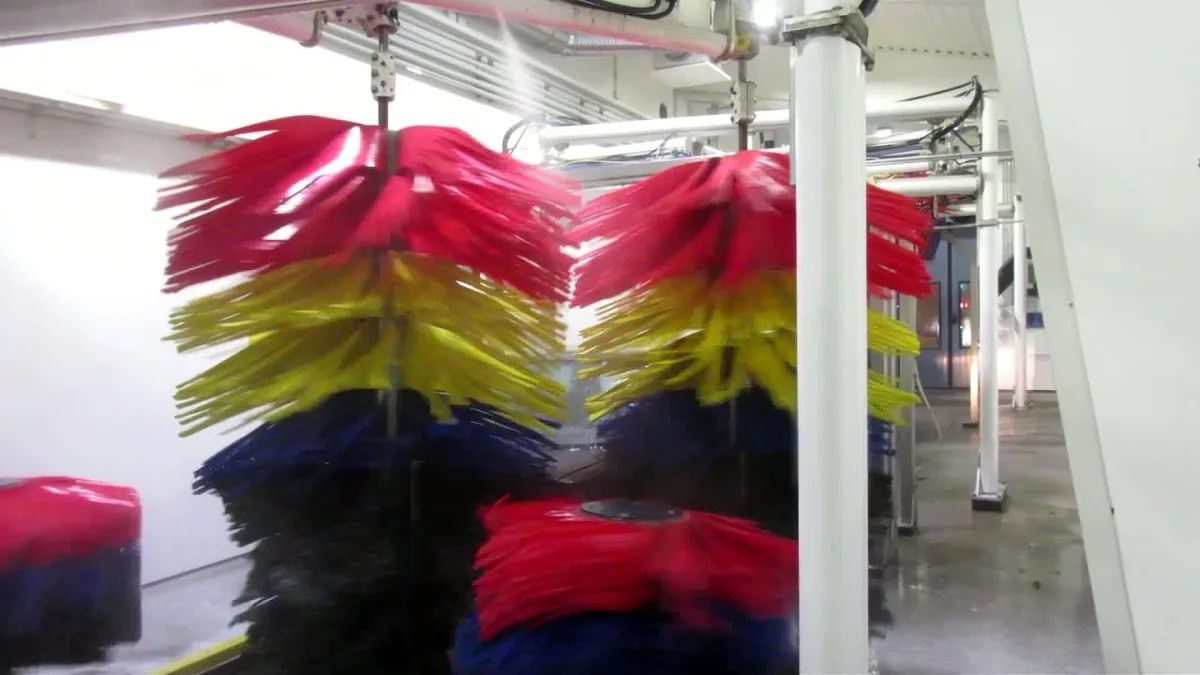
Conveyor systems pull your car through a series of stages. First, a pre-soak loosens dirt. Then, high-pressure nozzles or rotating brushes scrub the surface.
Some use soft cloth strips, while others rely on foam brushes. The final step is a rinse and dry cycle, often with air blowers to prevent water spots.
In-bay automatics work differently. Your car parks in a single bay, and a gantry moves over it, spraying and scrubbing in a programmed sequence. These are common at gas stations and take slightly longer than conveyor washes.
Manufacturer specs confirm that water pressure typically ranges from 800 to 1,200 PSI in touchless systems. Soap pH levels vary, with wheel cleaners often more acidic to break down brake dust.
Types of Automatic Car Washes and Which to Choose
Not all automatic car washes are the same. The type you pick depends on your car’s finish, how dirty it is, and your budget.
Touchless Car Wash
- Uses high-pressure water jets only
- Best for: New paint, ceramic coatings, or delicate finishes
- Pros: No physical contact means lower scratch risk
- Cons: May not remove caked-on dirt as well
Soft-Cloth Car Wash
- Uses microfiber or foam cloth strips
- Best for: Most daily drivers with standard paint
- Pros: Better at lifting embedded grime
- Cons: Can leave fine swirl marks over time
Brush Car Wash
- Uses rotating bristle brushes
- Best for: Heavy dirt, off-road vehicles
- Pros: Deep cleaning for tough grime
- Cons: Highest risk of scratches or paint damage
YouTube / Neal’s Reviews & Unboxings (YouTube thumbnail (fair-use with source credit))
If your car has a matte finish, vinyl wrap, or aftermarket paint, avoid brush washes entirely. For luxury or classic cars, touchless or soft-cloth are the safer options. Aggregate reviews report that soft-cloth systems are the most common at dedicated car wash centers, while touchless is often found at gas stations.
Step-by-Step: How to Use an Automatic Car Wash Properly
Follow these steps to get the best results and avoid damage.
Before You Enter
- Remove antennas, bike racks, or loose accessories
- Close all windows, sunroofs, and convertible tops
- Check for cracks in windshields or loose trim
At the Entrance
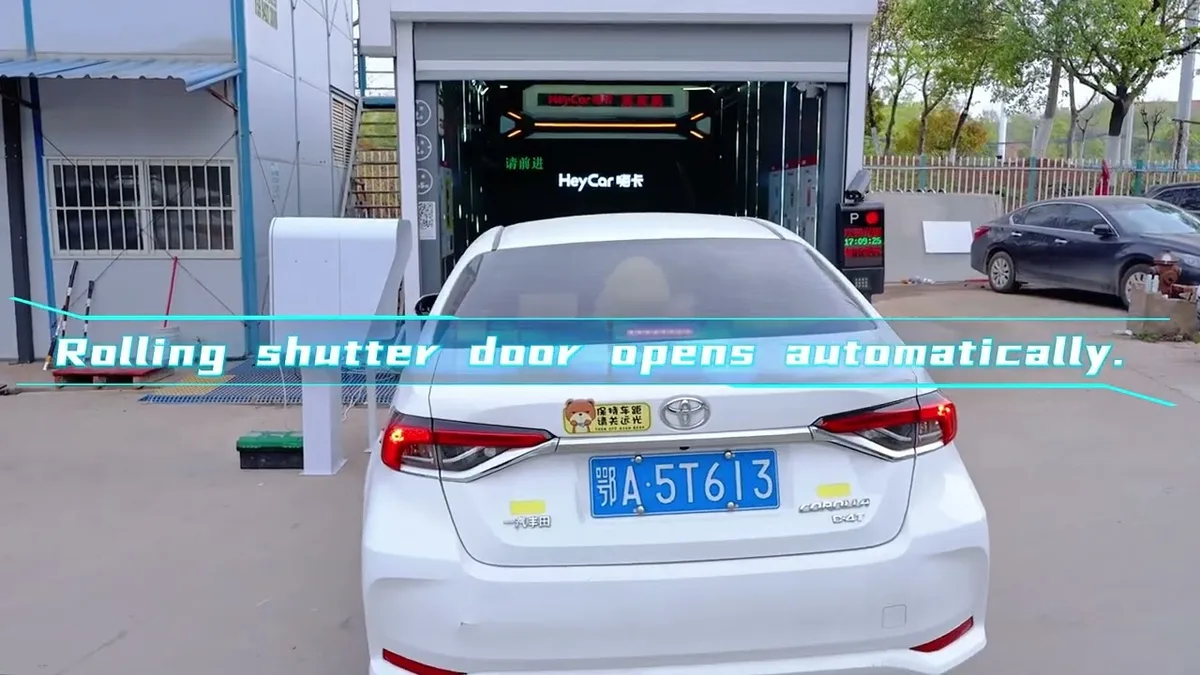
- Pull up to the payment kiosk and select your wash type
- Pay with card or cash, depending on the system
- Wait for the light or audio prompt to proceed
YouTube / HeyCar Carwash (YouTube thumbnail (fair-use with source credit))
During the Wash
- Shift into neutral if on a conveyor system
- Keep your foot off the brake unless instructed otherwise
- Turn off windshield wipers if they’re not automatic
After the Wash
- Check for missed spots or residue
- Use a microfiber towel to dry any remaining water
- Reapply wax or sealant if the wash stripped it
Most systems take 5, 15 minutes from start to finish. If you’re using a membership, scan your card or enter your code at the kiosk before starting.
What to Do Before You Enter the Car Wash
Preparation prevents damage and ensures a thorough clean. Start by clearing your car of anything that could get caught or damaged.
Remove loose items like magnetic phone mounts, air fresheners, or dashboard decorations. Retract or remove antennas, and fold in side mirrors if they’re extendable. For trucks or SUVs with roof racks, check if they’re secure or remove them if possible.
Close all windows, sunroofs, and convertible tops. Water pressure can force its way into gaps, leading to interior leaks or electrical issues. If your car has aftermarket parts like custom grilles or low-profile tires, verify they’re compatible with automatic washes.
Check your vehicle’s clearance. Most car washes have height limits between 6’6” and 8’, and width limits around 8’. If your vehicle exceeds these, look for a touchless system or a self-service bay where you control the equipment.
What to Watch For During the Wash
Stay alert once the wash starts. If the conveyor jerks or the brushes misalign, hit the emergency stop button if available.
Listen for unusual noises like grinding or scraping. These can signal equipment hitting loose parts or misaligned components. If the wash pauses unexpectedly, don’t exit the vehicle unless instructed by staff.
Watch the progress through your windows. If you notice areas being skipped, note them for a potential re-wash or manual touch-up later.
After the Wash: Quick Checks to Avoid Problems
Inspect your car immediately after exiting. Look for leftover soap residue, especially in wheel wells and under mirrors.
Check for water spots on the paint. These often appear if the drying system wasn’t effective or if your area has hard water.
YouTube / Wilson Auto Detailing (YouTube thumbnail (fair-use with source credit))
Run your fingers lightly over the surface to feel for grit or rough patches. If you find any, use a microfiber towel to buff them out before they dry. Reapply wax or sealant if the wash stripped your existing protection.
When Automatic Car Washes Are a Bad Idea
Avoid automatic car washes if your vehicle has a matte or satin finish. The brushes and even soft cloth can dull the surface or leave visible marks.
Convertibles with the top down are a no-go. The high-pressure water can damage the fabric or mechanisms. Always put the top up before entering.
Cars with aftermarket parts like custom grilles, low-profile tires, or body kits may not fit the standard clearance. Check the wash’s height and width limits first. Manufacturer specs confirm that most systems max out at 8 feet in height.
If your car has a fresh ceramic coating, wait at least 2 weeks before using an automatic wash. The curing process needs time to fully bond.
Automatic vs. Hand Wash vs. Self-Service: Which Is Best for You?
Automatic Car Wash
- Best for: Quick, consistent cleaning
- Time: 5, 15 minutes
- Cost: $8, $25 per wash
- Pros: Hands-free, thorough undercarriage cleaning
- Cons: Risk of scratches, less control
Hand Wash
- Best for: Luxury cars, delicate finishes
- Time: 30, 60 minutes
- Cost: $20, $100+
- Pros: Gentle, customizable
- Cons: Time-consuming, expensive
Self-Service Car Wash
- Best for: DIYers, spot cleaning
- Time: 15, 30 minutes
- Cost: $5, $15
- Pros: Full control, budget-friendly
- Cons: Physical effort, inconsistent results
For most daily drivers, automatic washes offer the best balance of speed and effectiveness. Hand washes are ideal for high-end vehicles, while self-service works for those who prefer hands-on cleaning.
Common Mistakes That Ruin Paint or Waste Money
Going through with a dirty car can grind dirt into the paint. Always pre-rinse if your vehicle is caked in mud or salt.
Skipping the pre-soak option means tough grime won’t loosen properly. This forces brushes or cloths to work harder, increasing scratch risks.
Ignoring the drying step leaves water spots. These mineral deposits can etch into clear coat over time if not removed promptly.
Overusing add-ons like wax or rain repellent can build up and dull your finish. Stick to these extras only when needed, typically every 2, 3 washes.
Choosing the cheapest wash for a heavily soiled car often means poor results. Upgrade to a deluxe or premium cycle if your vehicle needs deeper cleaning.
How Often Should You Use an Automatic Car Wash
For most drivers, a wash every 2 weeks keeps dirt and contaminants from building up. This prevents paint damage from road grime, bird droppings, or tree sap.
If you drive daily in harsh conditions like winter salt or dusty roads, increase it to weekly. Less frequent use is fine for garage-kept cars in mild climates.
Over-washing can strip wax and sealants. Stick to a gentle cycle and reapply protection every 3, 4 months if you wash often.
Costs, Memberships, and Hidden Fees
Basic washes start around $8, $12. Deluxe packages with wax or undercarriage cleaning run $15, $25.
Many chains offer unlimited memberships for $20, $50 per month. These pay off if you wash more than twice a month.
Watch for add-ons like rain repellent or tire shine. These can add $3, $8 each and aren’t always necessary.
Some locations charge extra for trucks, SUVs, or vehicles over a certain length. Always check the pricing board before committing.
Safety Tips for Sensors, Convertibles, and Custom Parts
Modern cars have sensitive sensors for parking, collision avoidance, and cameras. High-pressure water can damage these if aimed directly at them.
For convertibles, ensure the top is fully secured. Water can seep through gaps and damage the mechanism or interior.
Custom parts like aftermarket grilles, spoilers, or low-profile tires may not fit standard car wash dimensions. Check clearance limits before entering.
If your car has a ceramic coating, avoid brush washes. The abrasion can wear down the protective layer over time.
FAQs About Automatic Car Washes
Can you go through a car wash with a roof rack?
Yes, but remove or secure loose items first. Fixed roof racks are generally fine, but check height clearance to avoid damage.
Do automatic car washes damage your car?
They can if you choose the wrong type. Brush washes pose the highest risk for scratches, while touchless systems are safer for delicate paint.
How long does an automatic car wash take?
Most take 5, 15 minutes. Conveyor systems are faster, while in-bay automatics may take slightly longer.
Is it safe to wash a car with a sunroof?
Yes, as long as it’s fully closed. Open sunroofs can let water inside, potentially damaging the interior or electrical components.
Can automatic car washes remove wax?
Yes, especially with repeated use. Reapply wax or sealant every few months if you wash frequently.
What’s the best automatic car wash for trucks?
Look for locations with high clearance and heavy-duty equipment. Soft-cloth or touchless systems are best to avoid damage to larger vehicles.