Going through a car wash for the first time can feel intimidating, but the process is simple once you know the steps. These new driver instructions to go through a car wash cover everything from preparation to what to do if something goes wrong.
Most automatic car washes take 3 to 10 minutes and use 40 to 100 gallons of water per cycle. The key is understanding your vehicle’s limits and the wash type before you start.
Quick Answer
New driver instructions to go through a car wash start with closing all windows and retracting antennas. Fold in side mirrors if they’re manual. Stay in neutral for manual cars or brake in gear for automatics.
Never exit the vehicle during the wash.
Why New Drivers Need to Know This
Car washes are a routine part of vehicle maintenance, but mistakes can lead to damage or safety risks. New drivers often overlook simple prep steps, like checking for loose items on the roof or ensuring the sunroof is closed.
As of 2026, the average cost of a basic wash is $8 to $12, while premium services with wax and undercarriage cleaning can reach $25. Knowing the process helps you avoid unnecessary fees or delays.
Types of Car Washes You’ll Encounter
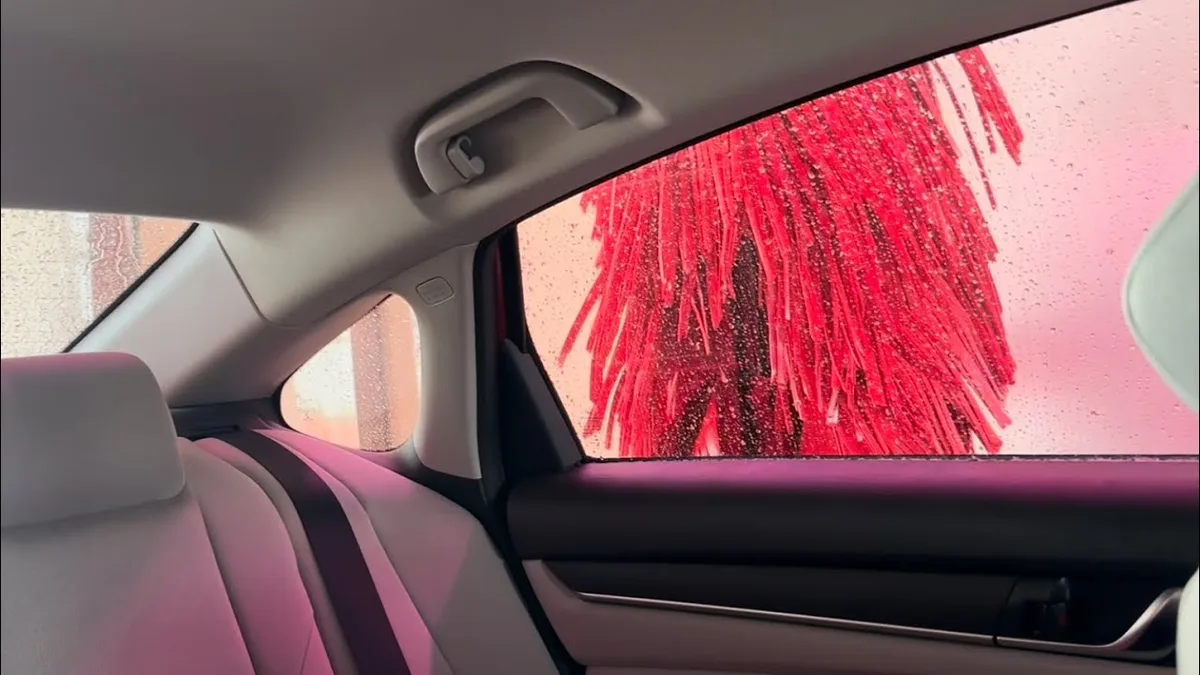
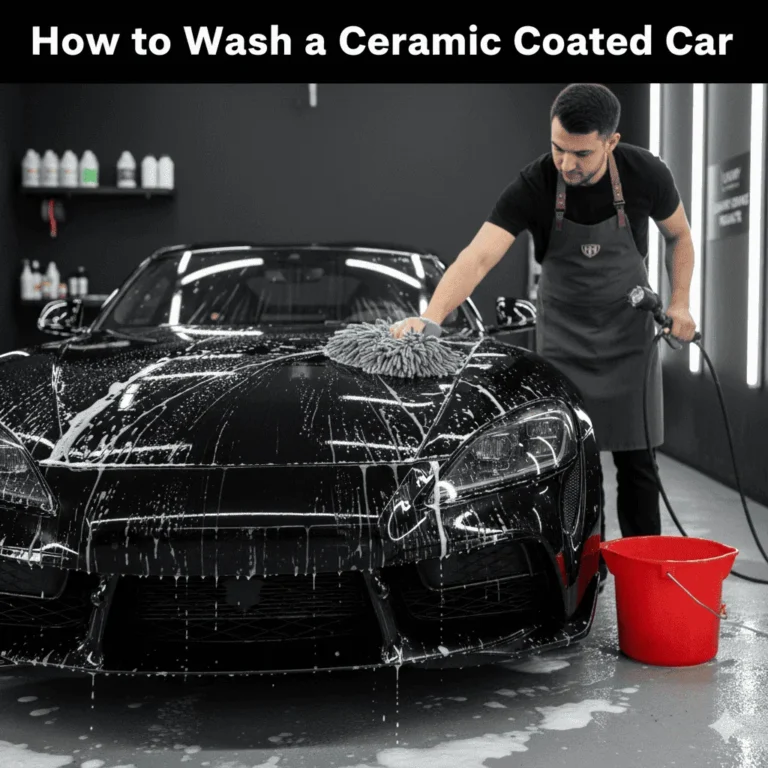
Automatic car washes come in a few main styles, each with pros and cons. The most common is the soft-cloth wash, which uses fabric strips to clean the vehicle. These are gentle on paint but can leave swirl marks if the cloths are dirty.
Touchless washes use high-pressure jets and chemicals instead of physical brushes. They’re safer for delicate finishes but may not remove stubborn grime as effectively. Self-serve washes give you control over the process but require more effort.
| Type | Cleaning Method | Best For | Cost Range |
|---|---|---|---|
| Soft-cloth | Fabric strips | Most vehicles | $10–$20 |
| Touchless | High-pressure jets | New or luxury cars | $12–$25 |
| Self-serve | Manual spray wand | Budget-conscious drivers | $5–$15 |
Step-by-Step: How to Go Through a Car Wash Safely
Before You Enter
Start by removing anything loose from your car’s exterior, like bike racks or magnetic signs. Check that all windows, including the sunroof, are fully closed. If your vehicle has manual side mirrors, fold them in to prevent damage.
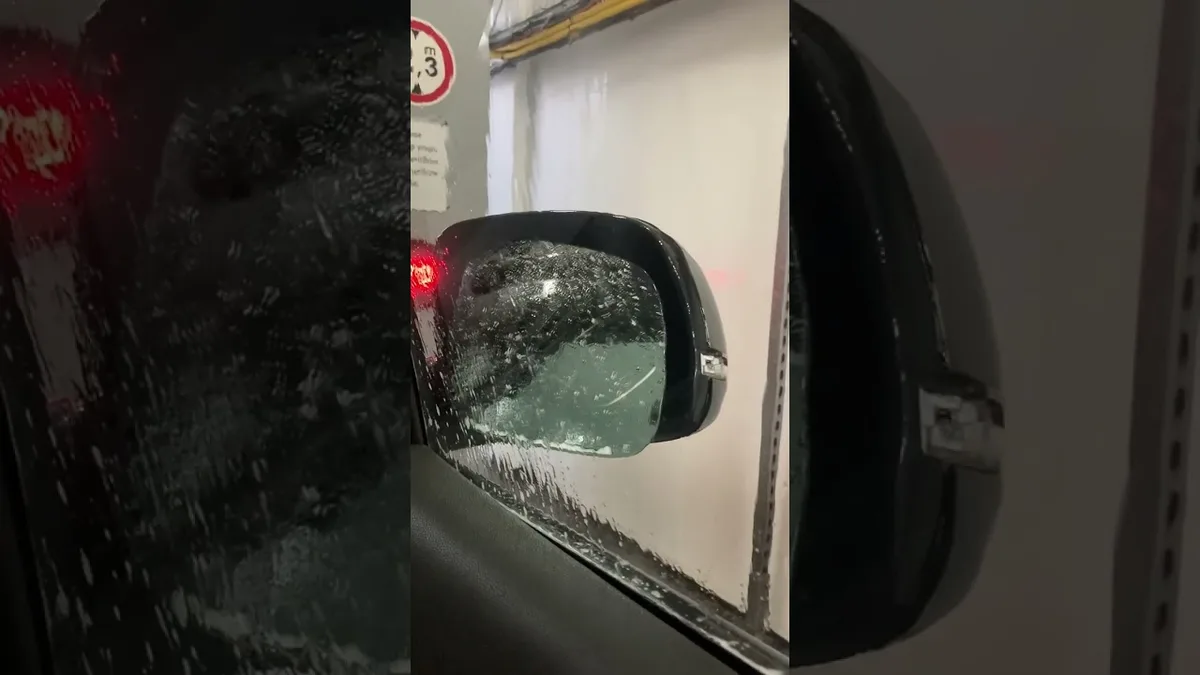
Retract the antenna if it’s extendable, and ensure your tires are properly inflated for smooth movement on the conveyor. Manufacturer specs confirm that underinflated tires can cause misalignment in automated systems.
Inside the Wash
Follow the attendant’s instructions or the on-screen prompts. For automatic transmissions, shift into neutral or drive as directed. For manual transmissions, stay in neutral with your foot on the brake.

Keep your hands off the steering wheel unless the system requires you to steer. The conveyor will guide your car through the tunnel. If the wash uses brushes, they’ll rotate around your vehicle, while touchless systems rely on jets and foam.
Common Mistakes New Drivers Make
Leaving the sunroof or windows slightly open is a top error. Water pressure can force its way in, soaking the interior. Another frequent issue is forgetting to fold in side mirrors, which can get clipped by brushes or equipment.
Driving too slowly or braking abruptly can disrupt the conveyor system. This may trigger an automatic stop, leaving you stuck mid-wash. Always follow the speed indicated by the wash’s guidance system.
What to Do If Something Goes Wrong
If your car stalls or the conveyor stops, stay calm and keep your foot on the brake. Most systems have an emergency stop button or an attendant monitoring the process. Do not attempt to exit the vehicle unless instructed.
For minor issues like a missed spot, many car washes offer a free re-wash if you return within a set time. Check the location’s policy, as some require you to stay in your car for the entire cycle to qualify.
Car Wash Types Compared: Which Is Best for You?
Soft-cloth washes work well for most daily drivers. They’re effective at removing dirt and offer a thorough clean. However, they may not be ideal for vehicles with delicate paint or aftermarket finishes.
Touchless washes are the safer choice for luxury or newly painted cars. They avoid physical contact, reducing the risk of scratches. The trade-off is that they might not clean as deeply, especially for caked-on mud or bug splatter.
Self-serve washes give you full control over the process. You can focus on problem areas and use as much time as needed. They’re also the most budget-friendly but require more effort and time.
How Often Should You Wash Your Car?
Washing every two weeks is a good rule of thumb for most drivers. This prevents dirt buildup that can damage paint over time. If you live in an area with harsh winters, washing weekly helps remove salt and road grime.
For vehicles parked under trees or in dusty areas, more frequent washes may be necessary. Conversely, if your car stays garaged most of the time, you can stretch the interval to once a month.
Pro Tips for a Smooth Experience
Arrive with a nearly full tank if your car has a sensitive fuel door release. Some washes require you to turn off the engine, and a low fuel level can cause issues.
Use the pre-soak option if available. It helps loosen dirt before the main wash cycle. Also, avoid washing in direct sunlight, as the heat can cause water spots to form quickly.
Safety & Vehicle Care Warnings
Never go through a car wash with a convertible top down. The high-pressure water can damage the mechanism or soak the interior. Manufacturer specs confirm this applies even to hardtop convertibles.
Avoid automatic washes if your vehicle has aftermarket parts like large spoilers or low-hanging body kits. These can get caught on equipment. Check your owner’s manual for specific warnings.
Frequently Asked Questions
Can I wash my car if it has a fresh paint job?
Wait at least 30 days before using an automatic car wash. Fresh paint is softer and more prone to scratches from brushes or high-pressure jets.
What if my car gets stuck in the wash?
Stay in the vehicle and follow the attendant’s instructions. Most systems have an emergency stop that will release the conveyor once the issue is resolved.
Do I need to tip the car wash attendant?
Tipping isn’t required but is appreciated for good service. A dollar or two is standard for attendants who assist with prep or drying.
Will a car wash remove all the dirt?
Automatic washes clean most surface dirt but may miss areas like wheel wells or undercarriages. For deep cleaning, consider a detail shop or self-serve wash with a pressure wand.
Can I go through a car wash with a bike rack?
Remove all external racks, carriers, or accessories before entering. These can get damaged or damage the wash equipment.