Ceramic coatings are tough, but the wrong car wash can strip them fast. If you're wondering what car wash will not harm ceramic coating, the short answer is touchless or hand wash methods with pH-neutral soaps and no abrasive brushes. Manufacturer specs confirm most coatings last 2, 5 years, but harsh chemicals or scrubbing can cut that in half.
In our research, the biggest risk isn’t the wash itself, it’s the details. Water pressure over 1,200 PSI, alkaline cleaners above pH 10, or dirty microfiber can all degrade the coating over time.
Quick Answer
Touchless car washes are safest for ceramic coating. Soft-cloth automatics work if brushes are clean and gentle. Hand washes are ideal with pH-neutral soap.
Avoid high-pressure jets and harsh chemicals. Always dry with a clean microfiber towel.
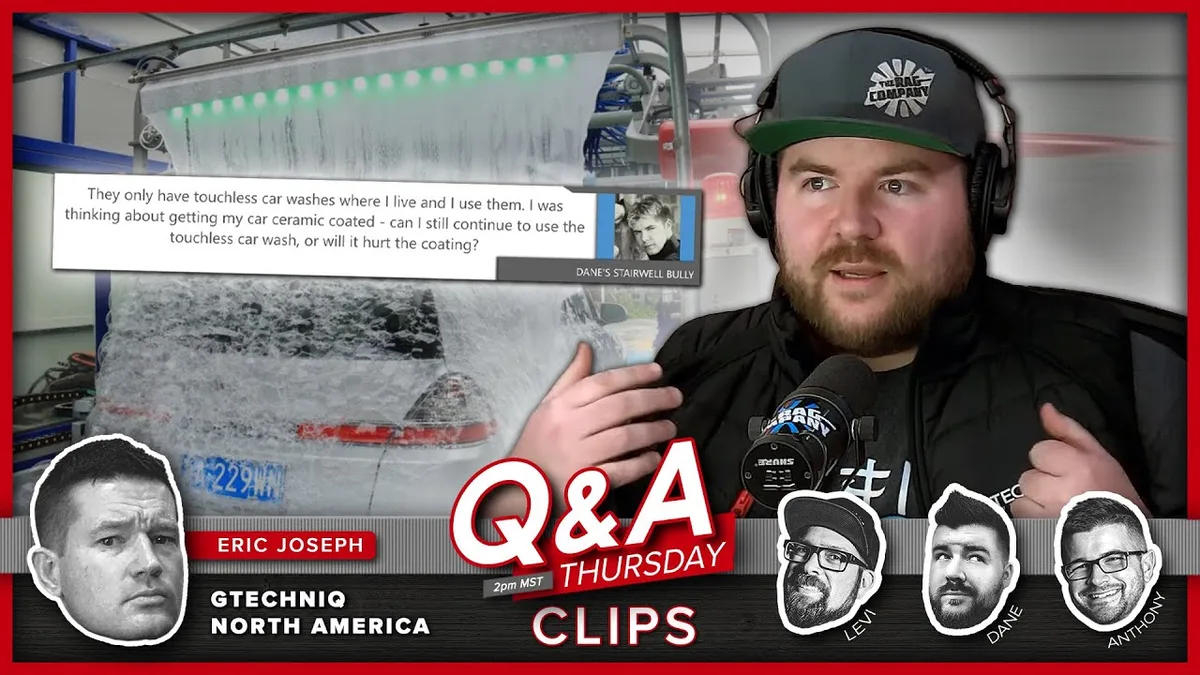
How Ceramic Coating Reacts to Different Car Wash Types
Ceramic coatings bond to your car’s paint at a molecular level, creating a hydrophobic layer that repels water and contaminants. This layer is durable but not invincible. Abrasive contact, extreme pH levels, or high pressure can break it down prematurely.
Touchless washes use high-pressure water and chemicals to clean without physical contact. Soft-cloth automatics rely on fabric brushes, which can trap grit and scratch the coating if not maintained. Hand washes give you control over pressure and tools, but only if done correctly.
The Safest Car Wash Methods for Ceramic Coating
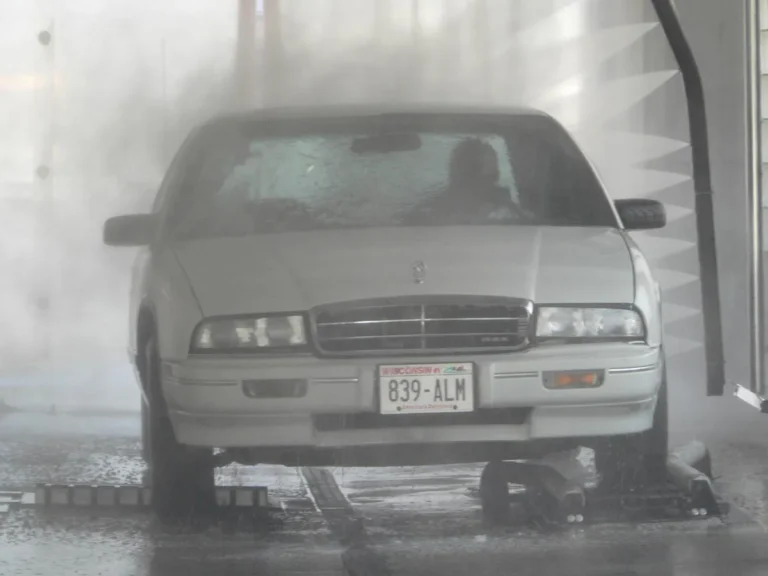
Touchless Automatic Car Washes
These are the safest for ceramic coatings because they eliminate physical contact. The high-pressure water and detergents do the work, but check that the soap is pH-neutral (6.5, 8.5). Some touchless washes use harsh chemicals to compensate for no scrubbing, so avoid those with strong alkaline or acidic cleaners.
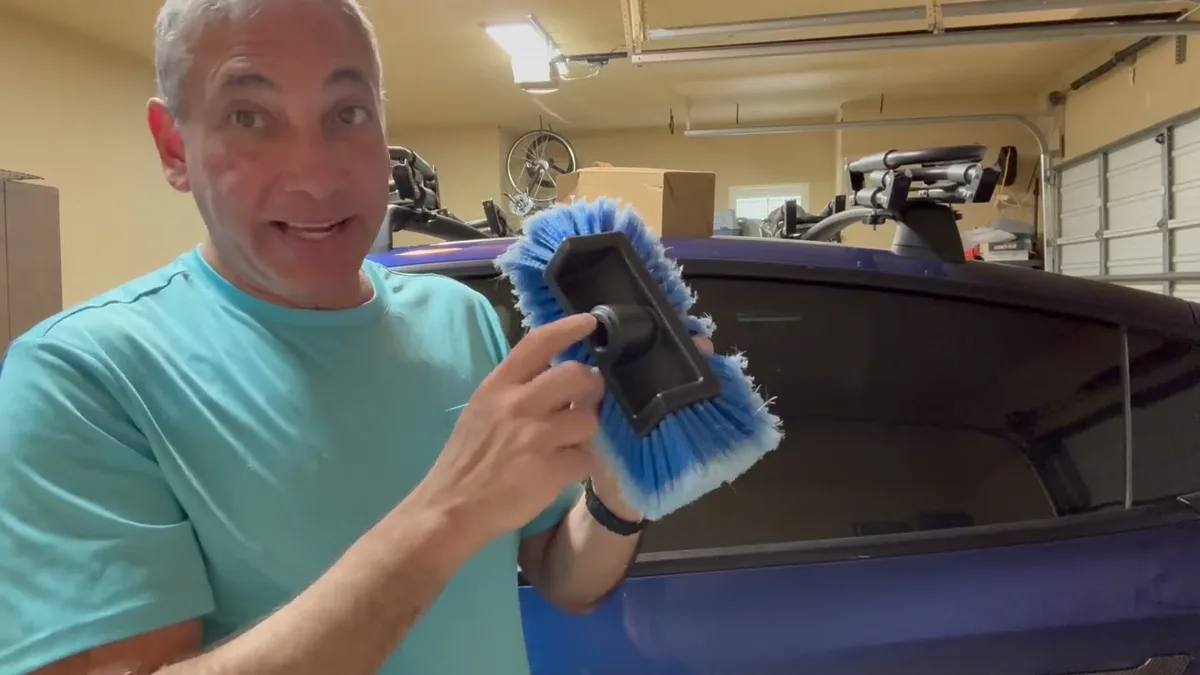
Soft-Cloth Automatic Car Washes
These can work if the brushes are soft, clean, and well-maintained. The risk comes from embedded dirt in the brushes, which can scratch the coating. If you use one, choose a reputable car wash that regularly cleans or replaces its brushes.
Avoid locations with visibly dirty or worn brushes.
Hand Wash Services
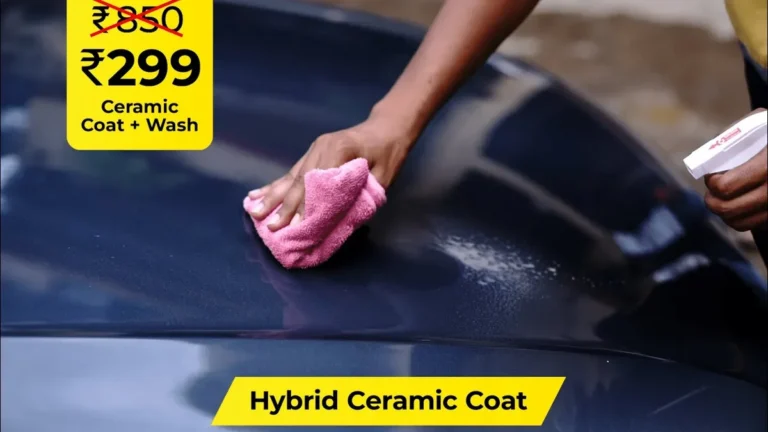
A professional hand wash is one of the best options for ceramic-coated cars. The detailer can use pH-neutral soaps, microfiber wash mitts, and proper drying techniques. However, not all hand washes are equal.
Ask if they use ceramic-safe products and avoid those that rely on stiff brushes or harsh degreasers.
Self-Serve Car Washes
These give you control but require discipline. Use the foam brush if available, but rinse it thoroughly first to remove grit. Stick to low-pressure settings and pH-neutral soaps.
The biggest risk here is user error, scrubbing too hard or using the wrong chemicals can damage the coating.
What to Look for in a Ceramic-Safe Car Wash
Not all car washes are created equal. For ceramic coatings, prioritize these factors:
- No abrasive brushes, Foam or microfiber is safer than stiff nylon or boar’s hair.
- pH-neutral soap, Avoid alkaline (pH > 10) or acidic (pH < 6) cleaners.
- Low water pressure, Under 1,200 PSI to prevent stripping the coating.
- Clean drying method, Air blowers or clean microfiber towels only.
- Regular maintenance, Brushes and equipment should be well-kept and free of debris.
If a car wash can’t confirm these details, it’s better to skip it. As of 2026, many premium detailers now advertise "ceramic-safe" services, but always verify their methods.
Chemicals & pH Levels: What’s Safe and What’s Not
Ceramic coatings are resistant to many chemicals, but extremes in pH can break them down. Here’s what to watch for:
| Chemical Type | Safe pH Range | Risk if Outside Range |
|---|---|---|
| Car wash soap | 6.5–8.5 | Alkaline soaps (pH > 10) can etch the coating over time. Acidic soaps (pH < 6) may cause premature degradation. |
| Degreasers | 7–9 | Strong degreasers can strip hydrophobic properties. |
| Wheel cleaners | 6–8 | Acidic wheel cleaners can splash onto paint and damage the coating. |
| Wax/Sealants | 7–8 | Some waxes contain solvents that can soften ceramic coatings. |
Brushes, Water Pressure, and Drying: The Hidden Risks
The real damage to ceramic coatings often comes from physical contact and improper drying. Soft brushes seem safe but can trap dirt that scratches the surface. Even microfiber can cause swirl marks if it’s not clean.
Water pressure above 1,200 PSI can strip away the coating’s hydrophobic layer over time. That’s why many touchless washes keep pressure below this threshold. Always check the specs if you’re unsure.
Drying is just as critical. Air blowers are the safest option. If you use a towel, make sure it’s a clean microfiber cloth to avoid marring the finish.
How Often Should You Wash a Ceramic-Coated Car?
Washing every two weeks is ideal for most ceramic-coated cars. This prevents contaminants like bird droppings or road salt from bonding to the surface. In harsh climates or high-pollution areas, you might need to wash weekly.
Over-washing can also be an issue. Frequent exposure to even mild detergents can gradually wear down the coating. Stick to a consistent schedule and use the gentlest method possible.
If your car sits in a garage most of the time, you can stretch the interval to once a month. Just rinse off loose dirt between washes to maintain the coating’s effectiveness.
Common Mistakes That Ruin Ceramic Coating
Using the wrong soap is a top offender. Alkaline wheel cleaners or degreasers can strip the coating if they come into contact with the paint. Always use a pH-neutral car wash soap.
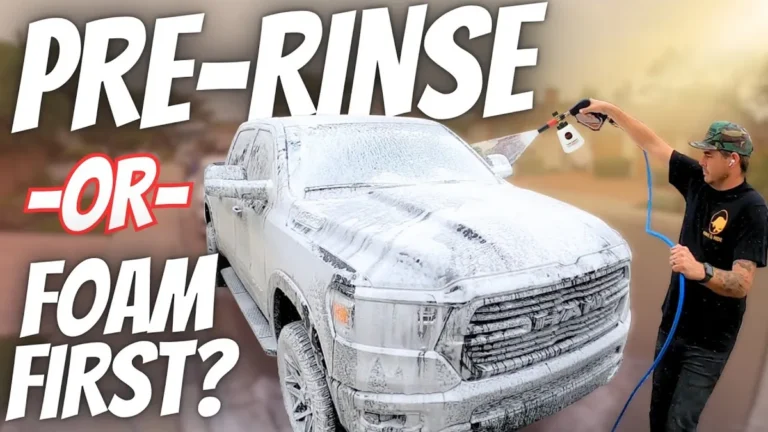
Another mistake is skipping the pre-wash rinse. Blasting dirt and grit with high pressure can scratch the coating. Rinse first to remove loose debris before applying soap.
Letting water spots dry on the surface can also cause issues. Minerals in hard water can etch into the coating over time. Always dry the car thoroughly after washing.
DIY Washing vs. Professional Car Washes: Which Is Better?
DIY washing gives you full control over the products and techniques. You can use pH-neutral soaps, soft wash mitts, and proper drying methods. However, it requires time, effort, and the right tools.
Professional car washes offer convenience but vary widely in quality. A high-end detailer with ceramic-safe methods is ideal. Budget automatic washes with harsh brushes or chemicals can do more harm than good.
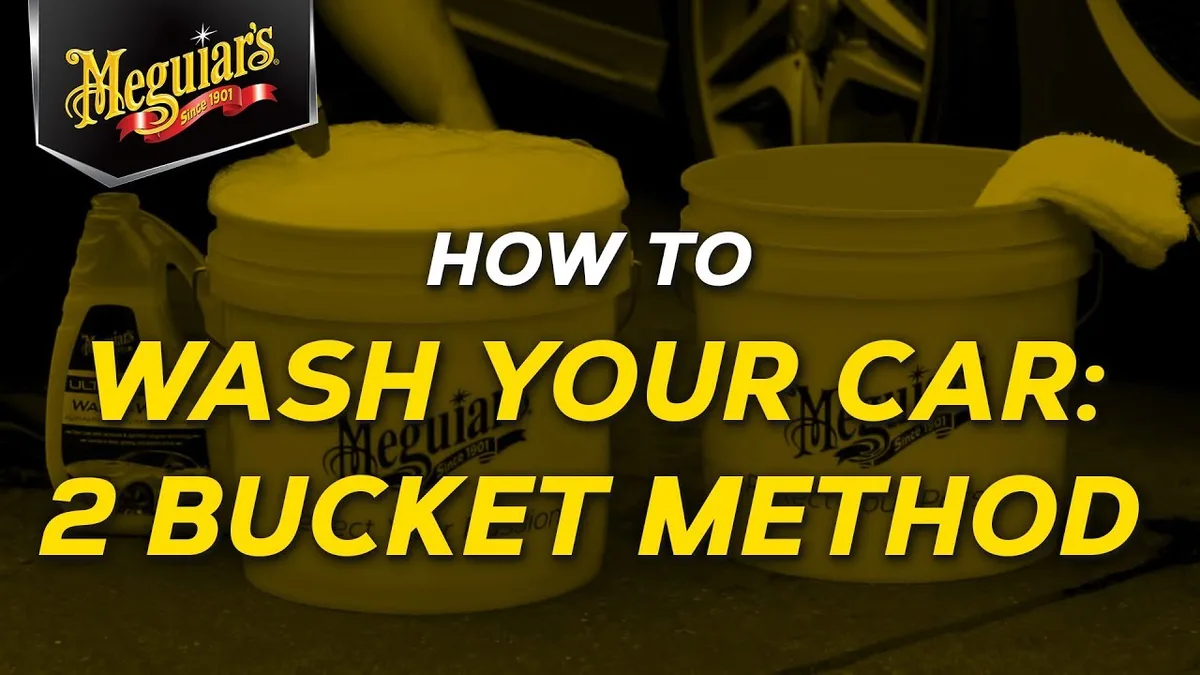
For most ceramic-coated cars, a professional hand wash is the best balance of safety and convenience. If you prefer DIY, invest in quality supplies and follow best practices.
How to Tell If a Car Wash Is Damaging Your Coating
Water beading is a good indicator of your coating’s health. If water no longer beads up and sheets off easily, the coating may be wearing down. This can happen after repeated exposure to harsh washes.
Visible swirl marks or scratches are another red flag. These often appear after using abrasive brushes or dirty towels. Inspect your car in direct sunlight to spot these issues early.
A loss of gloss or a dull appearance can also signal damage. Ceramic coatings enhance shine, so if your car looks less vibrant, the wash method might be to blame. Switch to a gentler approach and monitor the results.
Maintenance Tips to Extend Your Ceramic Coating’s Life
Apply a ceramic booster spray every 3, 6 months to refresh the hydrophobic properties. These sprays contain SiO2 or TiO2 to replenish the coating’s protective layer.
Wash your car in the shade to prevent water spots from drying too quickly. Direct sunlight can cause minerals in water to bond to the surface before you can rinse them off.
Use a water softener if you live in a hard water area. This reduces mineral deposits that can etch the coating over time.
FAQs About Washing Ceramic-Coated Cars
Can I use a pressure washer on a ceramic-coated car?
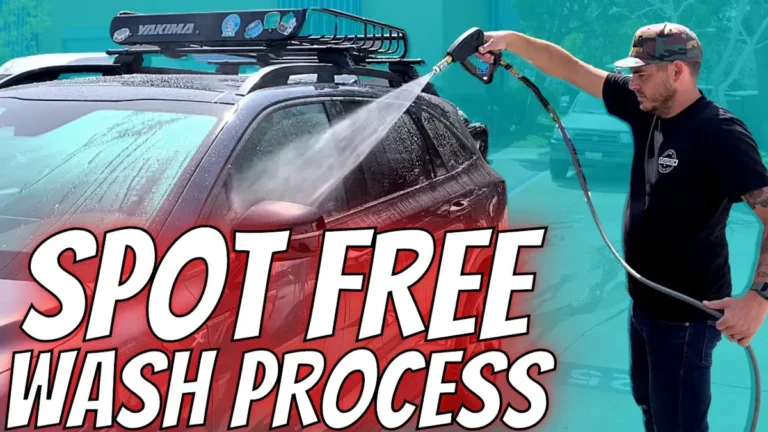
Yes, but keep the pressure below 1,200 PSI and use a wide-angle nozzle. Higher pressure or a narrow stream can damage the coating.
How do I dry a ceramic-coated car without scratching it?
Use a clean microfiber towel or an air blower. Avoid regular towels or chamois, which can trap dirt and scratch the surface.
Will a touchless car wash remove my ceramic coating?
No, a touchless wash won’t remove the coating if it uses pH-neutral soaps and proper pressure settings. However, repeated exposure to harsh chemicals can degrade it over time.
How often should I reapply ceramic coating?
Most consumer-grade coatings last 2, 5 years. Reapply when water no longer beads properly or the gloss fades.
Can I use wax on top of ceramic coating?
Yes, but it’s not necessary. Wax can add extra shine but won’t last as long as the coating itself. Use a ceramic-safe wax if you choose to apply it.
What’s the best soap for a ceramic-coated car?
A pH-neutral car wash soap is ideal. Avoid dish soaps, degreasers, or any product with strong alkaline or acidic properties.
Final Verdict: Best Car Wash for Ceramic Coating
Touchless car washes are the safest option for ceramic coatings. They eliminate physical contact while using high-pressure water and detergents to clean effectively.
Soft-cloth automatics can work if the brushes are clean and gentle. Hand washes are the best for control but require proper technique and products.
Avoid car washes with harsh chemicals, high pressure, or dirty brushes. Stick to pH-neutral soaps and gentle drying methods to preserve your coating’s lifespan.