If you’ve invested in a ceramic coating for your car, a standard car wash can do more harm than good. The ceramic mirror car wash benefits are real: it preserves your coating’s gloss, prevents micro-scratches, and keeps hydrophobic properties intact. Regular washes with harsh brushes or chemicals strip away protection over time.
Manufacturer specs confirm that ceramic coatings last 2, 5 years, but only if maintained properly. A ceramic-safe wash uses pH-neutral soaps and soft materials to avoid damaging the finish. That’s why understanding how these washes work is the first step to protecting your investment.
Quick Answer
Ceramic mirror car wash benefits include longer coating life. It prevents swirl marks. It maintains hydrophobic properties. pH-neutral soaps protect the finish.
Soft materials avoid scratches.
Why Ceramic Mirror Car Washes Stand Out
Ceramic coatings create a hard, protective layer over your car’s paint. Unlike wax or sealants, they bond chemically to the surface, offering superior durability and a mirror-like shine. But they’re not invincible, abrasive washes, harsh detergents, or improper drying can degrade them faster than expected.
A ceramic mirror car wash is designed specifically for coated vehicles. It uses gentle, non-abrasive methods to clean without compromising the coating’s integrity. As of 2026, most premium detailers and automatic washes now offer ceramic-safe options, recognizing the growing demand from coating users.
How Ceramic Mirror Car Washes Work
These washes rely on three key principles: gentle contact, chemical safety, and thorough rinsing.
First, they use soft microfiber mitts, foam brushes, or touchless high-pressure jets to avoid scratching. Traditional brushes, especially those with stiff bristles, can leave micro-marks that dull the finish over time.
Second, the cleaning agents are pH-neutral (typically between 6.5 and 7.5). Alkaline or acidic soaps break down ceramic coatings prematurely. Manufacturer guidelines for products like Gyeon or Ceramic Pro explicitly warn against harsh chemicals.
Finally, they prioritize a spot-free rinse and drying process. Water spots can etch into the coating if left to dry naturally, so ceramic-safe washes often include filtered water and air blowers.
Key Features That Protect Your Coating
Not all car washes are created equal. Here’s what sets ceramic-safe options apart:
- Touchless or soft-contact systems: No abrasive brushes that can scratch.
- pH-balanced shampoos: No stripping of the hydrophobic layer.
- Pre-soak stages: Loosens dirt before any contact cleaning.
- Filtered water: Reduces mineral deposits that cause spotting.
- Air drying: Prevents water marks without physical wiping.
Some high-end washes even offer post-wash ceramic boosters. These sprays replenish the hydrophobic properties, extending the time between full re-applications.
The Real Benefits of Using a Ceramic-Safe Wash
The advantages go beyond just keeping your car clean. Here’s what you gain:
Longer coating lifespan
Ceramic coatings degrade faster with improper washing. A ceramic-safe wash helps maintain the 2, 5 year lifespan most manufacturers promise.
Preserved gloss and hydrophobicity
The mirror finish stays sharper, and water beads up as it should. Aggregate reviews report that cars washed with ceramic-safe methods retain their beading effect for up to 12 months between re-applications.
Reduced risk of swirl marks
Soft materials and proper techniques minimize micro-scratches. This is critical for dark-colored cars, where swirls are most visible.
Eco-friendly options
Many ceramic-safe washes use less water and biodegradable soaps. This aligns with the EPA’s recommendations for sustainable car care.
Convenience for frequent washing
Ceramic coatings repel dirt, but they still need regular cleaning. A ceramic-safe wash lets you clean more often without the risk of damage.
Ceramic Mirror Wash vs. Traditional Car Wash: What’s the Difference?

Traditional car washes often use stiff brushes and alkaline soaps. These can strip ceramic coatings and leave micro-scratches. Ceramic mirror washes avoid both.
The biggest difference is in the contact method. Traditional washes rely on rotating brushes that drag dirt across the paint. Ceramic-safe washes use soft cloth, foam, or touchless jets to lift dirt away.
Chemistry matters too. Standard car wash soaps often have a pH of 9, 12. Ceramic-safe versions stay neutral (6.5, 7.5) to protect the coating’s bond with the paint.
Who Should (and Shouldn’t) Use a Ceramic Mirror Wash
Ceramic mirror washes are ideal for cars with professional-grade coatings like Ceramic Pro or Gyeon. These coatings cost $500, $2000 and need gentle care to justify the investment.
Daily drivers with DIY ceramic sprays can also benefit. These products are less durable but still require pH-neutral cleaning to last their full 6, 12 months.
Avoid ceramic mirror washes if your car has no coating. The extra cost isn’t justified. Standard washes with soft cloth options work fine for uncoated paint.
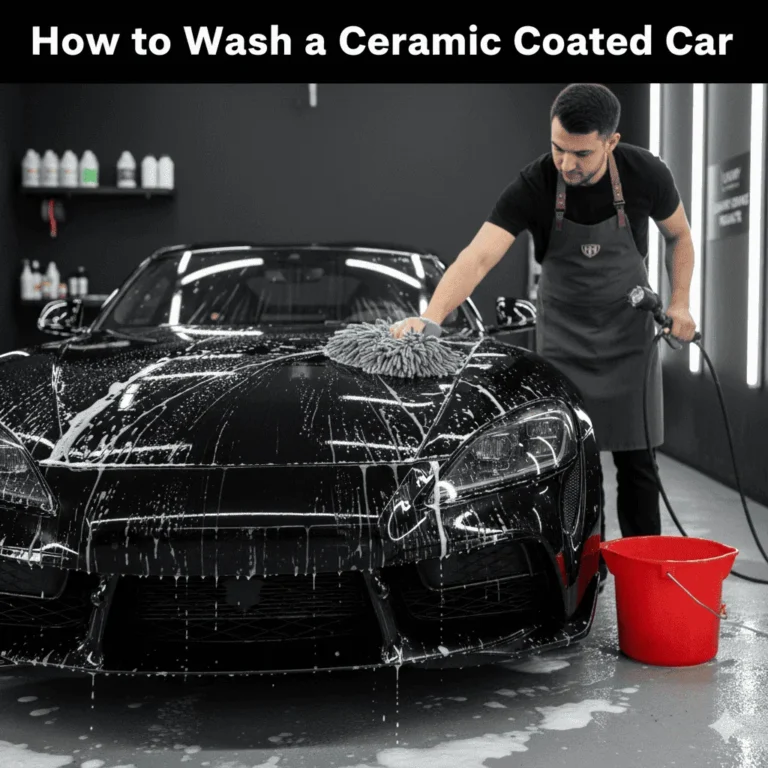
Step-by-Step: How to Wash a Ceramic-Coated Car the Right Way
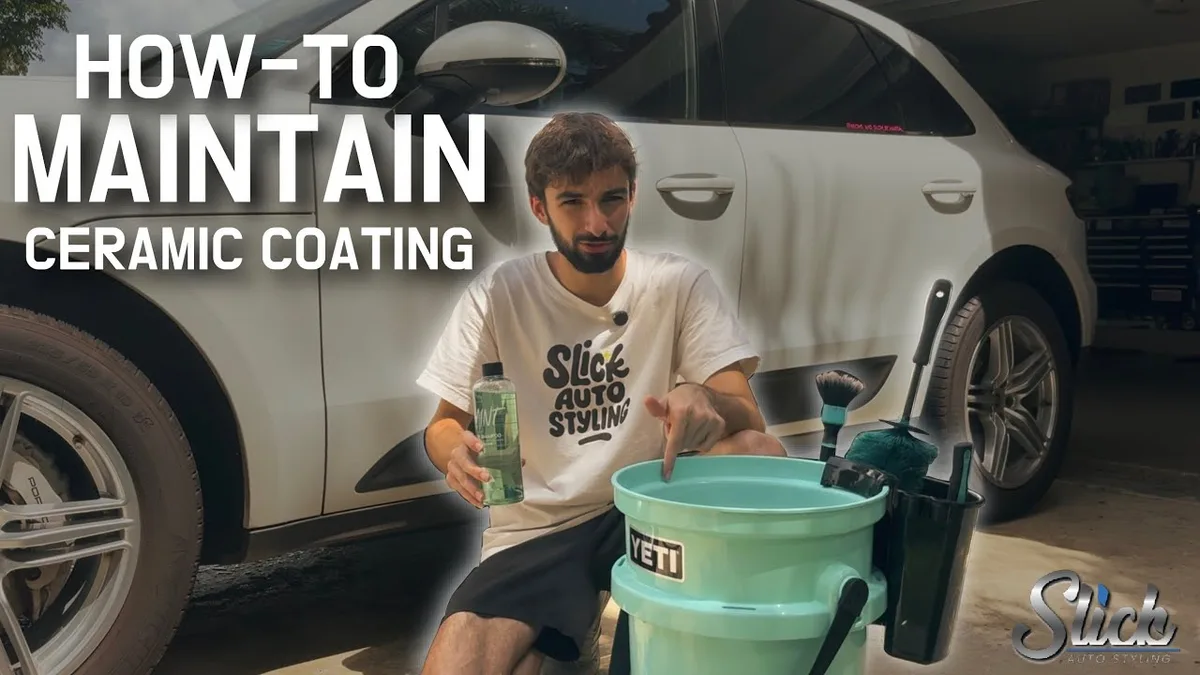
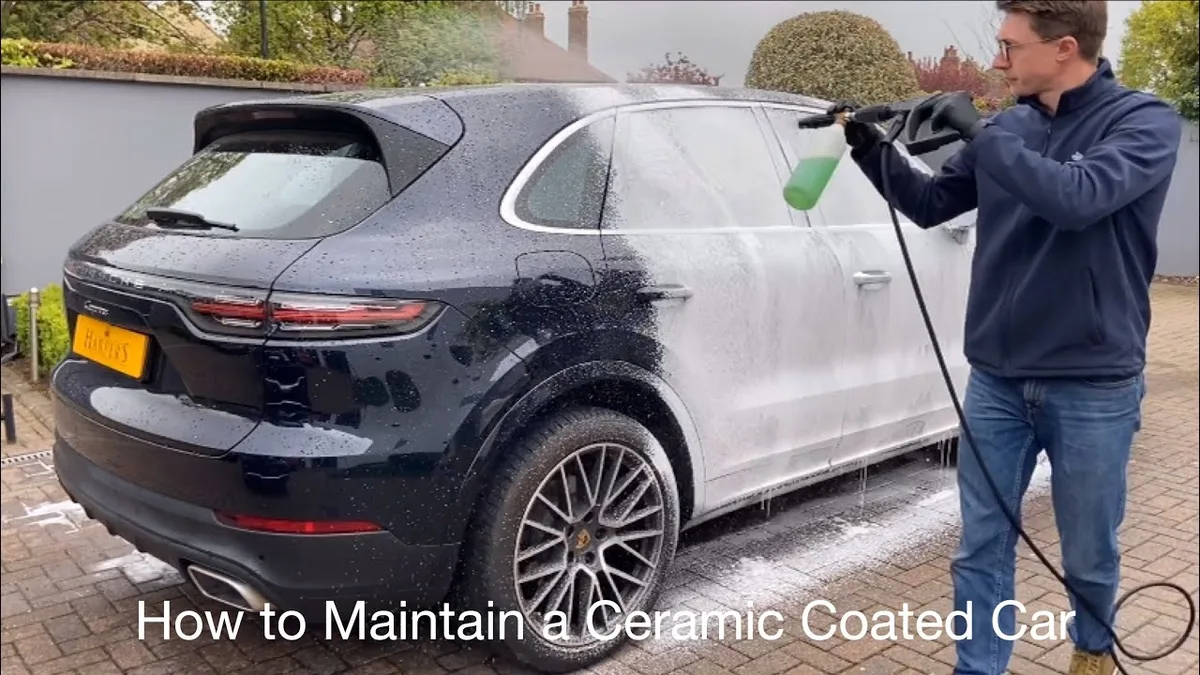
Start with a pre-rinse. Use a pressure washer or hose to remove loose dirt. This prevents scratching during the wash.
Use a pH-neutral car shampoo. Apply with a microfiber mitt, not a sponge. Work in straight lines, not circles, to avoid swirl marks.
Rinse thoroughly. Any soap residue can dull the coating’s hydrophobic effect. Finish with a filtered water rinse to prevent water spots.
Dry with a clean microfiber towel or air blower. Never let the car air-dry, as minerals in water can etch the coating.
Common Mistakes That Ruin Ceramic Coatings
Using dish soap or household cleaners is a fast way to degrade the coating. These products are too harsh for automotive finishes.
Automatic car washes with brushes are risky. Even soft brushes can accumulate grit that scratches the coating over time.
Skipping the pre-wash is another common error. Dirt left on the surface acts like sandpaper during washing.
Not drying the car properly leads to water spots. These can bond to the coating and require polishing to remove.
Costs: What to Expect for a Ceramic-Safe Wash
A basic ceramic-safe wash at a detail shop costs $15, $30. This includes hand washing with pH-neutral soap and microfiber towels.
Automatic ceramic-safe washes run $20, $50. These use touchless or soft-cloth systems with filtered water.
DIY ceramic-safe washing is the cheapest option. A bottle of pH-neutral shampoo costs $10, $20 and lasts for multiple washes. You’ll need a microfiber mitt and towels, adding another $10, $15.
How Often Should You Wash a Ceramic-Coated Car
Wash every 1, 2 weeks to prevent dirt buildup. Ceramic coatings repel contaminants but don’t eliminate them.
In harsh climates with salt, pollen, or industrial fallout, wash weekly. These elements can etch the coating if left too long.
For garage-kept cars in clean environments, biweekly washes are sufficient. Over-washing isn’t necessary and can waste time and resources.
Pro Tips to Extend Your Ceramic Coating’s Life
Use a ceramic-safe quick detailer between washes. This boosts hydrophobicity and adds a fresh layer of protection.
Avoid parking under trees. Sap and bird droppings are acidic and can damage the coating if not removed quickly.
Apply a ceramic booster spray every 3, 6 months. This refreshes the hydrophobic layer without a full reapplication.
Always use separate mitts for wheels and paint. Brake dust contains metal particles that can scratch the coating.
Signs Your Car Wash Is Damaging Your Ceramic Coating
Water no longer beads on the surface. This means the hydrophobic layer is wearing off.
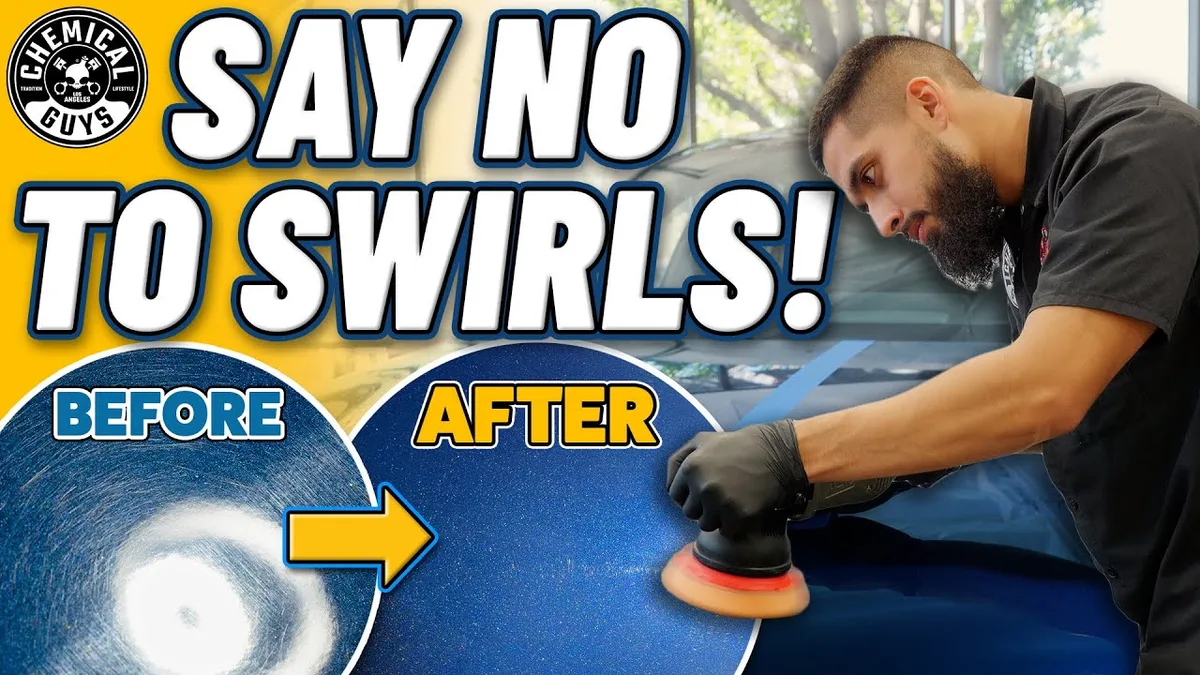
Visible swirl marks or haze appear after washing. These indicate micro-scratches from improper techniques.
The coating feels rough to the touch. A healthy ceramic coating should be smooth and slick.
Water spots are harder to remove. This suggests mineral deposits have bonded to the coating.
Best Alternatives If a Ceramic Mirror Wash Isn’t Available
Use the two-bucket method at home. One bucket for soap, one for rinsing your mitt prevents cross-contamination.
Choose a touchless automatic wash. These avoid physical contact that can scratch the coating.
Opt for a hand wash at a reputable detail shop. Ask specifically for pH-neutral soap and microfiber towels.
Avoid brush-based automatic washes. Even soft brushes can accumulate grit that damages the coating.
Frequently Asked Questions
Does a ceramic coating mean I never have to wash my car?
No. Ceramic coatings repel dirt but still need regular cleaning. Dirt buildup can reduce the coating’s effectiveness over time.
Wash every 1, 2 weeks to maintain protection.
Can I use any car soap on a ceramic-coated car?
No. Only pH-neutral car shampoos are safe. Alkaline or acidic soaps can break down the coating.
Check the label for a pH range of 6.5, 7.5.
How do I know if my car wash is ceramic-safe?
Ask the wash operator. Look for touchless systems or soft-cloth options. Avoid washes with stiff brushes or unknown chemical blends.
Will a ceramic mirror wash remove existing swirl marks?
No. It prevents new swirl marks but won’t fix existing ones. For swirl removal, you’ll need professional polishing or compounding.
Is a ceramic mirror wash worth the extra cost?
Yes, if you have a ceramic coating. The extra $5, $20 per wash protects a $500, $2000 investment. For uncoated cars, it’s unnecessary.