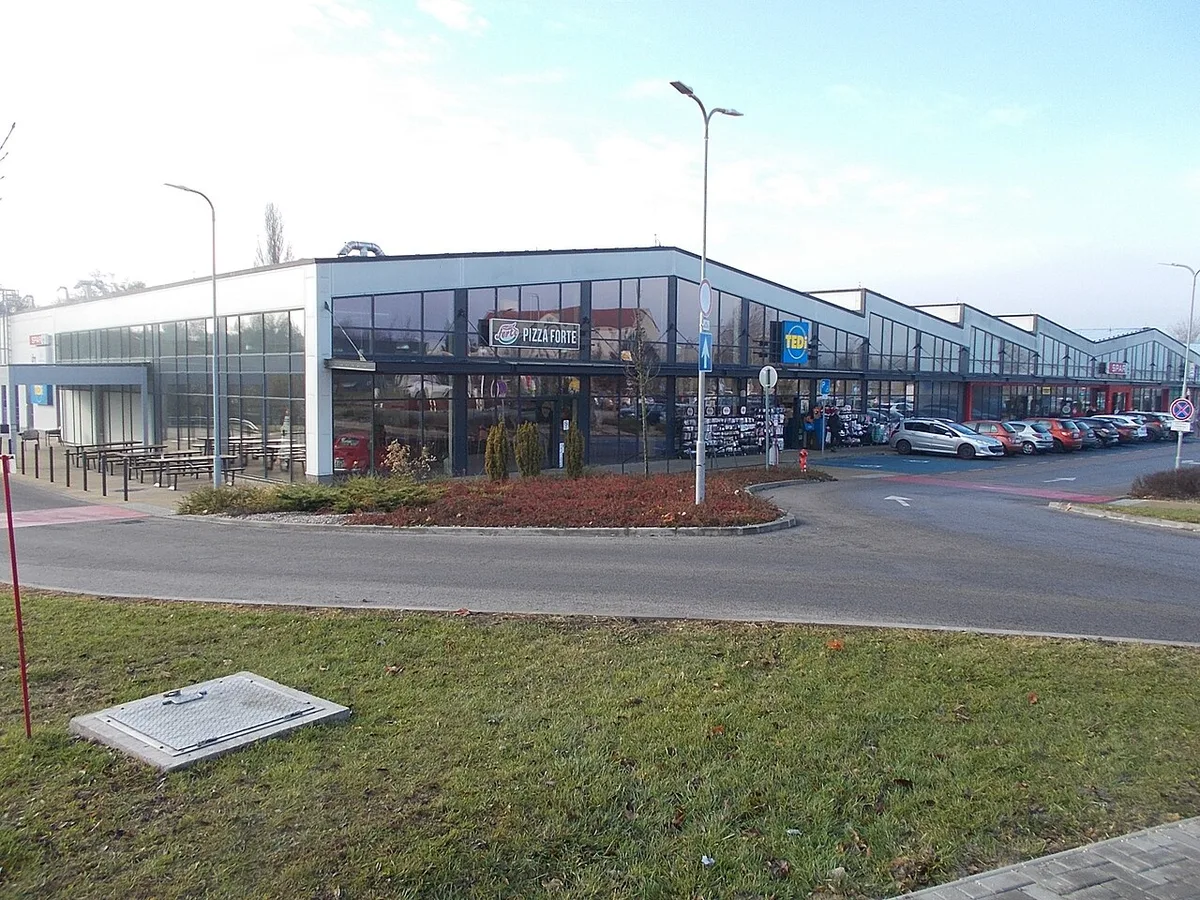
A self serve car wash gives you full control over cleaning your vehicle, but only if you follow the right steps. These self serve car wash instructions will walk you through the process so you avoid common mistakes that leave swirl marks or water spots.
Most self-serve bays offer 800, 2,000 PSI pressure washers and timed sessions, so knowing the workflow saves time and protects your paint.
Quick Answer
A self serve car wash uses high-pressure nozzles and foam brushes. You pay by coin or card for timed sessions. Rinse first, then soap, scrub, and rinse again.
Always dry with a microfiber towel.
What a Self-Serve Car Wash Is and When to Use It
A self-serve car wash is a do-it-yourself bay where you handle the washing with provided tools. It’s ideal for quick cleanups between full detail sessions or when you want to target specific areas like wheels or undercarriages.
These setups are common at gas stations and standalone facilities, offering more control than automatic car washes. They’re perfect for removing salt in winter or dust in dry climates.
How Self-Serve Car Washes Work: The Setup and Tools
Self-serve bays include a few key components:
- Pressure washer: Adjustable nozzles with 800, 2,000 PSI output
- Foam brush/soft brush: For scrubbing without scratching
- Soap dispenser: Pre-mixed car wash soap
- Spot-free rinse: Optional in some locations
- Vacuum station: Often available for interior cleaning
- Timer/payment terminal: Coin or card-operated
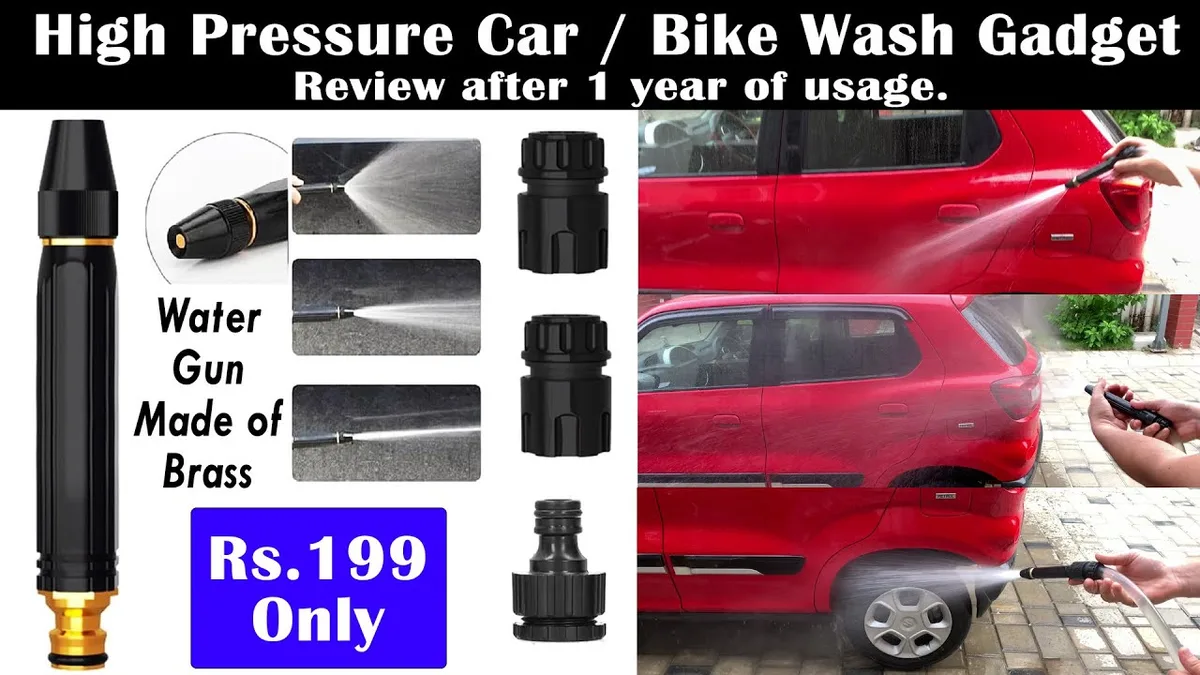
The pressure washer is the workhorse. Manufacturer specs confirm most self-serve systems use stainless steel nozzles for durability. The foam brush helps lift dirt without damaging clear coats.
Self-Serve vs. Automatic vs. Hand Wash: Which Is Right for You?
Each method has its place. Here’s how they compare:
| Feature | Self-Serve | Automatic | Hand Wash |
|---|---|---|---|
| Cost | $5–$15 per wash | $10–$25 per wash | $0 (DIY at home) |
| Time | 10–20 minutes | 5–10 minutes | 30–60 minutes |
| Control | Full | None | Full |
| Pressure | High (adjustable) | High (fixed) | Low (garden hose) |
| Best for | Quick clean | Convenience | Deep cleaning |
Self-serve wins for control and cost. Automatic washes are faster but less thorough. Hand washing at home gives the best results but requires more effort.
Step-by-Step Self-Serve Car Wash Process (Do It Right the First Time)
Pre-Wash Prep: What to Check Before You Start
Remove loose items like antennas or floor mats. Check for bird droppings or tree sap, these need pre-treatment to avoid etching the paint.
If your vehicle has a wax coating, skip harsh pre-soaks to preserve the finish.
Remove loose items like antennas or floor mats. Check for bird droppings or tree sap, these need pre-treatment to avoid etching the paint.
If your vehicle has a wax coating, skip harsh pre-soaks to preserve the finish.
The 7-Step Wash Workflow (With Time-Saving Tips)
- Rinse: Use the high-pressure nozzle to remove loose dirt. Start at the top and work down.
- Pre-soak: Apply wheel cleaner and pre-soak solution to stubborn grime.
- Soap: Use the foam brush or soap dispenser to cover the car in suds.
- Scrub: Gently scrub with the foam brush, focusing on dirty areas.
- Rinse: Thoroughly rinse off all soap to prevent residue.
- Spot-free rinse: If available, use this to minimize water spots.
- Dry: Use microfiber towels to dry the car immediately.
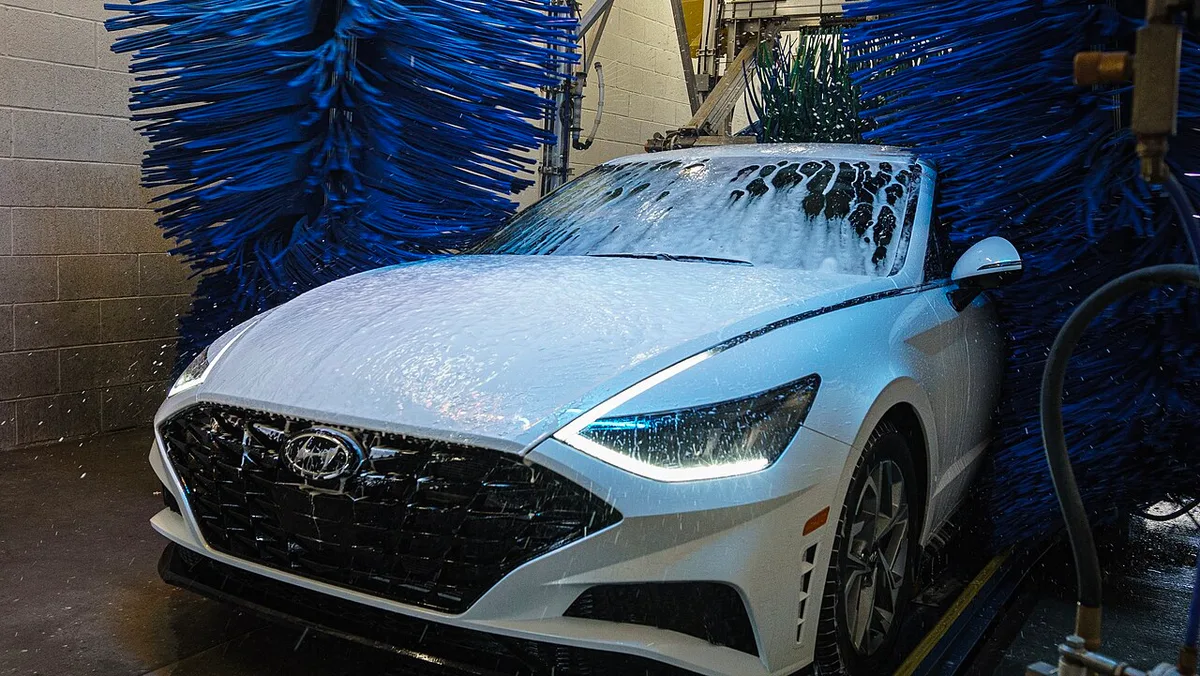
Work in sections to avoid soap drying before rinsing. Drying is the most skipped step, yet it’s critical for a streak-free finish.
Drying and Finishing Like a Pro
Use a clean microfiber towel to dry the car immediately after rinsing. Water left to air-dry will leave spots, especially in hard water areas.
Work from the top down and flip the towel often to avoid redistributing dirt. Premium microfiber holds up to 8 times its weight in water without scratching.
Common Mistakes That Ruin Your Paint (And How to Avoid Them)
Using the wrong nozzle setting can strip paint or leave swirl marks. Always start with a wide fan spray and only increase pressure for stubborn grime.
Letting soap dry on the surface creates a film that’s hard to remove. Rinse each section before moving to the next.
Skipping the drying step is another common error. Water spots form quickly in direct sunlight, so dry immediately or move to a shaded area.
Costs, Time, and What to Expect at the Bay
A typical self-serve wash costs $5, $15, depending on location and options. Most bays give you 10, 20 minutes per session, which is enough for a thorough wash if you work efficiently.
Expect to spend extra time if you’re cleaning wheels or undercarriages. First-time users often underestimate how long drying takes, so budget an additional 5, 10 minutes.
Pro Tips for a Spotless, Swirl-Free Finish
Pre-treat bird droppings or tree sap with a dedicated cleaner before washing. These contaminants can etch paint if left too long.
Use two buckets if you’re bringing your own supplies: one for soap and one for rinsing your mitt. This prevents cross-contamination that causes swirls.
Apply a quick detailer spray after drying for extra shine. It fills minor imperfections and enhances gloss without the effort of a full wax.
Safety and Vehicle Care: What Not to Do
Never point the pressure nozzle at people, animals, or delicate vehicle parts. The 800, 2,000 PSI stream can cause injury or damage.
Avoid using household cleaners like dish soap. They strip wax and can damage clear coats over time.
Don’t stand on equipment or lean against the bay walls. These surfaces can be slippery, and manufacturer warnings often highlight fall risks.
Frequently Asked Questions
How long does a self-serve car wash take?
A basic wash takes 10, 20 minutes. Add 5, 10 more minutes if you’re drying thoroughly or cleaning wheels and undercarriages.
Can I use dish soap in a self-serve car wash?
No. Dish soap strips wax and can damage your car’s finish over time. Always use pH-balanced car wash soap.
What’s the best way to dry my car after washing?
Use a clean microfiber towel and work from the top down. Flip the towel often to avoid redistributing dirt.
How do I avoid water spots?
Rinse thoroughly and dry immediately. If your local water is hard, use the spot-free rinse option if available.
Is a self-serve car wash safe for my paint?
Yes, if you use the right settings. Start with a wide spray, avoid high pressure on delicate areas, and never let soap dry on the surface.