Touchless car washes are a convenient way to keep your vehicle clean, but you’ve probably wondered: are touchless car washes safe? The short answer is yes for most cars, but there are exceptions depending on your vehicle’s finish and tech.
Manufacturer specs confirm that systems using 800, 1,200 PSI water pressure and pH-balanced detergents are generally safe for factory paint. However, high-end finishes and advanced driver-assistance systems (ADAS) need extra caution.
Quick Answer
Touchless car washes are safe for most vehicles. They avoid brushes that can scratch paint. High-pressure water typically stays under 1,200 PSI.
Sensors and delicate trim may still be at risk.
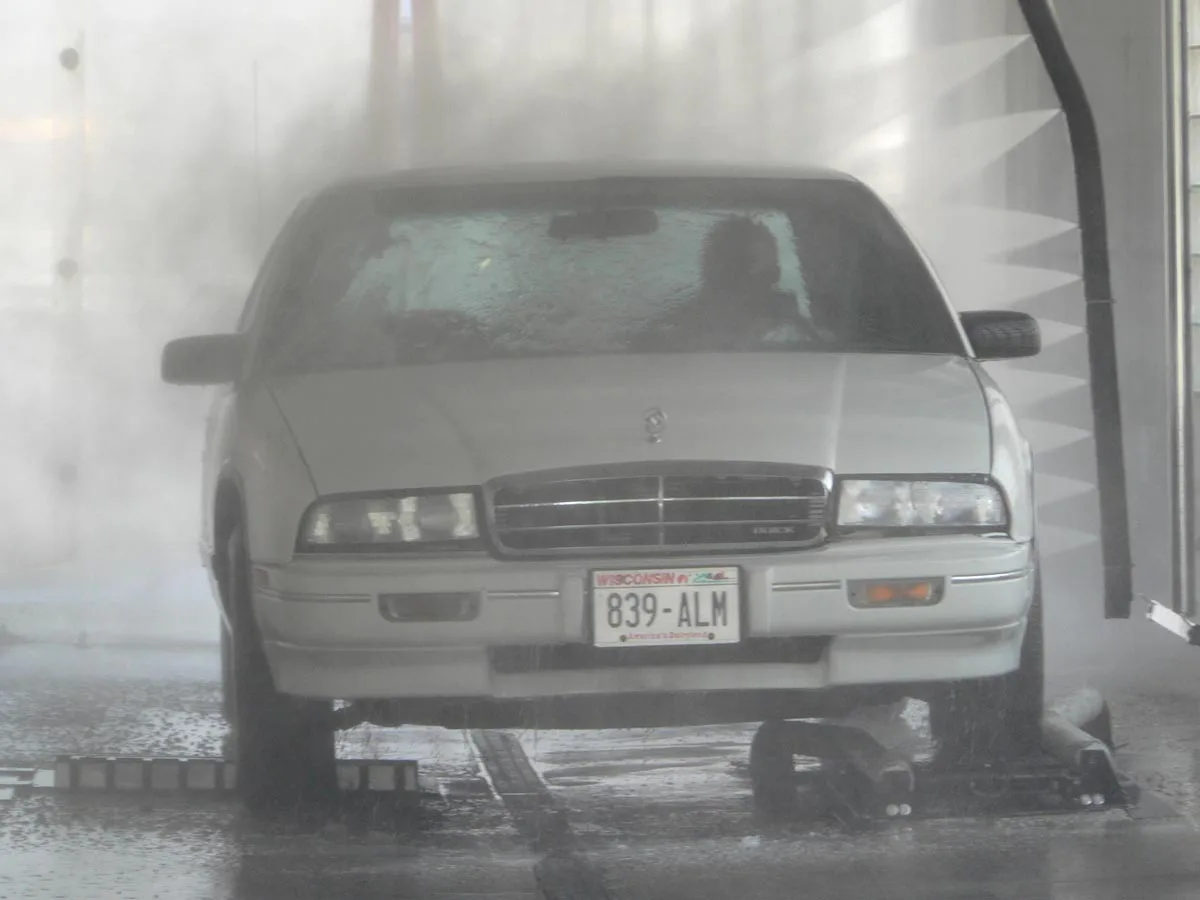
The Short Answer: Yes, But With Caveats
Touchless car washes eliminate the friction of brushes or cloths, which is the main cause of swirl marks on clear coats. That’s a big win for paint longevity. But the trade-off is high-pressure water jets, which can be problematic for certain vehicles.
For most daily drivers with standard factory paint, the risk is minimal. The International Carwash Association reports that modern touchless systems use water pressures between 800 and 1,200 PSI, well below the 1,500, 2,000 PSI threshold that can strip paint or damage seals. However, if your car has a matte finish, vinyl wrap, or aftermarket ceramic coating, check the manufacturer’s guidelines first.
Some wraps and coatings can’t handle the force.
How Touchless Car Washes Work (And Where They Can Go Wrong)
A touchless car wash relies on a sequence of high-pressure water jets, chemical detergents, and air dryers to clean your vehicle without physical contact. Here’s the typical process:
- Pre-soak: A low-pressure spray of alkaline or pH-neutral detergent loosens dirt and grime.
- High-pressure rinse: Water jets at 800, 1,200 PSI blast away the loosened debris.
- Foam application: A thick foam (often with wax or sealant additives) clings to the surface for deeper cleaning.
- Final rinse: Spot-free water removes soap residue to prevent water spots.
- Drying: Air blowers or a spot-free rinse aid in drying.
The system sounds foolproof, but the devil’s in the details. If the nozzles are misaligned or the pressure is too high, water can force its way into seams, under trim, or behind sensors. Over time, this can lead to electrical issues or corrosion.
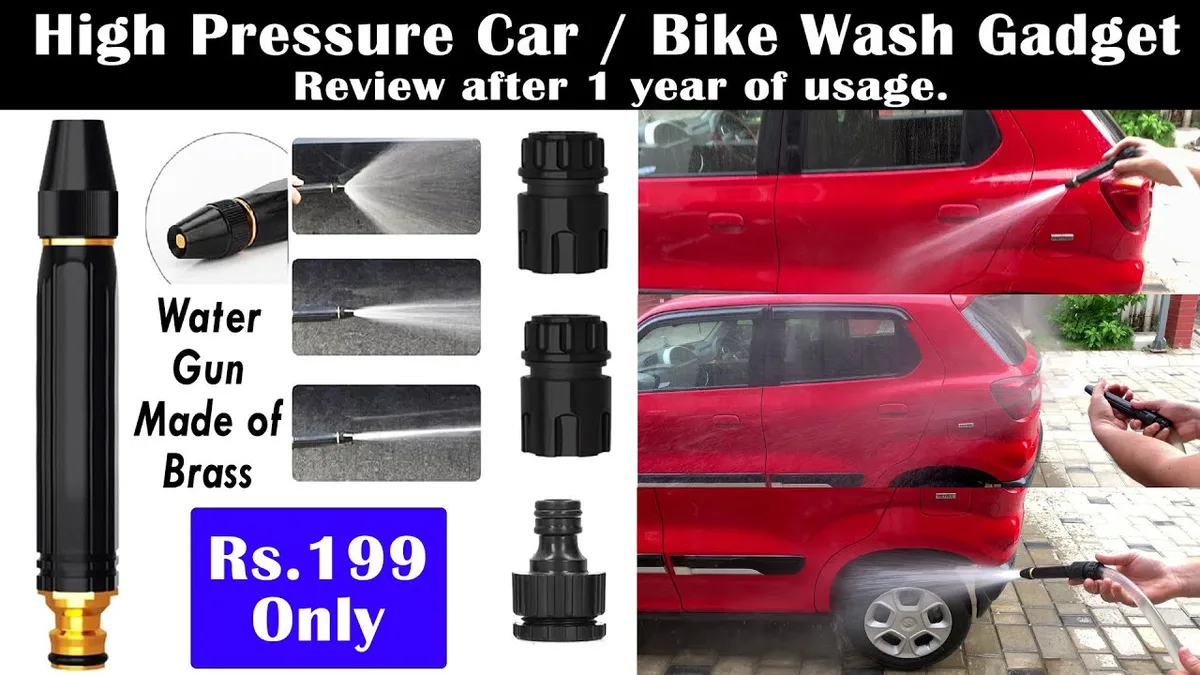
What’s Inside a Touchless Car Wash System?
Touchless car washes are more than just water sprayers. Here’s what you’re actually dealing with:
- High-pressure pumps: Generate the water force, typically rated for 800, 1,200 PSI.
- Nozzles: Precision-engineered to distribute water evenly. Some systems use rotating or oscillating nozzles for better coverage.
- Chemical dispensers: Apply pre-soak, foam, and rinse agents. The best systems use pH-balanced (6.5, 8.5) detergents to avoid damaging paint or wax.
- Drying system: Air blowers or spot-free water rinses to prevent water spots.
- Control system: Automates the sequence, timing, and pressure for each step.
The quality of these components varies. Cheaper systems might use lower-grade nozzles that create uneven pressure, or harsh chemicals that leave residue.
The Pros: Why People Love Touchless Washes
Touchless car washes have surged in popularity for good reason. Here’s what makes them a go-to for many drivers:
- No swirl marks: Without brushes or cloths, there’s no risk of micro-scratches from dirt trapped in cleaning materials.
- Speed: A full wash takes 5, 10 minutes, compared to 30+ minutes for a hand wash.
- Consistency: Automated systems apply water and chemicals evenly, reducing the chance of missed spots.
- Convenience: Drive in, pay, and let the system do the work. No physical effort required.
- Gentle on finishes: Safe for most factory paint jobs, clear coats, and even some ceramic coatings (check manufacturer guidelines).
- Year-round use: Unlike self-service bays, touchless systems often operate in freezing temperatures.
The Cons: Hidden Risks to Your Paint, Sensors, and More
Touchless car washes aren’t perfect. The biggest risk comes from high-pressure water forcing its way into gaps, seams, or under trim. Over time, this can cause electrical issues in sensors or corrosion in hidden areas.
Matte finishes, vinyl wraps, and aftermarket paint jobs are particularly vulnerable. The pressure can lift edges or dull the surface. Even factory clear coats can develop micro-scratches if the water contains abrasive particles.
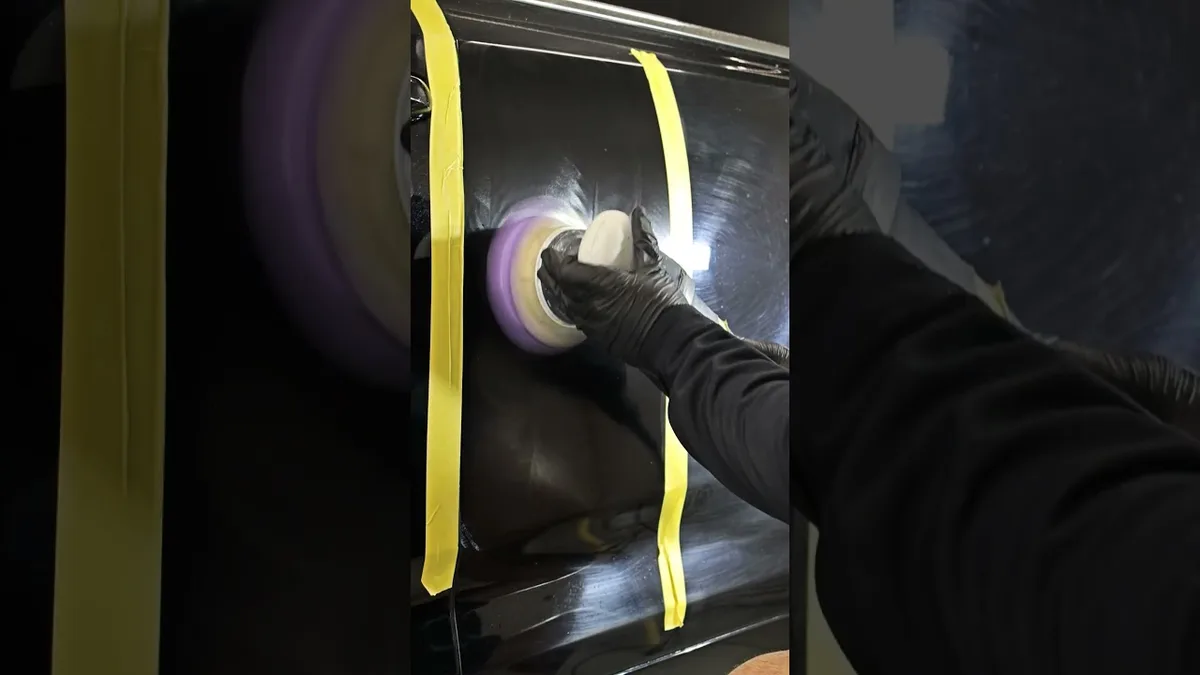
ADAS sensors are another concern. Modern cars have cameras and radar for parking aids and collision avoidance. A direct blast of 1,000+ PSI water can dislodge or misalign these components.
Tesla and other manufacturers explicitly warn against high-pressure washes for this reason.
Touchless vs. Soft-Cloth vs. Hand Wash: Which Is Safest?
Touchless
Best for most daily drivers. No brush contact means no swirl marks. Safe for factory paint and clear coats.
Soft-Cloth
Uses gentle cloth strips or brushes. Can cause micro-scratches if not maintained properly. Often cheaper than touchless.
Hand Wash
Most thorough and safest for delicate finishes. Time-consuming and requires proper technique. Risk of human error if not done carefully.
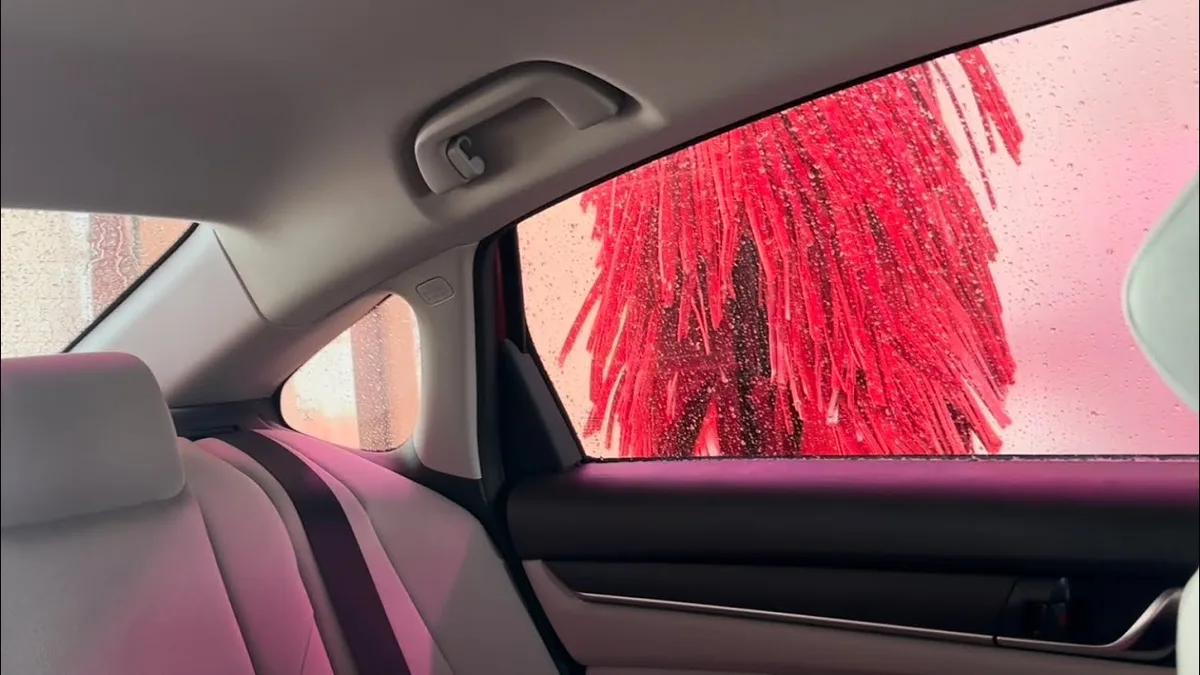
For luxury cars, matte finishes, or vehicles with ADAS, hand washing is the gold standard. Soft-cloth washes are a middle ground but require regular brush maintenance. Touchless is the best balance of speed and safety for most standard vehicles.
Who Should (and Shouldn’t) Use a Touchless Car Wash
Good Fit
- Daily drivers with factory paint
- Vehicles with standard clear coats
- People who prioritize speed and convenience
- Those in areas with harsh winters (salt removal)
Avoid If
- Your car has a matte or satin finish
- You have aftermarket vinyl wraps or ceramic coatings
- Your vehicle has exposed ADAS sensors
- You own a classic or high-end luxury car with delicate paint
Manufacturer guidelines are your best resource. For example, Porsche recommends against automated washes for their high-performance models.
Step-by-Step: How to Use a Touchless Car Wash Without Damaging Your Car
Preparation is key. Remove loose items like antennas, bike racks, or magnetic signs. Close all windows and sunroofs tightly.
Position your vehicle carefully. Follow the track guides to align your wheels. Misalignment can cause uneven cleaning or damage to side mirrors.
Choose the right wash cycle. Opt for the gentlest setting if your car has sensitive finishes. Avoid add-ons like underbody sprays if your vehicle has exposed wiring or sensors.
After the wash, inspect your car. Check for missed spots, water in seams, or residue. Dry with a microfiber towel to prevent water spots.
Common Mistakes That Ruin Paint or Sensors
Using a touchless wash on a matte-finish car is a common error. The high pressure can dull or damage the specialized paint. Always verify compatibility first.
Ignoring sensor warnings is another mistake. If your car has parking cameras or radar, avoid high-pressure jets near these areas. Some washes allow you to skip certain steps.
Not drying your car properly can lead to water spots. Even spot-free rinses can leave mineral deposits if not dried. A quick wipe-down with a microfiber towel prevents this.
Cost, Time, and What to Expect
A basic touchless wash typically costs $10 to $15. Add-ons like wax, underbody spray, or tire shine can push the price to $20 or more. Memberships or unlimited wash passes may offer better value for frequent users.
Time-wise, expect 5 to 10 minutes from start to finish. This includes the pre-soak, wash cycle, rinse, and drying phases. Busy locations may have wait times during peak hours.
As of 2026, most modern touchless systems use 30 to 80 gallons of water per wash. This is less than the 100+ gallons used in a typical home wash with a garden hose.
Expert Tips to Maximize Safety and Results
Rinse your car first if it’s caked in mud or salt. This prevents the high-pressure jets from grinding debris into the paint. A quick pre-rinse at a self-service bay can make a big difference.
Choose a reputable car wash chain. Look for facilities that maintain their equipment and use pH-balanced detergents. Aggregate reviews often highlight which locations take better care of vehicles.
Avoid touchless washes in extreme temperatures. Freezing conditions can cause water to freeze in seams or locks. In extreme heat, water spots may form faster before you can dry the car.
When to Skip the Touchless Wash Entirely
Skip it if your car has a fresh wax or sealant. The detergents in touchless washes can strip these protective layers. Wait at least 24 hours after applying any paint protection.
Avoid it for convertibles with the top down. The high pressure can damage the fabric or mechanisms. Always put the top up before entering any automated wash.
Don’t use it for vehicles with exposed aftermarket electronics. Custom stereo systems, LED light bars, or exposed wiring can be damaged by high-pressure water.
FAQs About Touchless Car Washes
Do touchless car washes remove bug splatter?
They can, but it depends on the system. High-pressure jets and strong detergents often lift bug residue. For stubborn splatter, a pre-wash with a bug remover spray helps.
Can a touchless wash damage my car’s sensors?
Yes, if the pressure is too high. Modern ADAS sensors are sensitive to direct water blasts. Check your owner’s manual for specific warnings.
Are touchless washes safe for ceramic coatings?
Most are, but verify with your coating manufacturer. Some coatings require gentle cleaning methods. Avoid harsh detergents or high-pressure settings.
How often should I use a touchless car wash?
Once every two weeks is a good rule for most drivers. More frequent washes may be needed in harsh climates with salt or heavy pollution.
Will a touchless wash void my warranty?
It can, if damage occurs. Some manufacturers void paint or sensor warranties if improper washing methods are used. Always follow their guidelines.
Do touchless washes use recycled water?
Many do. Reputable chains often filter and reuse water to reduce waste. This is better for the environment and your wallet.