Ceramic car washes get a bad rap, but the real question is whether they’re safe for your paint. So, are ceramic car washes good? The short answer is they can be, but only if the equipment is well-maintained and your car’s finish is in decent shape.
Manufacturer specs for most automatic washes show ceramic brushes are designed to be gentler than older nylon or boar’s hair versions, yet aggregate reviews still report swirl marks on softer clear coats. That’s why the details matter.
Quick Answer
Ceramic car washes are good for convenience. They clean faster than hand washing. Brushes are softer than older types.
Risks exist for delicate paint. Maintenance quality affects safety.
How Ceramic Car Washes Actually Work
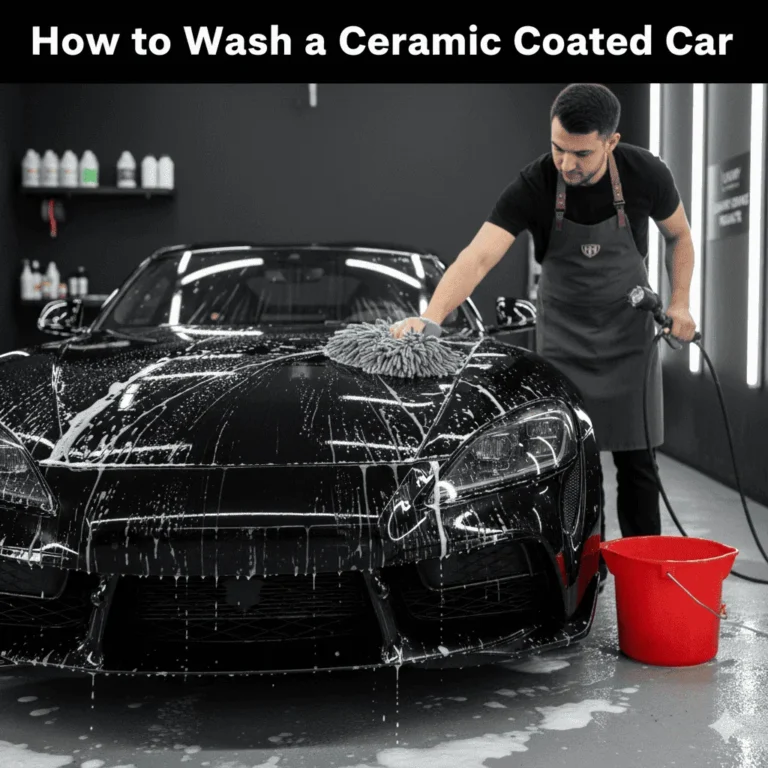
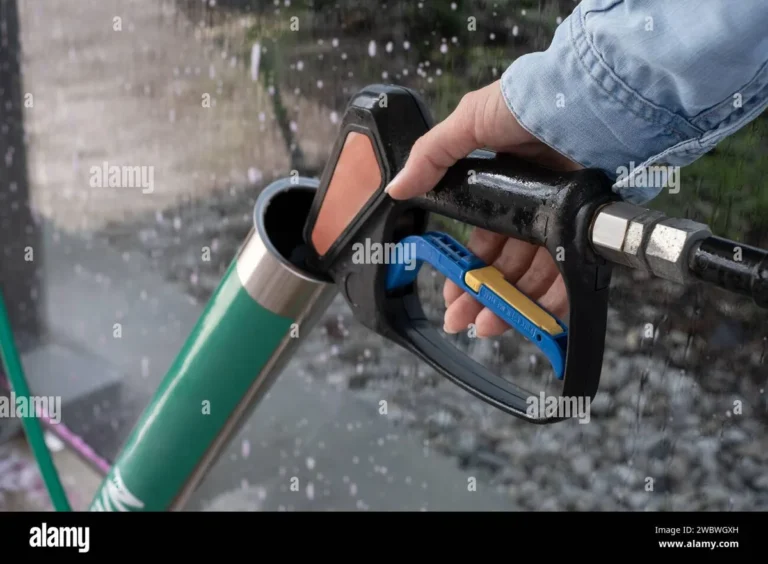
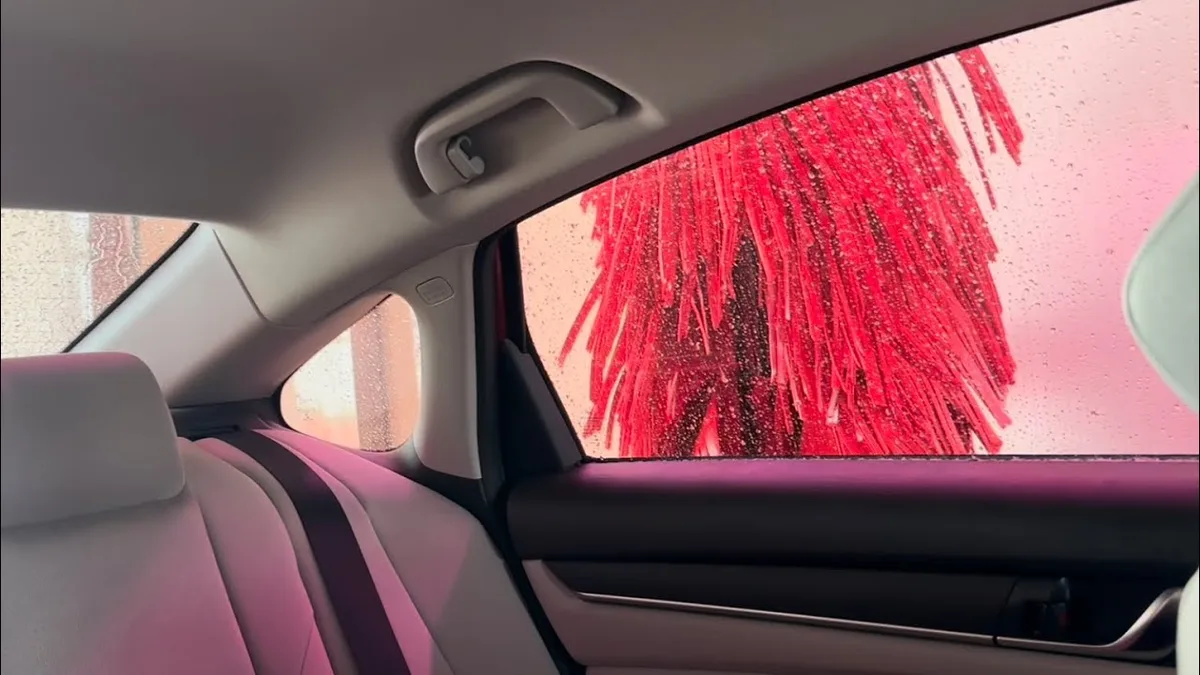
These systems use foam or microfiber-coated ceramic brushes to lift dirt without the abrasion of traditional nylon. The process starts with a high-pressure rinse at 800, 1,200 PSI, followed by soap application, then the ceramic brushes rotate to scrub the surface.
Water reuse systems are common, which means the same water may carry grit from previous cars. That’s why even ceramic washes can leave fine scratches if the brushes aren’t rinsed between vehicles.
Ceramic vs. Soft-Cloth vs. Touchless: The Real Differences
| Feature | Ceramic Brush | Soft-Cloth | Touchless |
|---|---|---|---|
| Cleaning Power | High | Medium | Low |
| Paint Safety | Medium | High | Highest |
| Drying Method | Blowers | Blowers | Blowers |
| Cost per Wash | $10–$15 | $12–$20 | $15–$25 |
| Time | 5–8 min | 6–10 min | 8–12 min |
Ceramic brushes strike a balance between cleaning power and gentleness, but they’re not foolproof. Soft-cloth washes use fabric strips that flex more, reducing scratch risks but sometimes missing stubborn grime. Touchless systems skip physical contact entirely, relying on high-pressure jets and chemicals, which can leave residue if not rinsed properly.
When Ceramic Car Washes Are a Good Idea
They’re ideal for daily drivers with standard factory paint. If your car has a ceramic coating or paint protection film, ceramic washes are generally safe as long as the brushes are clean.
For vehicles with matte or satin finishes, check the manufacturer’s care guidelines first. Some matte paints can’t handle any brush contact, even ceramic.
When You Should Avoid Them
Avoid ceramic washes if your car has visible scratches or a thin clear coat. Older vehicles with faded paint are also more susceptible to damage.
If you’ve just applied a fresh wax or sealant, wait at least 24 hours before using any automatic wash. The chemicals in some car washes can strip fresh protection.
The Biggest Risks to Your Paint (And How to Minimize Them)
The main danger is swirl marks from embedded dirt in the brushes. Even ceramic brushes can trap grit if the wash doesn’t rinse them between cars.

Another risk is chemical damage. Some automatic washes use harsh detergents that strip wax or dull clear coats over time. Always check if the wash offers a pH-balanced soap option.
Physical damage can also occur. Loose trim pieces or cracked seals may get caught on brushes or high-pressure jets. Inspect your vehicle before entering any automatic wash.
Cost, Time, and Convenience: What to Expect
A basic ceramic wash typically costs $10 to $15. Premium options with wax or sealant add $5 to $10 more.
Time-wise, expect 5 to 8 minutes for a standard cycle. Touchless washes often take longer due to multiple rinse stages.
The convenience factor is the biggest draw. You stay in your car while the system does the work. For busy drivers, this beats hand washing in cold weather or tight spaces.
How to Tell If a Ceramic Car Wash Is High-Quality
Look for well-maintained brushes. If they appear dirty or worn, skip that location. Fresh, clean brushes are a sign of regular upkeep.
Check the water pressure. A good ceramic wash uses 800 to 1,200 PSI. Anything higher risks damaging loose parts or thin paint.
Listen for the rinse cycle. A thorough pre-rinse removes loose dirt before the brushes touch your car. Without it, you’re grinding grime into the finish.
What Car Owners Get Wrong About Automatic Washes
Many assume all ceramic washes are the same. In reality, maintenance varies wildly between locations. A poorly kept system can be worse than a soft-cloth wash.
Some think more pressure means a better clean. High PSI can actually force water into seals or strip protective coatings. Moderate pressure with proper technique works best.
Others believe automatic washes are always faster. If the line is long, you might spend more time waiting than washing. Hand washing at home can be quicker for a single vehicle.
Better Alternatives for Paint Protection
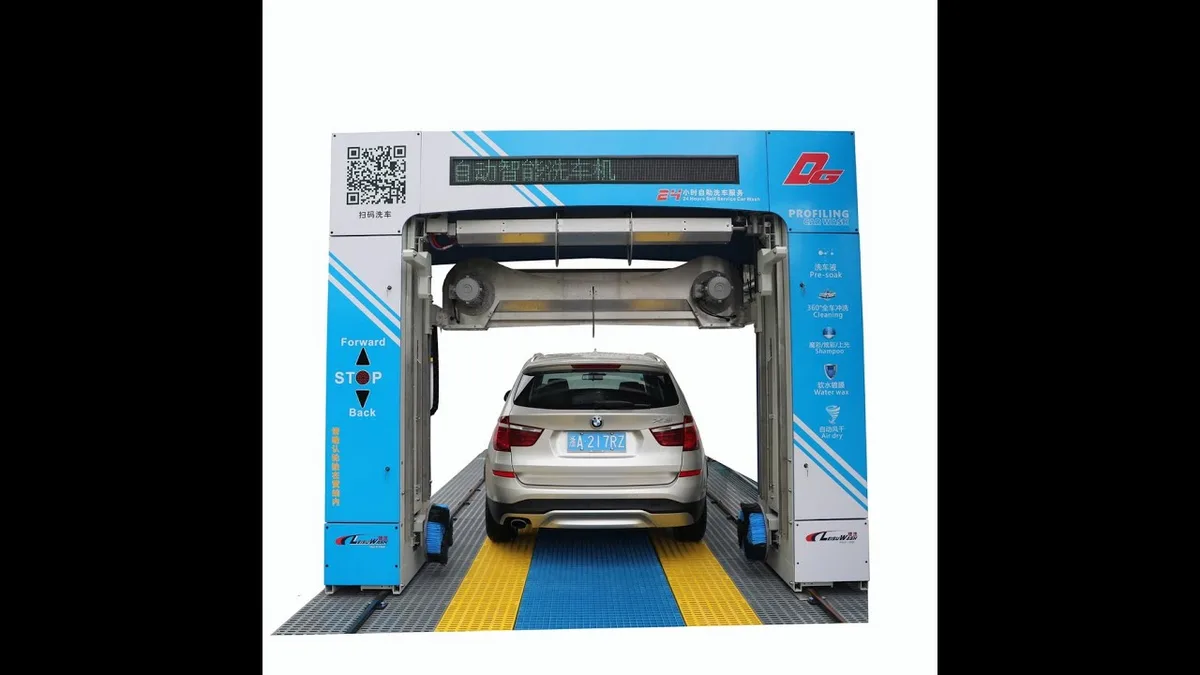
Touchless washes eliminate physical contact entirely. They’re the safest option for delicate finishes but may not remove heavy dirt as effectively.
Hand washing gives you full control. Use a microfiber mitt and pH-balanced soap for the gentlest clean. It takes more effort but preserves your paint longest.
Self-service bays let you use your own tools and techniques. They’re a middle ground between convenience and care. Just avoid the brushes provided at the station.
Maintenance Tips If You Use Ceramic Washes Often
Rinse your car immediately after if you notice residue. Some washes leave soap film that can bake onto the paint in sunlight.
Wax your car every 3 to 4 months. This adds a protective layer that reduces swirl mark visibility. Synthetic sealants last longer but cost more.
Inspect the brushes before entering. If they look dirty or frayed, choose a different wash or wait for maintenance. Most locations service their equipment weekly.
Final Verdict: Should You Use a Ceramic Car Wash?
Ceramic car washes are a solid middle ground. They clean better than touchless but are gentler than old-style brushes.
They’re best for daily drivers with standard paint. Avoid them for show cars, matte finishes, or vehicles with fresh wax.
If you prioritize convenience over perfection, they’re a practical choice. Just pick a well-maintained location and stick to a regular detailing schedule.
Frequently Asked Questions
Do ceramic car washes scratch paint?
They can if the brushes are dirty or worn. High-quality ceramic washes with proper maintenance pose minimal risk. Always check the brush condition before using.
How often should you use a ceramic car wash?
Limit it to once every two weeks for daily drivers. More frequent washes increase the chance of swirl marks. Hand washing is safer for weekly cleaning.
Are ceramic washes safe for ceramic-coated cars?
Yes, but only if the brushes are clean. Ceramic coatings add protection, but abrasive dirt can still cause micro-scratches. Touchless washes are the safer alternative.
Can a ceramic wash damage clear coat?
Over time, yes. Repeated exposure to dirty brushes or harsh chemicals can wear down clear coat. Regular waxing helps mitigate this.
What’s the best wash for a new car?
Hand washing is ideal for the first few months. If using an automatic wash, choose touchless or a well-reviewed ceramic system. Avoid any wash with visible dirt buildup.