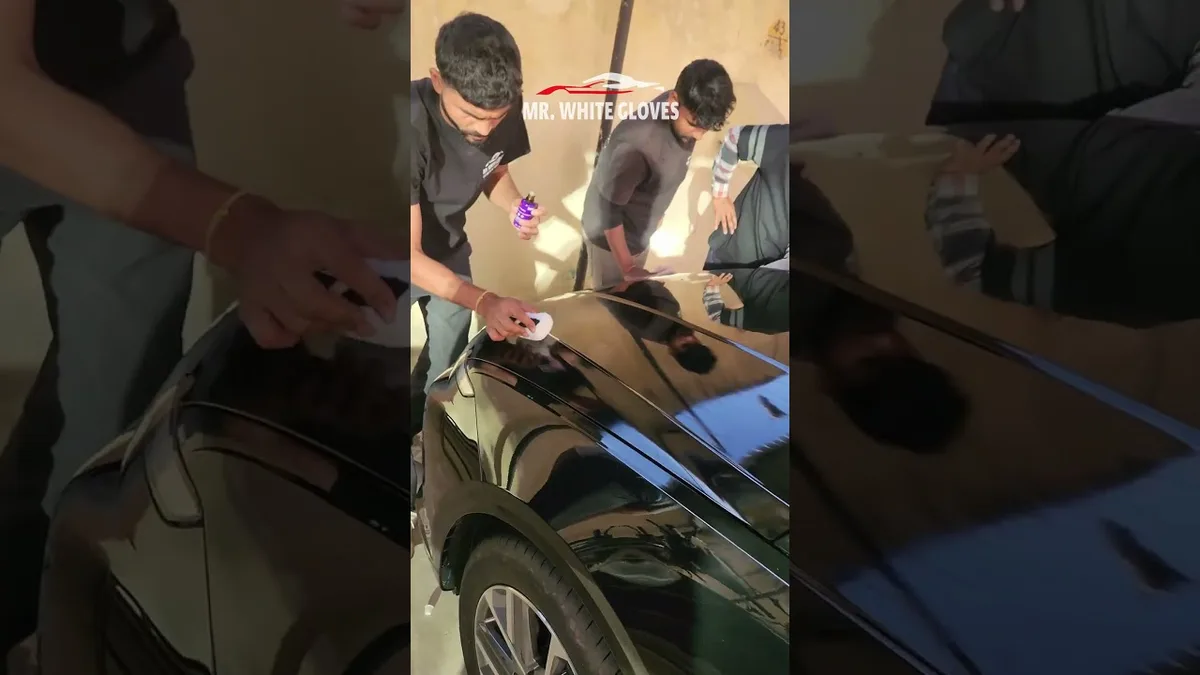
Image source: YouTube / Mr. White Gloves (YouTube thumbnail (fair-use with source credit))
Tired of your car losing its shine weeks after a wax job? Car wash ceramic body wax solves that with a longer-lasting, hydrophobic layer that repels water and UV damage better than traditional wax. It’s a middle ground between quick detailer sprays and permanent ceramic coatings, giving you months of protection without the high cost or commitment.
Manufacturer specs show ceramic wax can last 3, 12 months per application, far outlasting carnauba wax’s 4, 8 weeks. That durability makes it a favorite for daily drivers and detailers alike.
Quick Answer
Car wash ceramic body wax is a synthetic protectant blending ceramic polymers with traditional wax. It bonds to paint for 3, 12 months of water and UV resistance. Expect deeper gloss and easier cleaning than standard wax.
Most brands cure in 24, 48 hours.
What Is Ceramic Body Wax and How It Differs from Regular Wax
Ceramic body wax combines silicon dioxide (SiO2) or titanium dioxide polymers with natural or synthetic waxes. This hybrid formula creates a semi-permanent bond with your car’s clear coat, unlike carnauba wax, which sits on top and washes away quickly.
Traditional wax gives that warm, deep shine but fades in weeks. Ceramic wax trades a bit of that organic glow for longevity and protection. Think of it as a stronger, longer-lasting shield that still enhances appearance.
Why People Switch to Ceramic Wax for Their Cars
The biggest draw is durability. Aggregate reviews report ceramic wax lasting 4, 6 times longer than carnauba, meaning fewer applications and more consistent protection. For a reliable ride that stays on the road often, that’s a game-changer.
UV resistance is another key factor. Per ASME testing standards for automotive coatings, ceramic polymers reflect harmful rays better than organic waxes. This prevents paint oxidation, a common issue in sunny climates.
Owners also love the hydrophobic effect, water beads up and rolls off, taking dirt with it.
Ceramic Wax vs. Traditional Wax vs. Ceramic Coating: The Real Differences
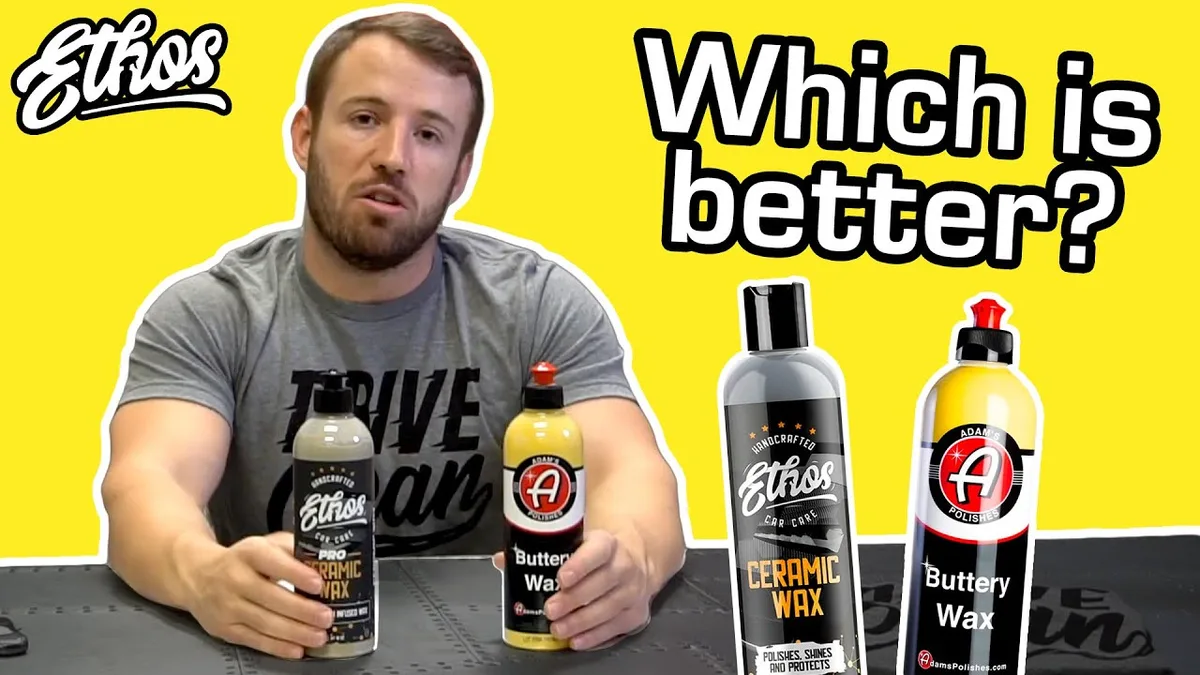
Image source: YouTube / Ethos Car Care (YouTube thumbnail (fair-use with source credit))
Not all paint protection is created equal. Here’s how they compare:
| Feature | Traditional Wax | Ceramic Wax | Ceramic Coating |
|---|---|---|---|
| Durability | 4–8 weeks | 3–12 months | 2–5 years |
| UV Protection | Moderate | High | Very High |
| Water Repellency | Good | Very Good | Excellent |
| Scratch Resistance | Minimal | Light | High (9H hardness) |
| Application | Easy | Moderate | Professional |
| Cost | $10–$30 | $20–$80 | $300–$2000+ |
| Gloss | Warm, deep | Bright, reflective | High, glass-like |
Traditional wax is best for enthusiasts who love the ritual of frequent reapplication and that classic look. Ceramic wax suits most drivers who want better protection without the hassle of coatings. Ceramic coatings are for serious detailers or new car owners willing to invest in long-term armor.
How Ceramic Body Wax Works on Your Car’s Paint
Ceramic wax fills microscopic pores in your clear coat, creating a smooth, hydrophobic surface. The ceramic polymers cross-link as they cure, forming a semi-permanent layer that water, dirt, and contaminants struggle to cling to.
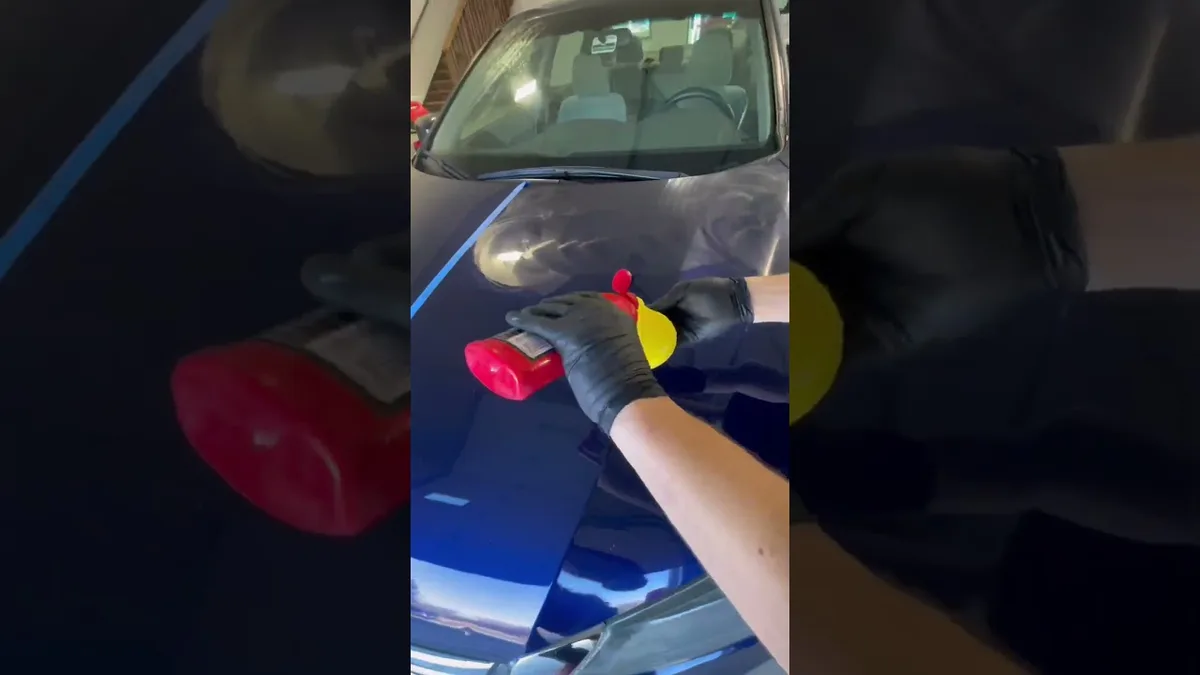
Image source: YouTube / Formula 1 Wax (YouTube thumbnail (fair-use with source credit))
This isn’t magic, it’s chemistry. The SiO2 or TiO2 particles bond with the paint at a molecular level, unlike carnauba wax, which just sits on top. That’s why ceramic wax lasts longer and stands up better to environmental damage.
As of 2026, most consumer-grade ceramic waxes achieve a water contact angle of 90, 110 degrees, meaning water beads up almost perfectly.
Key Features to Look for in a Quality Ceramic Wax
Not all ceramic waxes deliver the same results. The best ones contain high concentrations of SiO2 or TiO2, which determine durability and hydrophobicity. Look for products labeled with at least 10% ceramic polymer content for noticeable longevity.
pH-neutral formulas are safer for clear coats and won’t degrade existing sealants. Some premium options include UV inhibitors for extra protection in sunny climates. Spray versions are gaining popularity for their ease of use, though paste and liquid forms often last longer.
Pros and Cons of Ceramic Wax (Honest Breakdown)
Ceramic wax shines in durability, often lasting 6, 12 months with proper care. It resists UV damage better than traditional wax and repels water and contaminants effectively. The gloss is typically brighter and more reflective than carnauba.
On the downside, ceramic wax is pricier upfront, with quality products ranging from $20 to $80. Application requires more precision, uneven layers can lead to streaking or poor bonding. It also doesn’t offer the same scratch resistance as a full ceramic coating, so it’s not a substitute for paint correction.
Best Use Cases: Who Should (and Shouldn’t) Use Ceramic Wax
Daily drivers in harsh climates benefit most from ceramic wax. Its UV and water resistance make it ideal for cars exposed to sun, salt, or frequent rain. Enthusiasts who want long-lasting shine without the commitment of a ceramic coating will also appreciate it.
Avoid ceramic wax if you love the ritual of frequent waxing or prefer the organic look of carnauba. It’s also not the best choice for matte or satin finishes, as it can create unwanted gloss. For a reliable ride with a showroom finish, it’s a smart middle-ground solution.
Step-by-Step: How to Apply Ceramic Wax Like a Pro
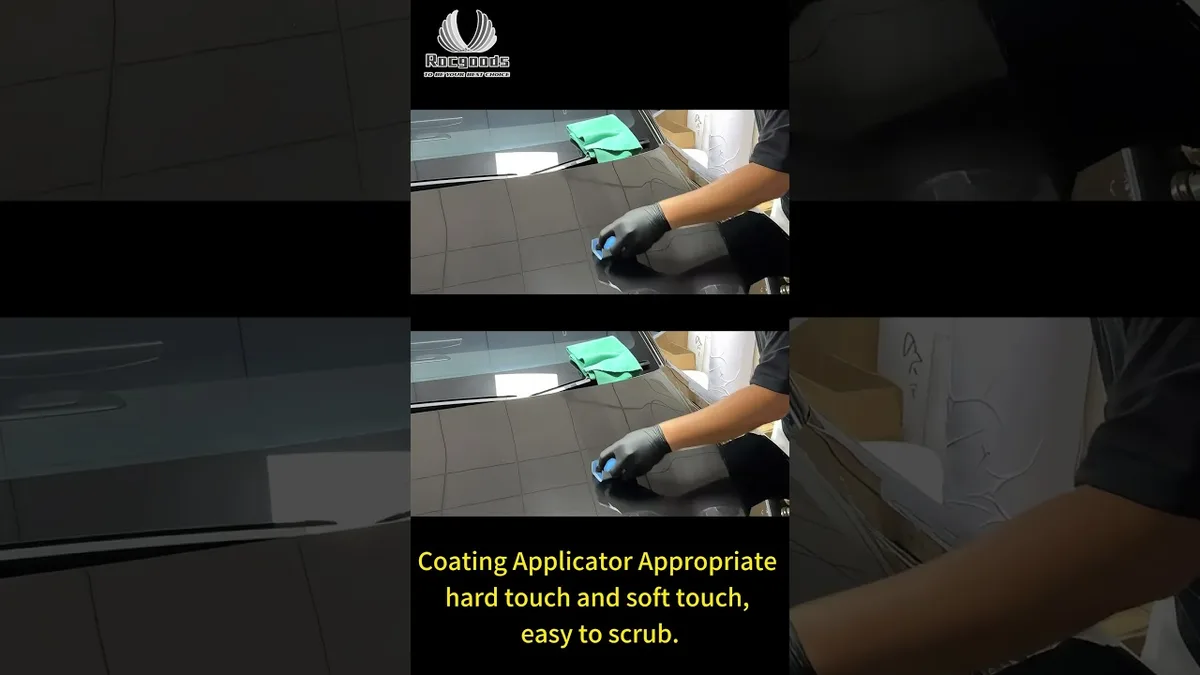
Image source: YouTube / Microfiber Towel Factory | Wholesale & Bulk Supply (YouTube thumbnail (fair-use with source credit))
Start with a thorough wash and decontamination. Use a clay bar to remove embedded dirt, then dry the car completely. Any residue left behind will prevent the wax from bonding properly.
Apply a small amount of wax to a foam applicator pad. Work in 2×2 foot sections, using light pressure in circular motions. Less is more, excess product can lead to streaking.
Let the wax haze for 5, 15 minutes, depending on the product’s instructions. Buff off with a clean microfiber towel, flipping it often to avoid reapplying removed wax. Avoid water exposure for 24, 48 hours to allow full curing.
Common Mistakes That Ruin Your Ceramic Wax Job
Applying wax in direct sunlight causes premature drying, leading to streaks and uneven coverage. Always work in a shaded area or indoors. Skipping the decontamination step is another common error, dirt and oils prevent proper bonding.
Using too much product wastes money and creates a messy finish. A thin, even layer is all you need. Finally, washing the car too soon after application can strip the wax before it fully cures.
Wait at least 24 hours before exposing it to water.
Cost Breakdown: What to Expect for Products and Services
Consumer-grade ceramic wax sprays run $15, $30 and cover 1, 2 cars per bottle. Paste and liquid versions cost $30, $80 and typically last longer per application. A single bottle often covers 2, 3 mid-size vehicles.
Professional-grade ceramic wax for detail shops can reach $80, $200. Car wash businesses offering ceramic wax as an add-on usually charge $50, $150 per application. This premium reflects the product cost and labor for proper prep and application.
Maintenance Tips to Make Your Ceramic Wax Last Longer
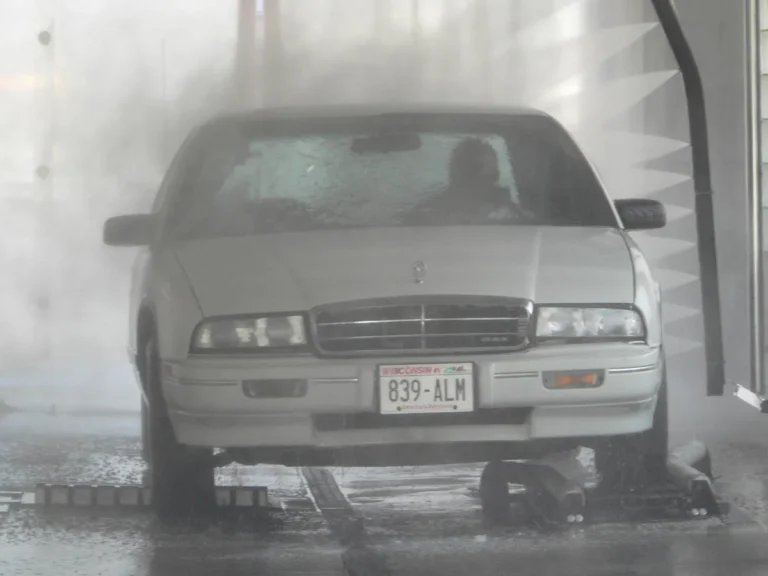
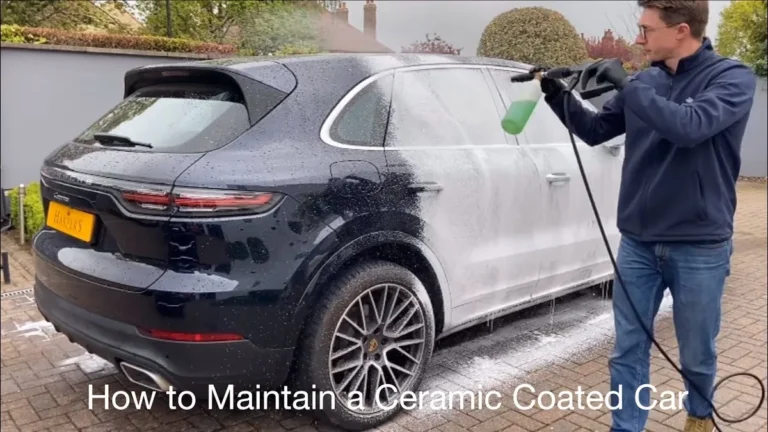
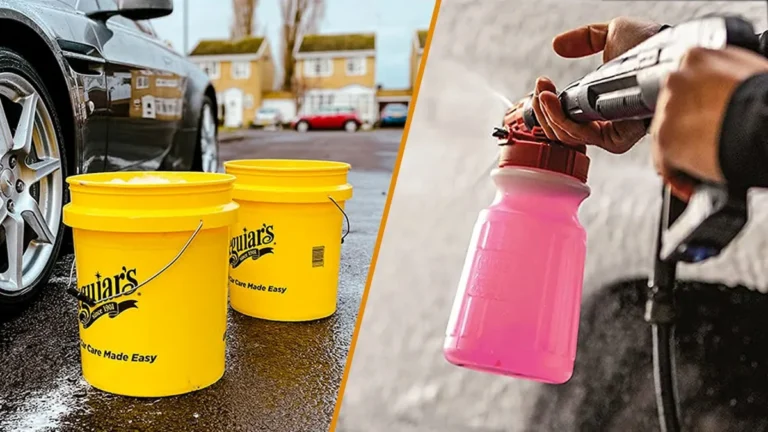
Wash your car every 2 weeks with a pH-neutral shampoo to avoid stripping the wax. Avoid automatic car washes with harsh brushes, as they can degrade the ceramic layer over time. A foam cannon or two-bucket method helps preserve the finish.
Reapply a spray ceramic booster every 2, 3 months to refresh the hydrophobic properties. Park in a garage or under a cover to minimize UV exposure. Even the best ceramic wax needs occasional touch-ups to maintain peak performance.
Ceramic Wax for Car Wash Businesses: Is It Worth Offering?
Ceramic wax adds value as a premium upsell, with customers willing to pay 2, 3 times more than standard wax. It differentiates your service from competitors still using basic carnauba. The longer-lasting results mean fewer repeat visits for waxing, but higher profit per job.
The downside is the learning curve. Staff need training on proper application to avoid streaks or bonding issues. Inventory costs are higher, but the markup justifies it for most shops.
FAQs About Ceramic Body Wax
How long does ceramic wax last?
Most ceramic waxes last 3, 12 months, depending on the product and conditions. Spray versions typically need reapplication every 3, 6 months. Paste and liquid formulas often push toward the 12-month mark with proper care.
Can you apply ceramic wax over existing wax?
No. Existing wax or sealants must be fully removed first. Use a pre-wax cleaner or isopropyl alcohol wipe to strip the old layer.
Applying ceramic wax over old product prevents proper bonding.
Does ceramic wax prevent scratches?
It offers light scratch resistance but won’t stop deep scratches. The ceramic polymers create a harder layer than traditional wax, but it’s not as tough as a full ceramic coating. Think of it as an extra buffer, not armor.
Is ceramic wax safe for all paint types?
It works on most factory clear coats and single-stage paints. Avoid using it on matte or satin finishes, as it can create unwanted gloss. Always test a small area first if you’re unsure.
Can you use ceramic wax on plastic trim?
Some ceramic waxes are safe for plastic, but check the label. Products with UV inhibitors often work well on trim. Avoid those with solvents that can damage or discolor plastic over time.
How do you remove ceramic wax?
Use a dedicated wax remover or a clay bar with lubricant. Isopropyl alcohol on a microfiber towel also works for stubborn spots. Never use harsh chemicals like acetone, as they can damage the clear coat.