Car wash wax, ceramic coatings, and glide products all protect your car’s paint, but they work in very different ways. The confusion comes from overlapping claims about shine, durability, and ease of use. Manufacturer specs confirm that ceramic coatings last years, while traditional wax needs reapplication every few months.
Aggregate reviews report that most drivers overpay for products they don’t need or under-protect their paint with the wrong choice. Here’s how to cut through the noise.
Quick Answer
Car wash wax, ceramic, and glide products differ in longevity and protection. Wax lasts 1-3 months and enhances shine. Ceramic coatings last 2-5 years and resist chemicals.
Glide sprays add slickness for easier washing. Each serves a distinct purpose.
Why You’re Confused About Car Wash Wax, Ceramic, and Glide Products
The marketing for these products often blurs the lines. Wax is sold as a "protectant," ceramics as "permanent," and glide additives as "miracle sprays." In reality, they’re tools for different jobs.
Wax is a sacrificial layer that adds gloss and minor UV protection. Ceramic coatings bond to paint for long-term defense. Glide products reduce friction during washing.
The overlap in benefits is where the confusion starts.
The Core Difference: Wax vs. Ceramic vs. Glide
Wax is a natural or synthetic blend that sits on top of your clear coat. It fills minor imperfections and gives paint a deep, warm shine. Carnauba wax, the gold standard, comes from palm trees and offers the richest gloss but the shortest lifespan.
Ceramic coatings are liquid polymers that chemically bond to your paint. Once cured, they create a hard, hydrophobic layer. They don’t enhance shine like wax but offer superior protection against UV rays, bird droppings, and chemical stains.
Glide products are typically spray-on additives that make water and dirt slide off more easily. They’re not standalone protectants but can extend the life of wax or ceramic coatings. Think of them as a maintenance boost, not a primary defense.
Wax: The Classic Choice (Pros, Cons, and Best Uses)
Wax is the traditional choice for car enthusiasts who love a deep, warm shine. It’s easy to apply, affordable, and can be layered for extra protection. Carnauba wax, in particular, gives a showroom-quality finish that’s hard to beat.
The biggest drawback is durability. Even the best carnauba wax lasts only 4-8 weeks before needing reapplication. Synthetic waxes last a bit longer, up to 3-6 months, but they don’t offer the same depth of shine.
Wax is best for:
- Car enthusiasts who enjoy the detailing process
- Owners of classic or show cars who prioritize appearance
- Drivers who want an affordable, low-commitment option
Avoid wax if:
- You want long-term protection without frequent reapplication
- Your car is exposed to harsh elements like road salt or intense UV
- You’re not willing to put in the effort for regular maintenance
Ceramic Coatings: The Long-Term Shield (What They Do and Don’t Do)
Ceramic coatings create a permanent bond with your paint, unlike wax that sits on top. They offer the best protection against UV damage, chemical stains, and light scratches. The trade-off is a higher upfront cost and more involved application.
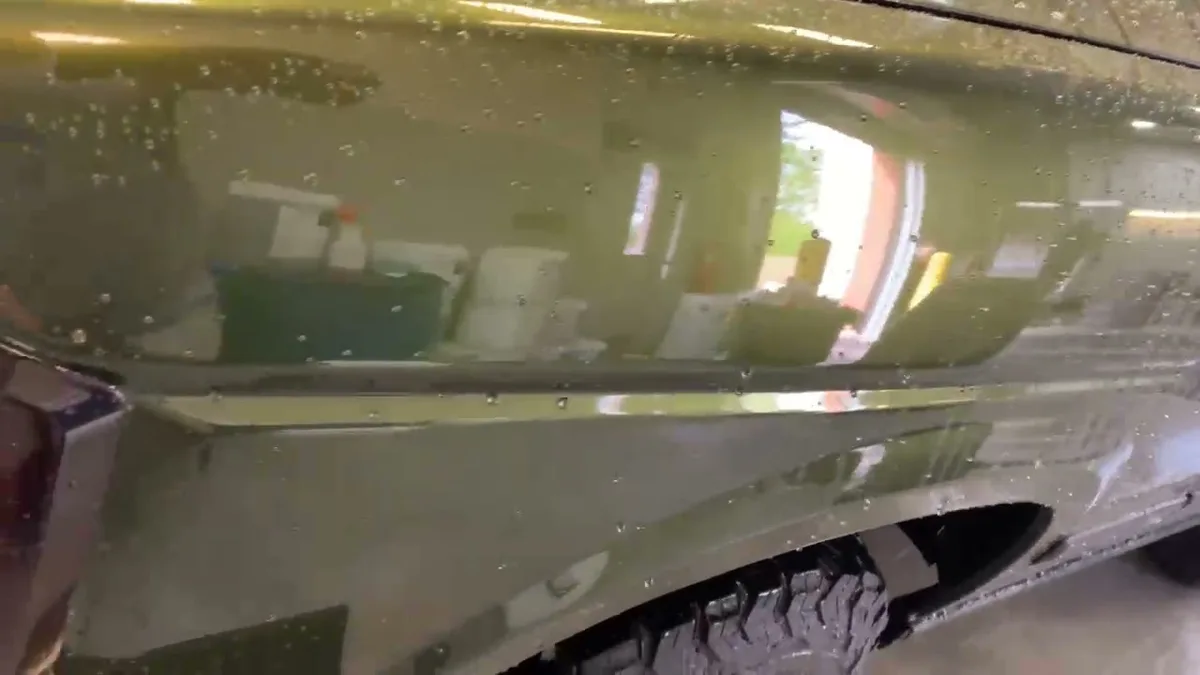
A professional-grade ceramic coating can last 2-5 years with proper care. DIY kits are cheaper but often require paint correction first. They won’t prevent rock chips or deep scratches, despite what some marketing claims.
Ceramic coatings excel in:
- Harsh climates with intense sun or road salt
- Daily drivers needing low-maintenance protection
- Vehicles with high-quality paint you want to preserve
They’re not ideal if:
- You change cars frequently
- You’re not prepared for the prep work
- You want the deepest possible gloss
Ceramic Glide and Spray Sealants: The Middle Ground
Spray ceramics and glide products bridge the gap between wax and full coatings. They’re easier to apply than traditional ceramics but last longer than wax. Most offer 6-12 months of protection with a single application.
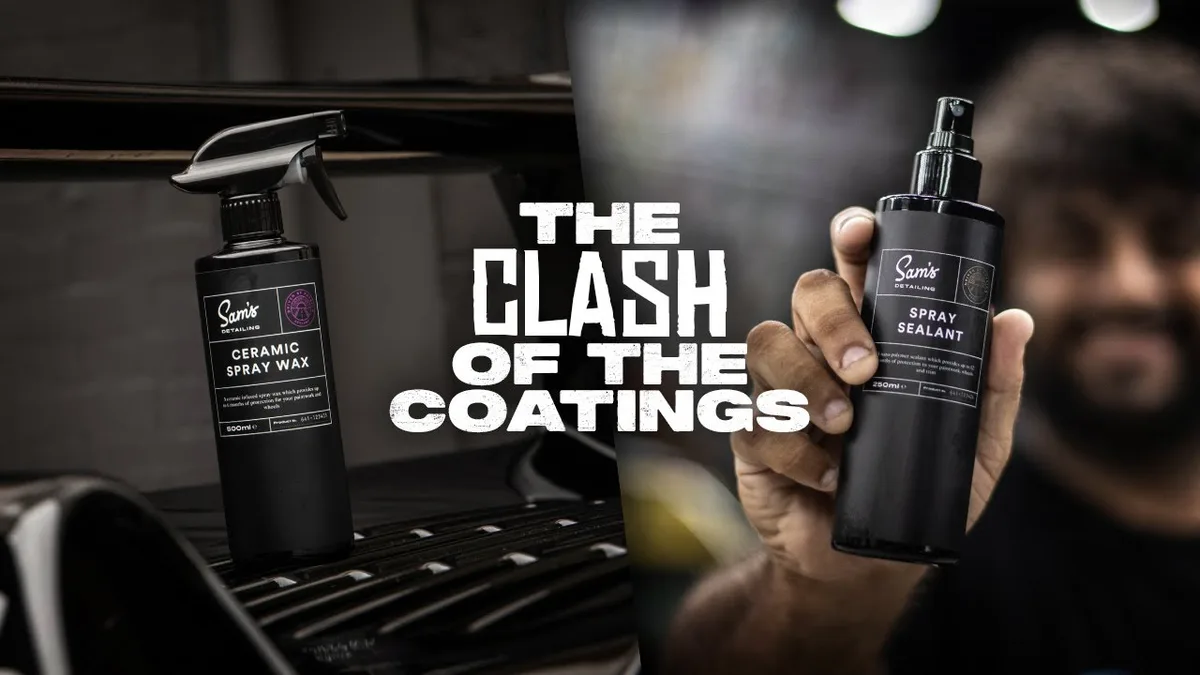
These products work well as:
- A maintenance layer over existing ceramic coatings
- A quick protection boost between wax applications
- An easy solution for those who don’t want to commit to full ceramic
The main limitations are:
- Less durability than professional ceramic coatings
- Often require more frequent reapplication than advertised
- Can leave streaks if not applied correctly
Side-by-Side Comparison: Durability, Cost, Effort, and Results
| Feature | Carnauba Wax | Synthetic Wax | Spray Ceramic | Professional Ceramic |
|---|---|---|---|---|
| Durability | 4-8 weeks | 3-6 months | 6-12 months | 2-5 years |
| Cost | $10-$30 | $15-$40 | $20-$50 | $500-$2,000+ |
| Application | Moderate | Easy | Very Easy | Professional |
| Gloss | Excellent | Good | Moderate | Good |
| Protection | Basic | Basic | Good | Excellent |
Wax wins for shine and affordability. Ceramic coatings win for longevity and protection. Spray ceramics offer a balance for those who want better than wax without the commitment of full ceramic.
Which One Fits Your Car, Budget, and Lifestyle?
Choose wax if you love detailing and want the best shine. It’s the most rewarding for enthusiasts but requires the most upkeep. A good carnauba wax will make your paint pop like nothing else.
Opt for spray ceramic if you want better protection than wax with less effort. It’s perfect for weekend detailers who don’t have time for frequent waxing. Just don’t expect it to last as long as a professional ceramic coating.
Go for professional ceramic if you want the ultimate protection with minimal maintenance. It’s the best choice for daily drivers in harsh climates. The upfront cost is higher, but you’ll save time and money on frequent reapplication.
Consider your climate too. In hot, sunny areas, ceramic coatings prevent UV damage better than wax. In cold climates with road salt, ceramics resist corrosion where wax would fail quickly.
Step-by-Step: How to Apply Each Type Correctly
Wax Application:
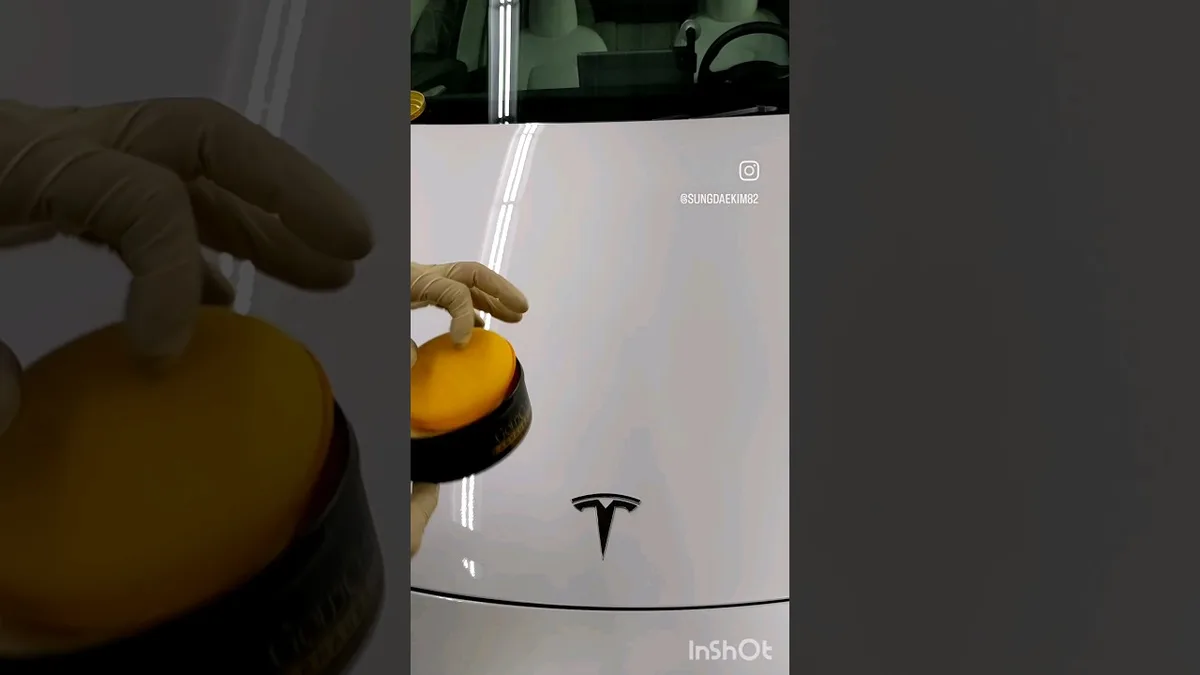
Wash and dry your car thoroughly. Apply a thin layer of wax with a foam applicator pad, working in small sections. Let it haze, then buff off with a microfiber towel.
Spray Ceramic:
Wash the car and dry it completely. Spray the product onto one panel at a time. Buff with a microfiber towel until clear.
No curing time is needed for most spray ceramics.
Professional Ceramic Coating:
This requires paint correction first to remove swirls and imperfections. The coating is applied in a controlled environment, often in multiple layers. It needs 12-24 hours to cure before exposure to water.
Common Mistakes That Waste Time and Money
Applying wax over a dirty surface traps contaminants. Always clay bar and decontaminate paint first. Skipping this step means your protection won’t bond properly.
Using too much product creates streaks and waste. A thin, even layer works better than a thick glob. More isn’t better with wax or ceramic coatings.
Applying in direct sunlight causes premature drying. Work in a shaded area or wait for cooler parts of the day. Heat can make products cure too fast, leading to uneven results.
Maintenance: How to Keep Your Protection Lasting Longer
Wash your car regularly with a pH-neutral soap. Harsh detergents strip wax and can degrade ceramic coatings over time. A gentle wash preserves your protection.
Reapply wax every 1-3 months depending on climate. In harsh conditions, you may need to wax more often. Spray ceramics typically last 6-12 months before needing a refresh.
Use a ceramic booster every 6 months if you have a full coating. These maintenance sprays restore hydrophobic properties. They’re not a replacement for the full coating but extend its life.
Avoid automatic car washes with brushes. They can scratch your paint and wear down protection faster. Touchless washes are safer for waxed or ceramic-coated cars.
Cost Breakdown: What You’ll Really Spend Over Time
| Product Type | Initial Cost | Frequency | Annual Cost (Est.) |
|---|---|---|---|
| Carnauba Wax | $10-$30 | Every 2 months | $60-$180 |
| Synthetic Wax | $15-$40 | Every 4 months | $45-$120 |
| Spray Ceramic | $20-$50 | Every 6-12 months | $20-$100 |
| Professional Ceramic | $500-$2,000+ | Every 2-5 years | $100-$400 |
Wax is the cheapest upfront but costs more long-term due to frequent reapplication. Ceramic coatings have a higher initial price but save money over years. Spray ceramics offer a middle-ground cost for moderate protection.
When to Skip the DIY and Go Pro
Paint correction is required before ceramic coatings. If your car has swirl marks or deep scratches, a professional can fix these first. DIY kits often fail without proper prep.
Full ceramic coatings require precise application. Mistakes can lead to uneven protection or a hazy finish. Professionals have the tools and experience to apply it correctly.
If you’re not comfortable with multi-step processes, hire a pro. The upfront cost is higher, but you’ll get better results. DIY ceramics are an option, but they’re riskier for beginners.
FAQs About Wax, Ceramic, and Glide Products
Can you wax over ceramic coating?
Yes, you can apply wax over ceramic coating. It adds extra gloss and can extend the life of your protection. Just ensure the surface is clean before applying.
How long does ceramic coating last?
Professional ceramic coatings last 2-5 years with proper care. DIY kits typically last 1-2 years. Maintenance sprays can help extend their lifespan.
Does wax fill in swirl marks?
Some waxes can temporarily fill minor swirl marks. However, they don’t permanently fix them. For deep scratches, paint correction is needed before applying any protection.
Is ceramic coating worth the cost?
For daily drivers in harsh climates, yes. The long-term protection and reduced maintenance often justify the price. For those who change cars frequently, wax may be a better choice.
Can you apply ceramic glide over wax?
Yes, but it’s not necessary. Glide products work best over ceramic coatings or bare paint. Applying over wax may reduce its effectiveness.