Image source: Bing (Web (fair-use with source credit))
Using a power sprayer for a car wash can cut your cleaning time in half while lifting dirt safely, if you do it right. The key to power spray use for car wash is matching the pressure and technique to your vehicle’s finish, or you risk swirl marks and stripped wax.
Manufacturer specs confirm that 1,200, 1,900 PSI is the safe range for most car paint, with a 40° nozzle giving the best balance of coverage and control. That sets the stage for how to use it effectively.
Quick Answer
A power sprayer is safe for car washing at 1,200, 1,900 PSI. Use a 40° nozzle and keep it 12, 18 inches away. Always pre-rinse loose dirt before scrubbing.
Never exceed 2,200 PSI on paint.
Is a Power Sprayer Safe for Washing Your Car?
Yes, but only if you control the pressure and distance. Too much force or the wrong nozzle can etch clear coat or blow off trim. The risk drops when you stick to the recommended PSI range and use the right technique.
Electric pressure washers are generally safer than gas models because they max out around 2,000 PSI. Gas units often exceed 2,800 PSI, which is overkill for most cars. Even at safe pressures, direct streams can push water into door seals or electrical components.
How a Power Sprayer Works in a Car Wash
A power sprayer uses pressurized water to blast away loose dirt, mud, and road grime. The pressure washer’s pump accelerates water through a narrow nozzle, creating a high-velocity stream. This force lifts contaminants without the need for scrubbing, but it must be balanced to avoid damage.
The effectiveness depends on three factors: PSI (pressure), GPM (flow rate), and nozzle angle. Higher PSI cleans faster but risks paint damage. Higher GPM rinses soap away more efficiently.
Pressure Washer PSI & Nozzle Guide for Cars
Not all pressure washers are equal. For cars, you want a unit that stays within the safe PSI range and offers adjustable nozzles.
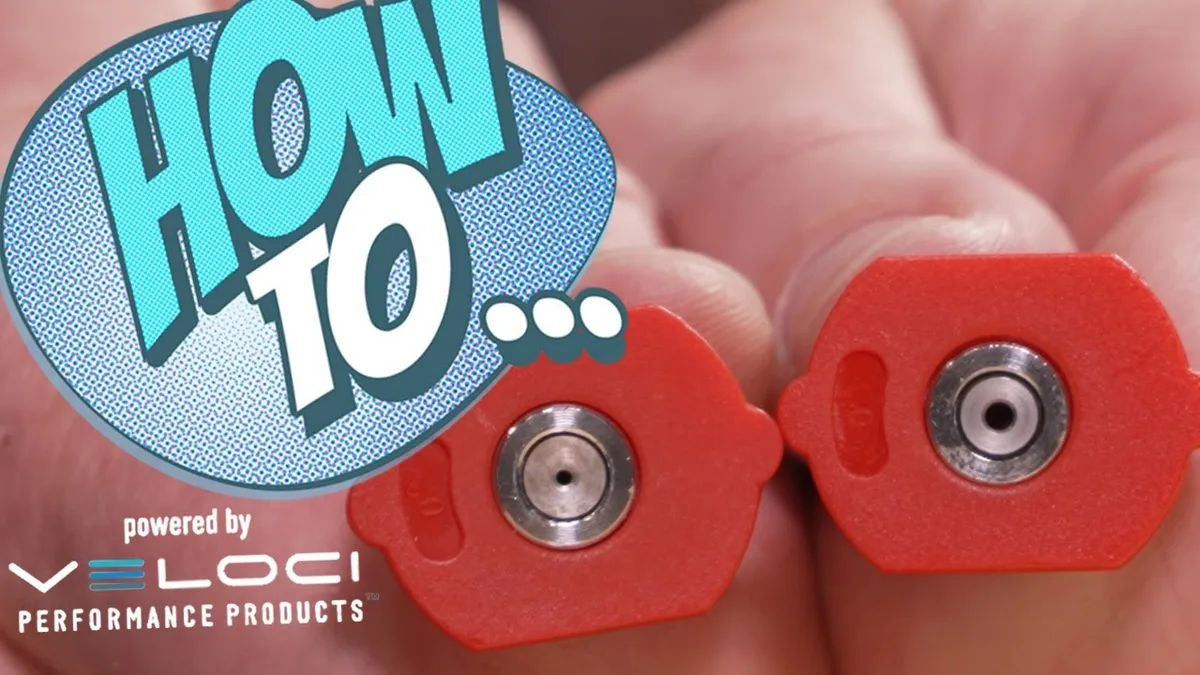
Image source: Bing (Web (fair-use with source credit))
| Nozzle Angle | Best Use | Safe Distance |
|---|---|---|
| 0° (Red) | Stubborn stains (wheels) | 12–18 inches |
| 15° (Yellow) | Heavy grime (undercarriage) | 18–24 inches |
| 25° (Green) | General cleaning | 12–18 inches |
| 40° (White) | Car body panels | 12–18 inches |
| 65° (Black) | Rinse, soap application | 6–12 inches |
For most car washing, the 40° white nozzle is ideal. It provides a wide, gentle spray that covers more area without concentrating pressure in one spot. The 25° green nozzle can work for wheels and tires, but keep the distance at 18 inches to avoid damage.
If your pressure washer exceeds 2,200 PSI, use a wider nozzle and increase the distance.
Foam Cannon vs. Direct Spray: When to Use Each
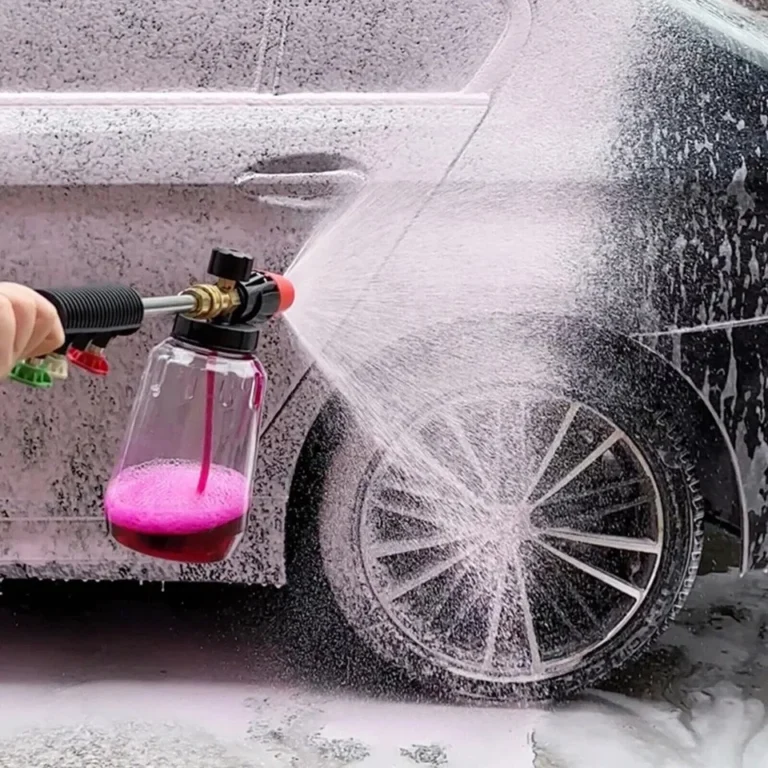
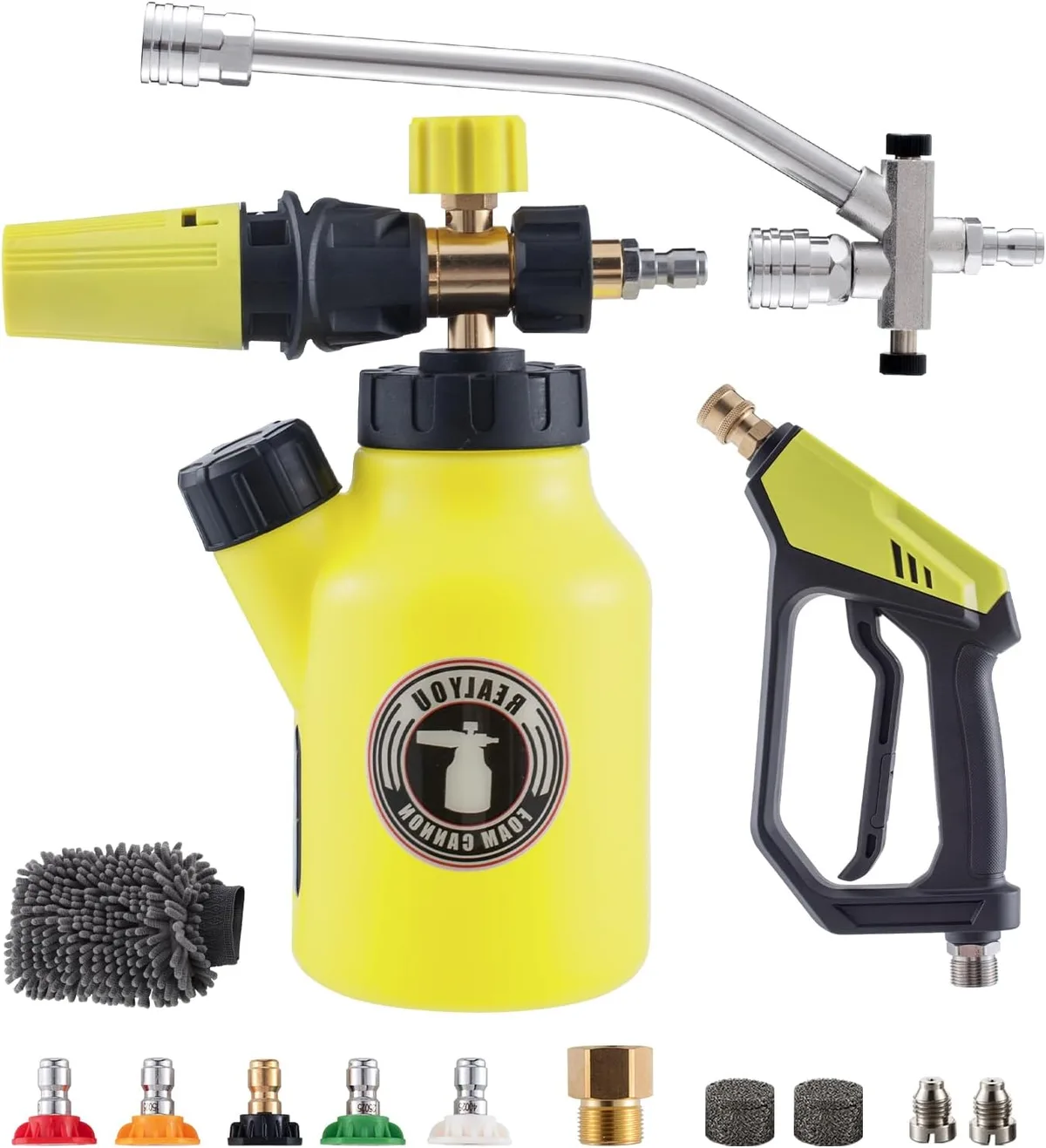
A foam cannon attaches to your pressure washer and mixes soap with water to create a thick lather. This foam clings to the car, lifting dirt and providing lubrication before you scrub. Direct spray, on the other hand, uses plain water to rinse or pre-soak.
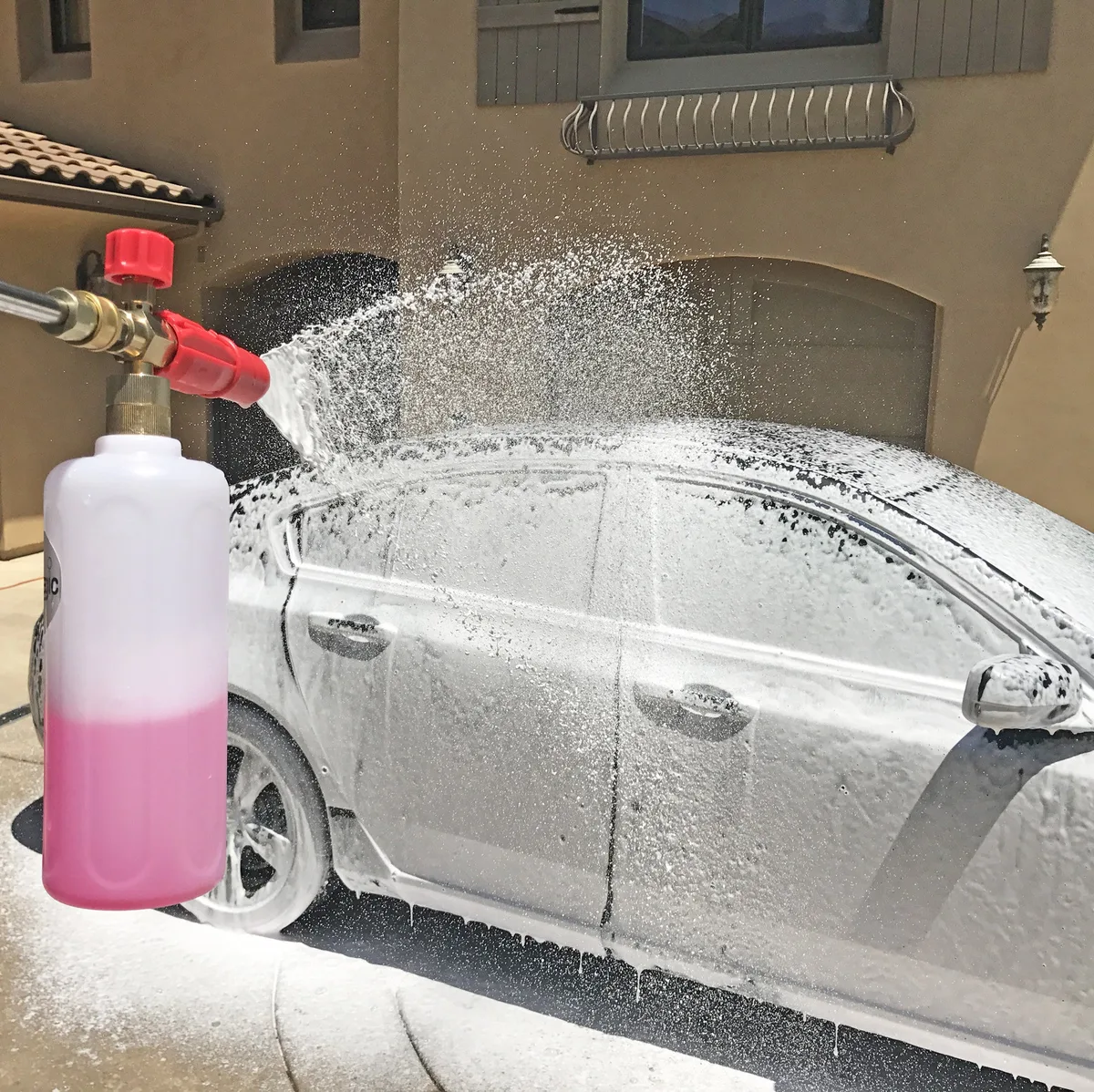
Image source: Bing (Web (fair-use with source credit))
Use a foam cannon when:
- You want to pre-treat heavy dirt or bird droppings
- You’re doing a deep clean and need extra lubrication
- You want to minimize swirl marks by lifting contaminants before contact
Use direct spray when:
- You’re rinsing off loose dirt before washing
- You’re cleaning wheels or undercarriage (with the right nozzle)
- You’re removing soap residue after scrubbing
Foam cannons work best with pH-balanced car wash soaps. Household detergents can strip wax and damage seals.
Step-by-Step Power Spray Car Wash Process
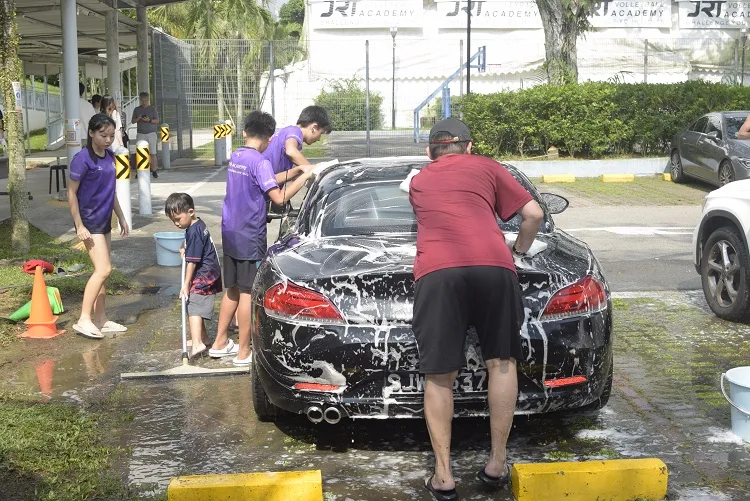
Start with a thorough pre-rinse to remove loose dirt. This prevents scratching when you apply soap or use a wash mitt. Use the 40° nozzle and keep the wand 12, 18 inches from the surface.
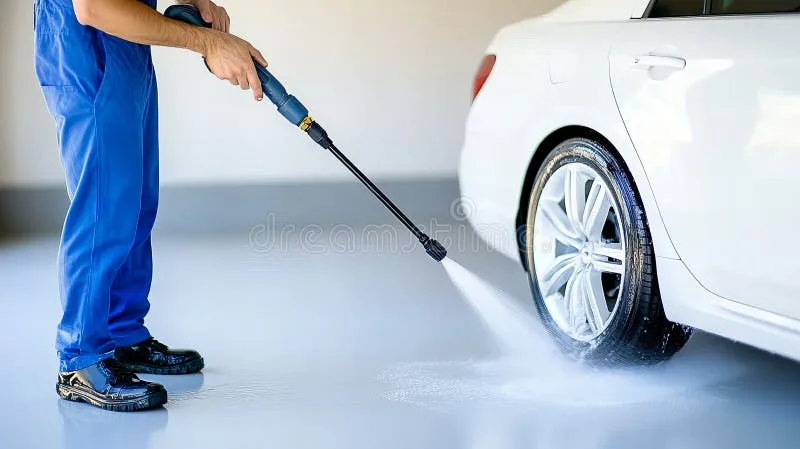
Image source: Bing (Web (fair-use with source credit))
Next, apply foam if using a cannon. Let it dwell for 1, 2 minutes to break down grime. Work from the top down, rinsing each section before the foam dries.
For wheels and tires, switch to a 25° nozzle and increase distance to 18 inches. Use a dedicated wheel cleaner for brake dust. Rinse thoroughly to avoid residue.
Finish with a final rinse using the 40° nozzle. Dry immediately with a microfiber towel to prevent water spots.
Common Mistakes That Damage Your Paint
Using too much pressure is the top mistake. Anything over 2,200 PSI can strip wax and etch clear coat. Even at safe pressures, holding the nozzle too close causes damage.
Skipping the pre-rinse means you’ll grind dirt into the paint when scrubbing. Always rinse first, even if the car looks only lightly dusty.
Another error is using the wrong nozzle. A 0° or 15° nozzle concentrates pressure in a small area, increasing the risk of damage. Stick to 25° or 40° for body panels.
Finally, letting soap dry on the surface leaves spots and residue. Rinse each section immediately after washing.
Best Pressure Washer Settings for Different Car Parts
Different parts of your car need different approaches. The body panels are the most delicate, so use 1,200, 1,900 PSI with a 40° nozzle. Keep the distance at 12, 18 inches.
For wheels and tires, you can increase pressure slightly. Use 1,900, 2,500 PSI with a 25° nozzle, but maintain 18 inches of distance. This removes brake dust and road grime effectively.
Undercarriage cleaning requires caution. Use a 25° or 40° nozzle at 1,500, 2,000 PSI, but avoid spraying directly at electrical components or rust-prone areas. Focus on the frame and suspension.
Grilles and trim pieces are vulnerable. Use the 40° nozzle at lower pressure (1,200, 1,500 PSI) and keep the wand moving.
Electric vs. Gas Pressure Washers for Car Washing
Electric pressure washers are lighter, quieter, and easier to maintain. They typically max out at 2,000 PSI, which is safe for most cars. They’re ideal for home use and occasional washing.
Gas pressure washers offer more power, often exceeding 2,800 PSI. This makes them better for heavy-duty cleaning, but they require more maintenance. They’re louder and heavier, which can be a drawback for casual users.
For car washing, electric models are usually the better choice. They provide enough pressure for safe, effective cleaning without the risk of damage. Gas models are overkill unless you’re cleaning multiple vehicles or heavy equipment.
Consider portability and storage. Electric washers need an outlet, while gas models are more portable but require fuel.
How to Avoid Water Spots & Swirl Marks
Water spots form when minerals in hard water dry on the paint. To prevent them, dry your car immediately after rinsing. Use a clean microfiber towel and work in sections.
Swirl marks happen when dirt is dragged across the paint. Always rinse the car first to remove loose contaminants. Use the two-bucket method: one for soap, one for rinsing your mitt.
Avoid washing in direct sunlight. Heat causes water and soap to dry too quickly, increasing the risk of spots and streaks. Work in the shade or on cloudy days.
Use a grit guard in your buckets to trap dirt at the bottom. This keeps your wash mitt clean and reduces the chance of scratching.
Safety & Environmental Tips for Power Spraying
Wear eye protection when using a pressure washer. Debris can fly back at high speeds and cause injury. Closed-toe shoes are also recommended to protect your feet.
Avoid spraying near electrical components. Water can damage wiring or cause shorts. Keep the nozzle pointed away from door seals, windows, and any openings.
Use biodegradable car wash soaps to minimize environmental impact. Avoid washing near storm drains, as runoff can carry contaminants into waterways. Some municipalities have regulations on outdoor car washing.
Never point the nozzle at people, pets, or fragile objects. The force can cause serious injury or damage.
Maintenance: Keeping Your Pressure Washer in Top Shape
Flush the system after each use to remove soap and debris. Run clean water through the pump for 30, 60 seconds. This prevents buildup and extends the life of your washer.
Inspect the hose and connections for leaks or wear. Replace damaged parts immediately to avoid pressure loss or accidents. Store the hose neatly to prevent kinks.
Clean the nozzle regularly to remove mineral deposits. A clogged nozzle reduces efficiency and can damage the pump. Use a pin or needle to clear any blockages.
Store your pressure washer in a dry place. If temperatures drop below freezing, drain all water from the system to prevent damage. For gas models, add fuel stabilizer if storing for extended periods.
FAQs About Using a Power Sprayer for Car Washing
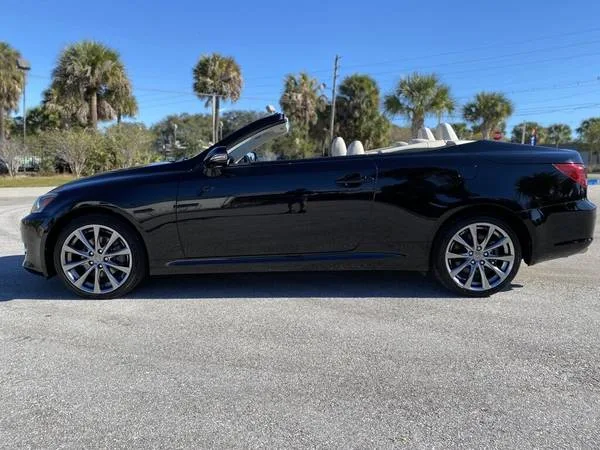
Can I use a pressure washer on a convertible?
Yes, but with extra caution. Use the lowest PSI setting and a 40° nozzle. Avoid spraying directly at the soft top to prevent damage.
How often should I wash my car with a power sprayer?
Once every two weeks is ideal for most climates. More frequent washing may be needed in areas with high pollution or salt exposure. Always use a gentle touch to avoid premature wear.
What’s the best soap for a foam cannon?
Use a pH-balanced car wash soap designed for foam cannons. These soaps create thick, clinging foam that lifts dirt effectively. Avoid dish soap or household cleaners.
Can I pressure wash my car in the winter?
Yes, but take precautions. Use warm water if possible to prevent freezing. Dry the car thoroughly to avoid ice formation on surfaces.
Will a pressure washer remove wax?
Only if you use too much pressure or the wrong nozzle. Stick to 1,200, 1,900 PSI with a 40° nozzle to preserve your wax coat. Reapply wax every 3, 6 months for best protection.