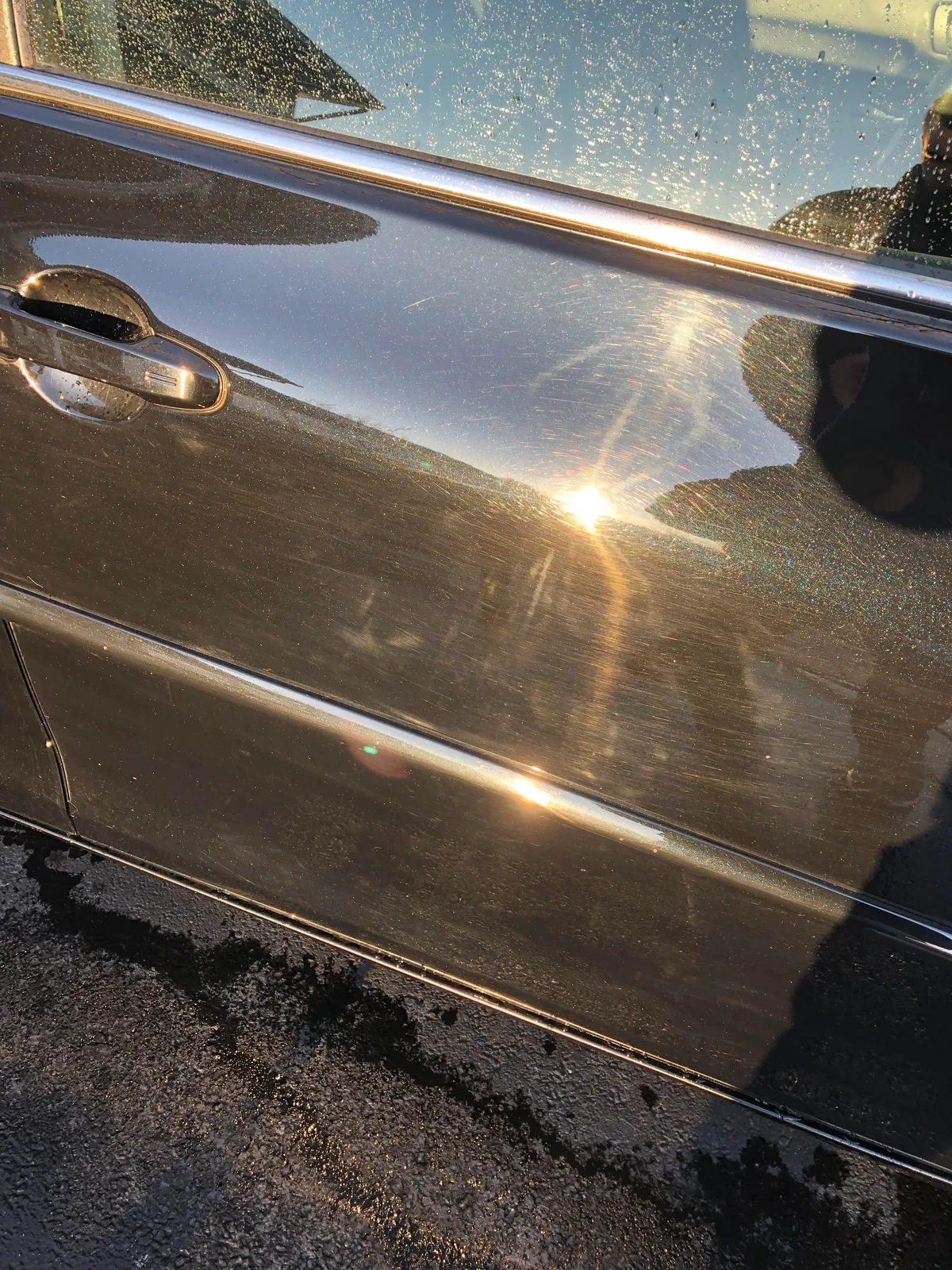
You just pulled out of the car wash and noticed something off, scratches, swirls, or maybe a new dent. Car wash damage to my car is more common than you think, and it can happen in seconds. Whether it’s from abrasive brushes, harsh chemicals, or high-pressure jets, the results can be frustrating and costly.
Per International Carwash Association standards, automatic car washes should use pH-balanced soaps and soft materials, but not all do. If you’ve ever wondered why your paint looks duller after a wash, the answer often lies in how the wash was done.
Quick Answer
Car wash damage to my car is real. Brushes can scratch paint. Chemicals may strip wax.
High pressure can loosen trim. Inspect right after washing.
The 3 Most Common Types of Car Wash Damage
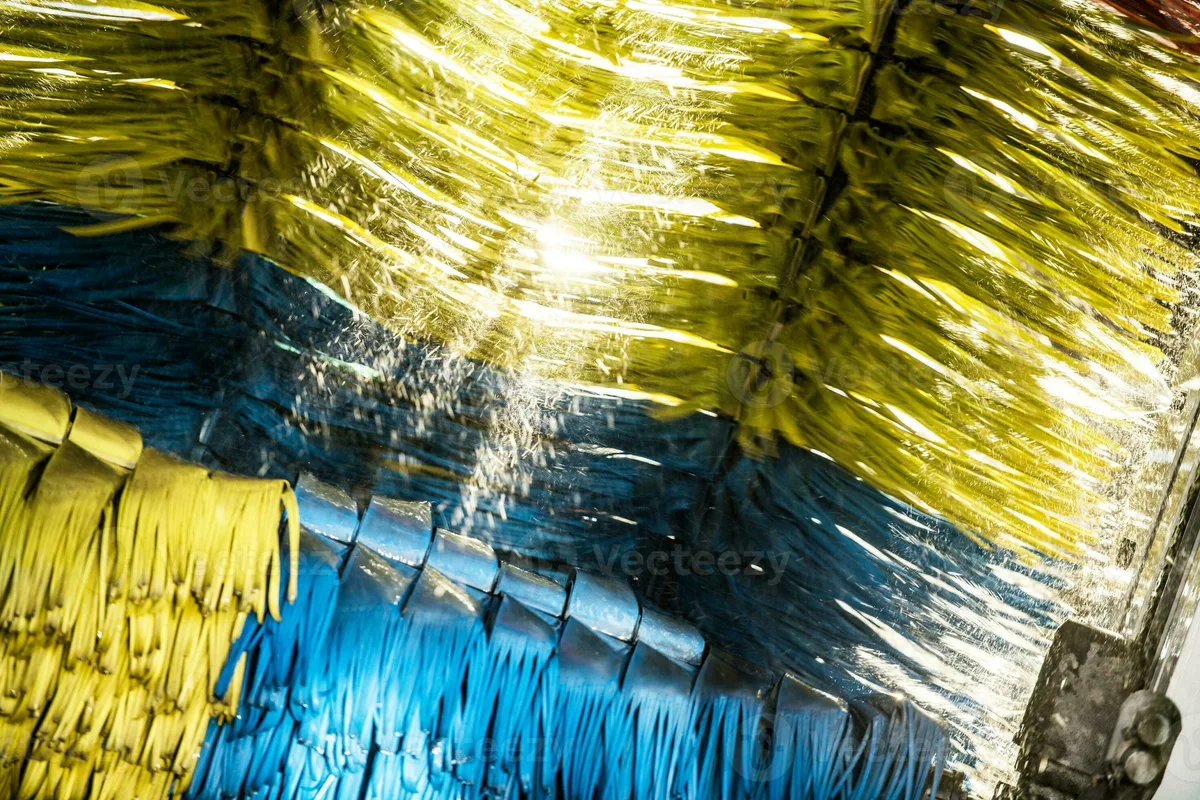
Physical abrasion is the top culprit. Automatic car washes with dirty or worn brushes drag debris across your paint, leaving swirl marks or deeper scratches. Soft-cloth systems are gentler, but if not maintained, they still cause damage.
Chemical damage happens when strong detergents or improper pH levels break down your clear coat or wax. Some car washes use alkaline cleaners that, over time, etch paint, especially on darker vehicles. Manufacturer specs for most automotive paints recommend pH-neutral soaps to avoid this.
Mechanical issues are less obvious but just as harmful. High-pressure jets can force water into seals, causing electrical gremlins or rust. Conveyor systems may misalign body panels or snap off loose trim.
How to Inspect Your Car for Damage Right After a Wash
Start in good lighting, direct sunlight or a well-lit garage. Walk around the car and check for new scratches, swirls, or chips. Run your fingers lightly over suspect areas; you’ll feel imperfections before you see them.
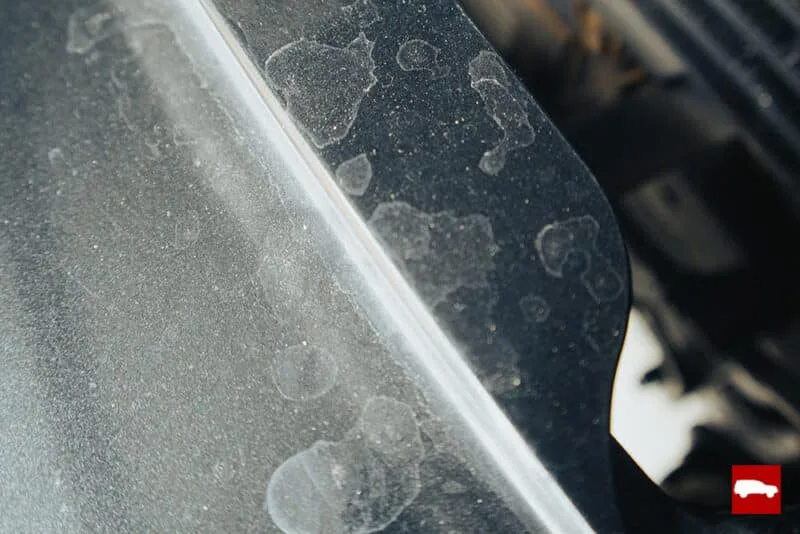
Look for water spots, especially on dark paint. These mineral deposits can etch into the clear coat if left untreated. A quick detailer spray can remove fresh spots, but baked-on ones may need a light polish.
Check the edges: door jambs, wheel wells, and under the mirrors. These areas often get hit by brushes or high-pressure streams. If you see paint flaking or trim hanging loose, document it immediately with photos.
What to Do Immediately If You Find Damage
Don’t drive away. Go back inside and notify the car wash manager. Most reputable chains have a damage claim process, but you need to report it on the spot.
Take timestamped photos from multiple angles, including close-ups of the damage and a wide shot showing the car’s position in the wash bay.
Ask for their incident report form. Some locations will offer to cover repairs if the damage is clearly their fault. If they refuse, note the employee’s name and the time, you’ll need this for your insurance claim.
If the damage is minor, like light swirls, a professional detailer can often fix it for under $200. For deeper scratches or mechanical issues, get a quote from a body shop. As of 2026, the average paint correction job runs $300, $800, depending on severity.
Can You Get the Car Wash to Pay for It?
It depends on their policy. Many automatic car washes have liability waivers that limit their responsibility, but these don’t always hold up if negligence is involved. For example, if their brushes were visibly dirty or their equipment malfunctioned, they may still be on the hook.
Check your own insurance first. Comprehensive coverage often includes car wash damage, but you’ll pay the deductible, typically $250, $1,000. If the repair cost is close to your deductible, it might not be worth filing a claim.
If you’re pursuing the car wash, send a formal email with your photos, the incident report, and a repair estimate. Cite their own terms of service if they advertise “damage-free” washes. The International Carwash Association provides guidelines on industry standards, which can help your case.
Automatic vs. Touchless vs. Hand Wash: Which Is Safest?
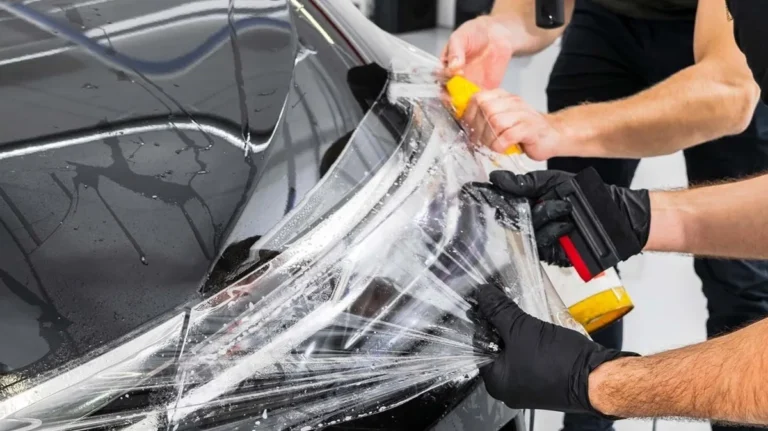
Touchless car washes use high-pressure jets and strong chemicals to clean without physical contact. They’re safest for delicate paint and aftermarket wraps. However, the chemicals can be harsh on wax and sealants over time.
Soft-cloth automatic washes use foam or microfiber brushes. They clean better but risk swirl marks if the brushes aren’t maintained. Manufacturer specs show these systems need regular cleaning to prevent debris buildup.
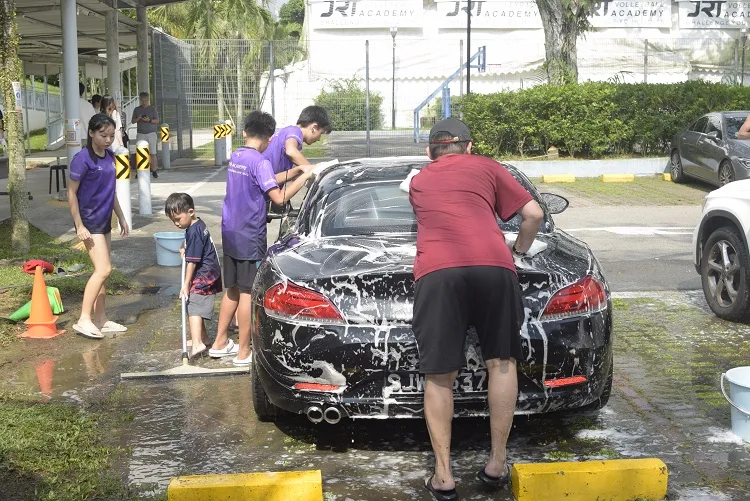
Hand washes are the gentlest option. A detailer uses microfiber towels and pH-balanced soaps, reducing abrasion risk. The downside is cost and time, expect to pay $50, $150 per wash.
Best for:
- Touchless: Ceramic-coated cars, wraps, or sensitive paint
- Soft-cloth: Quick, affordable cleaning for daily drivers
- Hand wash: Luxury or classic cars needing extra care
How to Prevent Damage on Your Next Wash
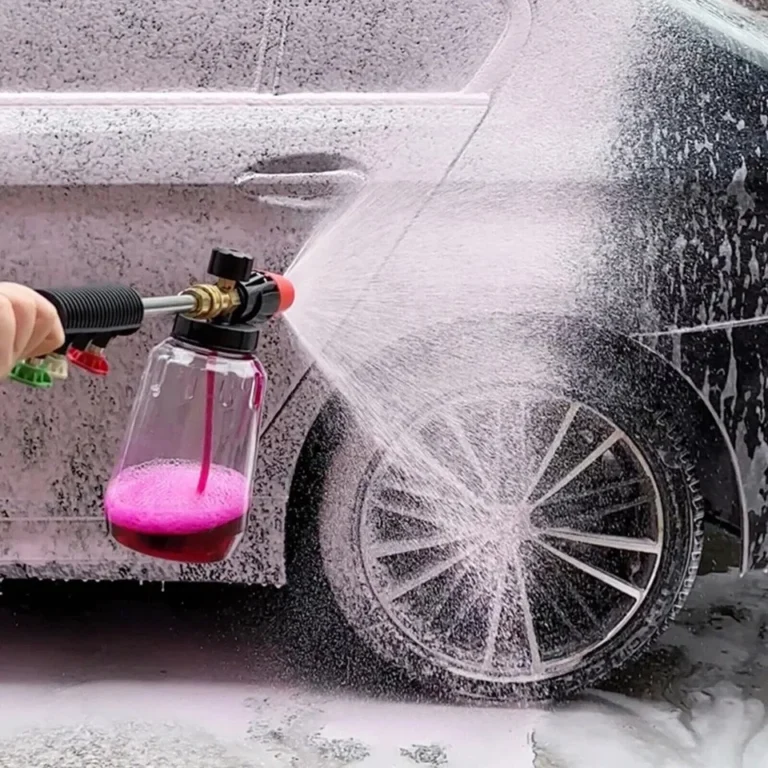
Pre-rinse your car to remove loose dirt. This reduces the chance of debris getting trapped in brushes or jets. A quick spray with a hose or at a self-serve bay takes two minutes and saves your paint.
Avoid automatic brush washes if your car has a fresh wax job or ceramic coating. The friction can strip protective layers. Stick to touchless or hand washes for the first 30 days after application.
Check the car wash’s maintenance routine. Reputable locations clean their brushes daily and use filtered water. If the equipment looks dirty or worn, drive to another wash.
When to Fix It Yourself vs. Call a Pro
Light swirls and water spots can often be fixed at home. A clay bar removes embedded contaminants. A light polish restores shine to dull paint.
These take an afternoon and cost under $50 in supplies.
Deep scratches or chips need a pro. If you can catch a fingernail in the scratch, it’s through the clear coat. A body shop can sand, prime, and repaint the area to match your car’s finish.
Mechanical damage like misaligned panels or broken trim should always go to a pro. DIY fixes can make it worse or void warranties. Aggregate reviews show most body shops charge $150, $400 for minor panel adjustments.
Real-Life Scenarios: What Actually Gets Damaged & Why
Side mirrors and antennas are the most common victims. Automatic brushes can catch and snap them off if they’re loose. Always retract antennas before entering a car wash.
Paint peeling often happens on older cars with faded clear coat. The high pH cleaners in some automatic washes accelerate the damage. If your car’s paint is already chipping, switch to a hand wash.
Undercarriage rust starts when water isn’t fully drained. Some car washes skip the undercarriage rinse in winter to avoid freezing. If you live in a snowy area, find a wash with a full undercarriage spray to prevent salt buildup.
Final Decision Guide: Should You Keep Using That Car Wash?
If you’ve had damage before, stop using that location. One incident is a warning. Two means it’s not a fluke.
Check their equipment next time you visit. Dirty brushes, rusted jets, or broken sensors are red flags. A well-maintained wash will have clean brushes and clear signage about their maintenance schedule.
Consider switching to a touchless or hand wash if your car has sensitive paint. The extra cost is worth avoiding repairs. Most luxury car owners prefer hand washes for this reason.
Frequently Asked Questions
Can a car wash ruin my clear coat?
Yes, repeated exposure to harsh chemicals or abrasive brushes can wear down the clear coat over time. Touchless washes with strong detergents are often the worst offenders for this.
How do I prove the car wash damaged my car?
Take timestamped photos immediately after the wash. Get the incident report from the car wash staff. A repair estimate from a body shop adds weight to your claim.
Is touchless car wash better for my paint?
For most modern cars, yes. It eliminates the risk of physical abrasion. However, the chemicals can still dull wax or sealants if used too often.
Will my insurance cover car wash damage?
It depends on your policy. Comprehensive coverage usually includes it, but you’ll pay the deductible. Check with your provider before filing a claim.
How often should I wash my car to avoid damage?
Every two weeks is ideal for most climates. In winter, wash weekly to remove road salt. Stick to gentle methods if your car has sensitive paint or coatings.