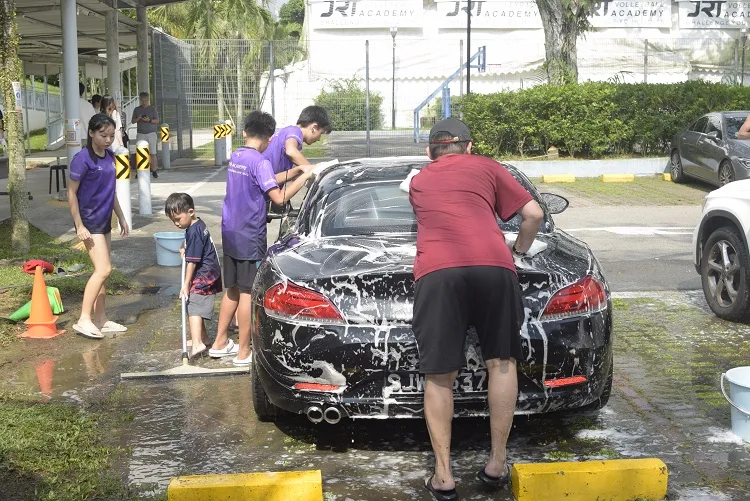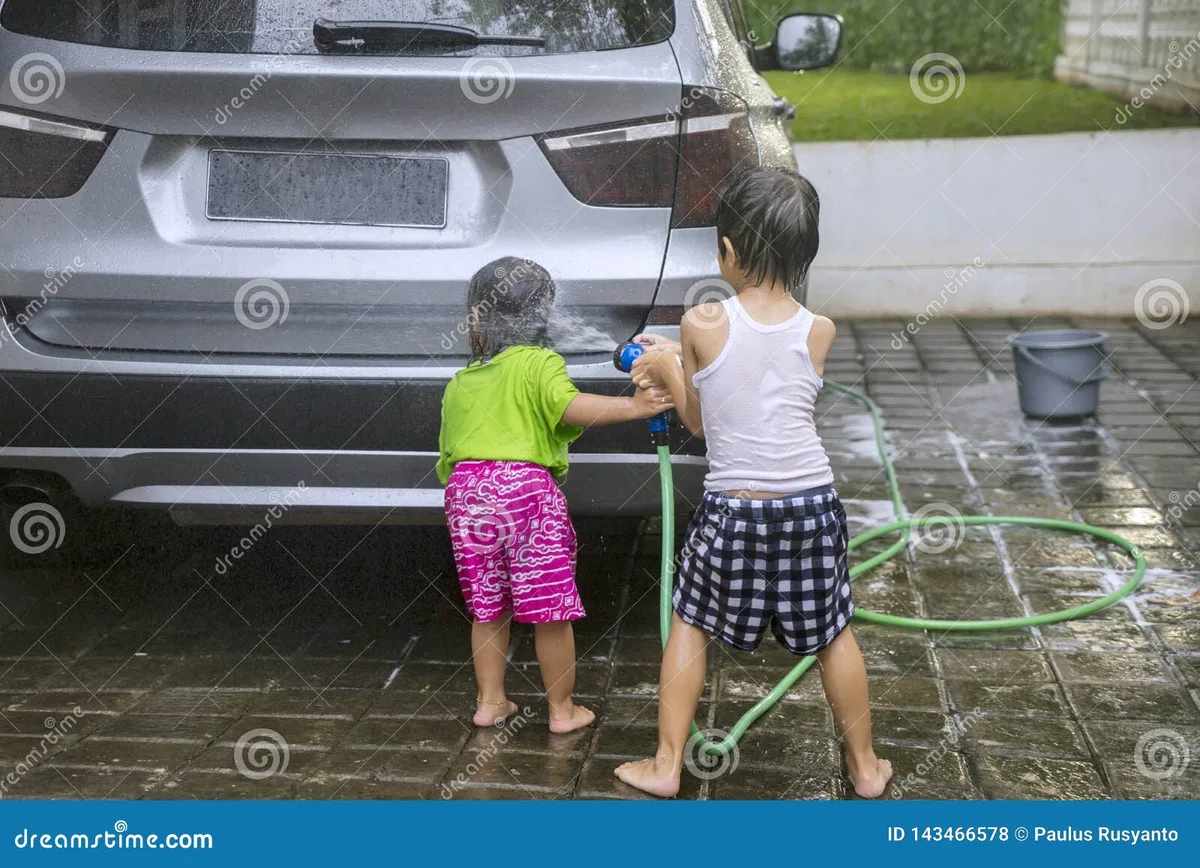
Washing cars for kids can be a fun way to teach responsibility and spend time together, but it’s not as simple as handing them a sponge and hose. Done right, it’s a safe, practical activity that even young children can help with under supervision.
Per manufacturer guidelines, a basic car wash uses about 80, 100 gallons of water with a hose, but that drops to 20, 40 gallons with a pressure washer. The key is matching the task to the child’s age and ability.
Quick Answer
Washing cars for kids is safe with supervision and the right tools. Use a low-PSI hose or pressure washer under 1,900 PSI. Stick to pH-balanced car soap and microfiber cloths.
Always supervise children under 10.
Why Let Kids Wash a Car (And When to Say No)
Letting kids wash a car teaches them teamwork, responsibility, and basic vehicle care. It’s also a great way to get them outside and active. For parents, it’s a chance to bond while tackling a chore.
But there are times to say no. Avoid automatic brushes or harsh chemicals on specialty paint finishes like matte or satin. Also skip washing in extreme heat or freezing temps, as water spots or ice damage can occur.
As of 2026, most car manufacturers recommend washing in the shade to prevent premature drying.
What You’ll Need: Kid-Safe Car Wash Supplies
You don’t need professional-grade equipment, but the right tools make the job safer and more effective.
| Item | Purpose | Kid-Safe Notes |
|---|---|---|
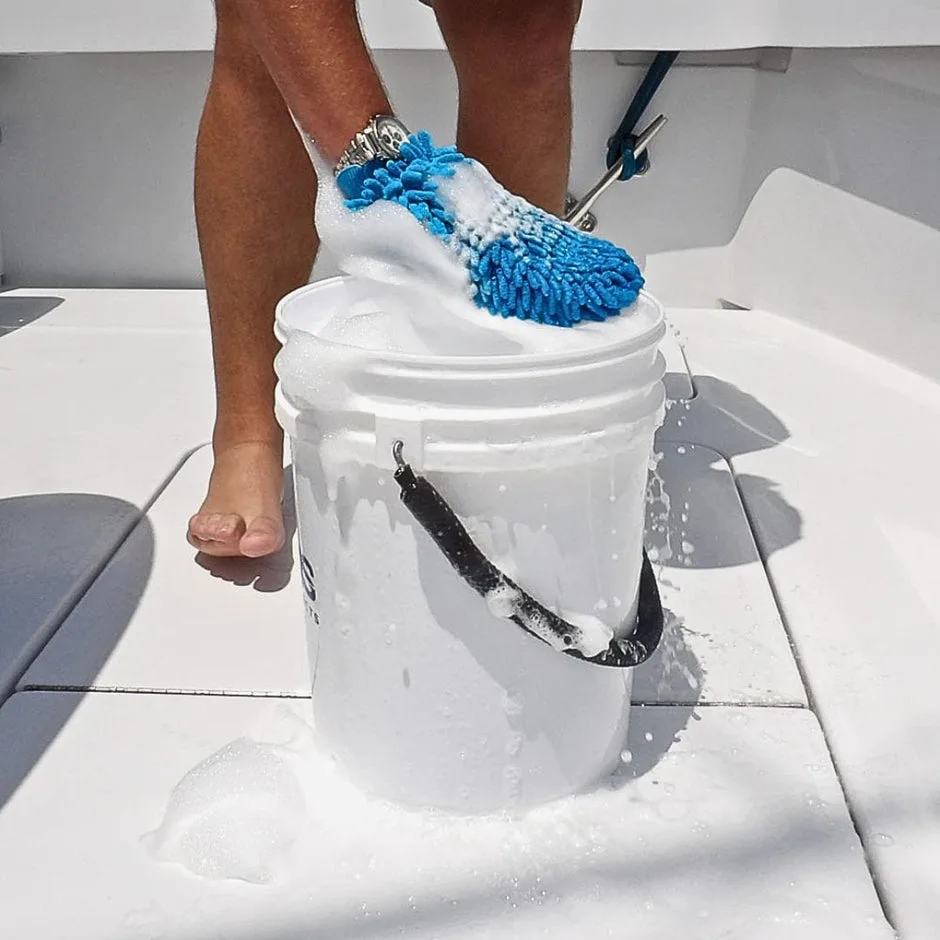
| Microfiber wash mitt | Gentle on paint | Avoid abrasive sponges |
| pH-balanced car soap | Cleans without stripping wax | Non-toxic, biodegradable preferred |
| Two buckets | One for soap, one for rinse | Prevents cross-contamination |
| Garden hose with nozzle | Controlled water flow | Use a spray nozzle, not open hose |
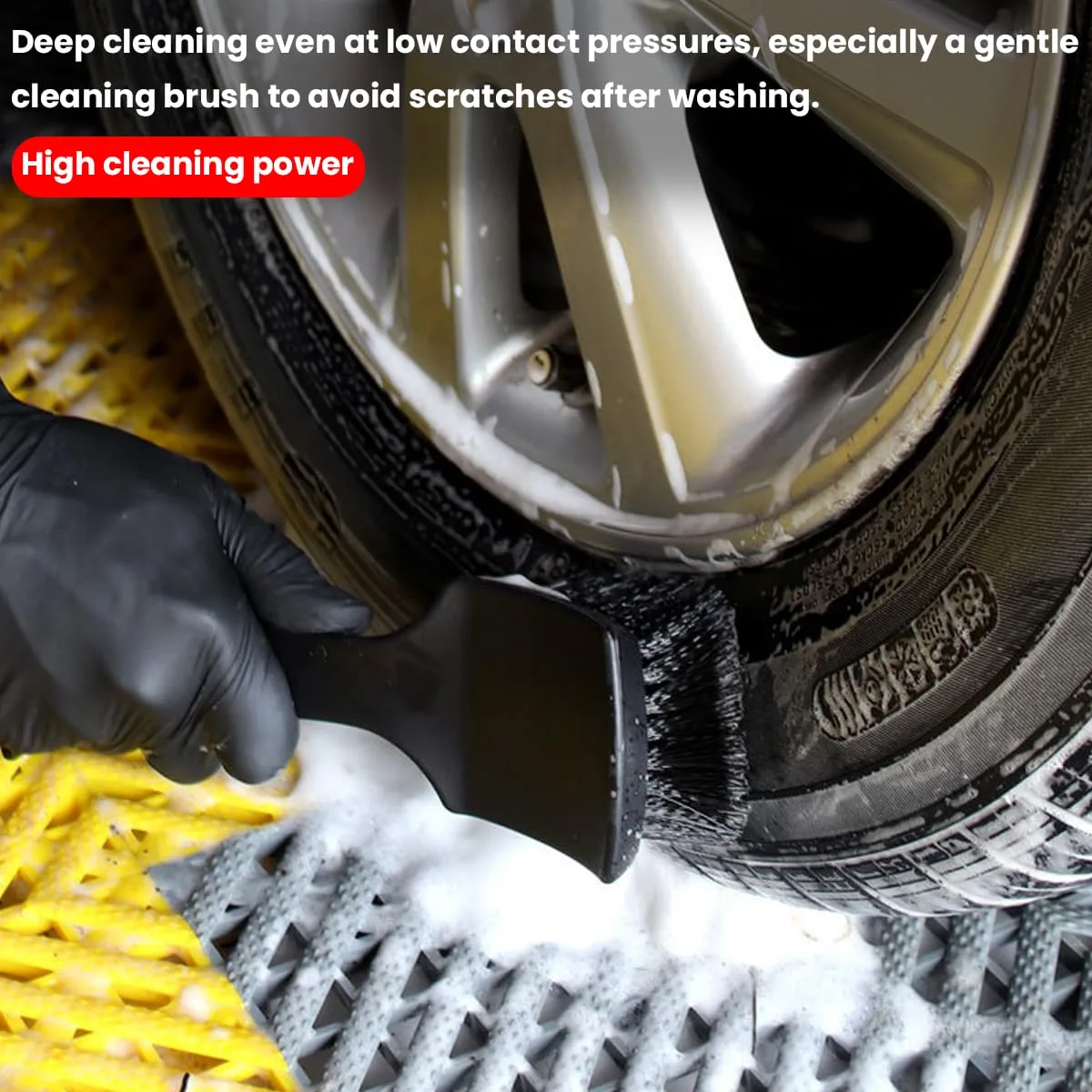
| Wheel brush | Cleans tires and rims | Separate from body wash tools |
| Drying towels | Prevents water spots | Microfiber only |
| Gloves | Protects hands from chemicals | Nitrile or latex-free for allergies |
Skip the dish soap, it strips wax and can damage clear coats over time. Manufacturer specifications confirm that dedicated car shampoos are formulated to protect automotive finishes.
Step-by-Step: How to Wash a Car with Kids
Start by parking the car in the shade. Direct sunlight causes water to evaporate too quickly, leaving spots. Fill one bucket with soapy water and another with clean water for rinsing.
Prep Work (Before the Water Flows)
Remove loose debris like leaves or twigs from the car’s surface. Rinse the car with a hose to loosen dirt. If using a pressure washer, keep it below 1,900 PSI to avoid damaging the paint.
For younger kids, assign simple tasks like rinsing with a spray bottle or drying with a towel. Older kids can handle scrubbing with a wash mitt.
Washing the Car (Kid-Friendly Tasks by Age)
Ages 5, 7:
- Rinse the car with a spray bottle or low-pressure hose.
- Dry the car with a microfiber towel.
- Hand you tools as needed.
Ages 8, 12:
- Apply soap with a wash mitt (supervised).
- Wash wheels with a separate brush.
- Rinse sections after washing.
Ages 13+:
- Can handle most steps independently.
- Use a pressure washer (with PSI limits).
- Apply wax or sealant (if using kid-safe products).
Work in sections, top to bottom, one panel at a time. This prevents soap from drying before rinsing.
Rinsing and Drying (Without the Mess)
Rinse each section immediately after washing to avoid soap residue. Use a hose with a spray nozzle for even coverage. For drying, microfiber towels are a must to prevent scratches.
If you’re in a drought-prone area, consider a waterless wash solution. These products lift dirt without excessive water use, and many are safe for kids to help apply.
Age-by-Age Guide: What Kids Can (and Can’t) Do
Not all tasks are safe or practical for every age. Here’s a quick breakdown:
Under 5:
- Can do: Hand you supplies, "dry" with a towel (supervised).
- Can’t do: Handle hoses, pressure washers, or chemicals.
Ages 5, 7:
- Can do: Rinse with a spray bottle, dry with a towel, wash lower panels with a mitt.
- Can’t do: Use pressure washers, climb on the car, or apply wheel cleaner.
Ages 8, 12:
- Can do: Wash most of the car with supervision, rinse with a hose, clean wheels with a brush.
- Can’t do: Use high-PSI pressure washers or harsh chemicals.
Ages 13+:
- Can do: Nearly all tasks, including pressure washing (under 1,900 PSI) and waxing.
- Can’t do: Use industrial-strength cleaners without adult oversight.
For reference, the Idaho Basic Rule Law emphasizes reasonable care in all activities, including teaching kids safe practices around vehicles.
Common Mistakes That Ruin the Car (or the Fun)
Using dish soap instead of car shampoo strips wax and dulls the paint over time. Manufacturer specs confirm that dedicated car soaps are pH-balanced to protect clear coats.
Washing in direct sunlight causes water to dry too fast, leaving spots. Always park in the shade or wait for a cloudy day.
Skipping the rinse step leaves soap residue that can etch the paint. Rinse each section immediately after washing.
Letting kids use abrasive sponges or brushes scratches the surface. Stick to microfiber mitts and soft-bristle brushes for wheels.
Safety First: Rules to Prevent Injuries and Damage
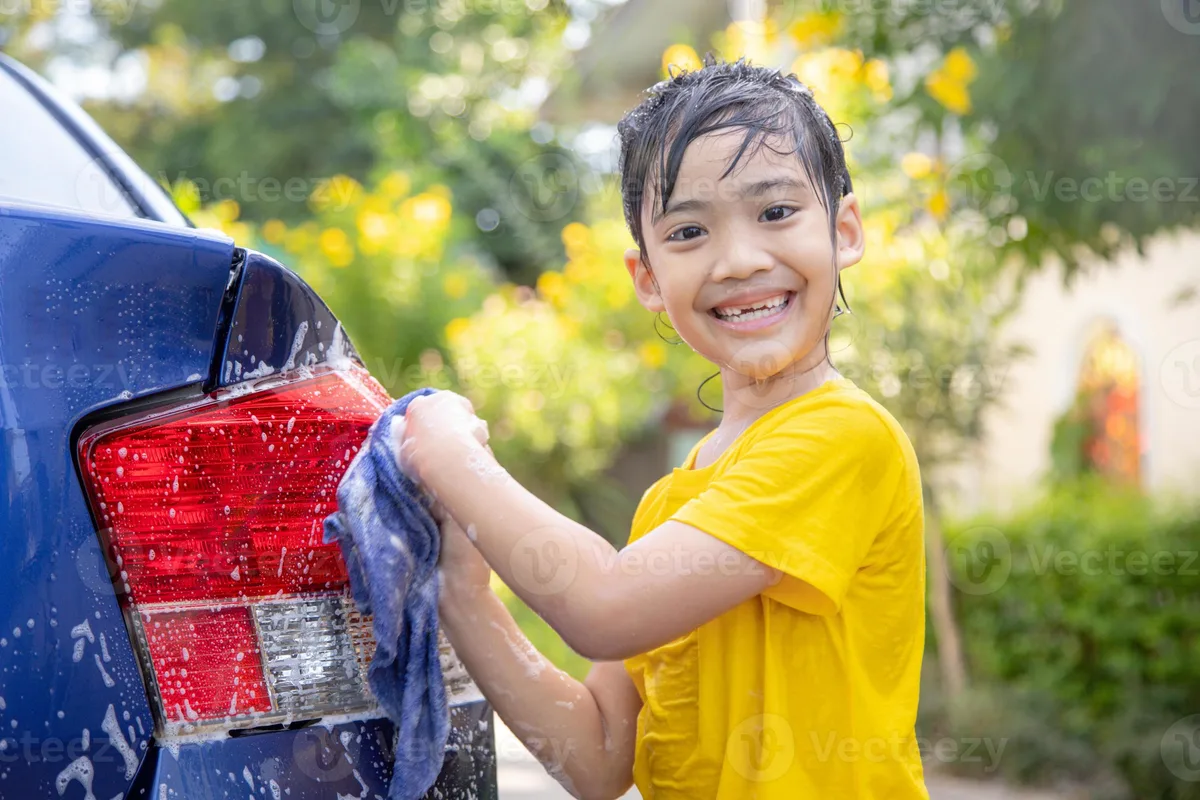
Never let kids climb on the car or stand on bumpers. Falls can cause serious injuries.
Avoid high-pressure washers above 1,900 PSI. These can damage paint and injure skin. For kids, a garden hose with a spray nozzle is safer.
Use non-toxic, biodegradable cleaners. Harsh chemicals can irritate skin and eyes. Gloves and goggles add an extra layer of protection.
Keep electrical outlets and extension cords away from water. The EPA recommends using grounded outlets and GFCI protection for outdoor water activities.
Eco-Friendly Tips for a Greener Wash
Use a waterless wash solution for light cleaning. These products lift dirt without excessive water use.
If using a hose, opt for a spray nozzle with an adjustable flow. This reduces water waste compared to an open hose.
Choose biodegradable, phosphate-free car soaps. These are safer for plants and wildlife when runoff occurs.
Wash the car on a grassy area or a driveway that drains into a sewer system. Avoid letting soapy water flow into storm drains, which often lead directly to rivers and streams.
Cost Breakdown: DIY vs. Professional Car Wash
A DIY wash costs about $20, $50 for initial supplies. This includes buckets, mitts, soap, and drying towels. Replenishing soap and towels adds minimal ongoing costs.
A professional automatic car wash runs $10, $30 per session. Over time, DIY washing saves money, especially for frequent washes.
Water usage varies significantly. A hose uses 80, 100 gallons per wash, while a pressure washer uses 20, 40 gallons. Waterless washes use as little as 1, 2 gallons.
FAQs About Kids and Car Washing
Can a 5-year-old help wash a car?
Yes, but stick to simple tasks like rinsing with a spray bottle or drying with a towel. Always supervise closely to prevent accidents.
Is it safe to use a pressure washer with kids?
Only with low-PSI models under 1,900 PSI and under adult supervision. High pressure can damage paint and cause injuries.
What’s the best soap for kids to use?
Use a pH-balanced car shampoo that’s non-toxic and biodegradable. Avoid dish soap, as it can strip wax and damage paint.
How often should we wash the car with kids?
Once a month is a good rule of thumb for regular maintenance. More frequent washes may be needed in areas with high pollen, dust, or salt exposure.
Can kids wash the car in winter?
Avoid washing in freezing temperatures, as water can freeze and cause damage. Stick to warmer days or use a waterless wash solution.
Final Verdict: Should Your Kid Wash the Car?
Yes, but with clear rules. Kids as young as 5 can help with simple tasks under supervision. Older kids can take on more responsibility.
The key is matching the task to their age and ability. Always prioritize safety over speed. Use the right tools and follow the step-by-step process outlined earlier.