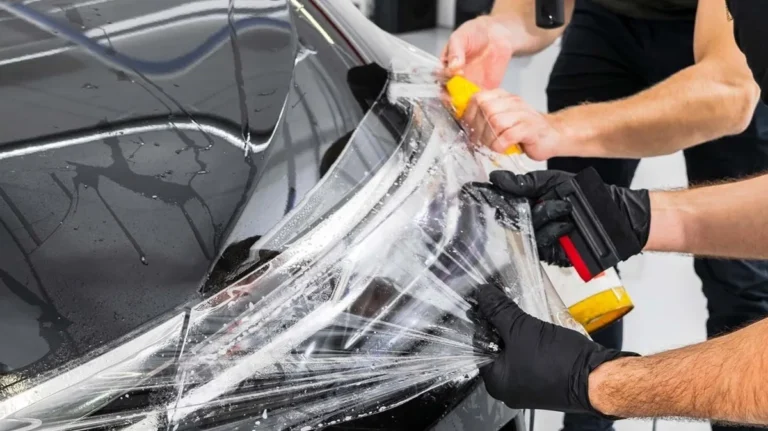
Brick dust on your car isn’t just unsightly, it’s abrasive and can scratch the paint if you’re not careful. If you’re wondering how to remove brick dust from car without hose pipe, the good news is you can do it safely with just a few household items and the right technique. Manufacturer specs for automotive paint confirm that fine particles like brick dust can embed in clear coat if rubbed the wrong way.
The key is working in stages: dry removal first, then a gentle wash. This prevents swirling and keeps your finish intact.
Quick Answer
Use a soft brush or microfiber cloth to lift dry dust first. Then wash with a bucket of soapy water and a clean microfiber towel. Dry with another microfiber cloth to avoid water spots.
Never scrub hard or use paper towels.
Why Brick Dust Is a Problem for Your Car
Brick dust is more than just dirt. It’s made of fine, sharp particles that can act like sandpaper on your car’s clear coat. Over time, this leads to micro-scratches that dull the finish and make the paint more susceptible to UV damage.
The longer it sits, the harder it is to remove safely. That’s why addressing it quickly, and with the right method, matters. A study by the Society of Automotive Engineers highlights how abrasive contaminants accelerate paint degradation.
The Quickest Way to Remove Brick Dust Without a Hose
The fastest method is a two-step process: dry dusting followed by a waterless or bucket wash. This avoids the need for a hose while still protecting your paint.
If the dust is light, a microfiber cloth or soft brush may be enough. For heavier buildup, you’ll need water and soap to lift the particles without grinding them into the surface.
What You’ll Need (No Hose Required)
You don’t need specialized tools, but the right supplies make all the difference. Here’s what works best:
| Item | Purpose | Notes |
|---|---|---|
| Microfiber cloths | Lift dust without scratching | Use at least two: one for dust, one for drying |
| Soft-bristle brush | Remove dust from crevices | A paintbrush or detailing brush works well |
| Bucket | Hold soapy water | 5-gallon size is ideal |
| Car shampoo | Clean without stripping wax | pH-balanced formula only |
| Spray bottle | Apply waterless wash (optional) | Use if no bucket is available |
| Vacuum with brush attachment | Remove loose dust from interior and vents | Low suction setting to avoid damage |
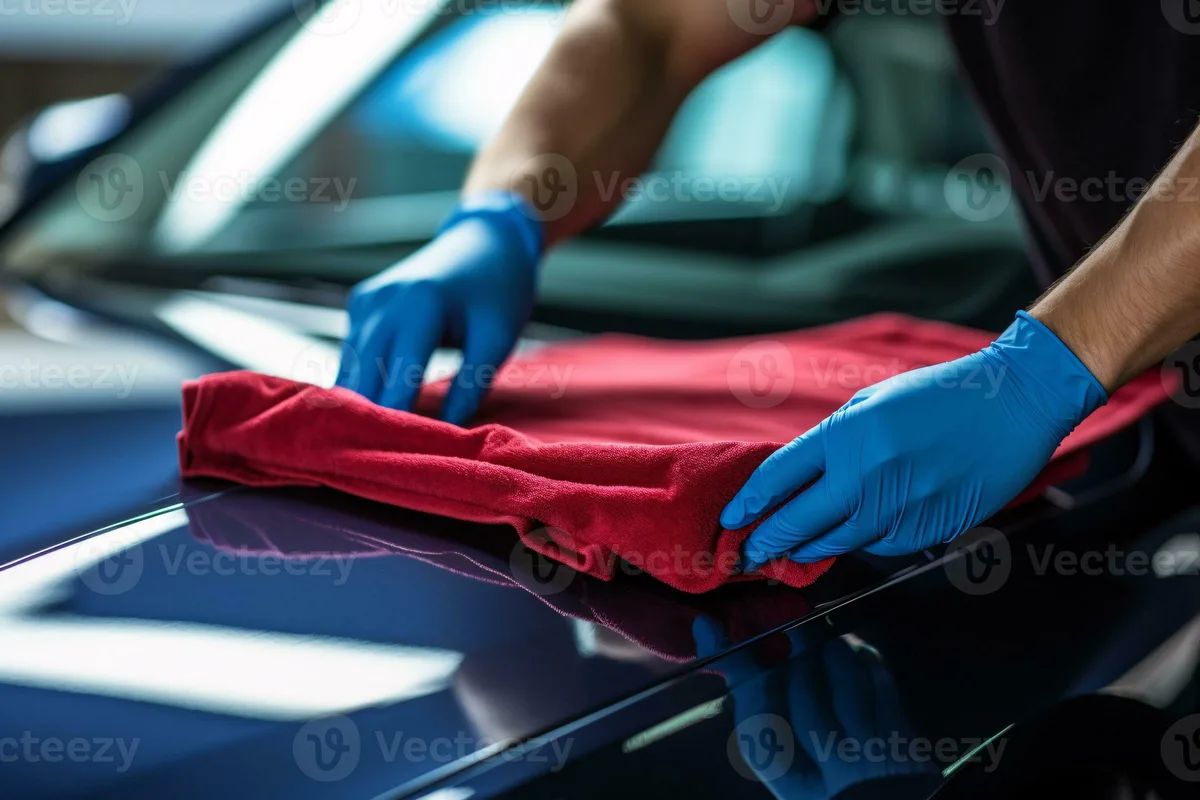
Avoid paper towels, dish soap, or household cleaners. These can scratch the paint or leave residue that attracts more dust.
Step-by-Step: Dry Dust Removal First
Start with dry removal to prevent turning dust into a slurry that scratches the paint. Work in a shaded area to avoid water spots if you move to wet cleaning later.
Shake off loose dust Use a soft-bristle brush to gently sweep dust from the roof, hood, and trunk. Work top to bottom so dust falls away from clean areas.
Vacuum crevices Use a vacuum with a brush attachment to remove dust from seams, grilles, and around emblems. Keep the nozzle a few inches away to avoid contact.
Wipe with a dry microfiber cloth Lightly drag the cloth over the surface to pick up remaining dust. Fold the cloth frequently to expose a clean side.
If the dust is caked on, don’t force it. Move to the wet cleaning step instead of risking scratches.
Step-by-Step: Wet Cleaning Without a Hose
Fill a bucket with lukewarm water and add car shampoo per the bottle’s instructions. pH-balanced formulas lift dust without stripping wax or sealants.
Dip a microfiber wash mitt or cloth into the soapy water. Wash one panel at a time, rinsing the mitt in a second bucket of clean water between passes. This prevents re-depositing dust.
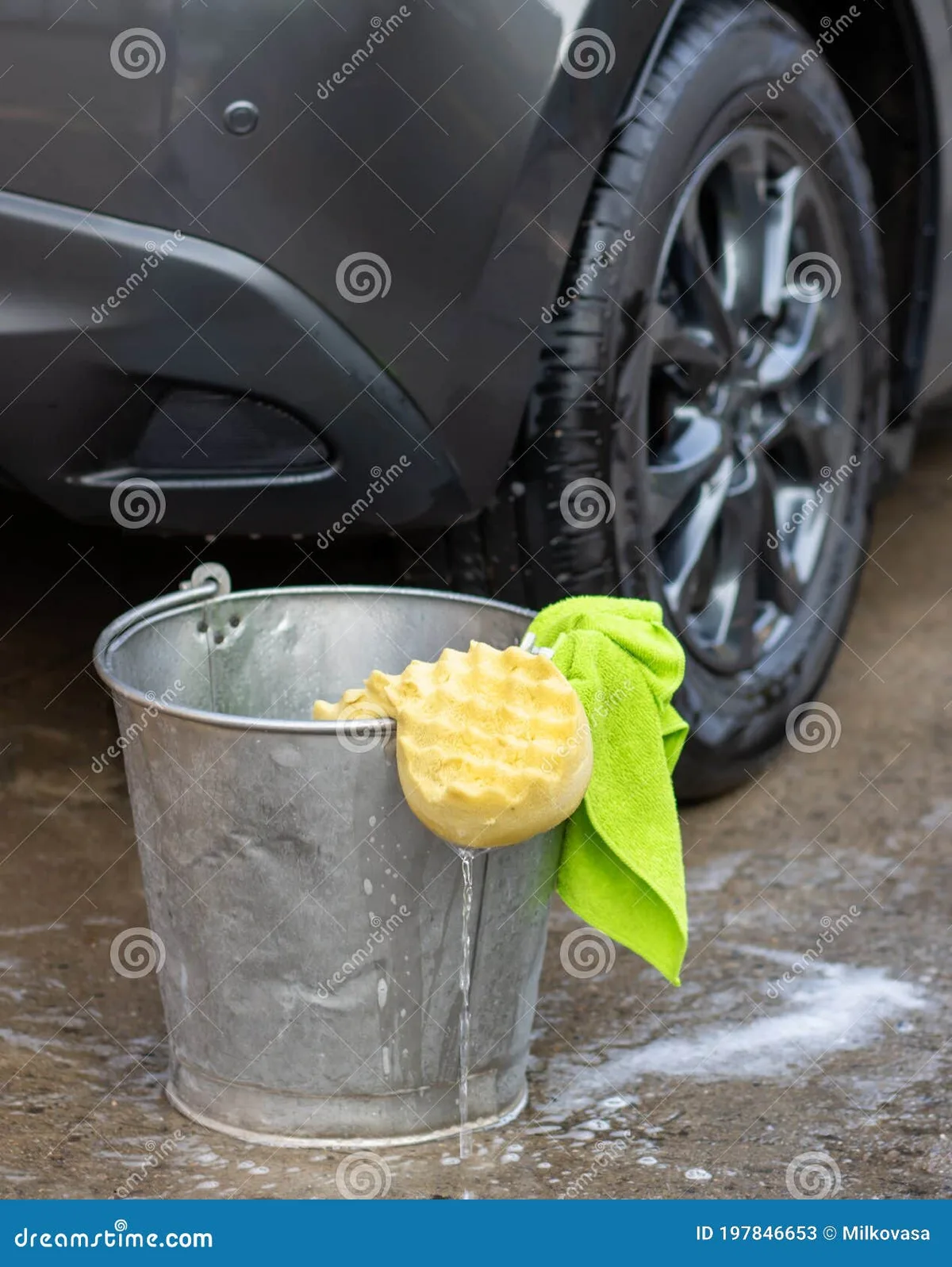
Dry each panel immediately with a clean microfiber towel. Water spots form quickly in direct sun, so work in the shade if possible.
How to Handle Stubborn Dust in Crevices
Brick dust loves to hide in seams, grilles, and around emblems. A soft-bristle brush or a can of compressed air can dislodge it without scratching.
For tight spots, wrap a microfiber cloth around a flat tool like a plastic putty knife. Slide it gently into the gap to pull out dust.
If dust is baked on, a clay bar can help. Lubricate the surface with quick detailer spray, then glide the clay bar lightly over the area. This picks up embedded particles without abrasion.
Common Mistakes That Scratch Your Paint
Using a dry paper towel or regular towel is the fastest way to swirl your paint. These materials trap dust and drag it across the surface.
Applying too much pressure when washing or drying can grind dust into the clear coat. Always use light, straight-line motions, not circles.
Skipping the two-bucket method means you’re just moving dust around. One bucket for soapy water, one for rinsing the mitt, keeps the wash water clean.
When to Use a Waterless Wash Instead
Waterless wash products are ideal when you have no access to water at all. They encapsulate dust so it can be wiped away safely.
These sprays work best on lightly dusty cars. For heavy brick dust, a bucket wash is more effective.
Apply the spray to a small section, let it sit for 30 seconds, then wipe with a microfiber cloth. Turn the cloth frequently to avoid reapplying dust.
Pro Tips for a Spotless Finish
Work in the shade or early morning to prevent water spots. Direct sunlight causes soap and water to dry too quickly.
Use separate microfiber cloths for washing, drying, and dusting. Cross-contamination defeats the purpose of careful cleaning.
After washing, consider applying a quick detailer spray or wax to restore shine and add a protective layer. This makes future dust easier to remove.
How to Keep Dust Off Longer Next Time
A fresh coat of wax or sealant creates a protective barrier that makes dust easier to remove. Reapply every 3 to 6 months for best results.
Parking in a garage or under a cover reduces dust accumulation. If that’s not possible, use a car cover when the vehicle sits unused for long periods.
Regular washing prevents dust from bonding to the paint. Aim for a wash every two weeks if you’re in a dusty area.
FAQs About Cleaning Brick Dust Safely
Can I use a leaf blower to remove brick dust?
A leaf blower can work for loose dust but may force particles deeper into crevices. Use it on a low setting and follow up with a microfiber cloth.
Will a regular towel scratch my car?
Yes. Regular towels and paper towels have coarse fibers that can scratch paint. Stick to high-quality microfiber cloths designed for automotive use.
How often should I wash my car if it’s exposed to brick dust?
Wash it every 1 to 2 weeks to prevent buildup. More frequent dusting with a microfiber cloth can extend the time between full washes.
Is dish soap safe for car paint?
No. Dish soap strips wax and can damage clear coat over time. Always use a pH-balanced car shampoo.
What’s the best way to clean dust from car vents?
Use a vacuum with a brush attachment or compressed air to blow dust out. Avoid inserting objects that could damage the vents.