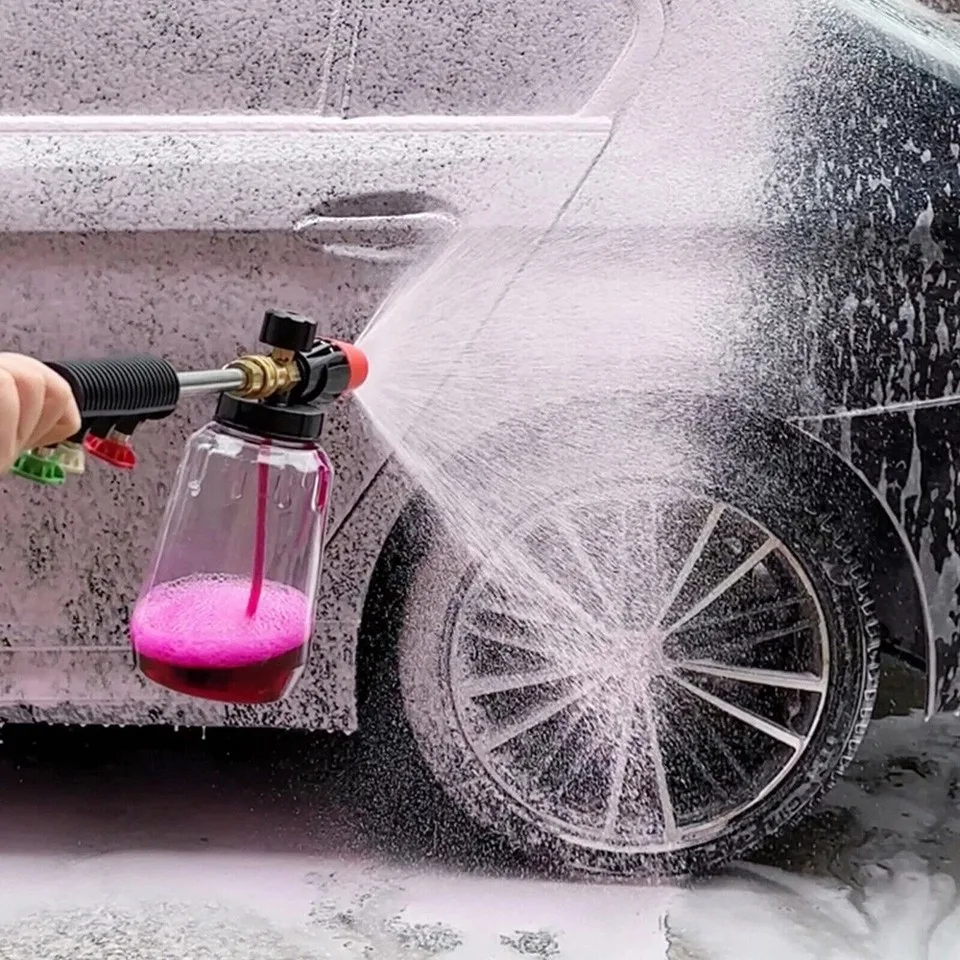
Jett Clean car wash solution is a concentrated, pH-balanced soap designed to lift dirt without stripping wax or damaging paint. It’s a favorite among detailers for its strong suds and safe formula, but it’s not the only option worth considering.
Manufacturer specs confirm a 1:256 dilution ratio, making it cost-effective for frequent use. Whether you’re washing by hand or with a foam cannon, the right soap can make a noticeable difference in your results.
Quick Answer
Jett Clean car wash solution is a high-foaming, pH-neutral detergent. It’s safe for clear coats and ceramic coatings. One gallon makes up to 256 gallons of wash solution.
It’s ideal for foam cannons and bucket washes.
What Makes Jett Clean Different from Regular Car Soap
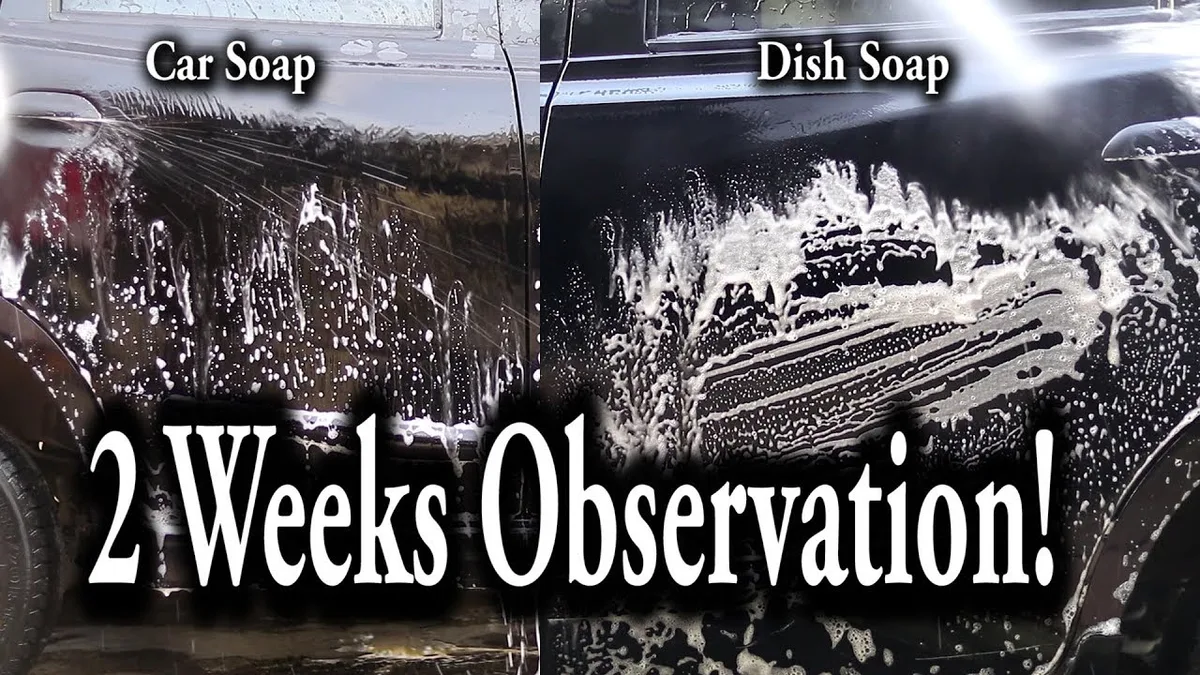
Most household soaps and dish detergents are too harsh for automotive paint. They strip wax, leave residue, and can cause swirl marks over time. Jett Clean is formulated specifically for cars, with a balanced pH that won’t degrade protective coatings.
Aggregate reviews report that it produces thick, long-lasting suds that cling to vertical surfaces. This is especially useful for foam cannon applications, where you need the soap to dwell and break down grime before rinsing.
Key Features: What’s Inside Jett Clean
Jett Clean stands out for its concentrated formula. A single gallon can dilute into hundreds of gallons of ready-to-use solution, which keeps costs low for frequent washers.
- pH-balanced: Typically neutral (around 7.0), safe for all paint types and coatings
- High sudsing: Creates thick foam that lifts dirt without scratching
- Biodegradable: Eco-friendly and safe for most drainage systems
- Wax-safe: Won’t strip existing wax or sealants
- Hard water compatible: Reduces spotting and streaking in mineral-heavy water
The soap’s viscosity is designed to cling to panels, giving you more time to agitate and lift contaminants.
Pros and Cons of Jett Clean vs. Competitors
Jett Clean isn’t perfect for every situation. Here’s what you gain, and what you might sacrifice, compared to other popular car wash soaps.
Pros:
- Strong cleaning power without harsh chemicals
- Works well in foam cannons and pressure washers
- Cost-effective due to high concentration
- Safe for ceramic coatings and wax
- Pleasant scent (varies by variant)
Cons:
- Requires precise dilution for best results
- May not remove heavy grime without pre-treatment
- Some users report it rinses off quickly in direct sunlight
For comparison, Chemical Guys Mr. Pink offers similar pH balance but with a slightly different sudsing profile. Meguiar’s Gold Class is another strong contender, though it’s often pricier per wash.
Jett Clean vs. Top Alternatives (Side-by-Side Comparison)
| Feature | Jett Clean | Chemical Guys Mr. Pink | Meguiar’s Gold Class | Optimum No Rinse (ONR) |
|---|---|---|---|---|
| pH Level | Neutral (~7.0) | Neutral (~7.0) | Neutral (~7.0) | Neutral (~7.0) |
| Concentration | 1:256 | 1:128 | 1:100 | Ready-to-use |
| Foaming Ability | High | High | Moderate | Low (waterless) |
| Wax-Safe | Yes | Yes | Yes | Yes |
| Best For | Foam cannons, pressure washers | Bucket washes, foam cannons | Bucket washes, hand washing | Waterless washes, quick detailer |
| Price per Wash | ~$0.50 | ~$0.75 | ~$1.00 | ~$1.50 |
| Eco-Friendly | Biodegradable | Biodegradable | Biodegradable | Biodegradable |
Jett Clean excels in foam cannon applications due to its high sudsing and cling. Mr. Pink is a close second, with a slightly more lubricating feel during hand washing.
Meguiar’s Gold Class is a solid all-rounder but costs more per wash. ONR is the outlier, it’s waterless, so it’s ideal for quick touch-ups but not for deep cleaning.
Best Use Cases: When Jett Clean Shines
Jett Clean works best for foam cannon applications and pressure washer setups. Its high sudsing formula clings to vertical surfaces, giving you more time to break down dirt before rinsing.
It’s also a strong choice for bucket washes, especially if you’re using the two-bucket method with grit guards. The soap’s lubrication helps prevent swirl marks during hand washing.
For waterless washes or quick detailer sprays, Jett Clean isn’t the best fit. Opt for a dedicated waterless wash product like Optimum No Rinse instead.
When to Avoid Jett Clean (And What to Use Instead)
Avoid Jett Clean for heavy-duty degreasing jobs. It’s not designed to cut through tar, tree sap, or industrial grime without pre-treatment.
If you’re washing a vehicle with unsealed wood, leather, or fabric interiors, skip Jett Clean. These materials can absorb the soap and cause damage over time.
For matte or satin paint finishes, check the manufacturer’s guidelines first. Some matte paints require pH-neutral soaps with no gloss enhancers.
How to Use Jett Clean for the Best Results
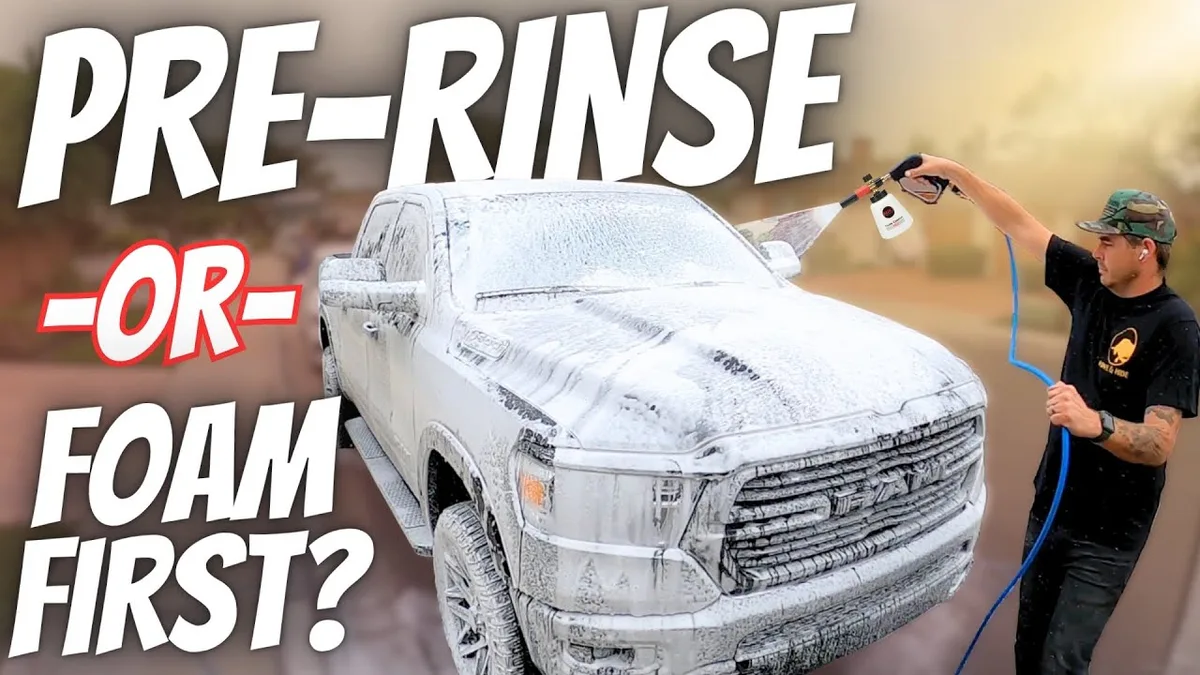
Start by rinsing the car to remove loose dirt. This prevents scratching during the wash process.
For foam cannon use, dilute Jett Clean at a 1:100 to 1:400 ratio. Apply the foam from top to bottom, letting it dwell for 3 to 5 minutes before rinsing.
For bucket washes, use 1 oz of Jett Clean per 5 gallons of water. Use a high-quality wash mitt and the two-bucket method to avoid reintroducing dirt to the paint.
Always dry the car with a clean microfiber towel to prevent water spots. This step is especially important in hard water areas.
Dilution Ratios: Getting the Mix Right
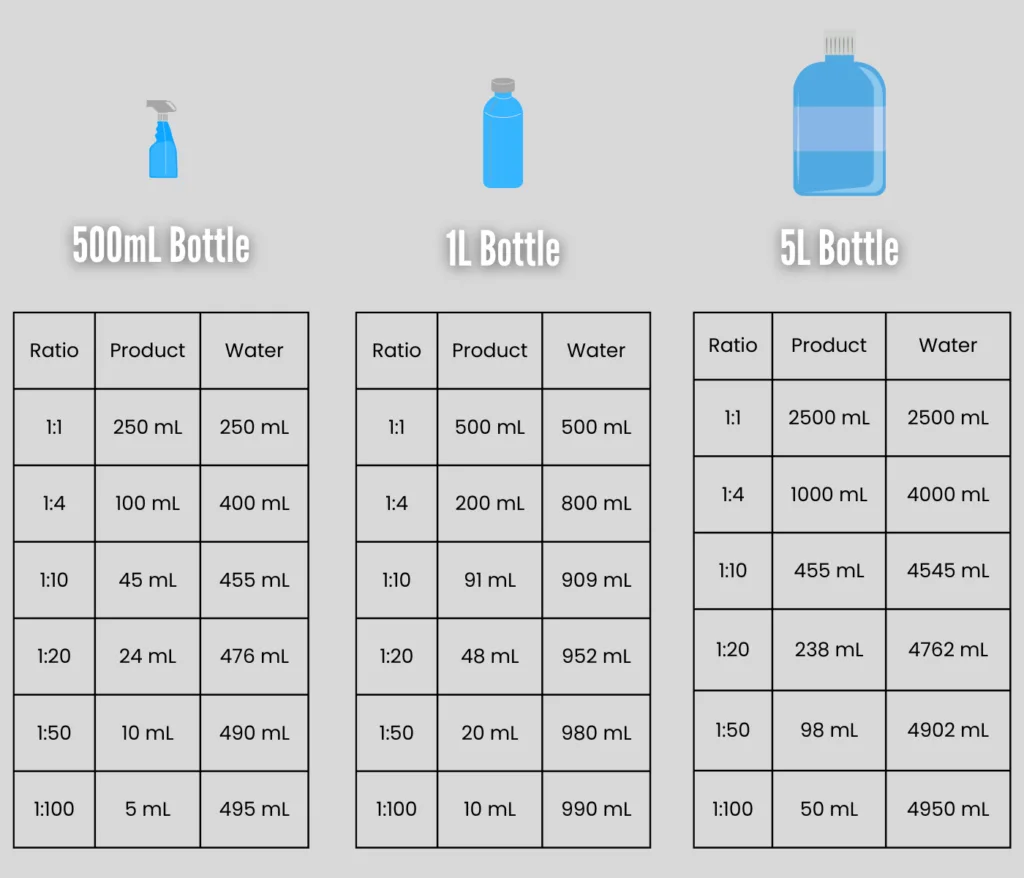
The right dilution ratio depends on how you’re using Jett Clean. For foam cannons, a 1:200 ratio is a good starting point. This creates thick foam that clings to the car’s surface.
For bucket washes, stick to 1 oz per 5 gallons of water. This ensures enough suds for effective cleaning without wasting product.
If you’re dealing with heavy dirt or clay bar prep, you can use a slightly stronger mix. Try 2 oz per 5 gallons, but don’t exceed this concentration. Over-concentrated soap can leave residue and make rinsing difficult.
Safety & Surface Compatibility (What It Won’t Damage)
Jett Clean is safe for most automotive surfaces, including clear coats, ceramic coatings, and paint protection film. It won’t strip wax or sealants if used as directed.
Avoid using it on unsealed aluminum, chrome, or anodized surfaces. These materials can react with certain soaps, leading to discoloration or corrosion.
For wheels and tires, Jett Clean can be used, but a dedicated wheel cleaner may be more effective for brake dust and grime. Always rinse thoroughly to prevent soap buildup in crevices.
Cost Breakdown: Is It Budget-Friendly?
A gallon of Jett Clean typically costs between $20 and $30 as of 2026. At a 1:256 dilution ratio, that works out to about $0.50 per wash.
Compared to ready-to-use soaps that cost $1 to $2 per wash, Jett Clean is significantly more economical for frequent users. The upfront cost is higher, but the long-term savings add up quickly.
For occasional washers, smaller bottles are available. These reduce the initial investment but increase the cost per wash slightly.
Common Mistakes People Make with Jett Clean
Using too much soap is a frequent error. Over-concentration doesn’t clean better, it just wastes product and can leave residue.
Not rinsing thoroughly is another issue. Leftover soap can cause streaks or water spots, especially in hard water areas.
Skipping the pre-rinse is a common oversight. Always rinse loose dirt first to prevent scratching during the wash.
Expert Tips for Longer-Lasting Cleanliness
Use a grit guard in your wash bucket. This traps dirt at the bottom, preventing it from being picked up by your mitt and scratched into the paint.
Wash in the shade or during cooler parts of the day. Direct sunlight can cause soap to dry too quickly, leading to streaks and water spots.
Dry your car immediately after washing. This prevents water spots and gives your paint a smoother finish.
Frequently Asked Questions
Is Jett Clean safe for ceramic coatings?
Yes, Jett Clean is pH-neutral and safe for ceramic coatings. It won’t degrade the coating or leave residue if used as directed.
Can I use Jett Clean in a pressure washer?
Yes, but dilute it properly first. Use a foam cannon attachment for best results, with a 1:200 to 1:400 ratio.
How often should I wash my car with Jett Clean?
Every two weeks is ideal for most climates. In harsh winter conditions with road salt, wash weekly to prevent corrosion.
Does Jett Clean remove wax?
No, it’s formulated to be wax-safe. It cleans without stripping existing wax or sealant layers.
What’s the shelf life of Jett Clean?
Unopened, it lasts about two years. After opening, use within 12 months for best performance.