ByMax Lee
How to Use a Pull Through Car Wash Like a Pro
Bing (Web (fair-use with source credit))
Pull-through car washes save time but only if you use them right. Learning how to use a pull through car wash means knowing the prep steps, the wash type, and what to avoid so you don’t end up with swirl marks or missed spots.
Most systems handle vehicles up to 6’6” tall and use about 40, 60 gallons of water per cycle. The real difference comes down to brushes versus high-pressure jets.
Quick Answer
A pull through car wash moves your car on a conveyor while brushes or jets clean it. Drive in slowly and follow the guide rails. Stay in neutral with your foot off the brake.
Pay at the kiosk first. Most cycles take 3 to 7 minutes.
How Pull-Through Car Washes Actually Work
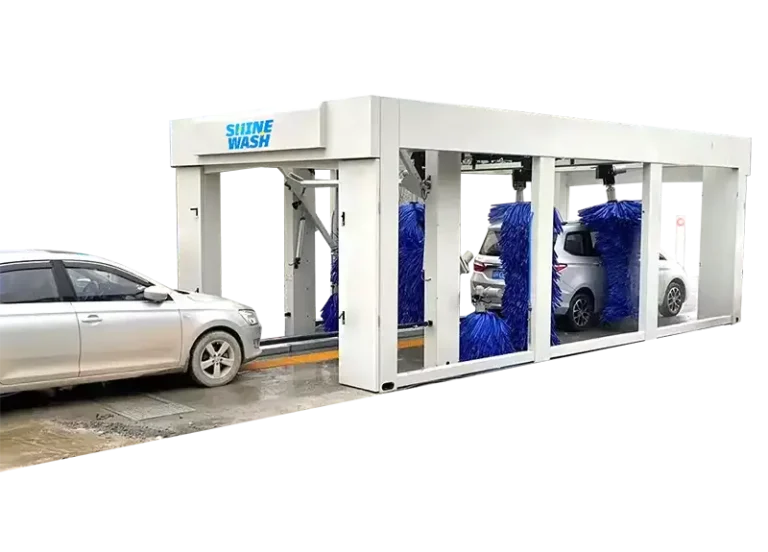
These are automated tunnels where a conveyor belt pulls your car through a series of cleaning stages. First comes a pre-soak to loosen dirt. Then high-pressure nozzles or rotating brushes scrub the surface.
A rinse cycle removes soap, and air blowers dry the vehicle.
Manufacturer specs confirm the conveyor speed is usually 1, 3 mph. Sensors align the wash equipment to your car’s size. Some locations add underbody sprays for salt removal in winter.
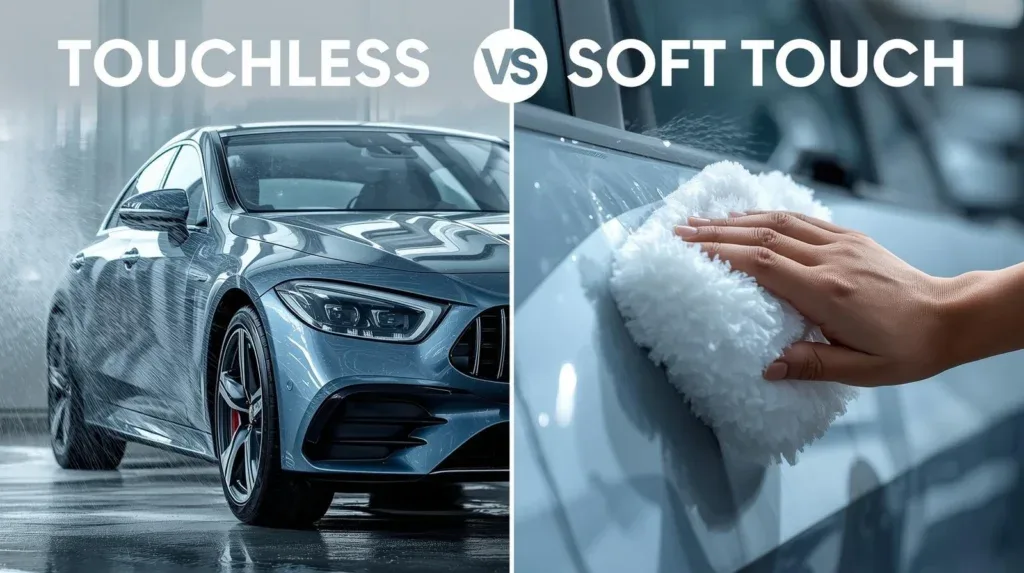
Soft-Cloth vs. Touchless: Which Type Should You Choose?
Bing (Web (fair-use with source credit))
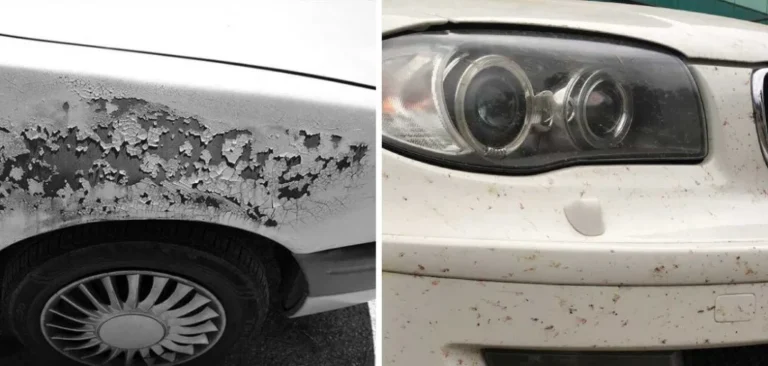
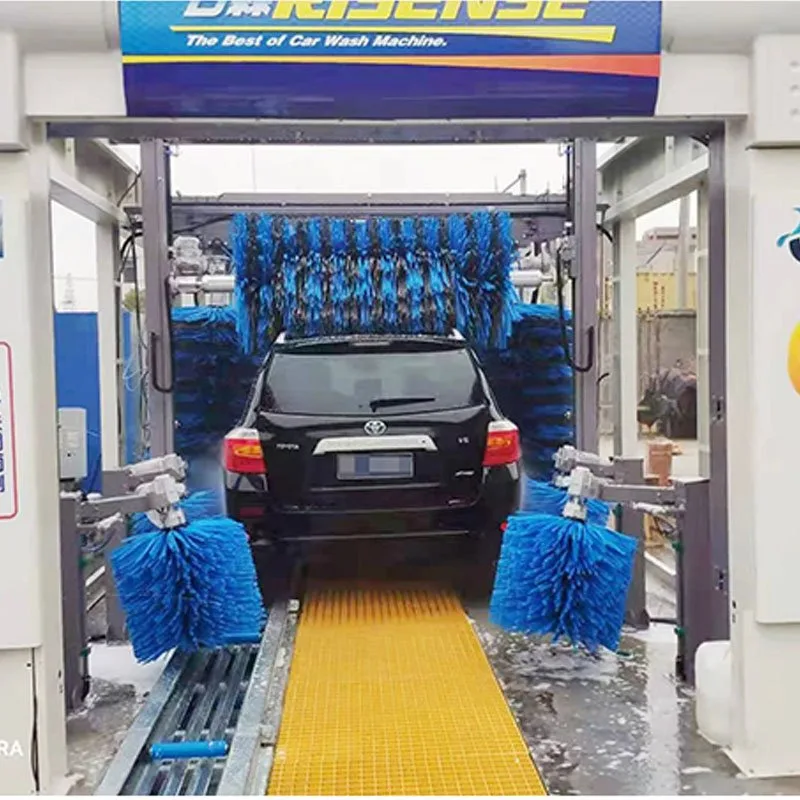
Soft-cloth washes use fabric strips or foam brushes to physically scrub the paint. They’re great for heavy dirt but can leave micro-scratches if the brushes aren’t cleaned regularly. Aggregate reviews report better cleaning for mud and road grime.
Touchless systems rely on high-pressure water and chemicals. They’re safer for delicate finishes like ceramic coatings but may miss baked-on bugs or tar. Per International Carwash Association standards, touchless uses 1,000, 2,000 PSI jets.
Best for:
- Soft-cloth: Daily drivers, heavily soiled vehicles
- Touchless: New paint, matte finishes, ceramic-coated cars
What to Do Before You Even Drive In
Bing (Web (fair-use with source credit))
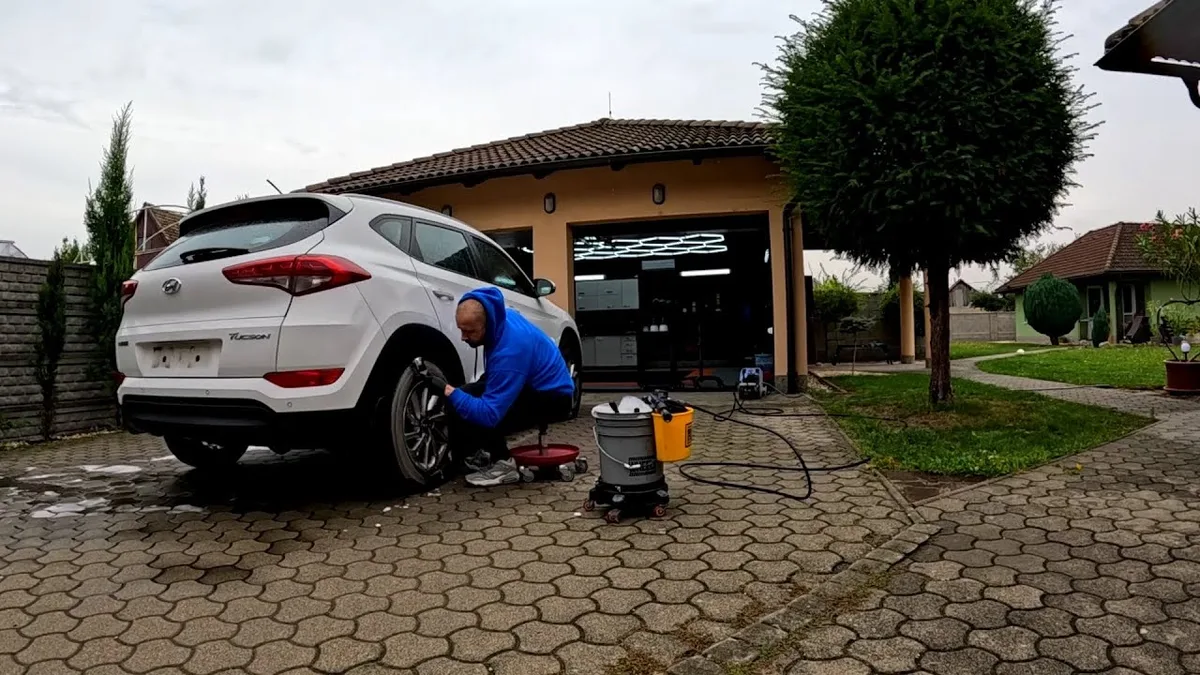
Remove or secure loose items like bike racks, antennae, or magnetic signs. Fold in side mirrors if they stick out too far. Close all windows and the sunroof to prevent water leaks.
Check for existing damage like chipped paint or loose trim. If your car has a convertible top, confirm it’s safe for automated washes, most manufacturers advise against it.
Step-by-Step: How to Use a Pull-Through Car Wash Without Messing Up
Bing (Web (fair-use with source credit))
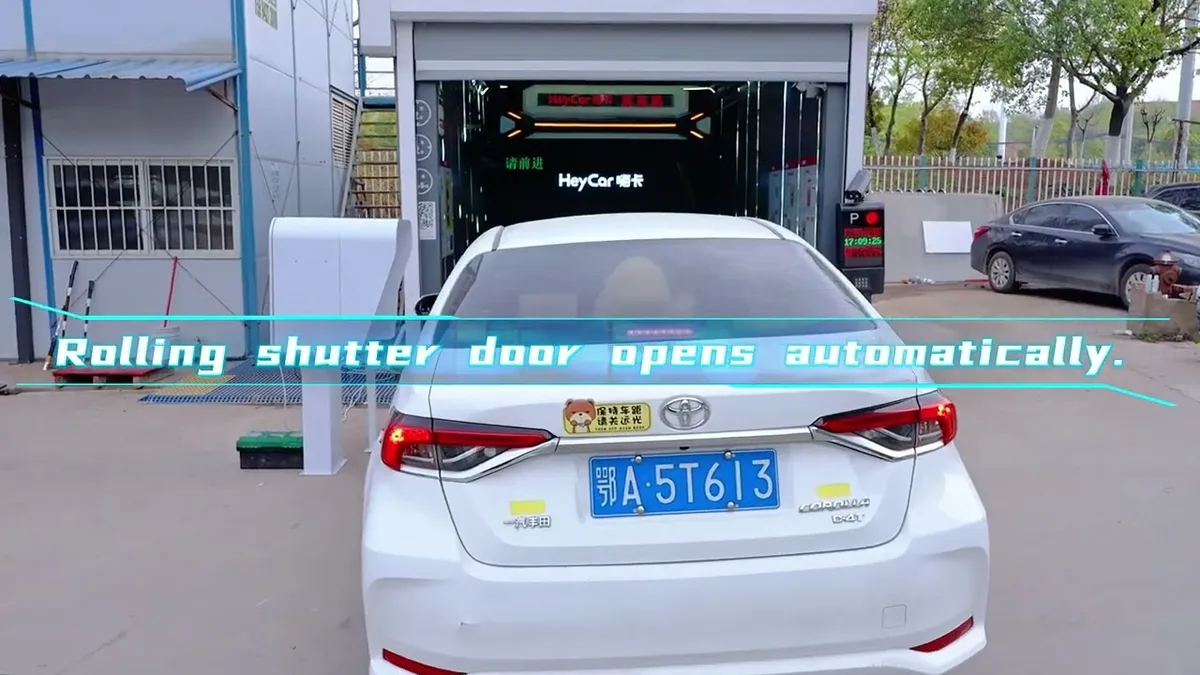
Start at the payment kiosk. Select your wash package, basic, deluxe, or wax add-ons. Some locations offer memberships for unlimited washes at a monthly rate.
Pull up to the entrance and wait for the light or attendant signal. Shift into neutral if you have a manual transmission. For automatics, keep it in park until the conveyor engages.
Take your foot off the brake and let the system guide your car.
Keep your hands off the wheel once the conveyor starts. Avoid braking or accelerating, which can misalign the sensors. The wash will handle the rest, from pre-soak to drying.
If you’re in Idaho, remember that rural road safety rules may apply when approaching or leaving car washes on two-lane highways.
5 Common Mistakes That Damage Your Car (And How to Avoid Them)
Leaving the windows down lets water spray inside. Always roll them up before entering. Loose items like phone mounts or air fresheners can get knocked off by brushes.
Driving with your foot on the brake confuses the conveyor. This can cause uneven cleaning or even stop the wash cycle. Keep your hands and feet clear once the system starts.
Using the wrong wash type for your finish can cause swirl marks. Soft-cloth brushes may scratch matte or ceramic-coated paint. Touchless is safer for these surfaces.
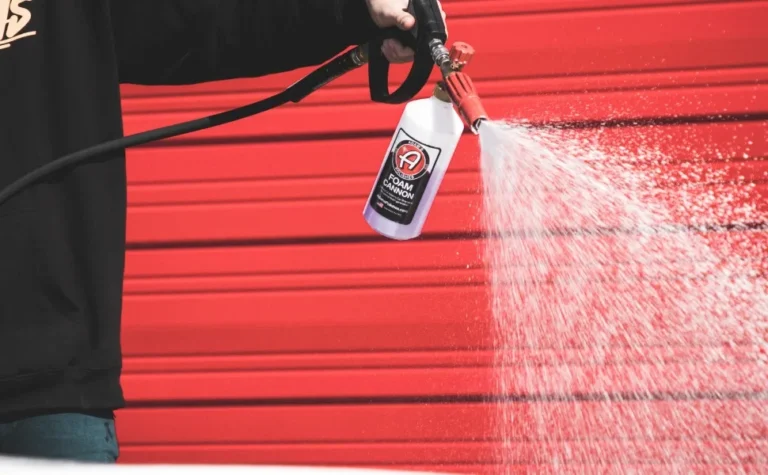
Skipping the pre-wash rinse at home means caked-on dirt gets ground into the paint. A quick hose-down first helps the automated wash work better.
Ignoring height limits can lead to damage. Most tunnels max out at 6’6” to 8’. Check your vehicle’s height and the wash’s specs before entering.
Who Benefits the Most from Pull-Through Washes
Daily commuters save time with a quick 5-minute clean. It’s faster than hand-washing and more consistent than self-serve bays.
People in snowy climates use them to remove road salt. Regular washes prevent corrosion on the undercarriage and paint.
Fleet owners keep vehicles looking professional. Taxi companies and rideshare drivers often use membership plans for unlimited washes.
Busy parents appreciate the convenience. No need to haul out buckets and sponges when you’re short on time.
Car owners without driveways or hoses rely on them. Apartments and urban areas make home washing difficult.
Costs, Memberships, and Whether It’s Worth the Money
Basic washes run $10 to $15. Deluxe packages with wax or undercarriage cleaning cost $18 to $25. Some locations charge extra for wheel cleaning.
Memberships offer unlimited washes for $20 to $50 per month. They pay off if you wash your car more than twice a month. Check for blackout dates or location restrictions.
Water usage is about 40 to 70 gallons per wash. Many modern systems recycle water to reduce waste.
Touchless washes often cost slightly more. The lack of physical contact justifies the premium for delicate finishes.
When You Should Never Use a Pull-Through Car Wash
Convertibles with the top down risk water damage. Always put the top up before entering.
Cars with loose or damaged trim can get worse. Secure or repair parts before washing.
Freshly painted or wrapped vehicles need time to cure. Wait at least 30 days for paint and 7 days for vinyl wraps.
Oversized vehicles may not fit. Lifted trucks, roof racks, or tall accessories can exceed height limits.
Classic cars with fragile finishes need hand washing. Automated brushes can be too harsh for vintage paint.
Pro Tips for a Spotless Finish Every Time
Choose the right package for your needs. If your car is filthy, skip the basic wash and go for the deluxe option.
Use the free vacuums if available. Most pull-through washes include them with your purchase.
Dry with a microfiber towel afterward. Air blowers miss spots, especially around mirrors and door jambs.
Go early in the day to avoid lines. Weekday mornings are usually the least busy.
Check for missed spots before leaving. If the wash missed an area, most places will redo it for free if you ask immediately.
Frequently Asked Questions
Does a pull-through car wash clean the undercarriage?
Most basic washes skip the undercarriage. Deluxe packages often include underbody sprays to remove salt and grime. Check the menu or ask the attendant before selecting.
Can I wash a car with a roof rack in a pull-through wash?
It depends on the height. Most tunnels clear 6’6” to 8”. Measure your vehicle with the rack installed.
If it’s too tall, choose a self-serve bay instead.
How often should I use a pull-through car wash?
Once every two weeks keeps dirt from building up. In winter, wash weekly to prevent salt damage. Over-washing can wear down wax, so stick to a schedule.
Will a pull-through wash damage my ceramic coating?
Soft-cloth brushes can leave micro-scratches. Touchless washes are safer for coated cars. Always choose the gentlest option available.
What should I do if the wash misses a spot?
Ask for a free re-wash immediately. Most places will run your car through again if you point out the issue right away. Don’t drive off without checking.