ByMax Lee
Contactless Car Wash UK: How It Works & Best Options
Image source: Bing (Web (fair-use with source credit))
Tired of swirl marks from brushes or the hassle of hand-washing your car? A contactless car wash UK service uses high-pressure jets and chemicals to clean without physical contact, protecting your paint. It’s a popular choice for drivers who want speed and convenience without the risk of scratches.
As of 2026, most modern systems use 800, 2,000 PSI water pressure and pH-balanced detergents to lift dirt safely. But not all contactless washes are equal, so knowing how they work helps you pick the right one.
Quick Answer
A contactless car wash UK uses high-pressure water and detergents to clean your vehicle without brushes or cloths. It’s faster than hand washing and gentler than traditional automatic washes. Most take 5, 15 minutes.
Costs range from £8 to £25 per wash. Eco-friendly options often include water reclamation systems.
What Is a Contactless Car Wash and How Does It Work?
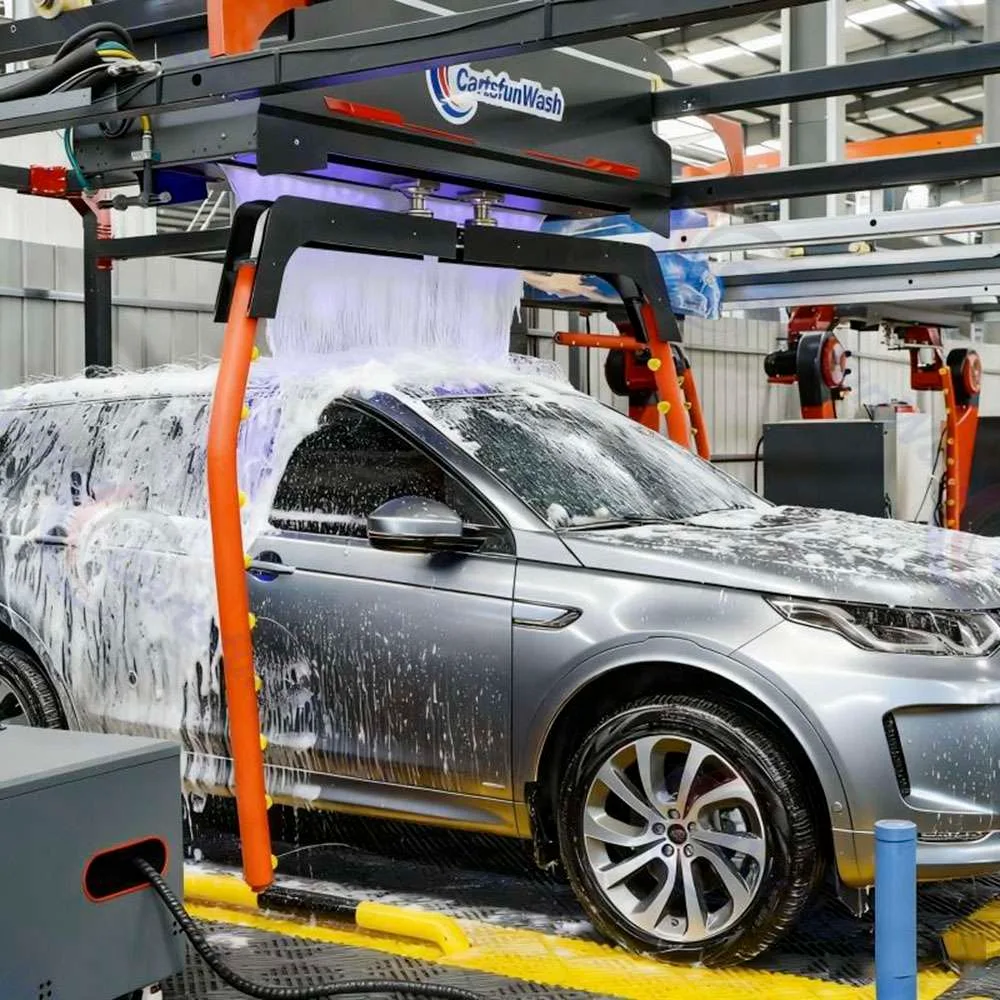
A contactless car wash, also called a touchless car wash, relies on high-pressure water jets and chemical cleaners to remove dirt. There’s no physical contact with your car’s surface, which reduces the risk of scratches or swirl marks.
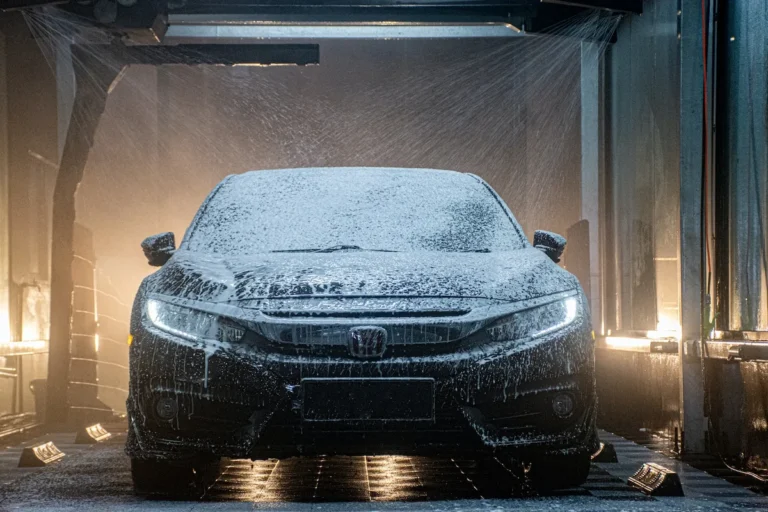
The process starts with a pre-soak to loosen grime. Then, high-pressure jets blast away dirt from all angles. Foam or shampoo is applied next, followed by a rinse cycle.
Some systems include a spot-free rinse to prevent water spots. Finally, air blowers dry the vehicle, though some water may remain in crevices.
These systems are fully automated. You drive in, select your wash program, and let the machine do the work. Sensors detect your vehicle’s size to adjust the wash cycle accordingly.
Contactless vs. Soft-Touch vs. Traditional Car Washes: Key Differences
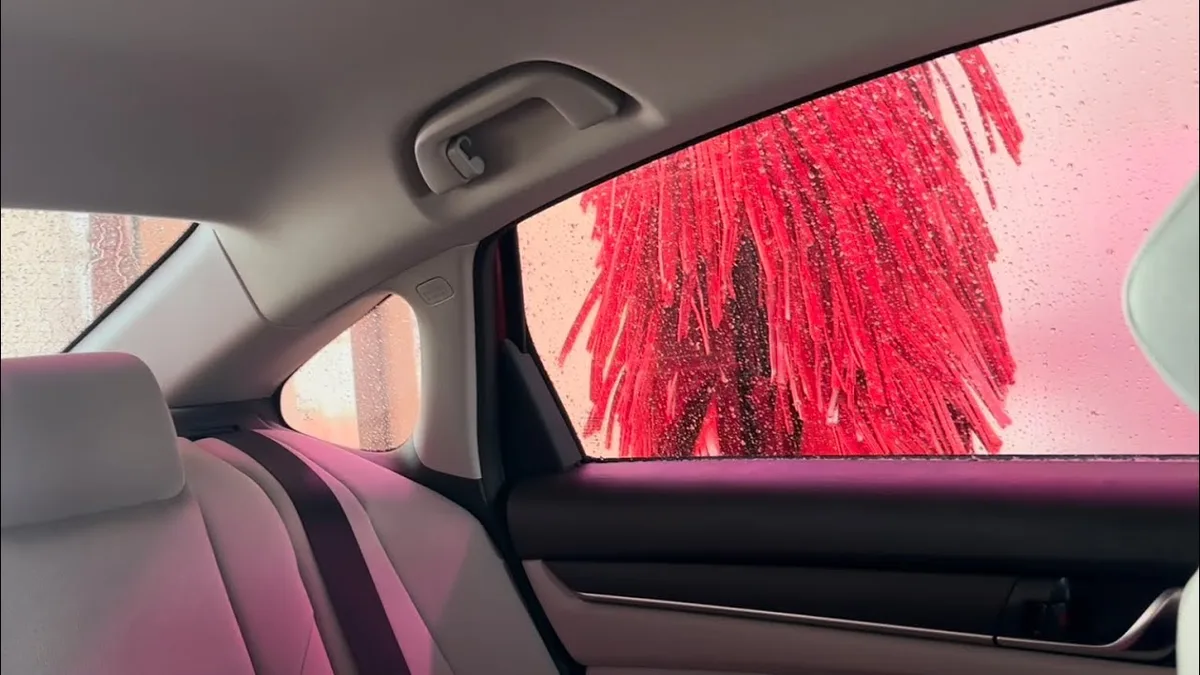
Image source: Bing (Web (fair-use with source credit))
Not all automatic car washes are the same. Here’s how the three main types compare:
| Feature | Contactless (Touchless) | Soft-Touch | Traditional (Brush) |
|---|---|---|---|
| Cleaning Method | High-pressure water jets | Soft cloth strips | Rotating brushes |
| Paint Safety | High (no contact) | High (gentle cloth) | Lower (abrasive brushes) |
| Cleaning Power | Good for light/moderate dirt | Better for stubborn grime | Best for heavy dirt |
| Drying | Air blowers | Air blowers + cloth | Air blowers |
| Cost | £8–£25 | £10–£30 | £6–£20 |
| Speed | 5–15 minutes | 8–15 minutes | 5–12 minutes |
Contactless washes are best for drivers who prioritise paint protection. Soft-touch systems use gentle cloth strips to agitate dirt, making them slightly more effective for tougher grime while still being safe. Traditional brush washes are the most abrasive but often the cheapest.
If you own a luxury or performance car with a delicate finish, contactless or soft-touch is the way to go. For older vehicles with heavy dirt buildup, a traditional brush wash might be more effective, but it comes with higher scratch risks.
How a Contactless Car Wash Actually Cleans Your Car
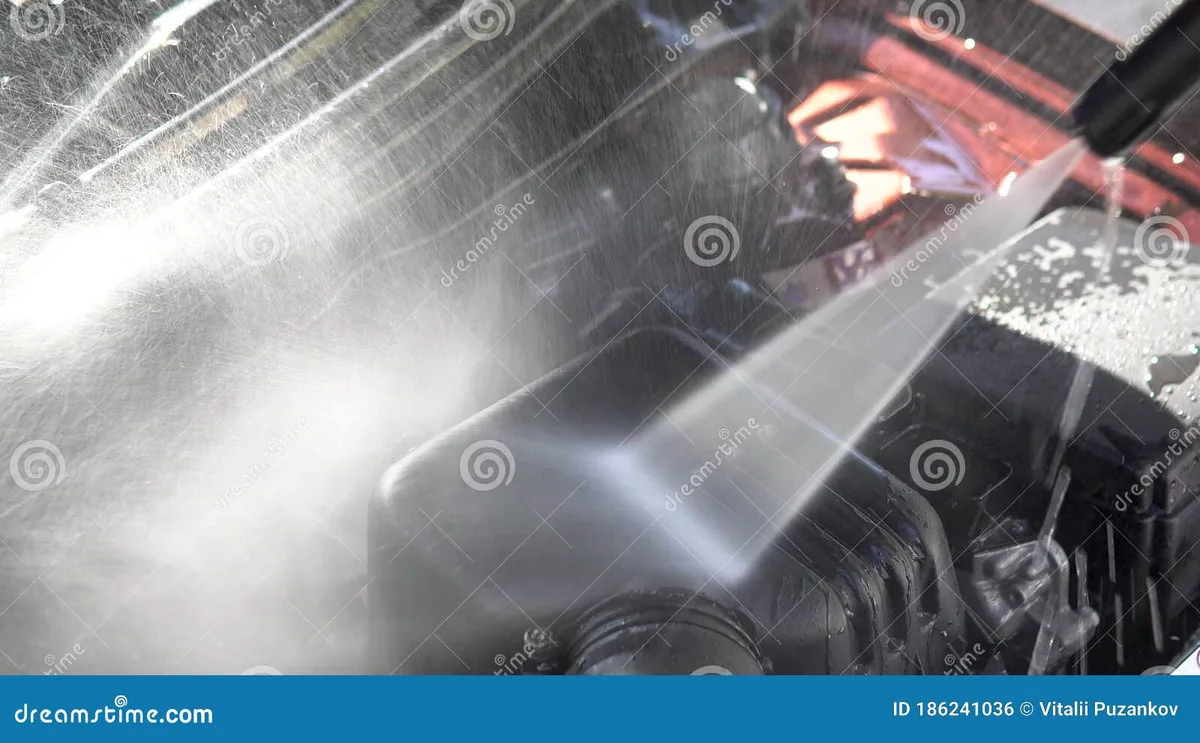
Image source: Bing (Web (fair-use with source credit))
The cleaning process in a contactless car wash follows a precise sequence. First, the system sprays a pre-soak solution to break down surface dirt and grime. This step is critical for ensuring the high-pressure jets can do their job effectively.
Next, high-pressure water jets target the vehicle from multiple angles. These jets dislodge dirt from the paint, wheels, and undercarriage. The pressure is strong enough to clean but not so intense that it damages seals or trim on most modern cars.
After the initial rinse, a foam or shampoo solution is applied. This step helps lift remaining contaminants and adds a layer of lubrication to prevent water spots. Some premium washes include a wax or sealant application for extra protection.
The final rinse uses filtered or spot-free water to prevent mineral deposits. Air blowers then dry the car, though some water may remain in crevices.
Pros and Cons of Contactless Car Washes in the UK
Contactless car washes offer several advantages, but they’re not perfect for every situation.
Pros:
- Paint protection: No brushes or cloths mean less risk of scratches or swirl marks.
- Speed: Most washes take 5, 15 minutes, making them ideal for busy drivers.
- Consistency: Automated systems deliver the same process every time.
- Hygiene: No shared mitts or sponges reduce the risk of cross-contamination.
- 24/7 availability: Many are unmanned and open around the clock.
- Eco-friendly options: Some use water reclamation systems and biodegradable detergents.
Cons:
- Limited deep cleaning: Struggles with baked-on dirt, tar, or heavy grime.
- Cost: Often pricier than traditional automatic washes.
- Drying issues: Air blowers may leave water spots or streaks if not properly maintained.
- Chemical concerns: Some detergents can strip wax or sealants over time.
- Equipment limitations: May miss tight spots like wheel wells or undercarriages.
Who Should Use a Contactless Car Wash (And Who Shouldn’t)
Contactless car washes are ideal for daily drivers who want a quick, safe clean. They’re especially good for luxury or performance cars with delicate paint finishes that can’t risk brush scratches.
If your car has heavy mud, tar, or baked-on grime, a contactless wash may not be enough. In these cases, a soft-touch or hand wash with pre-treatment is often more effective.
Owners of older vehicles with faded paint might also prefer soft-touch systems. These use gentle cloth strips to lift dirt without the abrasion of traditional brushes.
UK Contactless Car Wash Options: Chains vs. Independents vs. Mobile Services
UK drivers have three main choices for contactless car washes.
Chains like Autoglym, IMO, and WashTec offer standardised processes and consistent quality. They often have multiple locations and subscription options. Prices typically range from £10 to £25 per wash.
Independent operators may use similar equipment but with more personalised service. Some offer eco-friendly detergents or water reclamation systems. Pricing can vary widely, so it’s worth checking local reviews.
Mobile services bring the contactless wash to you. These are convenient for busy schedules but may cost more per wash. They’re ideal for fleet owners or those without easy access to fixed locations.
Cost Breakdown: Pay-Per-Wash vs. Subscription Models
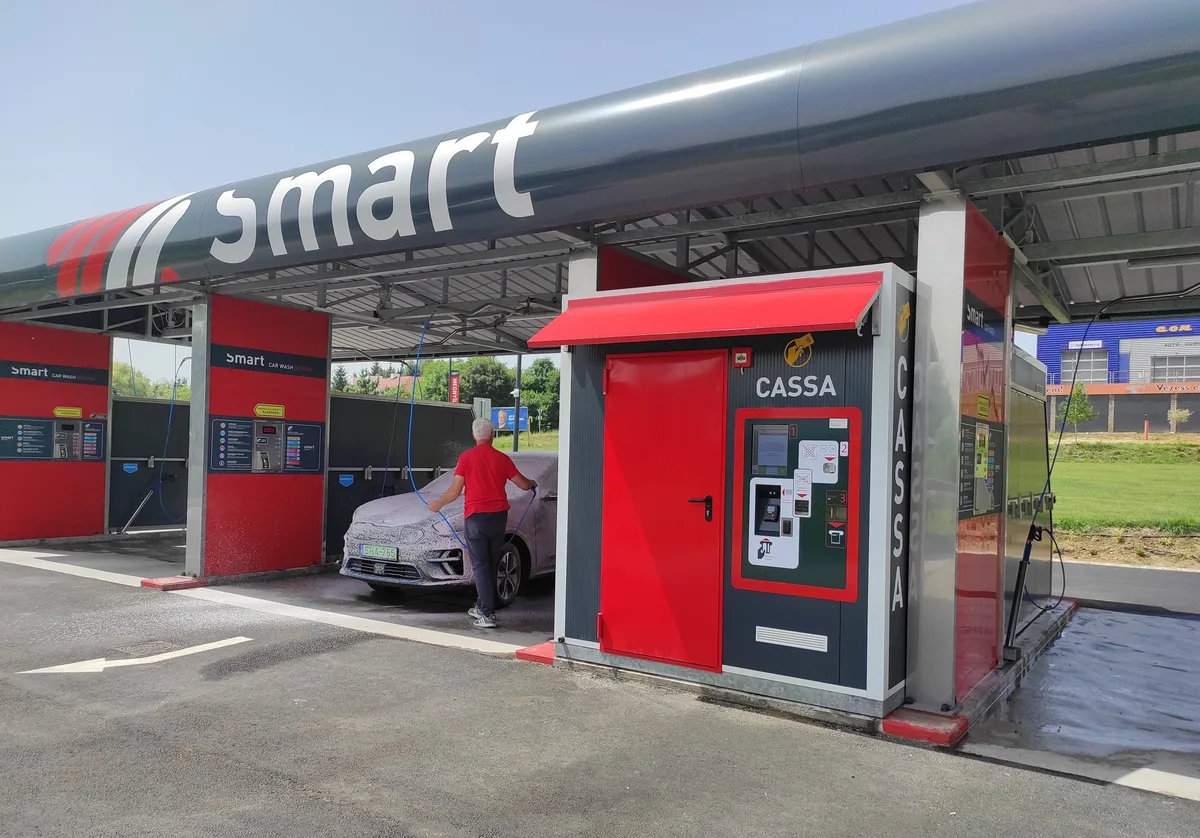
Image source: Bing (Web (fair-use with source credit))
Pay-per-wash is straightforward. Basic washes start around £8, while premium packages with wax or sealant can reach £25. This option works well for occasional users.
Subscription models offer unlimited washes for a monthly fee, usually £20, £50. If you wash your car more than twice a month, a subscription often saves money. Some chains also include free vacuum use or discounts on detailing services.
Here’s a quick cost comparison:
| Option | Basic Wash | Premium Wash | Monthly Subscription |
|---|---|---|---|
| Pay-Per-Wash | £8–£12 | £15–£25 | N/A |
| Subscription | Included | Included | £20–£50 |
Check for hidden fees or limitations. Some subscriptions cap the number of washes per day or exclude certain services.
What to Look for in a High-Quality Contactless Car Wash
Not all contactless car washes deliver the same results. Here’s what separates the good from the great.
Pressure and coverage: Look for systems with at least 1,000 PSI water pressure and multiple jet angles. This ensures thorough cleaning, especially in hard-to-reach areas like wheel wells.
Chemicals: pH-balanced shampoos and spot-free rinses prevent damage to paint and finishes. Avoid washes that use harsh detergents, as these can strip wax over time.
Drying system: Effective air blowers reduce water spots. Some premium washes include a manual wipe-down option for a flawless finish.
Maintenance: Well-maintained equipment performs better. Check for clean nozzles, functioning sensors, and a tidy facility.
Eco-credentials: Water reclamation systems and biodegradable chemicals are a plus. These reduce environmental impact and often meet Environment Agency guidelines.
Common Mistakes People Make (And How to Avoid Them)
One of the biggest mistakes is assuming all contactless washes are the same. Some use lower pressure or cheaper chemicals, which can leave your car only partially clean.
Another error is skipping the pre-wash. If your car is caked in mud or salt, a quick rinse at home first helps the contactless system work better. This is especially true in winter when road salt builds up quickly.
Many drivers also overlook the drying step. Even with air blowers, water can linger in crevices. A quick wipe with a microfiber towel prevents spots.
Finally, don’t ignore the undercarriage. Some contactless washes include an undercarriage rinse, but not all do. If you drive on salty roads, this step is critical to prevent corrosion.
Safety & Compliance: UK Regulations You Should Know
Contactless car washes in the UK must follow strict environmental and safety rules. The Environment Agency requires proper water disposal to prevent pollution. Many modern systems use water reclamation to meet these standards.
Operators must also comply with the Health and Safety at Work Act. This includes maintaining equipment to prevent slips or chemical exposure. Signage and barriers should keep customers safe during the wash process.
Chemicals used must meet REACH regulations. This ensures they’re safe for both users and the environment. Biodegradable detergents are increasingly common in compliant facilities.
Maintenance Tips to Keep Your Car in Top Shape Between Washes
Regular washing is just part of car care. Between contactless washes, rinse off loose dirt with a hose to prevent buildup. This is especially important after driving on gritty roads.
Apply a fresh coat of wax or sealant every 3, 6 months. This adds a protective layer that makes dirt easier to remove during automated washes. It also helps maintain your car’s shine.
Check and clean your wheel wells and undercarriage regularly. These areas collect grime that automated systems might miss. A quick spray with a pressure washer can prevent long-term damage.
FAQs About Contactless Car Washes in the UK
How often should I use a contactless car wash?
For most drivers, a wash every 2 weeks keeps dirt and contaminants from building up. If you drive daily on salty or dusty roads, weekly washes may be better. Over-washing can strip protective coatings, so balance frequency with your car’s needs.
Can a contactless car wash damage my paint?
No, when properly maintained, contactless systems are safe for paint. The lack of brushes reduces scratch risks. However, poor-quality chemicals or excessive pressure can cause issues over time.
Stick to reputable operators.
Are contactless car washes eco-friendly?
Many are, especially those with water reclamation and biodegradable detergents. These systems reuse up to 80% of their water. Always check if the facility follows Environment Agency guidelines.
Do contactless car washes clean the undercarriage?
Some do, but not all. Look for washes that specifically advertise undercarriage cleaning. This is crucial in winter to remove road salt and prevent corrosion.
Can I use a contactless car wash on a ceramic-coated car?
Yes, but choose a wash with pH-neutral chemicals. Harsh detergents can degrade ceramic coatings over time. A gentle touchless wash is often the safest option for coated vehicles.
Final Verdict: Is a Contactless Car Wash Right for You?
Contactless car washes are a great choice for most UK drivers. They’re fast, convenient, and gentle on paint. If you prioritise speed and protection, they’re hard to beat.
However, they may not be ideal for heavily soiled vehicles or those needing deep cleaning. In these cases, a soft-touch or hand wash might be better. Consider your car’s condition and your cleaning needs before deciding.
For regular maintenance, a contactless wash is a smart, low-effort solution. Just pick a well-maintained facility with good reviews.