ByMax Lee
Why Black Cars Always Look Dirty
Bing (Web (fair-use with source credit))
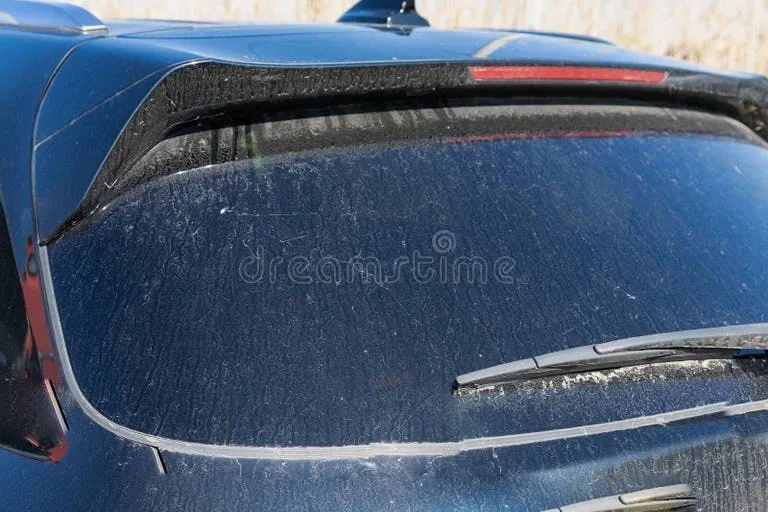
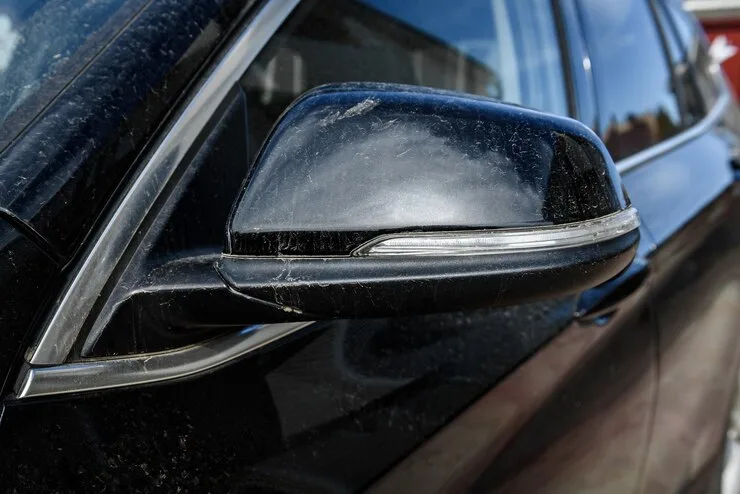
If you’ve ever washed your black car only to see it covered in dust again within hours, you’re not imagining things. A black car never stays clean because dark paint shows every speck of dirt, water spot, and imperfection far more than lighter colors. The glossy finish also attracts static, which pulls dust right out of the air.
Manufacturer specs confirm that black paint has a lower light reflection value, making contaminants stand out sharply. This means even a thin layer of road grime or pollen becomes instantly visible.
Quick Answer
Black paint shows dirt more than any other color. Its low light reflection makes dust, water spots, and scratches highly visible. Static charge on the surface pulls in airborne particles.
Glossy finishes amplify these effects. Regular washing and protection help but won’t eliminate the issue.
Why Black Cars Get Dirty So Fast (And It’s Not Just in Your Head)
Black cars don’t actually get dirtier than other colors. The difference is visibility. Dark paint absorbs light instead of reflecting it, so every speck of dust, pollen, or road grime stands out in stark contrast.
Lighter colors scatter light, masking minor imperfections.
The glossy clear coat on most black cars also creates a smooth surface that attracts static electricity. This static charge pulls dust and debris from the air, making the car look dirty almost immediately after washing. Aggregate reviews from detailers confirm that black vehicles require more frequent cleaning to maintain a showroom appearance.
The Science Behind Why Black Paint Shows Every Speck
Black paint has a lower albedo, meaning it reflects very little light. When light hits a black surface, it’s absorbed rather than bounced back, which makes any contaminants on the surface appear more pronounced.
Bing (Web (fair-use with source credit))
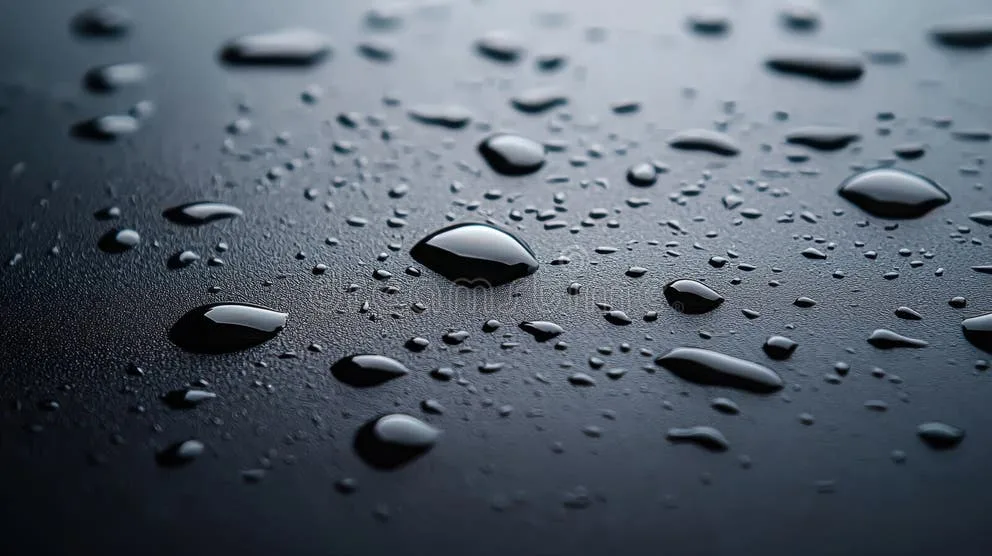
The clear coat on modern cars is designed to be glossy, which enhances the depth and shine of black paint. However, this gloss also magnifies imperfections. Water spots, for example, are mineral deposits left behind when water evaporates.
On black paint, these spots appear as white or chalky marks, ruining the uniform look. Per automotive paint standards, these deposits can etch into the clear coat if not removed promptly.
The 5 Biggest Reasons Your Black Car Never Stays Clean
Here’s what’s really going on when your black car looks dirty again just hours after a wash:
- Static charge, The smooth, non-porous surface of black paint builds up static, which attracts dust and pollen from the air.
- Low light reflection, Black absorbs light, so dirt and scratches show up as bright spots against the dark background.
- Water spotting, Minerals in water (like calcium and magnesium) leave behind visible deposits when the water evaporates.
- Road grime, Brake dust, tar, and exhaust residue stick to the paint and are more visible on dark surfaces.
- UV damage, Over time, sunlight breaks down the clear coat, making the paint more prone to staining and oxidation.
How to Tell If Your Car’s Dirt Problem Is Fixable (Or Just Reality)
Not all dirt issues are created equal. Some can be solved with better washing techniques, while others are just part of owning a black car.
If your car looks dusty within hours of washing, static is likely the culprit. Using an anti-static detailer spray can help reduce this effect. If you notice water spots that won’t come off with a regular wash, mineral deposits may have etched into the clear coat, requiring a clay bar treatment or paint correction.
For swirl marks or scratches, these are often caused by improper washing techniques. If the damage is superficial, a good polish can restore the shine. Deeper scratches may need professional attention.
As of 2026, ceramic coatings are the most effective way to reduce the frequency of washing, but they won’t eliminate the need for maintenance entirely.
The Right Way to Wash a Black Car (Step-by-Step)
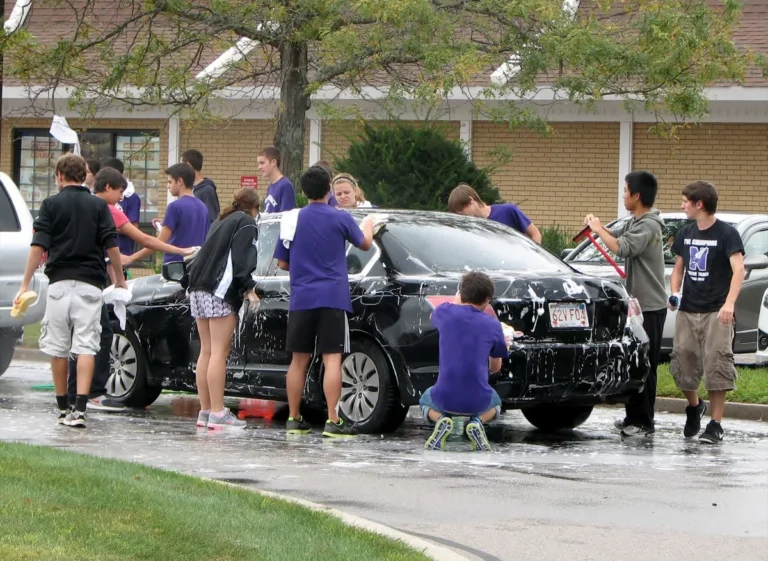
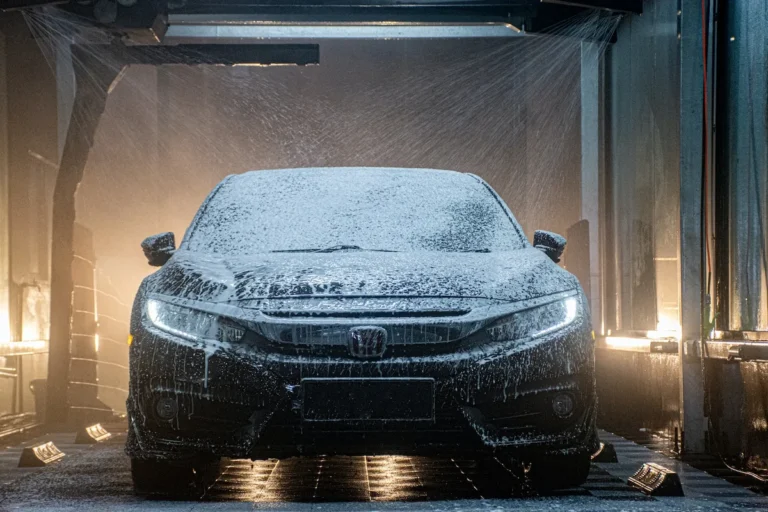
Start with a pre-rinse to remove loose dirt. Use a pressure washer or hose with a nozzle to avoid scratching the paint. Always wash in the shade to prevent water spots from forming as the surface dries.

Bing (Web (fair-use with source credit))
Use the two-bucket method. One bucket holds your soapy water, the other holds clean water for rinsing your mitt. Grit guards in each bucket trap dirt at the bottom, keeping it off your paint.
Wash from top to bottom, using straight-line motions instead of circles to minimize swirl marks.
Dry with a high-quality microfiber towel. Pat the surface instead of dragging the towel to avoid creating fine scratches. For extra protection, apply a quick detailer spray after drying to restore shine and add a light protective layer.
Products That Actually Help (And the Ones That Make It Worse)
pH-balanced car shampoo is a must. Household dish soap strips wax and damages the clear coat over time. Microfiber wash mitts and towels are safer than sponges or cotton rags, which can trap dirt and scratch the paint.
Avoid automatic car washes with brushes. These can leave swirl marks on black paint. Touchless or hand wash methods are gentler.
For wheels, use a dedicated wheel cleaner that’s safe for your type of rims. Acidic cleaners work well for brake dust but can damage certain finishes.
Clay bars remove embedded contaminants that washing can’t. Use them with a lubricant to avoid marring the paint. Quick detailer sprays are great for maintenance between washes, but they don’t replace proper cleaning and protection.
Protection That Lasts: Wax, Sealant, or Ceramic Coating?
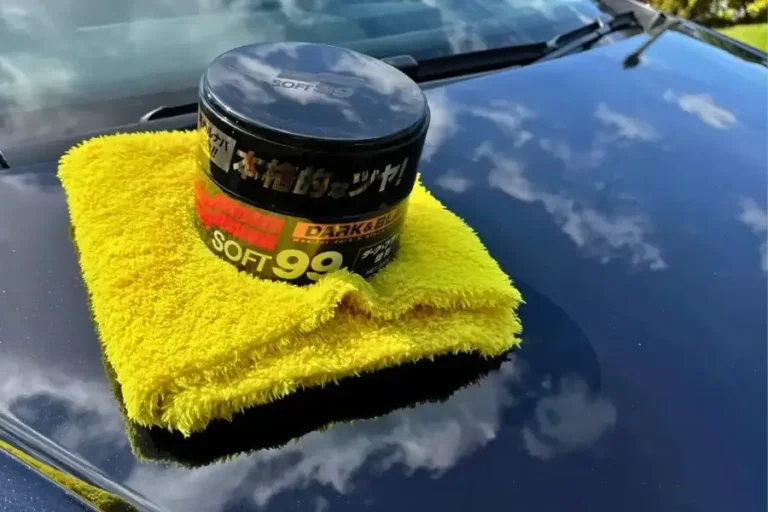
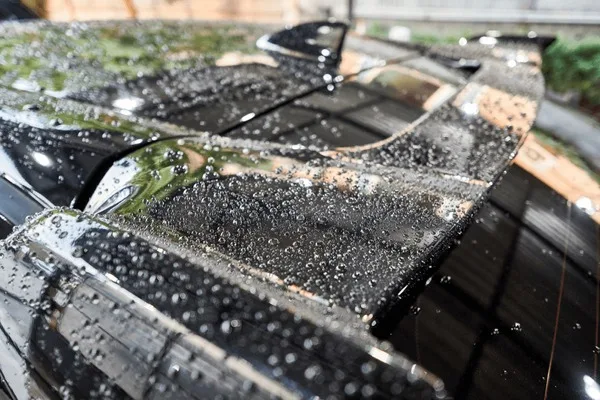
Wax provides a deep, warm shine and is easy to apply. Carnauba wax lasts about 4 to 8 weeks but requires frequent reapplication. Synthetic sealants last longer, around 4 to 6 months, and offer better UV protection.
Bing (Web (fair-use with source credit))
Ceramic coatings are the most durable option, lasting 2 to 5 years. They create a hydrophobic surface that repels water and dirt, making cleaning easier. However, they’re more expensive and require professional application for the best results.
Here’s a quick comparison:
| Protection Type | Durability | Shine | UV Protection | Cost |
|---|---|---|---|---|
| Carnauba Wax | 4-8 weeks | High | Moderate | Low |
| Synthetic Sealant | 4-6 months | Good | High | Medium |
| Ceramic Coating | 2-5 years | High | Very High | High |
How Often You Really Need to Wash a Black Car
Wash your black car every 1 to 2 weeks to keep it looking its best. If you drive daily in dusty or polluted areas, weekly washes may be necessary. Bird droppings and tree sap should be removed immediately to prevent etching.
In winter, wash more frequently to remove salt and road grime. These can corrode the paint and undercarriage over time. After rain, check for water spots and clean them off promptly.
Even with protection, regular washing is essential. Wax and sealants don’t prevent dirt from sticking, but they make it easier to remove.
The Worst Mistakes That Ruin Black Paint (And How to Avoid Them)
Washing in direct sunlight causes water spots to form quickly. Always wash in the shade and dry the car thoroughly. Using dirty towels or sponges can scratch the paint.
Rinse your mitt frequently and use clean, soft materials.
Automatic car washes with brushes are a common cause of swirl marks. Stick to touchless or hand wash methods. Letting bird droppings or tree sap sit on the paint can etch the clear coat.
Remove them as soon as possible with a gentle cleaner.
Avoid using household cleaners like Windex or dish soap. These can strip wax and damage the paint over time. Stick to products designed for automotive use.
Finally, don’t skip the drying step. Water spots can etch into the paint if left to dry on their own.
Quick Fixes for When You Don’t Have Time for a Full Wash
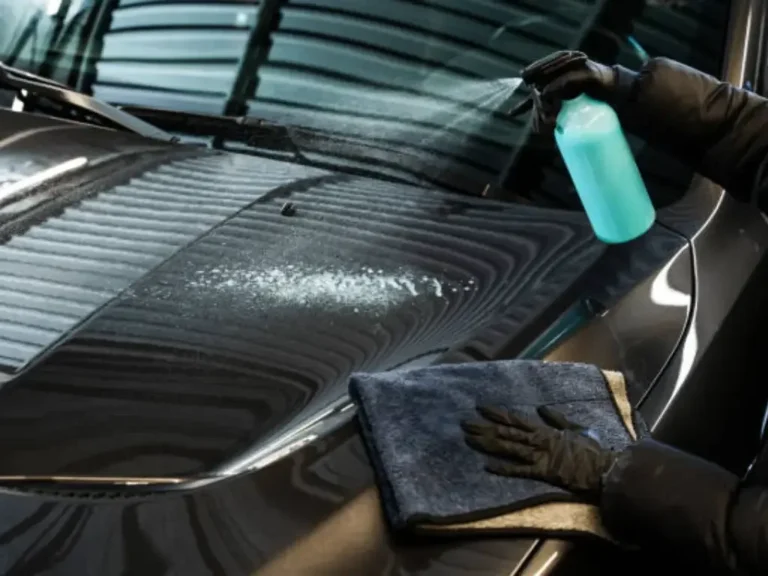
A waterless wash spray can remove light dust and grime without a full wash. Spray it on a small section, then wipe with a microfiber towel. This works best for fresh dust, not heavy dirt or mud.
For water spots, use a quick detailer spray. It dissolves minerals and restores shine in minutes. Apply it after rinsing off loose dirt, then buff with a clean towel.
A leaf blower can dry your car quickly after a rinse. It removes water from crevices and prevents water spots. Just be sure to use it on a low setting to avoid blowing dirt onto the paint.
Black Car Maintenance Schedule (By Season and Driving Habits)
In spring and summer, wash your car every 1 to 2 weeks. Pollen and bug splatter are common during these seasons. Use a pH-balanced shampoo to avoid damaging the paint.
In fall, focus on removing tree sap and leaves. These can stain the paint if left too long. A clay bar treatment once a season helps remove embedded contaminants.
Winter requires the most frequent washing. Salt and road grime can corrode the paint and undercarriage. Wash your car every week if you drive in snowy or icy conditions.
Apply a fresh coat of wax or sealant before winter to add an extra layer of protection.
For daily drivers, a quick rinse and detailer spray can keep the car looking clean between full washes. If you park under trees, check for bird droppings and sap daily. Remove them immediately to prevent etching.
When to Call a Pro (And What to Ask For)
If your black car has deep swirl marks or scratches, a professional detailer can perform paint correction. This involves polishing the clear coat to remove imperfections. It’s a time-consuming process that requires the right tools and expertise.
For ceramic coatings, professional application is recommended. The process involves thorough paint preparation, including decontamination and polishing. A pro can ensure the coating bonds properly and lasts for years.
Ask for a full detail if your car needs deep cleaning. This includes interior and exterior cleaning, paint correction, and protection. A good detailer will use high-quality products and techniques to restore your car’s finish.
If you’re unsure about the condition of your paint, ask for a paint thickness measurement. This can help determine if paint correction is safe or if the clear coat is too thin.
Frequently Asked Questions
Why does my black car look dusty right after washing?
Black paint shows dust more than any other color because it absorbs light. Static charge on the surface also attracts dust particles from the air. Using an anti-static detailer spray can help reduce this effect.
How do I remove water spots from black paint?
Use a quick detailer spray or a dedicated water spot remover. Apply it to the affected area and buff with a microfiber towel. For stubborn spots, a clay bar treatment may be necessary.
Is it safe to wash a black car in the sun?
No. Washing in direct sunlight causes water to evaporate quickly, leaving behind water spots. Always wash in the shade and dry the car thoroughly.
How often should I wax my black car?
Carnauba wax lasts about 4 to 8 weeks. Synthetic sealants last longer, around 4 to 6 months. Reapply as needed to maintain protection and shine.
Can I use dish soap to wash my black car?
No. Dish soap is too harsh and can strip wax and damage the clear coat over time. Use a pH-balanced car shampoo instead.