ByMax Lee
How to Use an Automatic Car Wash Properly
Automatic car washes save time and keep your vehicle clean without the hassle of hand-washing. If you’ve ever wondered how do you use an automatic car wash, the process is simpler than it looks, but a few key steps make the difference between a spotless finish and a wasted trip. Most systems use 30 to 80 gallons of water per cycle, so knowing the basics helps you get the best results.
The right approach depends on the type of wash and your car’s needs. Whether it’s a touchless system or a soft-cloth tunnel, preparation and timing matter.
Quick Answer
Drive in slowly and follow the conveyor or bay instructions. Select your wash program at the kiosk. Stay in neutral with your foot off the brake.
Exit when the system signals it’s done.
Bing (Web (fair-use with source credit))
What Is an Automatic Car Wash and How Does It Work?
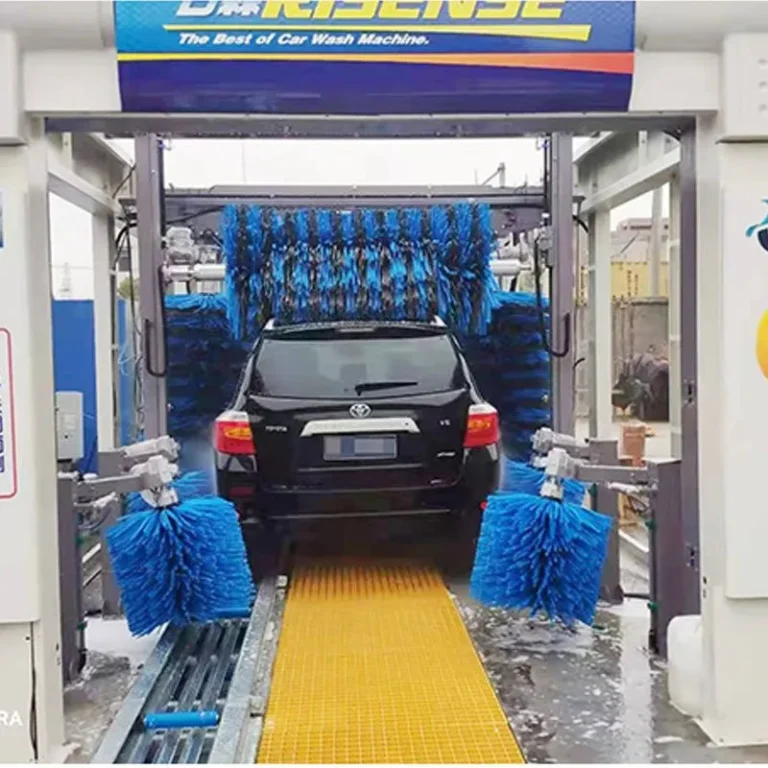
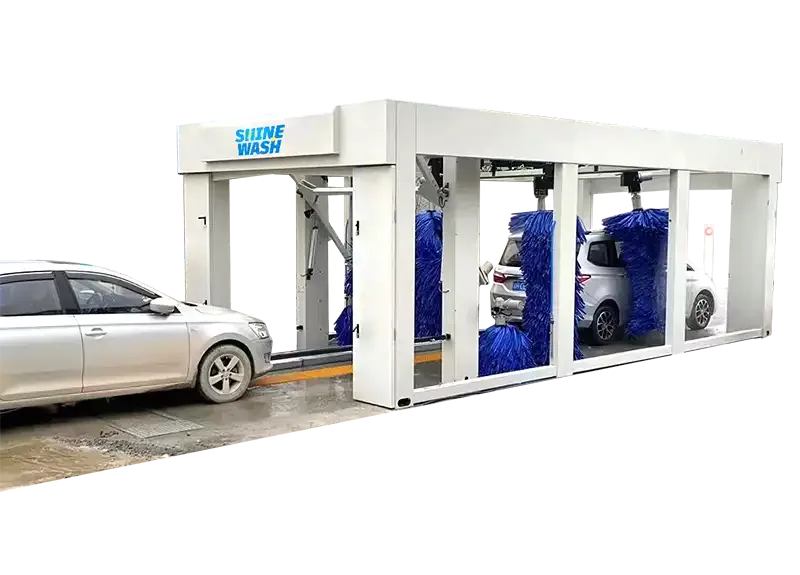
An automatic car wash uses mechanized brushes, high-pressure jets, or both to clean your vehicle. Tunnel washes move your car through cleaning stations on a conveyor belt, while in-bay automatics keep your car stationary while equipment moves around it.
Manufacturer specs confirm these systems typically use 800 to 1,200 PSI for self-serve bays and 400 to 800 PSI for automatic brushes. The process includes pre-soak, washing, rinsing, and drying stages, often with add-ons like wax or undercarriage cleaning.
Types of Automatic Car Washes (and Which One to Pick)
Not all automatic car washes are the same. The three main types each have pros and cons depending on your car’s finish and cleaning priorities.
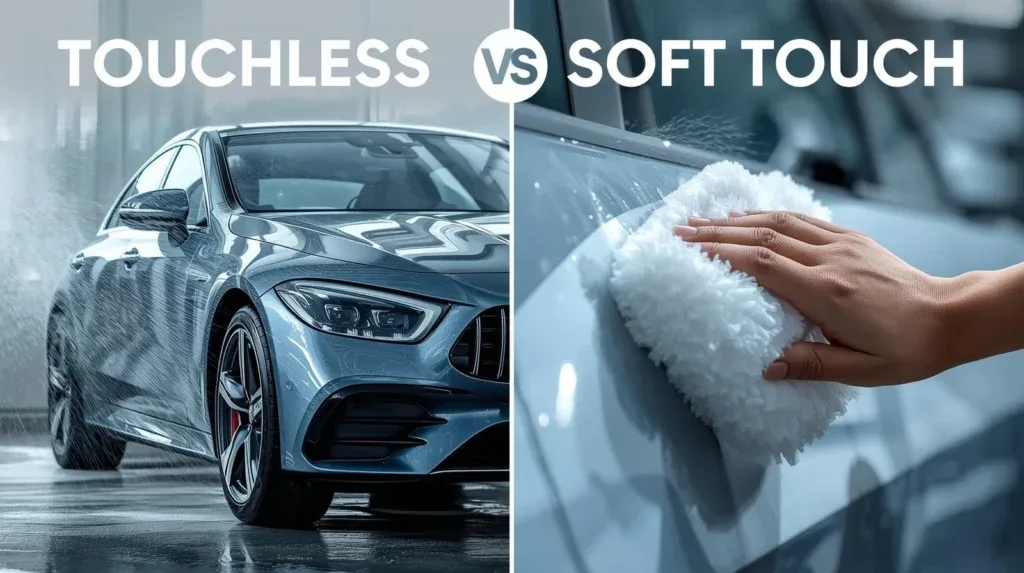
- Touchless car wash: Uses high-pressure water jets and chemicals. Best for delicate paint or newer vehicles. Less effective on caked-on dirt.
- Soft-cloth car wash: Uses microfiber or foam brushes. Better for deep cleaning but may leave micro-scratches on older paint.
- Brush car wash: Uses rotating brushes with stronger detergents. Good for heavy grime but riskier for paintwork.
Bing (Web (fair-use with source credit))
If your car has a matte or custom finish, a touchless system is the safest choice. For everyday sedans, soft-cloth washes balance cleaning power and paint safety.
What to Do Before You Drive In
A little prep prevents damage and ensures a better clean. Start by removing loose items like antennas, bike racks, or magnetic signs. Close all windows, sunroofs, and convertible tops to avoid water entering the cabin.
Check your vehicle for any damage, like cracks in the windshield or loose trim pieces. These can worsen in the wash. If your car has aftermarket parts, like a lifted suspension or wide tires, confirm the car wash can accommodate it, most tunnels have a height limit of 7 to 8 feet.
Step-by-Step: How to Use an Automatic Car Wash
The exact steps vary slightly by location, but the core process is consistent.
At a Tunnel Wash
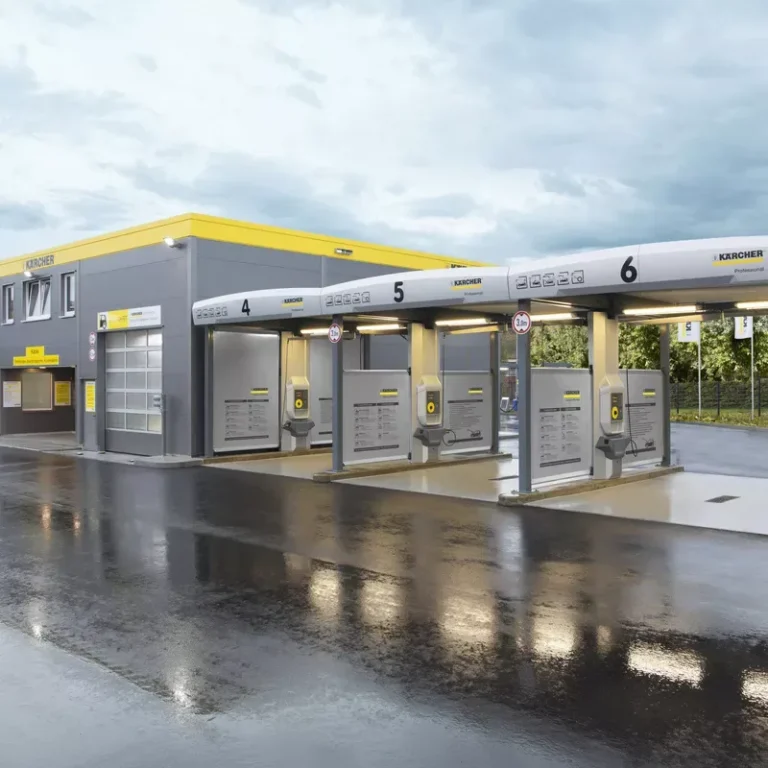
Pull up to the entrance and wait for the light or attendant signal. Place your car in neutral and take your foot off the brake. The conveyor will move your car forward.
Stay in the car and keep your hands off the wheel.
At an In-Bay Automatic Wash
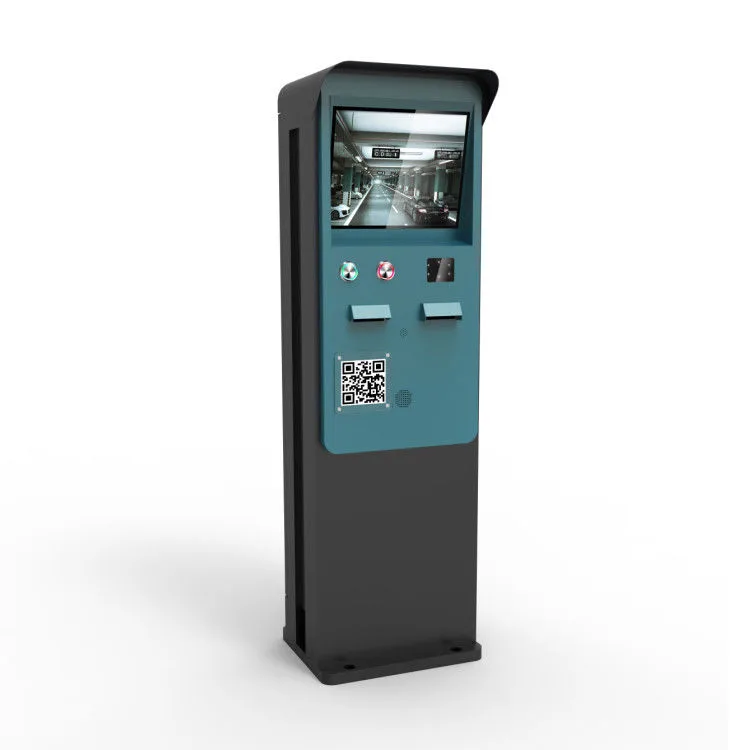
Drive into the bay and align your car with the marked guides. Turn off your engine and engage the parking brake. Select your wash program at the kiosk and follow the prompts.
Stay in your car until the cycle completes.
At a Self-Serve Automatic Bay
Park your car in the designated spot and turn off the engine. Insert payment at the kiosk and select your wash time or program. Use the provided wand or fixed jets to spray your car, starting from the top and working down.
Rinse thoroughly and use the drying option if available.
Payment Options: Coins, Cards, Apps, and Memberships
Most automatic car washes accept multiple payment methods. Coin-operated systems are common at older locations, while newer ones take credit/debit cards, mobile payments, or RFID tags.
Memberships offer unlimited washes for a monthly fee, typically $20 to $50. Some chains also support app-based payments, letting you select and pay for your wash program from your phone before you arrive.
Bing (Web (fair-use with source credit))
Common Mistakes That Ruin Your Wash (or Your Car)
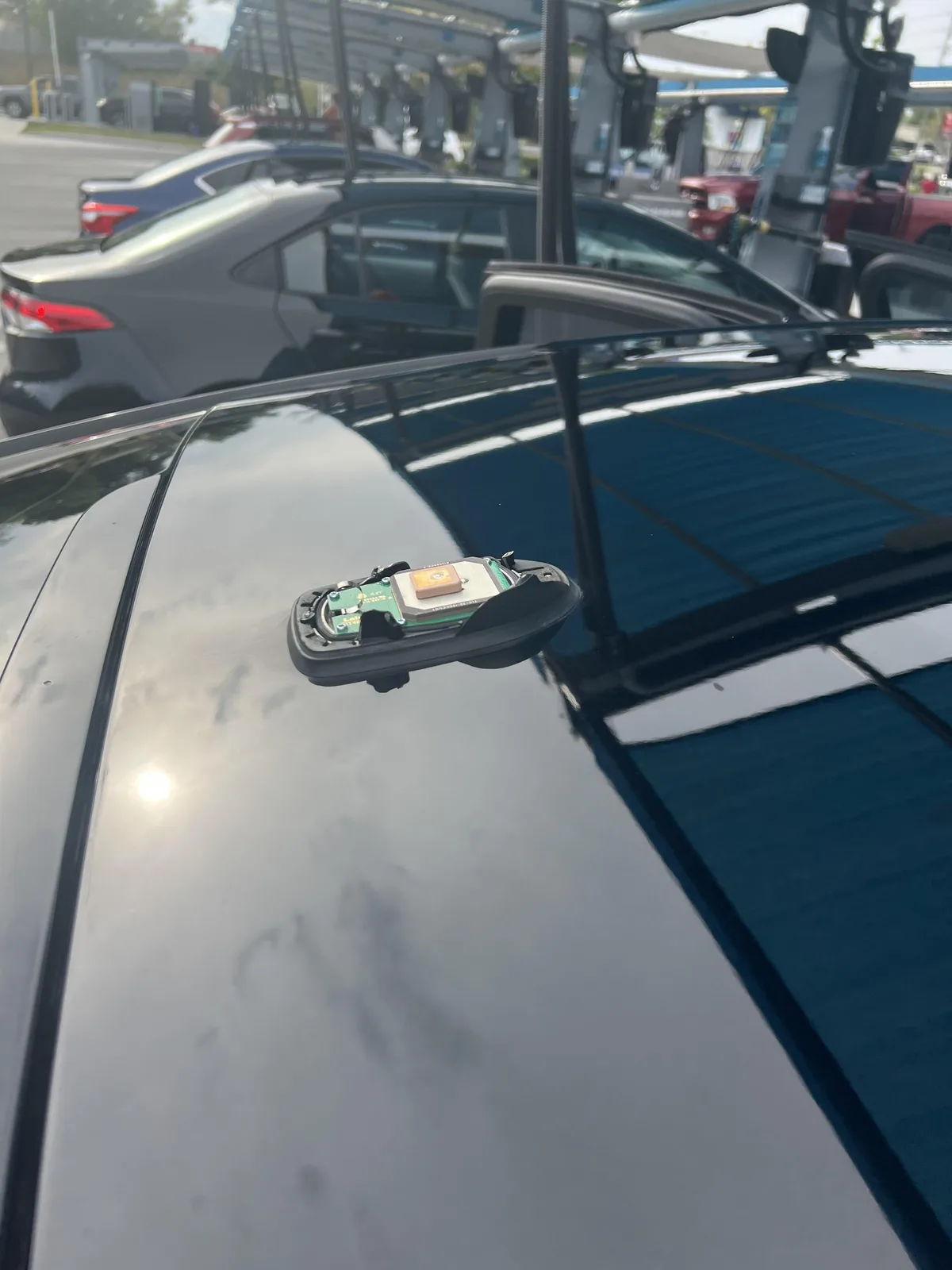
Leaving loose items on your car is the top cause of damage. Antennas, bike racks, and magnetic signs can get caught in the equipment.
Another mistake is using the wrong wash program. A heavy-duty cycle on a delicate finish can cause swirl marks. Always match the wash type to your car’s needs.
Bing (Web (fair-use with source credit))
Driving too fast into the bay or braking during the wash can misalign the sensors. Stay in neutral and let the system guide you.
Does an Automatic Car Wash Damage Your Car?
It depends on the type of wash and your car’s condition. Touchless systems are the safest for paint, as they avoid physical contact.
Soft-cloth and brush washes can leave micro-scratches, especially on older or poorly maintained paint. If your car has a matte or custom finish, check with the manufacturer before using any automatic wash.
Regular washing actually protects your paint by removing dirt and contaminants that cause long-term damage. Just choose the right method for your vehicle.
Costs: What You’ll Pay and How to Save
Basic washes start around $8, while premium packages with wax and undercarriage cleaning can reach $25. Self-serve bays often charge by the minute, usually $2 to $5 per 3 to 5 minutes.
Memberships are the best value for frequent users. For example, unlimited washes for $30 a month can pay for themselves in just 4 visits.
Some locations offer discounts for off-peak hours or multi-wash packages. Always check the kiosk or website for current promotions.
When to Skip the Automatic Wash (and What to Do Instead)
Avoid automatic washes if your car has severe paint damage or aftermarket parts that might not fit the equipment. Convertibles with the top down are also a no-go.
For classic or high-end vehicles, a hand wash at a detailing shop is often worth the extra cost. It’s gentler and allows for custom care.
If you’re dealing with heavy mud or salt from winter roads, a self-serve bay with a high-pressure wand lets you target problem areas before the automatic cycle.
Pro Tips for a Spotless, Safe Wash Every Time
Pre-rinse your car at home if it’s heavily soiled. This removes loose dirt and lets the automatic wash focus on deeper cleaning.
Use a spot-free rinse option if available. It prevents water spots by using filtered or de-ionized water in the final rinse.
For best results, wash your car in the shade or during cooler parts of the day. Direct sunlight can cause water to evaporate too quickly, leaving streaks.
Frequently Asked Questions
Can I go through a car wash with a roof rack?
Yes, but check the height clearance first. Most tunnels accommodate roof racks, but very tall setups may not fit.
How often should I use an automatic car wash?
Every 2 weeks is ideal for maintaining your car’s finish. More frequent washes are fine if you use a gentle program.
Will an automatic wash remove wax or sealant?
A basic wash won’t strip wax, but repeated use of harsh chemicals or brushes can wear it down. Reapply wax every 3 to 4 months.
What if the car wash damages my car?
Document the damage immediately and contact the car wash management. Most reputable locations have insurance for such incidents.
Can I wash a convertible in an automatic car wash?
Only with the top up. Never enter with the top down, as water and chemicals can damage the interior.
Do automatic car washes use a lot of water?
Modern systems use 30 to 80 gallons per wash. Many recycle water to reduce waste.