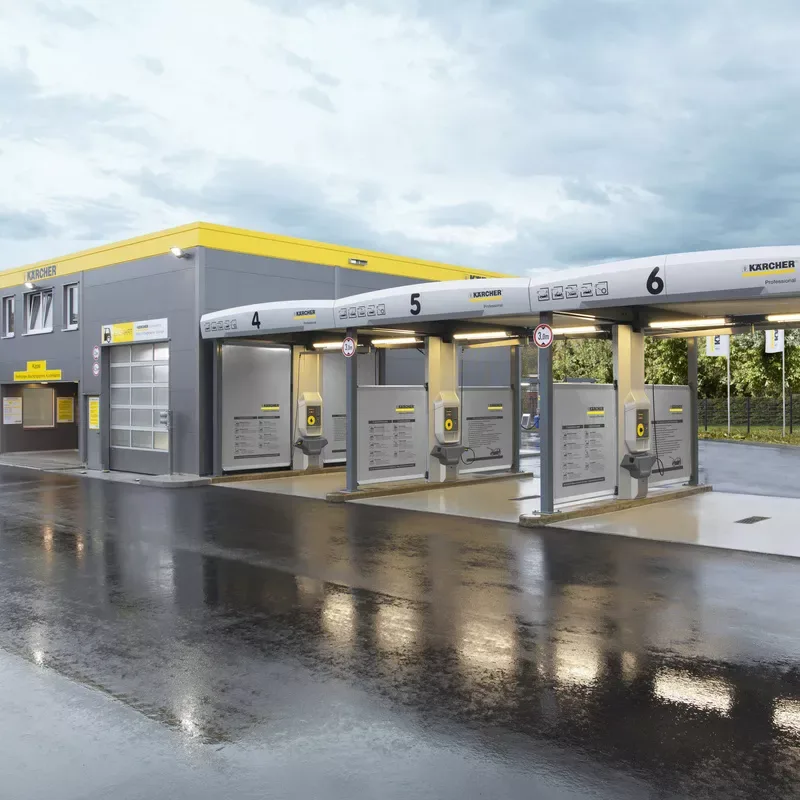
A water cannon car wash uses high-pressure jets to blast away dirt without brushes or cloths. It’s a fast, touchless way to clean a vehicle, but the wrong pressure or technique can damage paint or waste water.
Manufacturer specifications indicate most systems run between 1,200 and 1,900 PSI for safe car paint cleaning. That makes it a popular choice for drivers who want speed without the risk of scratches from traditional brushes.
Quick Answer
A water cannon car wash cleans vehicles with high-pressure water jets. It removes dirt faster than hand washing. Safe pressure for car paint is 1,200 to 1,900 PSI.
Nozzles control spray width and intensity. It’s touchless, reducing scratch risks.
What Is a Water Cannon Car Wash and How Does It Work?
A water cannon car wash relies on high-pressure water jets to dislodge and rinse away dirt, grime, and road debris. Unlike brush or soft cloth systems, it never physically touches the vehicle, which eliminates the risk of swirl marks from abrasive materials. The water is typically sprayed at 1,200 to 2,500 PSI, depending on the system and the vehicle’s surface.
The process starts with a pre-soak to loosen dirt. Then, high-pressure jets target the car from multiple angles, including the undercarriage in some setups. Detergents are often injected into the water stream to break down stubborn contaminants like bug splatter or tar.
Finally, a rinse cycle removes all soap residue, and some systems include a spot-free rinse using deionized water to prevent water spots.
How a Water Cannon Car Wash Differs from Other Methods
Water cannon washes are touchless, using only water pressure to clean. Soft cloth car washes use fabric strips to gently wipe the surface, which can be safer for delicate finishes but may miss embedded grime. Brush car washes use rotating brushes for deep cleaning, but they can leave micro-scratches over time.
Touchless automatic car washes also use high-pressure jets but often lack the customization of a self-service water cannon. Hand washing gives you full control but requires more time and effort. Steam cleaning uses high-temperature vapor to lift dirt with minimal water, but it’s slower and less effective for heavy buildup.
Pressure, Nozzles, and Key Features That Matter
Pressure is the most critical factor. For standard car paint, 1,200 to 1,900 PSI is safe. Higher pressures (2,000, 3,000 PSI) work for trucks, SUVs, or stubborn stains but risk damaging clear coats if misused.
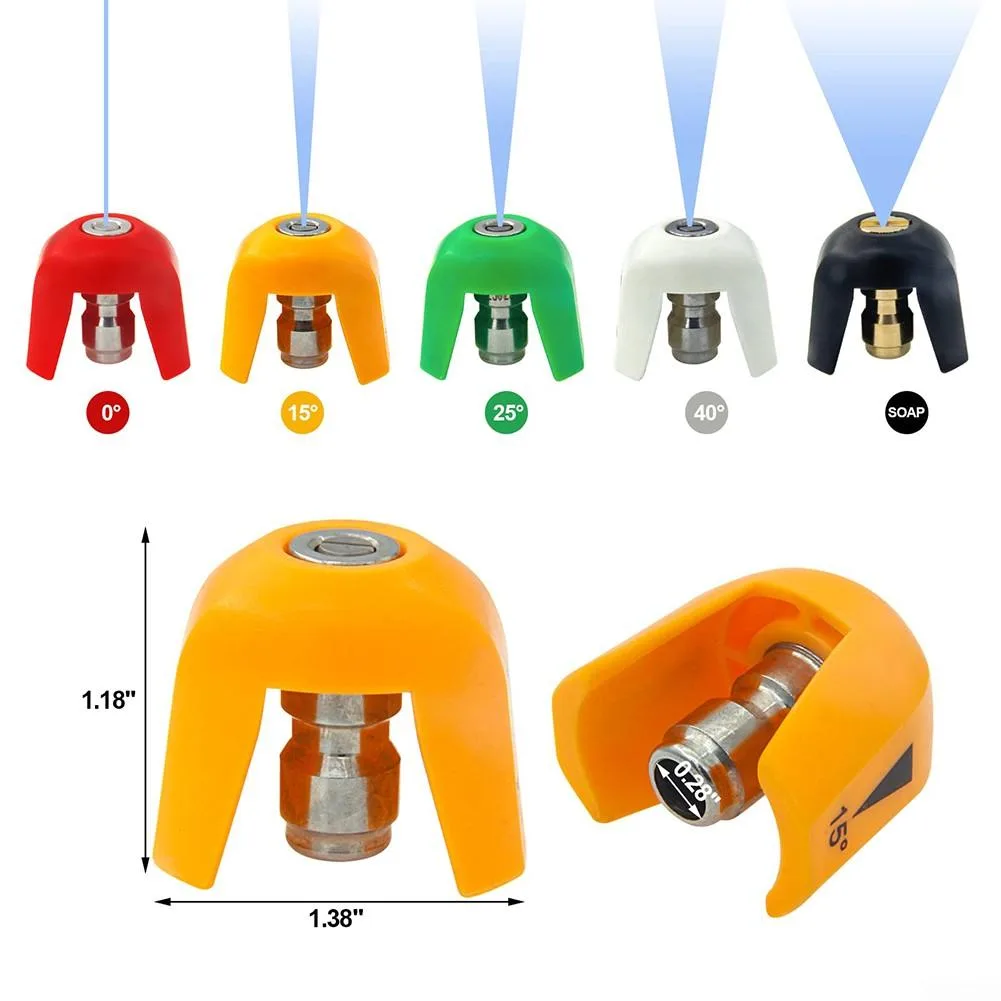
Nozzles determine the spray pattern. A 0° nozzle delivers a pinpoint jet for tough spots but can strip paint if held too close. A 15° to 25° nozzle offers a balance of power and coverage for general cleaning.
A 40° nozzle provides a wide, gentle fan for rinsing or delicate surfaces. Turbo nozzles combine rotation and pressure for deeper cleaning without increasing PSI.
Flow rate, measured in gallons per minute (GPM), affects how quickly you can clean. Most car wash systems use 1.5 to 3 GPM. Higher GPM means faster cleaning but also more water usage.
Temperature matters too: hot water cuts through grease better than cold but requires specialized equipment.
Pros and Cons: Is a Water Cannon Wash Right for Your Car?
Water cannon car washes shine in speed and convenience. They remove dirt faster than hand washing and reduce the risk of scratches compared to brush systems. They’re also versatile, handling everything from sedans to off-road vehicles with the right pressure settings.
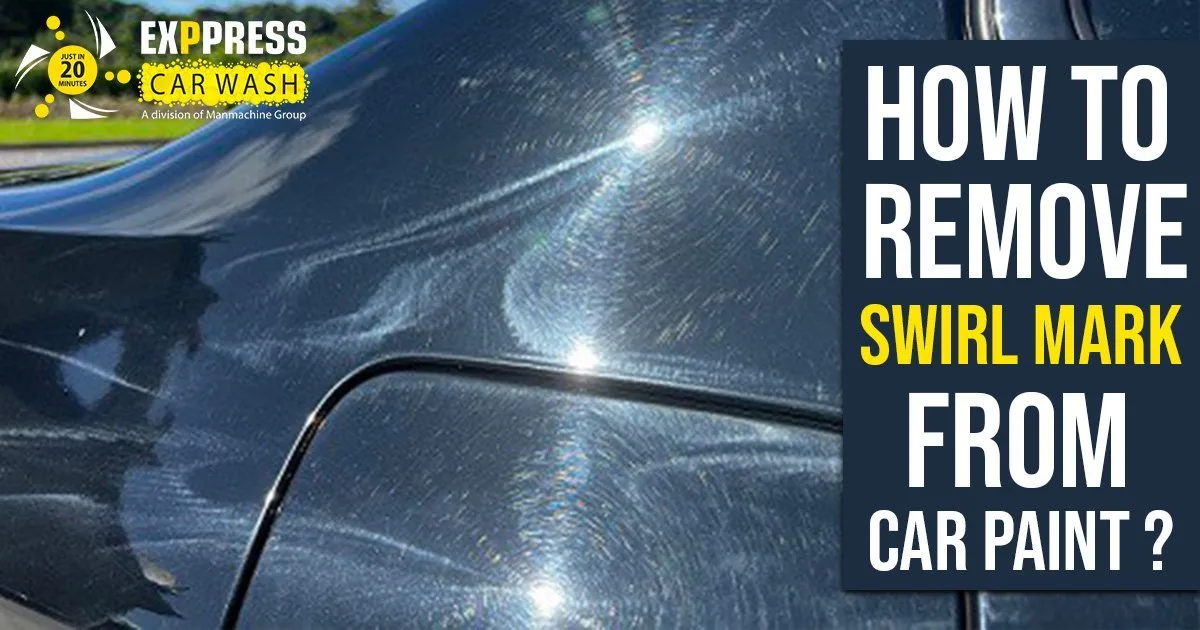
However, they’re not perfect. Incorrect pressure or nozzle choice can etch paint or leave swirl marks. They use more water than steam cleaning and may not reach tight spaces like wheel wells as effectively as a brush.
Some systems also struggle with heavy contaminants like caked-on mud or tar without pre-treatment.
| Pros | Cons |
|---|---|
| Fast cleaning | Risk of paint damage if misused |
| Touchless (no scratches) | Higher water usage |
| Versatile for different vehicles | May miss tight spaces |
| Effective for light to moderate dirt | Less effective for heavy grime without pre-treatment |
Water Cannon vs. Soft Cloth vs. Brush vs. Touchless: Full Comparison
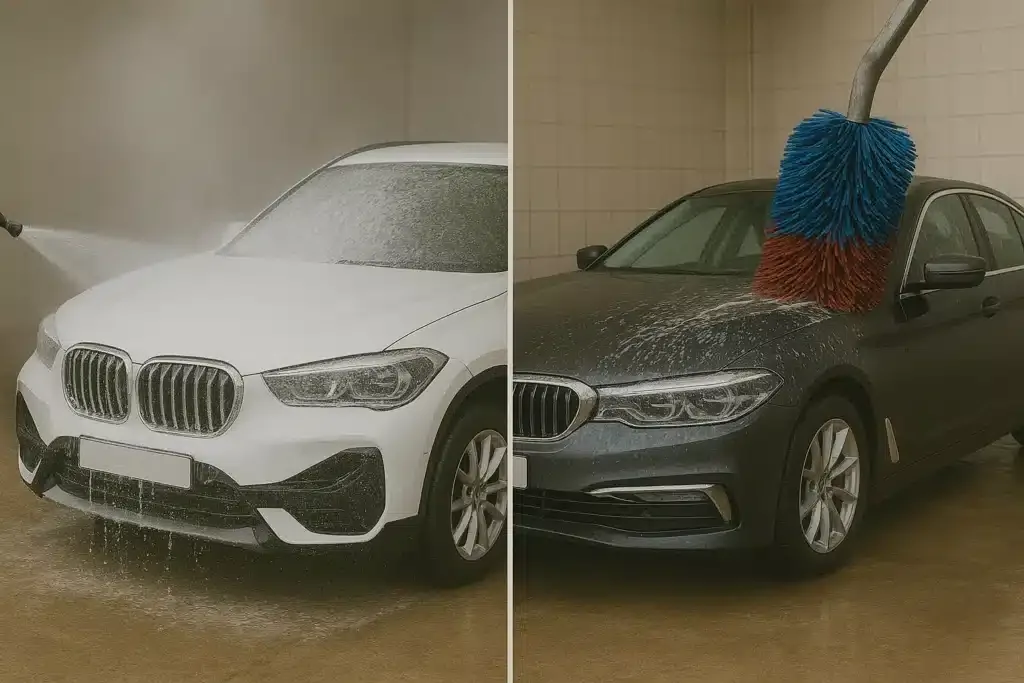
Water cannon and touchless systems both use high-pressure jets, but water cannon setups often allow more control over pressure and nozzle type. Soft cloth systems use fabric strips to gently wipe the car, making them ideal for delicate finishes but less effective for stubborn dirt. Brush systems provide deep cleaning but can leave micro-scratches over time.
For most drivers, a water cannon offers the best balance of speed and safety. If you have a vinyl wrap or ultra-delicate paint, a soft cloth or touchless system may be safer. Brush systems are best for heavily soiled vehicles where time isn’t a concern.
| Feature | Water Cannon | Soft Cloth | Brush | Touchless |
|---|---|---|---|---|
| Cleaning Speed | Fast | Moderate | Fast | Fast |
| Scratch Risk | Low | Very Low | High | Low |
| Water Usage | High | Low | Moderate | High |
| Heavy Dirt Removal | Good | Poor | Excellent | Good |
| Customization | High | Low | Low | Low |
Who Should Use a Water Cannon Car Wash (And Who Shouldn’t)
A water cannon car wash works best for drivers who want a fast, touchless clean. It’s ideal for removing light to moderate dirt, salt, or road grime without scrubbing. Fleet owners and dealerships often use these systems for quick turnaround on multiple vehicles.
Avoid it if your car has a fresh wax coat, vinyl wrap, or custom paint job. High pressure can strip protective layers or lift edges of wraps. Older vehicles with chipped paint or rust spots may also suffer further damage.
For these cases, a soft cloth or hand wash is safer.
Common Mistakes That Damage Paint or Waste Water
Using the wrong nozzle is the top mistake. A 0° nozzle at close range can etch paint or crack trim. Always start with a 25° or 40° nozzle and test on a small area first.
Holding the wand too close is another common error. Keep the nozzle 12 to 18 inches from the surface to prevent damage. Also, never spray directly at seams, sensors, or loose trim, as water can force its way inside and cause electrical issues.
Wasting water happens when you leave the trigger pulled between passes. Use short bursts and work in sections. Some self-service bays have timers, so plan your approach to avoid running out mid-wash.
Cost Breakdown: Self-Service, Automatic, and Mobile Options
Self-service water cannon bays typically cost $5 to $15 per wash. You control the pressure and time, but you’ll need to bring your own soap or pay extra for detergent.
Automatic touchless systems run $10 to $20 per wash. They’re convenient but offer less customization. Mobile detailers with water cannon setups charge $50 to $150, depending on vehicle size and add-ons like wax or interior cleaning.
| Option | Cost Range | Time | Control |
|---|---|---|---|
| Self-service | $5–$15 | 10–20 min | Full |
| Automatic | $10–$20 | 5–10 min | Limited |
| Mobile | $50–$150 | 30–60 min | Full |
Safety and Legal Rules You Need to Follow
Always wear eye protection. High-pressure water can ricochet and cause serious injury. Closed-toe shoes are a must to protect your feet from debris or accidental sprays.
Check local water regulations. Some areas restrict high-pressure washing during droughts or require water reclamation systems for commercial use. The EPA provides guidelines on wastewater disposal for car washes.
Never point the nozzle at people, animals, or electrical components. Keep the wand aimed at the vehicle and maintain a firm grip to avoid kickback.
Maintenance Tips to Keep Your System Running Smoothly
Rinse the nozzle after each use to prevent mineral buildup. If clogs occur, soak the tip in vinegar or use a needle to clear debris. Never use wire or sharp objects, as they can damage the orifice.
Check hoses and connections for leaks or wear. Replace cracked or brittle hoses immediately to avoid bursts under pressure. Store the unit in a dry place to prevent freezing in cold climates.
For commercial systems, service the pump and motor annually. Manufacturer specs confirm that regular oil changes and filter replacements extend the life of the equipment.
Step-by-Step: How to Use a Water Cannon Car Wash Properly
Start with a pre-rinse to remove loose dirt. Use a 25° or 40° nozzle and hold it 12 to 18 inches from the surface. Work from the top down to avoid re-soiling cleaned areas.
Apply detergent next if your system allows it. Use a car-safe soap and let it dwell for 30 to 60 seconds. Avoid household cleaners, as they can strip wax or damage paint.
Rinse thoroughly with a wide spray pattern. Pay extra attention to wheel wells, undercarriage, and trim. Finish with a spot-free rinse if available to prevent water spots.
Use Cases: Best For and Who It’s Right For
Water cannon washes excel for daily drivers with light to moderate dirt. They’re perfect for removing road salt, dust, or bird droppings quickly. Off-road vehicles benefit from the high pressure to blast away mud and debris.
They’re less ideal for show cars or freshly detailed vehicles. The pressure can dislodge wax or sealants. For these, a hand wash or soft cloth system preserves the finish better.
Commercial fleets use water cannon systems for efficiency. A single bay can clean multiple vehicles per hour with minimal labor. Mobile detailers also rely on them for on-site service.
Mistakes to Avoid
Never use a 0° nozzle on paint. The concentrated stream can cut through clear coat or leave permanent marks. Stick to wider angles for body panels.
Don’t ignore the undercarriage. Salt and grime build up here and cause rust. If your system has an undercarriage spray, use it every wash.
Avoid washing in direct sunlight. Water spots form faster when the surface is hot. Early morning or late afternoon is best for even drying.
Expert Tips
Use a foam cannon for better soap coverage. It applies a thick layer of detergent that clings to vertical surfaces. This helps break down tough contaminants before the high-pressure rinse.
Rotate your nozzles for different tasks. A 15° nozzle works well for wheels and tires. A 40° nozzle is best for rinsing and delicate surfaces.
Dry your car immediately after washing. Use a microfiber towel or air blower to prevent water spots. This is especially important in hard water areas.
Final Verdict: Best Use Cases and When to Choose Something Else
A water cannon car wash is the best choice for quick, effective cleaning of everyday vehicles. It removes dirt faster than hand washing and reduces scratch risks compared to brush systems.
For delicate finishes or heavy grime, consider alternatives. Soft cloth or hand washing preserves wax and wraps. Brush systems tackle embedded dirt but may scratch over time.
Frequently Asked Questions
Can a water cannon car wash damage my paint?
Yes, if used incorrectly. Pressures above 1,900 PSI or a 0° nozzle too close can etch paint. Always test on a small area first.
How often should I use a water cannon wash?
Once every two weeks is ideal for most drivers. More frequent washes may be needed in harsh climates with salt or heavy pollution.
What’s the best nozzle for a water cannon car wash?
A 25° nozzle offers the best balance of power and coverage. Use a 40° nozzle for rinsing or delicate surfaces.
Do I need special soap for a water cannon wash?
Yes. Use a car-safe detergent designed for pressure washers. Household soaps can damage paint or leave residue.
Can I wash my car’s engine with a water cannon?
No. High pressure can force water into electrical components. Use a low-pressure spray or steam cleaner instead.
Is a water cannon wash eco-friendly?
It depends on the system. Self-service bays with water reclamation use less fresh water. Mobile units may waste more if not properly managed.
How do I prevent water spots?
Use a spot-free rinse if available. Dry the car immediately with a clean microfiber towel. Hard water areas benefit from deionized water systems.