Tired of scrubbing your car only to find swirl marks and missed dirt? A car foam bath guide can change that. It’s a pre-wash method that lifts grime before you even touch the paint, making your wash safer and more effective.
Manufacturer specs confirm that foam cannons work best with pressure washers rated at 2000, 3000 PSI. That’s the sweet spot for thick, clinging foam that doesn’t just rinse off. Here’s how to get it right.
Quick Answer
A car foam bath uses a foam cannon or lance to apply thick soap to your vehicle before washing. It lifts dirt without scratching. Most foams need 1000, 3000 PSI to work properly. pH-balanced soaps are safest for paint and coatings.
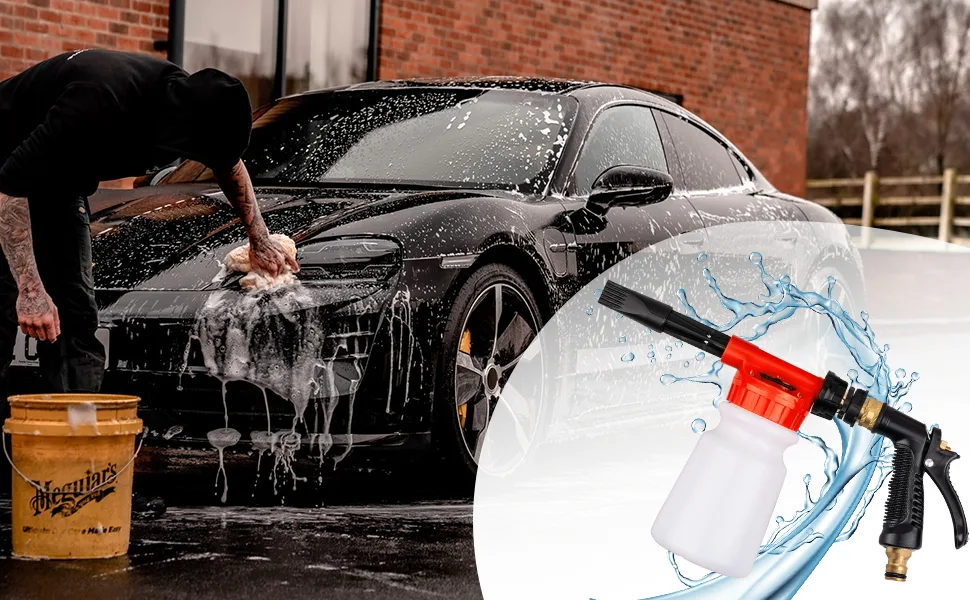
What Is a Car Foam Bath and Why Use It?
A car foam bath is a pre-wash step where you cover your vehicle in thick, sudsy foam. The foam clings to the surface, breaking down dirt, bird droppings, and road grime before you start scrubbing. This reduces the risk of scratches from embedded particles.
It’s especially useful for cars with delicate finishes, like ceramic coatings or clear coats. Aggregate reviews report that foam baths can cut wash time in half by loosening contaminants before the main wash. They also extend the life of your wash mitts and sponges by reducing abrasion.
How a Foam Bath Works in Car Washing
Foam baths rely on three key elements: soap, water, and pressure. The foam cannon or lance mixes soap with water under pressure, creating a thick lather. When applied to the car, the foam encapsulates dirt particles, lifting them away from the paint.
The dwell time, how long the foam sits on the car, matters. Most soaps need 1, 5 minutes to work effectively. Manufacturer specifications indicate that pH-neutral foams are safest for regular use, while alkaline foams tackle tougher grime but may require extra rinsing.
Foam Cannon vs. Foam Lance vs. Spray Bottle: Which Is Best?
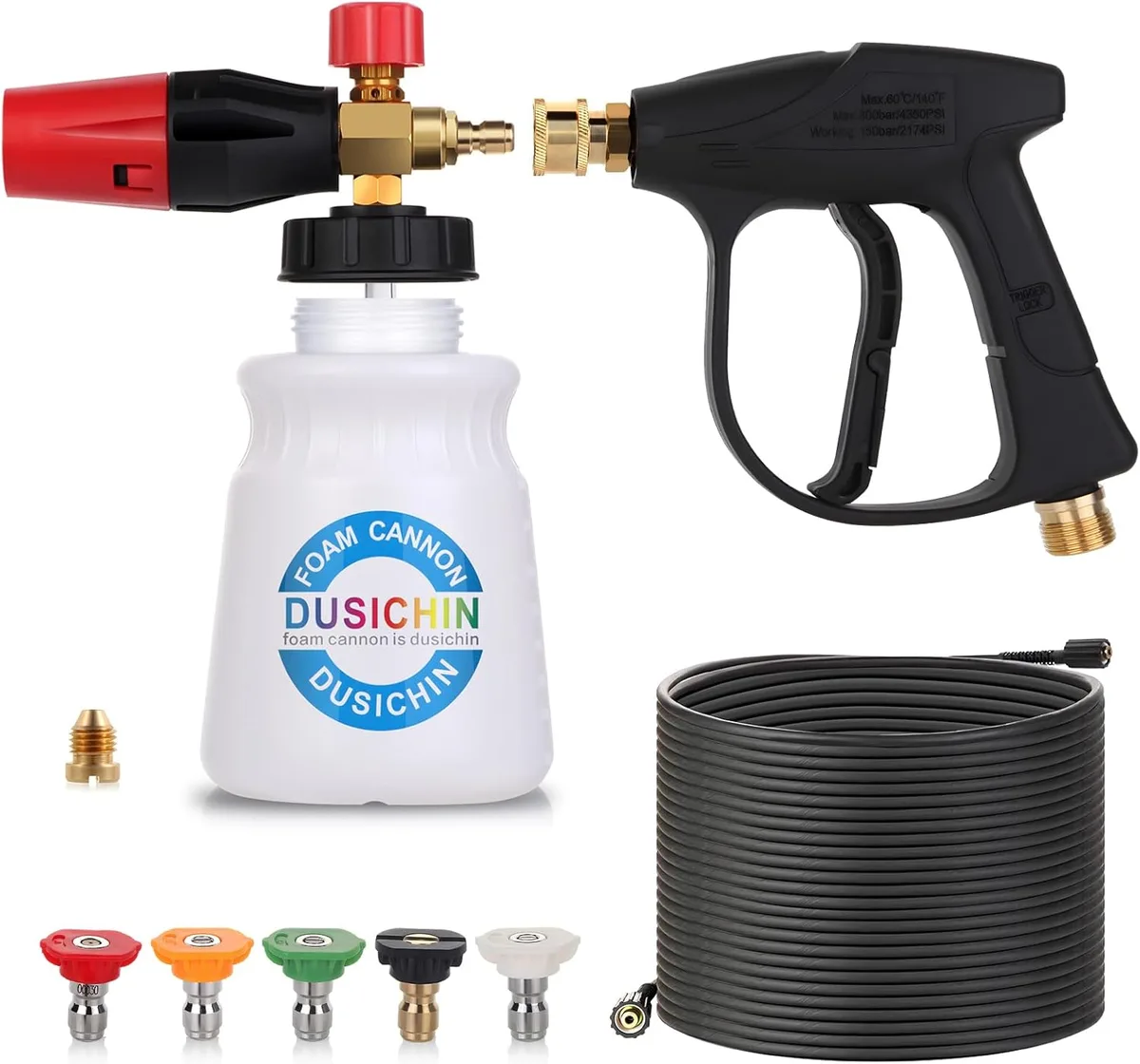
A foam cannon connects to a pressure washer and produces the thickest, most consistent foam. It’s ideal for heavy-duty cleaning but requires a pressure washer with at least 1000 PSI. If you don’t have one, a durable hose can still work with a foam lance.
A foam lance attaches to a garden hose and works at lower pressure. It’s more accessible but produces less foam. A spray bottle is the simplest option but lacks the coverage and cling of the other two.
For most users, a foam cannon delivers the best results if you have the equipment.
| Tool | Pressure Needed | Foam Thickness | Best For |
|---|---|---|---|
| Foam Cannon | 1000–3000 PSI | Thick | Heavy dirt, detailers |
| Foam Lance | Garden hose | Medium | Casual users |
| Spray Bottle | None | Thin | Quick touch-ups |
Key Features to Look for in a Car Foam Soap
Not all foam soaps are created equal. The best ones balance cleaning power with safety for your car’s finish.
Look for pH-neutral formulas if you wash your car frequently. These won’t strip wax or sealants. For tougher jobs, alkaline soaps cut through grime but may require extra care.
Biodegradable options are better for the environment, and high-lubricity soaps reduce swirl marks.
Concentration matters too. Most foams dilute at a 1:10 to 1:20 ratio. As of 2026, brands like Chemical Guys and Meguiar’s offer soaps with added UV protection or anti-spot formulas for harder water areas.
Avoid soaps with fillers or harsh detergents, as these can leave residue or damage clear coats over time.
Best Foam Soaps for Different Needs (pH-Balanced, Heavy-Duty, Eco-Friendly)
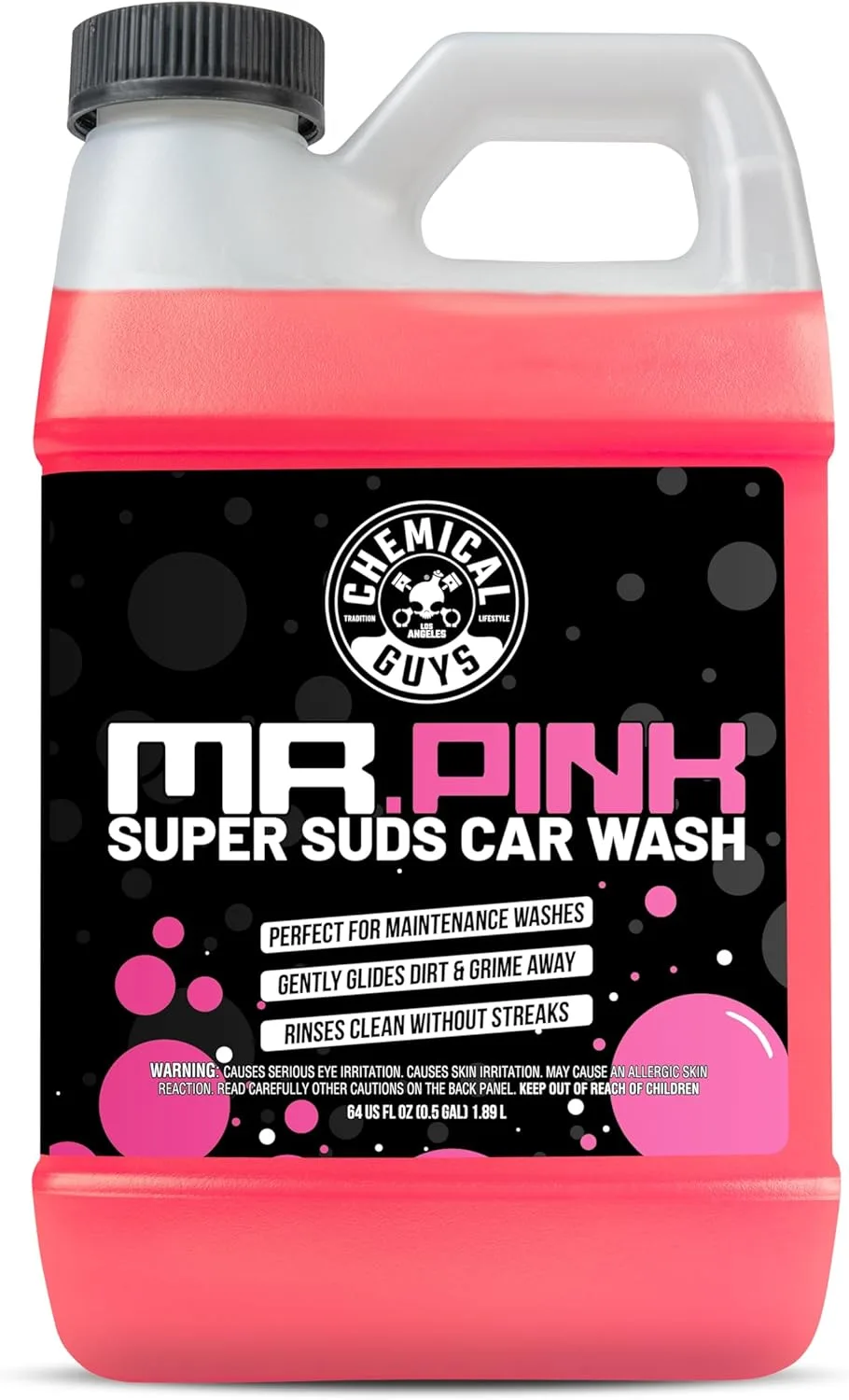
pH-neutral foams like Chemical Guys Mr. Pink are the safest for regular use. They clean effectively without harming wax or sealants.
These are ideal for maintenance washes and cars with ceramic coatings.
For heavy-duty cleaning, alkaline foams such as Meguiar’s Hyper Wash break down tough grime and road film. Use these sparingly, as frequent use can degrade protective layers. Eco-friendly options, like those from Griot’s Garage, are biodegradable and free from harsh chemicals, making them a great choice for environmentally conscious users.
| Soap Type | Best For | pH Level | Key Benefit |
|---|---|---|---|
| pH-Neutral | Regular maintenance | 7.0 | Safe for coatings |
| Alkaline | Heavy dirt removal | 10–12 | Deep cleaning |
| Eco-Friendly | Environmental safety | 6–8 | Biodegradable |
If you’re washing in hard water areas, look for soaps with water-softening agents to prevent spotting.
Step-by-Step: How to Use a Foam Cannon Like a Pro
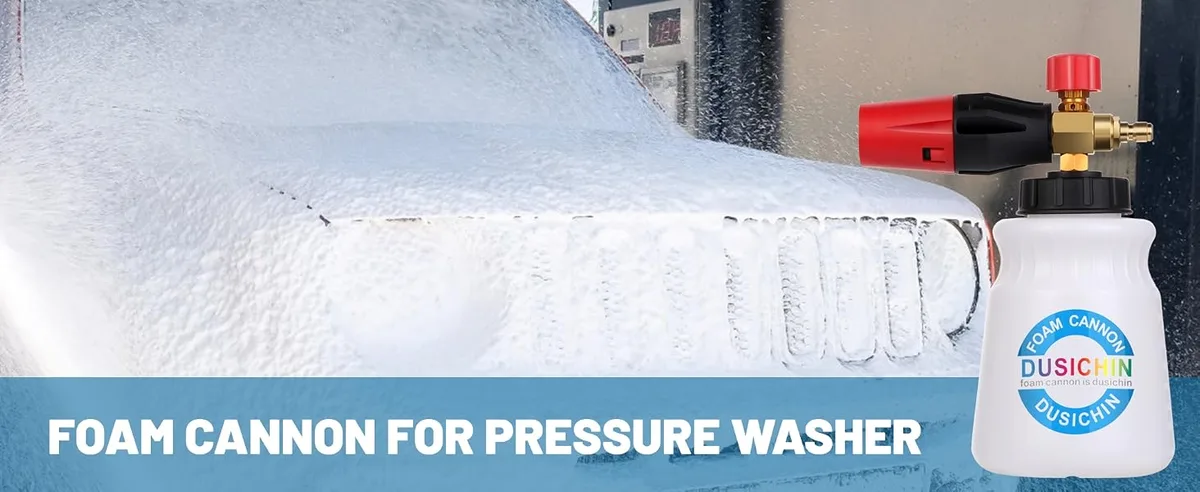
Start with a clean, cool surface. Rinse the car first to remove loose dirt. This prevents the foam from trapping debris against the paint.
Fill the foam cannon with water up to the marked line. Add the recommended amount of soap. Most cannons use a 1:10 to 1:20 ratio.
Attach it to your pressure washer and set the PSI between 2000 and 3000 for best results.
Apply the foam from the bottom up. This lets gravity help the foam cling to the surface. Let it dwell for 1 to 5 minutes, depending on the soap’s instructions.
Avoid letting it dry, as this can cause spotting.
Rinse thoroughly with a pressure washer or hose. Use the two-bucket method for the contact wash if needed. Dry with a microfiber towel to prevent water spots.
Common Mistakes That Ruin Your Foam Wash (And How to Fix Them)
Using the wrong PSI is a common error. Too low, and the foam won’t cling. Too high, and you risk damaging the paint.
Stick to 2000, 3000 PSI for most foam cannons.
Over-diluting the soap weakens its cleaning power. Follow the manufacturer’s ratio. Under-diluting wastes product and leaves residue.
Measure carefully for consistent results.
Letting the foam dry on the car creates streaks. Rinse before it evaporates. If you see spotting, use a water-softening additive in hard water areas.
Foam Bath vs. Traditional Wash: Which Gets Your Car Cleaner?
A foam bath lifts dirt before you touch the car. This reduces the risk of scratches from embedded grime. Traditional washes rely on physical scrubbing, which can swirl the paint over time.
Foam baths are faster for pre-washing but require a pressure washer or foam lance. Traditional washes work with just a bucket and sponge but demand more elbow grease. For deep cleaning, combine both: foam first, then a traditional wash.
| Method | Cleaning Power | Scratch Risk | Equipment Needed |
|---|---|---|---|
| Foam Bath | High | Low | Pressure washer |
| Traditional | Medium | Higher | Bucket, sponge |
Does a Foam Bath Damage Paint, Wax, or Ceramic Coatings?
pH-neutral foams are safe for all finishes. They clean without stripping protective layers. Alkaline foams can degrade wax or sealants if used too often.
Ceramic coatings are durable but benefit from gentle care. Stick to pH-neutral or coating-safe foams. Always rinse thoroughly to prevent residue buildup.
If you’re unsure, spot-test a small area first. This ensures compatibility with your car’s finish. Manufacturer specs confirm that most modern foams are formulated to be safe for clear coats.
Cost Breakdown: Foam Cannon, Soap, and Pressure Washer Setup
A basic foam cannon costs between $20 and $50. Mid-range models with adjustable nozzles run $50 to $100. High-end options with premium materials can reach $150 or more.
Foam soap concentrates typically cost $10 to $30 for a 16oz bottle. A gallon of soap lasts longer and offers better value. Pressure washers start around $100 for electric models and go up to $400 for gas-powered units.
| Item | Price Range | Notes |
|---|---|---|
| Foam Cannon | $20–$150 | Adjustable nozzles add cost |
| Foam Soap | $10–$30 (16oz) | Concentrates last longer |
| Pressure Washer | $100–$400 | Electric vs. gas affects price |
Renting a pressure washer is an option if you don’t want to buy. Daily rentals cost $40 to $80. This lets you test the setup before committing to a purchase.
Pro Tips for Thicker, Longer-Lasting Foam
Use warm water in the cannon for better sudsing. Cold water works but may produce thinner foam. Pre-rinsing the car removes loose dirt so the foam can focus on embedded grime.
Adjust the nozzle for a wider spray pattern. This covers more surface area with each pass. Let the foam dwell for the full recommended time before rinsing.
Avoid using dish soap in a foam cannon. It’s too harsh for car paint and can damage the cannon’s seals. Stick to automotive-specific foams for best results.
Safety & Environmental Considerations
Always wear gloves when handling concentrated soaps. Some formulas can irritate skin. Work in a well-ventilated area to avoid inhaling fumes.
Use biodegradable foams if you’re washing near plants or water sources. These break down harmlessly in the environment. Avoid letting soap runoff enter storm drains, as this can harm aquatic life.
Check local regulations on car washing. Some areas restrict water usage during droughts. Using a foam cannon can reduce water waste compared to traditional methods.
Frequently Asked Questions
How often should I use a foam bath on my car?
For regular maintenance, a foam bath every 1 to 2 weeks is ideal. This keeps dirt from building up without overusing soap. In harsh conditions, you might need it weekly.
Can I use a foam cannon without a pressure washer?
No, foam cannons require pressure to create thick foam. A foam lance works with a garden hose but produces less foam. A spray bottle is the only pressure-free option.
Does a foam bath replace a traditional wash?
Not entirely. A foam bath preps the car but doesn’t remove all contaminants. Follow it with a contact wash for the cleanest results.
Why is my foam not clinging to the car?
Low PSI or incorrect dilution are common causes. Check your pressure washer settings and soap ratio. Hard water can also reduce foam effectiveness.
Is a foam bath safe for matte or satin finishes?
Use a pH-neutral foam specifically labeled for matte paints. Test a small area first. Avoid alkaline soaps, as they can damage these finishes.
Final Verdict: Is a Foam Bath Worth It for Your Car?
For most car owners, yes. A foam bath makes washing faster and safer. It lifts dirt before you touch the paint, reducing swirl marks.
The upfront cost of a foam cannon and pressure washer pays off in cleaner results and less wear on your finish. If you wash your car regularly, the time saved adds up.
For casual users, a foam lance or spray bottle can still improve your wash routine. The key is using the right soap and technique.