ByMax Lee
Missouri Off-Road Light Bar Laws & Highway Rules
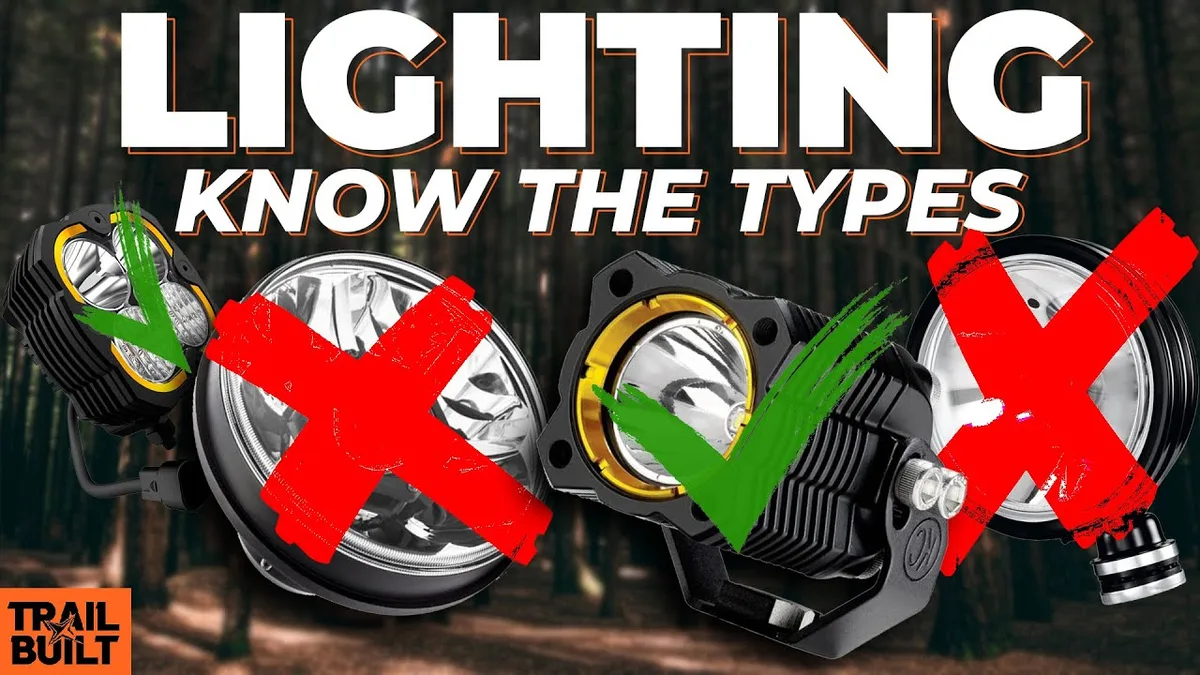
Image source: YouTube / TrailBuilt Off-Road (YouTube thumbnail (fair-use with source credit))
Missouri auxiliary lighting and off road light bar highway restrictions can be confusing, but the rules are clear if you know where to look. Many drivers assume any light bar is fine as long as it's bright, but Missouri has specific laws on color, placement, and when you can use them on public roads.
Per Missouri Revised Statutes, auxiliary lights must comply with DOT standards, and non-compliant setups can lead to fines or failed inspections. Let's break down what's legal, what's not, and how to stay on the right side of the law.
Quick Answer
Missouri auxiliary lighting and off road light bar highway restrictions allow DOT-compliant white or amber lights. Blue and red are reserved for emergency vehicles. Lights must be mounted below 54 inches.
Off-road-only bars need covers on public roads. Non-compliance risks fines.
Missouri's Auxiliary Lighting Laws at a Glance
Missouri follows the Missouri Department of Revenue's vehicle equipment regulations, which align with federal DOT standards. Auxiliary lighting includes any additional lights beyond your vehicle's standard headlights, such as light bars, fog lights, or driving lights.
Key points:
- Purpose: Auxiliary lights improve visibility but must not blind other drivers.
- Compliance: Lights must meet FMVSS 108 or SAE J581 standards to be street-legal.
- Enforcement: Local law enforcement and MoDOT inspections check for compliance during traffic stops or annual inspections.
What Counts as Auxiliary Lighting (and What Doesn't)
Auxiliary lighting includes any aftermarket lights added to your vehicle. This covers:
- Light bars: LED or halogen bars mounted on the roof, bumper, or grille.
- Fog lights: Typically mounted low on the front bumper.
- Driving lights: Often mounted higher than fog lights, used for long-range illumination.
- Spotlights: Directional lights, sometimes handheld or mounted.
What doesn't count:
- Standard headlights, taillights, or brake lights (these are factory-installed and regulated separately).
- Interior lights or underglow (these fall under different Missouri statutes).
DOT-Compliant vs. Off-Road-Only Light Bars
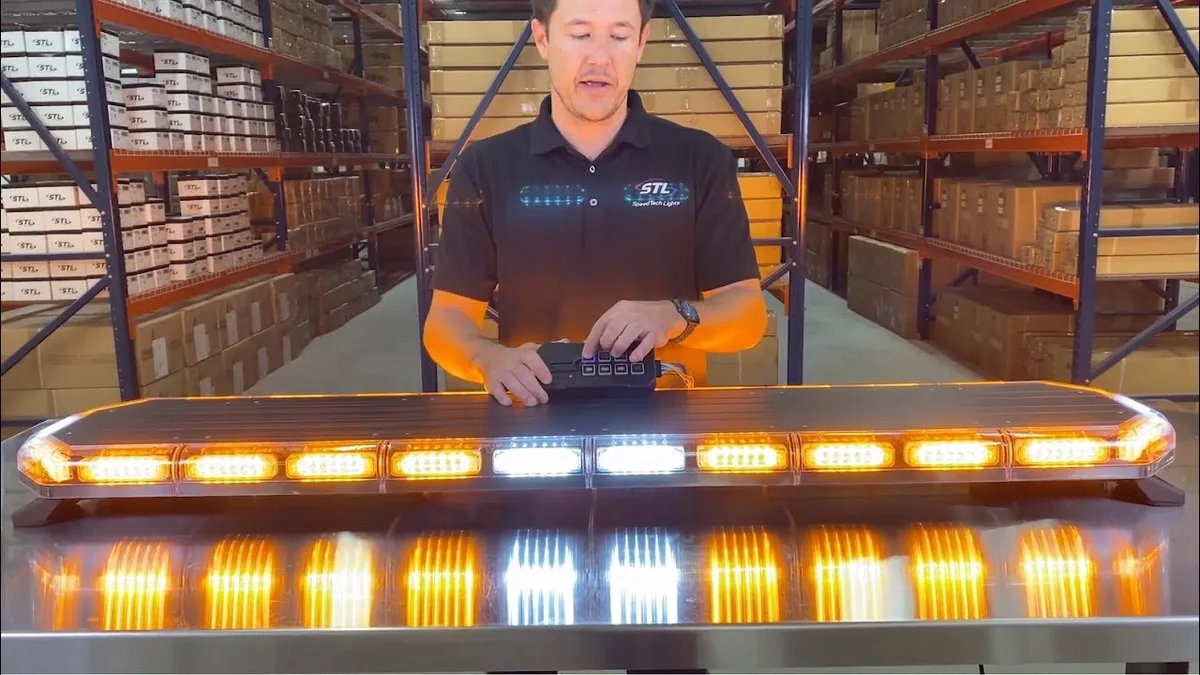
Image source: YouTube / SpeedTech Lights (YouTube thumbnail (fair-use with source credit))
DOT-compliant light bars meet federal safety standards for use on public roads. Off-road-only bars do not and are intended solely for private property or closed-course use.
| Feature | DOT-Compliant | Off-Road-Only |
|---|---|---|
| Color | White or amber | Any color (but blue/red illegal on public roads) |
| Beam Pattern | SAE-approved (flood or spot) | No restrictions |
| Mounting | Must not obstruct driver's view | No restrictions |
| Usage on Public Roads | Legal when properly installed | Illegal unless covered |
| Certification | FMVSS 108 or SAE J581 | None |
DOT-compliant bars are marked with a DOT or SAE stamp on the housing. If you don't see this, assume it's off-road-only.
Missouri's Rules on Light Colors, Placement, and Height
Image source: YouTube / Nilight (YouTube thumbnail (fair-use with source credit))
Missouri's laws are strict about how and where you can mount auxiliary lights. Here's what you need to know:
Color Restrictions:
- White or amber: Allowed for forward-facing auxiliary lights.
- Red: Only permitted on the rear of vehicles (e.g., brake lights, taillights).
- Blue: Reserved exclusively for emergency and law enforcement vehicles. Never legal for civilian use.
- Green, purple, or other colors: Not addressed in Missouri statutes, but generally discouraged as they may confuse other drivers.
Placement and Height:
- Maximum height for auxiliary lights on passenger vehicles: 54 inches from the ground to the center of the light.
- Lights must not be mounted in a way that obstructs the driver's view or interferes with other vehicle systems (e.g., airbags).
- Roof-mounted light bars are common but must stay under the 54-inch limit.
Usage Rules:
- Auxiliary lights must be covered or turned off when driving on public roads if they are not DOT-compliant.
- Lights must not flash, oscillate, or strobe unless the vehicle is an authorized emergency vehicle.
- High-beam auxiliary lights should only be used in conjunction with your vehicle's high beams and must not be used in oncoming traffic.
When and How You Can Use a Light Bar on Public Roads
Auxiliary lights are only legal on Missouri highways if they meet DOT standards. This means white or amber lights with approved beam patterns.
You can use them alongside your high beams in low-traffic areas but must turn them off when other vehicles approach. Off-road-only bars must be covered or disconnected on public roads.
Step-by-Step: Making Your Light Bar Street Legal in Missouri
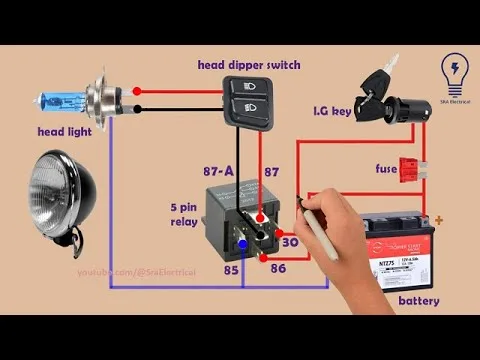
Image source: YouTube / SRA Electrical (YouTube thumbnail (fair-use with source credit))
First, choose a DOT-compliant light bar with the proper certification stamp. White is the safest choice for forward-facing lights.
Mount it below 54 inches and ensure it doesn't obstruct your view. Wire it through a relay to your high-beam circuit so it only activates with high beams. This prevents accidental use in oncoming traffic.
Test the setup in a safe area before driving on public roads. Double-check that the beam pattern doesn't blind other drivers.
Common Mistakes That Get You Pulled Over
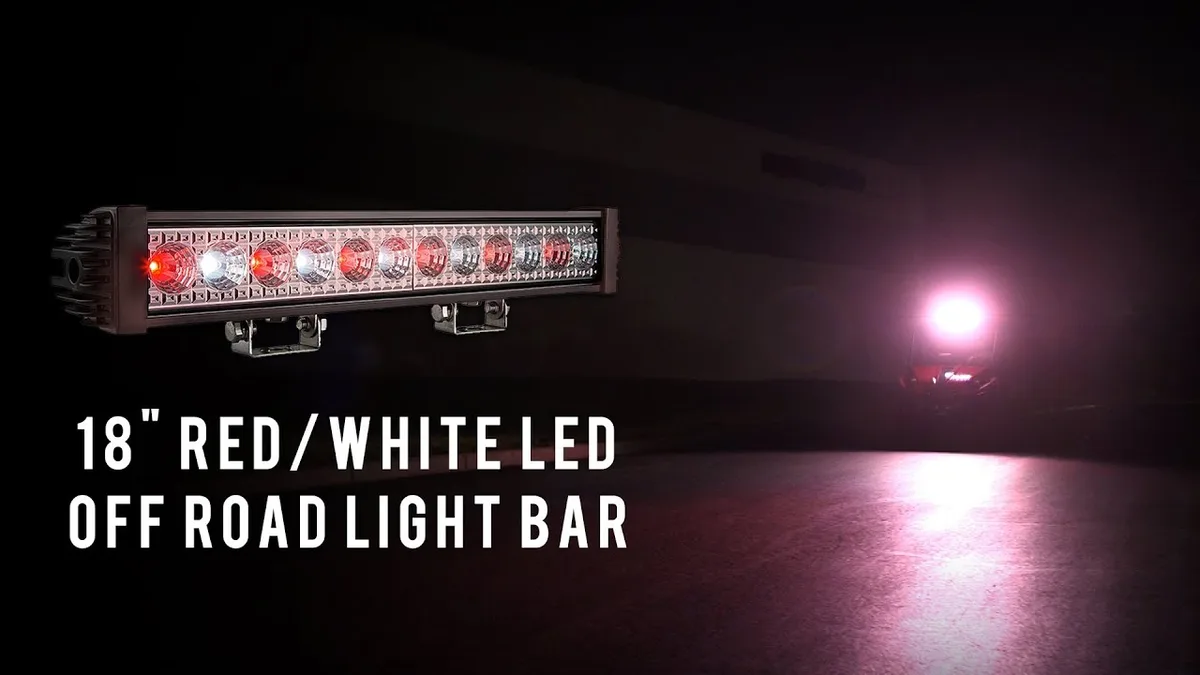
Image source: YouTube / Super Bright LEDs (YouTube thumbnail (fair-use with source credit))
Using blue or red lights is the fastest way to get stopped. These colors are reserved for emergency vehicles only.
Mounting lights too high or in a way that obstructs your view is another common issue. Missouri law enforces the 54-inch height limit strictly.
Leaving off-road-only lights uncovered or turned on while driving is also illegal. Even if they're not in use, uncovered non-compliant lights can lead to fines.
What Happens If You Break the Rules?
Violating Missouri's auxiliary lighting laws can result in a traffic citation. Fines vary but typically start around $50 and can go higher for repeat offenses.
Your vehicle may also fail its annual safety inspection if the lighting doesn't comply. Fixing the issue usually means removing or properly covering non-compliant lights.
In extreme cases, law enforcement may require you to remove the lights on the spot. This is more likely if the lights are deemed a safety hazard.
Best Light Bar Setups for Missouri Drivers
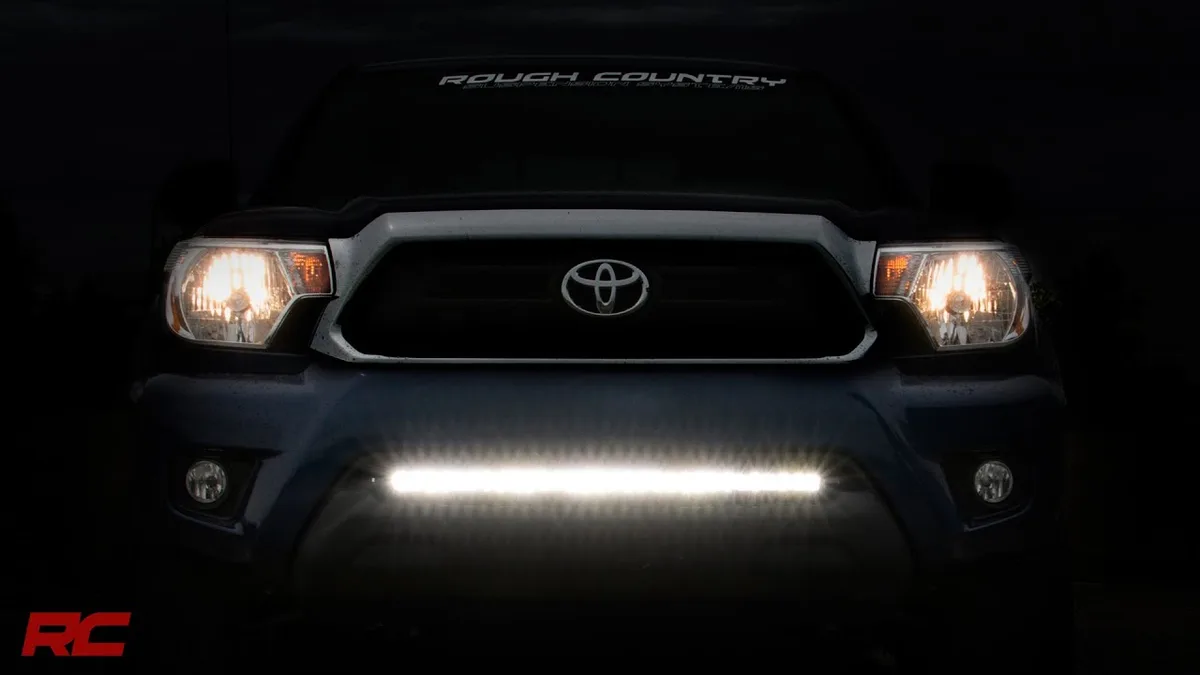
Image source: YouTube / Rough Country (YouTube thumbnail (fair-use with source credit))
For highway use, a DOT-compliant white LED light bar mounted on the bumper is the safest choice. It stays under the height limit and provides excellent visibility without blinding others.
If you prefer a roof-mounted bar, keep it under 54 inches and use a wiring setup that ties it to your high beams. This ensures it only turns on when appropriate.
For off-road use, you can go with any color or size, but always cover or disconnect the lights before driving on public roads. A quick-release mount makes this easier.
Frequently Asked Questions
Are light bars legal on highways in Missouri?
Only if they meet DOT or SAE standards. White or amber beams are permitted. Non-compliant bars must stay covered or off while on public roads.
Always verify certification labels before driving.
What color light bars are legal in Missouri?
White and amber forward-facing lights are allowed. Red is restricted to rear vehicles. Blue, green, and purple colors are prohibited for civilian use.
Stick to DOT-approved colors to avoid citations.
Can I use a light bar while driving on public roads in Missouri?
Yes, but only with your high beams and when no oncoming traffic exists. Turn them off when other drivers approach. Leaving high-intensity auxiliary lights on constantly can blind others and result in fines.
Do I need to cover my light bar when driving on public roads?
If your light bar is off-road-only and lacks DOT certification, you must cover it when on public roads. Quick-release covers or switch installations keep your setup legal and trail-ready.
What are the penalties for illegal light bars in Missouri?
Violations typically carry fines starting around $50. Repeat offenses or hazardous modifications may increase penalties. Your vehicle could also fail inspection until compliant lighting is installed or removed.
Final Checklist Before You Hit the Road
Before driving on Missouri highways, run through these steps:
- Verify your light bar has DOT or SAE certification stamps.
- Confirm mounting height is below 54 inches from the ground.
- Ensure only white or amber forward-facing lights are used.
- Test that auxiliary lights activate only with your high beams.
- Have covers ready for any non-compliant bars when on public roads.
- Double-check for secure wiring and no obstructions to your view.
Following this checklist keeps you compliant and safe, whether you're heading to a trailhead or just driving home at night.