ByMax Lee
Missouri Emissions Test Waivers & Repair Compliance Guide
If your car just failed Missouri’s emissions test and the repair bill feels like a punch to the wallet, you’re not stuck. Missouri’s repair waiver program exists for exactly this situation, letting you bypass the retest if you meet strict conditions. Understanding Missouri failed emissions test repair waivers and compliance standards means knowing the rules, the paperwork, and the limits so you don’t waste time or money.
The state caps waiver-eligible repairs at $650 as of 2026, and not every fix qualifies. Get the process wrong, and you’ll be back at the inspection station with no waiver and no registration.
Quick Answer
Missouri offers a repair waiver for failed emissions tests if your vehicle meets specific conditions. The waiver covers up to $650 in emissions-related repairs. You must apply through the Missouri Department of Natural Resources.
Approval isn’t automatic. The car must still meet basic safety and operational standards.
YouTube / Christian Brothers Automotive Springfield (YouTube thumbnail (fair-use with source credit))
Why Missouri’s Emissions Waiver Exists (And When You Actually Need It)
Missouri’s emissions program is part of the federal Clean Air Act, designed to reduce pollution from vehicles. The waiver isn’t a free pass, it’s a last resort for drivers who’ve spent the maximum allowed on repairs but still can’t pass the test.
You only need it if your car fails the test and the cost to fix the issue exceeds the state’s repair cap. Without the waiver, you can’t renew your registration, which means you can’t legally drive.
How Missouri’s Emissions Test Works (And Why You Might Fail)
Missouri uses two types of emissions tests: the OBD-II test for vehicles from 1996 and newer, and the tailpipe test for older models. The OBD-II test checks your car’s onboard computer for emissions-related issues, while the tailpipe test measures actual pollutants.
Common failure reasons include a lit check engine light, faulty catalytic converter, or evaporative emissions system leaks. If your car’s OBD-II system isn’t ready or has stored codes, it’ll fail automatically.

YouTube / Business Today (YouTube thumbnail (fair-use with source credit))
The test itself takes about 20 minutes and costs between $12 and $24, depending on the county. You’ll get a printout showing exactly why your car failed, which is critical for the waiver process.
The Exact Conditions for a Missouri Repair Waiver
To qualify, your vehicle must meet all of these:
- It failed the initial emissions test.
- You’ve spent at least the minimum required on emissions-related repairs (the cap is $650 as of 2026).
- The repairs were performed by a licensed Missouri repair facility.
- You’ve kept all receipts and documentation.
The waiver doesn’t apply to vehicles that fail due to tampering or missing emissions equipment. And it’s not available in every county, only those participating in Missouri’s I/M program.
YouTube / FOX 2 St. Louis (YouTube thumbnail (fair-use with source credit))
If your car is newer than 2 years or older than 25, it might be exempt from testing entirely. Check the Missouri Department of Natural Resources for the latest exemptions.
Step-by-Step: How to Apply for a Missouri Emissions Waiver
Start by getting your car tested at an official Missouri inspection station. If it fails, take it to a licensed repair shop and ask them to focus only on emissions-related fixes.
Keep every receipt, Missouri requires proof of the work and the cost. Once repairs are done, fill out the waiver application form, which you can get from the MoDNR website. Submit the form along with your repair receipts and the initial test failure report.
The state reviews applications in 5 to 10 business days. If approved, you’ll get a temporary compliance certificate that lets you renew your registration. If denied, you’ll receive a letter explaining why, and you’ll need to address the issue before reapplying.
What Repairs Qualify (And Which Ones Won’t Count)
Only emissions-related repairs count toward the waiver. This includes fixes to the catalytic converter, oxygen sensors, EGR valve, or evaporative emissions system. Routine maintenance like oil changes or tire rotations doesn’t qualify.
The repairs must be performed by a licensed Missouri repair facility. DIY fixes or work done out of state won’t be accepted.
YouTube / You Net Results (YouTube thumbnail (fair-use with source credit))
If your car fails due to a non-emissions issue, such as a faulty fuel pump, those repairs won’t help your waiver application. Focus only on the components that directly affect emissions performance.
Missouri’s Waiver Cost Limit: How Much You’ll Pay Out of Pocket
The state sets a hard cap of $650 for waiver-eligible repairs as of 2026. If your repairs exceed this amount, you’re responsible for the difference. The waiver only covers the portion up to the limit.
If your repairs cost less than $650, you can still apply, but the waiver won’t cover the full amount. The program is designed to help offset high repair costs, not eliminate them entirely.
The Paperwork You Must Have (Or Your Waiver Gets Rejected)
Your application will be denied without the right documentation. You need the initial test failure report, repair receipts, and the waiver application form. Each receipt must clearly list the emissions-related repairs and their costs.
The repair receipts must include the facility’s license number, the date of service, and a detailed description of the work performed. Generic invoices won’t cut it.
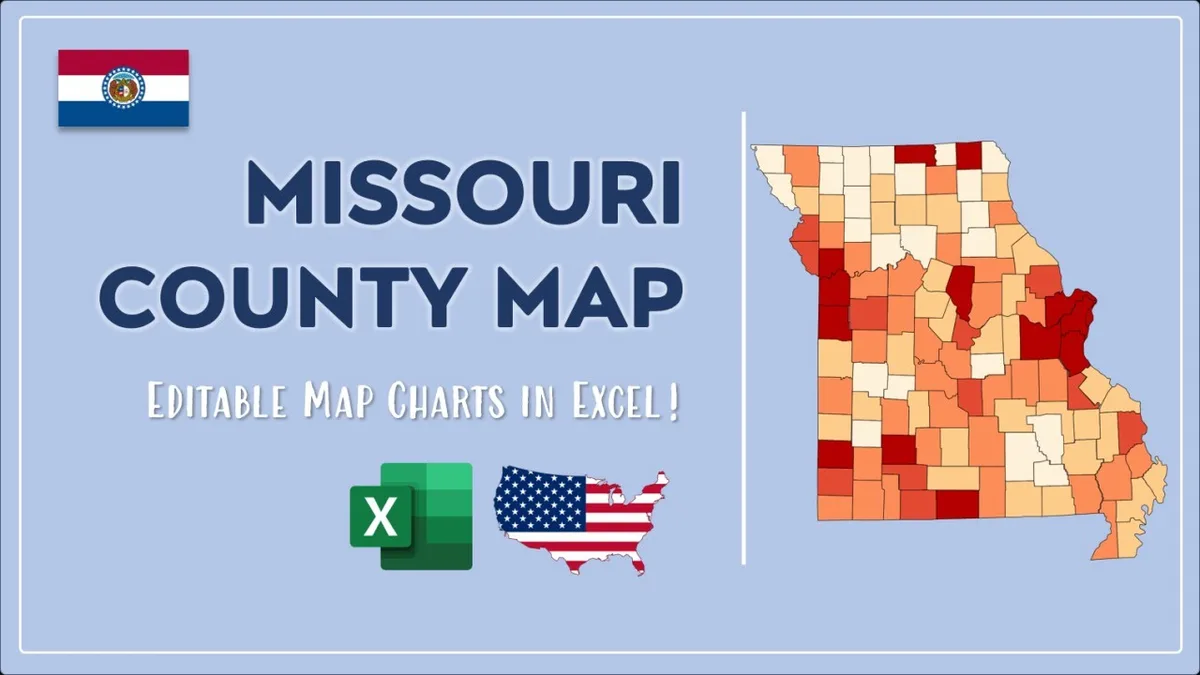
YouTube / Someka (YouTube thumbnail (fair-use with source credit))
If you’re missing any paperwork, your application will be delayed or rejected. Double-check that everything is in order before submitting.
How Long the Waiver Lasts (And What Happens Next)
A Missouri emissions repair waiver is valid for one year from the date of approval. During this time, you can legally register and drive your vehicle, even if it hasn’t passed the emissions test.
After the waiver expires, you’ll need to retest your vehicle. If it still fails, you can apply for another waiver, but you’ll need to meet the same conditions again. There’s no limit to how many times you can apply, as long as you follow the rules each time.
If your car passes the test during the waiver period, the waiver becomes void, and you’ll need to comply with standard emissions testing moving forward.
Common Reasons Missouri Denies Waiver Applications
The most common reason for denial is incomplete or missing paperwork. Without the initial test failure report or detailed repair receipts, your application won’t be approved.
Another frequent issue is repairs that don’t qualify. If the work done isn’t directly related to emissions, it won’t count toward the waiver.
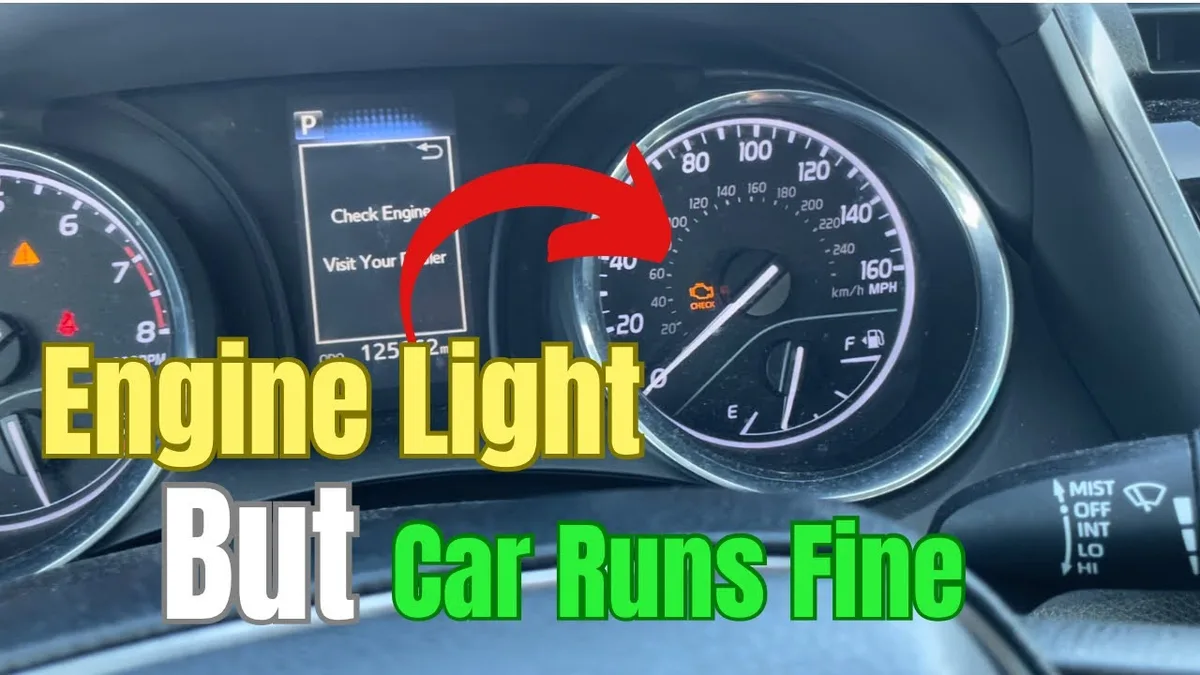
YouTube / AutocareTips (YouTube thumbnail (fair-use with source credit))
Tampering with emissions equipment is an automatic disqualifier. If your car has been modified to bypass emissions controls, you won’t be eligible for a waiver.
What to Do If Your Waiver Is Rejected
First, read the denial letter carefully. It will explain exactly why your application was turned down, whether it was missing paperwork, non-qualifying repairs, or incomplete information.
If the issue is fixable, gather the missing documents or correct the problem and resubmit. For example, if your receipts lacked detail, ask the repair shop for an itemized breakdown.
You can appeal the decision by contacting the Missouri Department of Natural Resources directly. Provide any additional evidence that supports your case, such as diagnostic reports or mechanic statements.
Missouri Emissions Testing Counties vs. Non-Testing Areas
Not all Missouri counties require emissions testing. The program currently applies to St. Louis City, St.
Louis County, St. Charles County, Jefferson County, and Franklin County.
If you live in a non-testing county but your vehicle is registered in a testing county, you still need to comply. The requirement follows the vehicle’s registration address, not your residence.
For the most up-to-date list of testing counties, check the MoDNR website.
FAQs About Missouri Emissions Waivers (From Real Drivers)
Can I get a waiver if my check engine light is on?
Yes, but only if the light is related to an emissions issue and you’ve spent up to the $650 cap on qualifying repairs.
How long does it take to process a waiver application?
Typically 5 to 10 business days. Submit your application as soon as possible after the repairs are complete.
What if my repairs cost more than $650?
You’re responsible for the difference. The waiver only covers up to the state’s limit.
Can I apply for a waiver more than once?
Yes, but each application must meet the same conditions. You’ll need new test results and repair receipts for each submission.
Do hybrid or electric vehicles need emissions tests?
No. Hybrid and electric vehicles are exempt from Missouri’s emissions testing program.