ByMax Lee
Guam VIN Verification for Out-of-Territory Title Transfers
YouTube / Kingley Auto (YouTube thumbnail (fair-use with source credit))
Transferring a vehicle title to Guam from another state or country starts with one critical step: VIN verification. The Guam VIN verification requirements for out of territory title transfers are strict, and missing a detail can delay your registration for weeks. Whether you're a new resident, military personnel on PCS orders, or importing a car temporarily, the process has specific rules.
Guam’s Department of Revenue and Taxation (DRT) requires a physical inspection of the 17-character VIN to confirm it matches your title and hasn't been altered. As of 2026, this applies to all out-of-territory transfers, including salvage and rebuilt titles. Here's what you need to know to get it right the first time.
Quick Answer
Guam requires a VIN verification for all out-of-territory title transfers. You must have the vehicle physically inspected at a DRT office or authorized agent. The VIN must match your title exactly.
Salvage or rebuilt titles need extra safety inspections. Military transfers follow the same rules but may use PCS orders to expedite the process.
Why Guam's Process Is Different
Guam doesn't have a DMV. The Department of Revenue and Taxation (DRT) handles all vehicle registrations and title transfers. This means the process differs from mainland U.S. states, where DMVs manage these tasks.
Federal standards still apply. Your vehicle's VIN must comply with the National Highway Traffic Safety Administration (NHTSA) 17-character format. Guam also enforces its own local ordinances, which can add steps like additional inspections for salvage titles.
Unlike some states, Guam doesn't have reciprocal agreements with all U.S. territories or foreign countries. This means every out-of-territory transfer starts with a fresh VIN verification.
The Guam VIN Verification Decision Tree
Your first step is identifying which branch of the process applies to you. The requirements change based on where your vehicle is coming from and its current title status.
If your vehicle is from another U.S. state or territory:
You'll need a standard VIN verification. The inspector will confirm the VIN matches your title and check for tampering. This is the most common scenario for new residents.
If your vehicle has a salvage or rebuilt title:
You must pass an additional safety inspection. Guam requires proof that the vehicle is roadworthy before issuing a new title. This also applies if the vehicle was previously exported and re-imported.
If you're military and transferring due to PCS orders:
You follow the same VIN verification process but can use your orders to expedite the title transfer. Temporary import permits may also apply if you're not establishing residency. Active-duty personnel often transfer vehicles between the mainland and Guam.
If you're a non-resident importing a vehicle temporarily:
You'll need a temporary import permit. This allows you to drive the vehicle in Guam for a limited time without a full title transfer. Visitors, seasonal residents, and military spouses on temporary duty commonly use this option.
Step-by-Step: Getting Your VIN Verified in Guam
YouTube / Kick'n it with Khalif (YouTube thumbnail (fair-use with source credit))
Start by scheduling an inspection at a Guam DRT office or an authorized agent. Walk-ins are sometimes accepted, but appointments guarantee faster service. Bring your vehicle, title, and any supporting documents like a bill of sale.
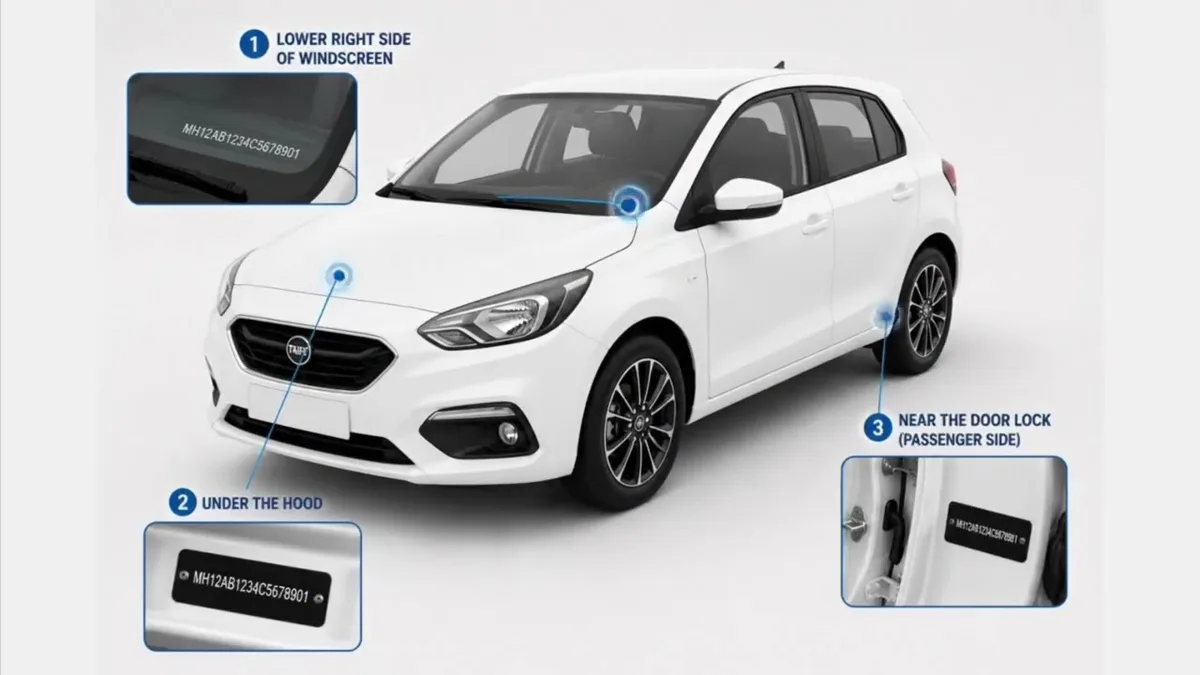
The inspector will locate the VIN on your vehicle. It's typically on the dashboard (driver's side), door jamb, engine block, or frame rail. They'll verify it matches the VIN on your title and check for signs of tampering or alteration.
Odometer readings are also recorded to prevent fraud.
If your vehicle passes, you'll receive a VIN verification form. This document is required to proceed with your title transfer. Keep it safe.
You'll need it for the next steps along with your original title and registration paperwork.
Required Documents for Out-of-Territory Title Transfers

YouTube / County Portal (YouTube thumbnail (fair-use with source credit))
You'll need a few key documents to complete your title transfer. Missing any of these will delay the process. Use this checklist to prepare:
- Original title: Must be in your name or include a notarized power of attorney if you're acting on behalf of the owner.
- Bill of sale: Proves the transfer of ownership and should include the vehicle's VIN, make, model, and sale price.
- VIN verification form: Issued after your inspection, confirming the VIN matches the vehicle and title.
- Proof of insurance: Guam requires valid insurance to register a vehicle.
- Odometer disclosure: Mandatory for all vehicles less than 10 years old.
For military personnel, add your PCS orders to the list. If your vehicle has a salvage or rebuilt title, bring the salvage certificate and any additional inspection reports. Non-residents importing temporarily will need to apply for a temporary import permit instead of a full title transfer.
You can learn more about managing vehicle paperwork by reviewing guidance on the correct fluid level for your vehicle before the transfer.
Special Cases: Military, Salvage, and Temporary Imports

YouTube / BFBS Forces News (YouTube thumbnail (fair-use with source credit))
Military personnel on PCS orders get some flexibility but still must follow Guam's VIN verification rules. Your vehicle needs the same inspection as any out-of-territory transfer. The difference is you can use your PCS orders to speed up the title transfer process.
Bring your orders, military ID, and the usual documents (title, bill of sale, proof of insurance). The DRT may waive certain fees or expedite processing for active-duty transfers. Temporary duty assignments might qualify for a short-term permit instead of a full title transfer.
Salvage or rebuilt titles require extra steps. Guam mandates a secondary safety inspection to confirm the vehicle meets roadworthiness standards. You'll need the salvage certificate, repair receipts, and proof of inspection from your previous state or country.

YouTube / Dirt Legal (YouTube thumbnail (fair-use with source credit))
Non-residents importing a vehicle temporarily can apply for a temporary import permit. This allows you to drive the vehicle in Guam for 30 to 90 days without a full title transfer. You'll still need a VIN verification and proof of ownership.
Costs and Fees Breakdown
Here's what you can expect to pay for a standard out-of-territory title transfer in Guam as of 2026:
| Fee Type | Cost Range | Notes |
|---|---|---|
| VIN Verification | $20–$50 | Varies by inspection location |
| Title Transfer | $50–$150 | Based on vehicle value |
| Registration | $50–$200 | Depends on vehicle type and weight |
| Late Fees | $25–$100+ | Applied if registration lapses |
| Temporary Import Permit | $30–$75 | For non-residents, valid 30–90 days |
Salvage title transfers may incur additional inspection fees. Military personnel should check with the DRT for potential fee waivers or discounts. Always confirm current rates before submitting your paperwork.
You can also read about Michigan EV registration surcharges for comparison with other U.S. jurisdictions.
Common Mistakes and How to Avoid Them
YouTube / scans (YouTube thumbnail (fair-use with source credit))
The most common issue is a mismatched VIN. If the number on your title doesn't match the vehicle, the transfer will be denied. Double-check all documents before your inspection.
Altered or unreadable VIN plates are another red flag. Guam inspectors will reject any vehicle with a tampered VIN. If your plate is damaged, you may need to contact the manufacturer for a replacement.
This is especially common with older vehicles or those imported from countries with different labeling standards.
Submitting incomplete paperwork is a sure way to delay the process. Missing a bill of sale, proof of insurance, or odometer disclosure will send you back to square one. Use the checklist from the Required Documents section to stay organized.
Salvage title owners often forget the extra safety inspection. Guam won't issue a new title until the vehicle passes this additional check. Plan for this step if your vehicle has a branded title.
You might also want to review Michigan's antique vehicle registration guide for insights on title branding across states.
FAQs About Guam VIN Verification
Do I need a VIN inspection if I'm already a Guam resident?
No, if your vehicle is already titled in Guam, you don't need a new VIN verification for a standard transfer. However, if you're bringing in a vehicle from off-island, the inspection is mandatory regardless of residency. The rule applies to all vehicles entering Guam's registration system.
Can I register a foreign-built vehicle without a U.S. title?
Yes, but you'll need to provide alternative proof of ownership. This might include a foreign title, manufacturer's certificate of origin, or a court order. The DRT will verify the VIN and may require additional documentation to confirm legal import status.
How long does the entire process take from inspection to new plates?
With all documents in order, the VIN verification takes 1 day to 1 week depending on appointment availability. Title transfer processing typically takes 1 to 4 weeks. Temporary permits are usually issued on the spot at the DRT office.
What if the title has a discrepancy with the actual vehicle?
If the VIN or vehicle details don't match, you'll need to resolve the discrepancy first. This might involve contacting the previous title issuer for a correction or providing additional proof of ownership. Guam won't process a transfer with mismatched information.
Are there exemptions for classic or collector vehicles?
Guam doesn't have a specific exemption for classic vehicles. However, if your vehicle is over 25 years old, you may qualify for antique registration, which has different requirements. Check with the DRT for details.
Michigan's mileage exemption rules may offer useful context for older vehicles.
Final Decision Guide: What's Your Next Step?
Start by identifying your situation using the decision tree. If your vehicle is from another U.S. state, schedule a VIN inspection and gather your documents. For salvage titles, add the safety inspection to your checklist.
Military personnel should bring PCS orders to expedite the process. Non-residents can apply for a temporary import permit if they're not staying long-term. Use the costs table to budget for fees and avoid surprises.
If you hit a snag, review the common mistakes section. Most issues stem from mismatched VINs, incomplete paperwork, or missing inspections. Double-check everything before submitting to the DRT.
Keep your records organized and allow extra time for processing. You can also check out Maryland's move-over law rules for general driving regulations you'll need to follow once registered.