ByMax Lee
Guam Radar Detector Laws: Passenger & Commercial Vehicles
Wondering about Guam radar detector legality in passenger and commercial vehicles? The answer isn't as simple as you might think. This island territory follows its own traffic rules, and they don't always match the U.S. mainland.
Our research into Guam Code Annotated and federal regulations reveals a two-tier system. Passenger cars can generally use detectors, but commercial vehicles face strict prohibitions. Here's what you need to know before you mount one.
Quick Answer
Guam radar detector legality in passenger and commercial vehicles differs significantly. You can legally use a radar detector in a personal car. You cannot use one in a commercial truck.
Federal rules override territorial law for commercial drivers. Violations carry fines and possible confiscation. Always verify current statutes before driving.
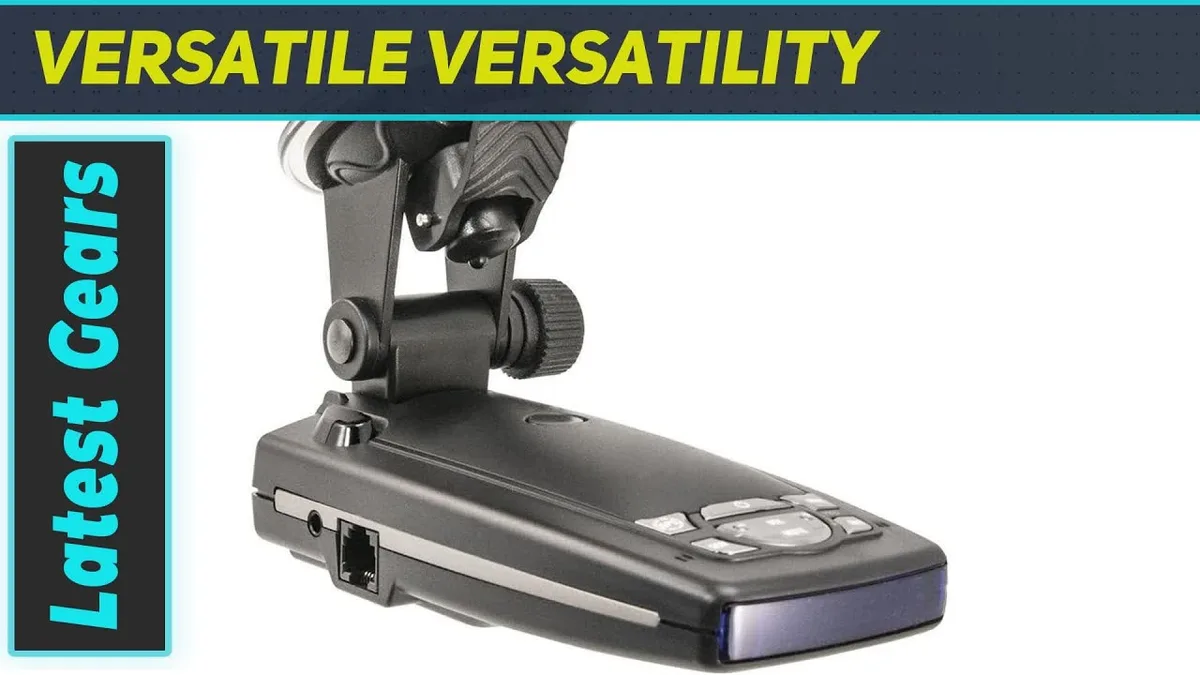
YouTube / Gadget Reviews (YouTube thumbnail (fair-use with source credit))
Why Guam's Radar Detector Laws Are Different
Guam operates under a unique legal framework that blends U.S. federal law with territorial statutes. Understanding this distinction matters because it affects your rights and responsibilities as a driver.
Guam became a U.S. territory in 1898 following the Treaty of Paris. The island operates under the Guam Code Annotated, which serves as the territory's primary legal framework. Federal laws apply when Congress explicitly extends them to Guam.
However, many traffic regulations remain solely under territorial jurisdiction.
This means radar detector laws in Guam don't automatically follow mainland U.S. patterns. States like Virginia and Washington ban radar detectors entirely. California restricts them on commercial vehicles.
Guam takes a middle approach, but one that requires careful navigation.
The Guam Police Department enforces traffic laws across the island. Their approach to radar detector violations depends on several factors. Vehicle type plays a major role.
Location matters too. Military zones receive special attention.
Federal regulations come into play primarily for commercial vehicles. The Federal Motor Carrier Safety Administration sets rules for interstate and intraterritorial commercial transportation. These rules override local laws when they conflict.
Passenger vehicle drivers generally face only territorial laws. However, federal restrictions apply near military installations. Andersen Air Force Base and Naval Base Guam create zones where radar detection equipment faces additional scrutiny.
When you're considering radar detector laws by state, Guam deserves its own category. The territory's hybrid legal status creates nuances that mainland drivers might not anticipate.
The Exact Legal Status in Guam (Passenger vs. Commercial)
The legal landscape divides sharply between passenger and commercial vehicles. Understanding this distinction protects you from unintended violations.
Passenger Vehicles: Generally Legal
Personal cars, SUVs, and motorcycles face few restrictions on radar detector use in Guam. The Guam Code Annotated doesn't explicitly prohibit these devices for private drivers. This aligns with most U.S. states that permit radar detectors.
Drivers should still exercise caution. Mounting the device properly matters. Visibility to law enforcement creates potential complications.
Discreet placement reduces unnecessary attention during traffic stops.
Commercial Vehicles: Explicitly Prohibited
Commercial trucks, buses, and delivery vehicles face a different reality. Federal regulations prohibit radar detectors in commercial motor vehicles weighing over 10,000 pounds. This applies throughout U.S. territories, including Guam.
The FMCSA maintains this prohibition to ensure safety compliance. Commercial drivers must rely on speed limiters and electronic logging devices instead of detection equipment.
| Vehicle Type | Radar Detector Status | Governing Authority |
|---|---|---|
| Personal car | Legal | Guam territorial law |
| SUV | Legal | Guam territorial law |
| Motorcycle | Legal | Guam territorial law |
| Commercial truck (10,000+ lbs) | Prohibited | Federal FMCSA regulations |
| Delivery van (commercial use) | Prohibited | Federal FMCSA regulations |
| Bus | Prohibited | Federal FMCSA regulations |
What Counts as a Commercial Vehicle?
The definition matters more than you might expect. A vehicle used for business purposes faces commercial restrictions regardless of weight. This includes:
- Ride-sharing vehicles operating for profit
- Delivery vans used by small businesses
- Trucks towing commercial trailers
- Vehicles displaying business signage
Even personal vehicles used occasionally for business may face commercial classification during enforcement encounters.
Military and Government Radar Restrictions You Need to Know
Guam hosts significant military installations that create special considerations for radar detector use. These restrictions exist for national security reasons.
Andersen Air Force Base and Naval Base Guam operate critical aerospace and naval operations. Both installations create surrounding zones where radar detection equipment faces heightened restrictions. Federal law prohibits radar jamming or interference near military facilities.
While detection alone doesn't interfere, the presence of such devices near these bases draws additional scrutiny.
Military installations establish security perimeters where certain equipment usage becomes restricted. These zones often extend beyond base boundaries. Drivers should be aware when approaching these areas.
Federal statutes protect military operations from electronic interference. Radar detectors operating near sensitive installations could theoretically trigger security concerns. Law enforcement takes these threats seriously.
Move over laws for emergency vehicles demonstrate how traffic and security laws intersect. Similar principles apply near military installations in Guam.
Practical Implications for Drivers
If you drive near military facilities, extra caution serves you well. Consider these guidelines:
- Store radar detectors out of sight when near bases
- Avoid visible mounting positions in restricted zones
- Be prepared to explain equipment during stops
- Check posted signage for security area notifications
YouTube / BFBS Forces News (YouTube thumbnail (fair-use with source credit))
What Happens If You Get Caught?
Understanding enforcement consequences helps you make informed decisions. Violations carry real penalties that extend beyond simple fines.
Civil Penalties and Fines
Radar detector violations in Guam result in civil penalties rather than criminal charges for most offenses. Fines typically range from $50 to $500 depending on circumstances. Commercial vehicle violations carry higher penalties due to federal involvement.
Repeat offenders face escalating fines. Courts may also order device confiscation. Payment plans sometimes exist for those unable to pay immediately.
Device Confiscation
Law enforcement officers can seize radar detectors during traffic stops. This applies whether the device is legal or illegal for your vehicle type. Officers typically provide documentation explaining the seizure reason.
Reclaiming confiscated equipment requires appearing in court or contacting the appropriate agency. Some jurisdictions return devices after fines are paid. Others permanently confiscate them.
Impact on Driving Records
Traffic violations in Guam can affect your driving record. While radar detector citations don't typically add points, they still appear on your record. Insurance companies may view these citations negatively during policy renewals.
Commercial drivers face additional consequences. Federal violations can affect commercial driver's license status. This creates career implications beyond the immediate fine.
Police Interaction Guidelines
If stopped with a radar detector, your behavior matters. Remain calm and cooperative. Explain your device honestly.
Ask about the specific violation rather than arguing.
Understanding handheld driving bans shows how traffic stops involve multiple legal considerations. Similar complexity exists with radar detector stops.
Defending Against Citations
Some drivers contest radar detector violations. Success depends on understanding the specific law cited and gathering supporting evidence. Consulting legal resources helps identify potential defenses.
Common defense strategies include:
- Challenging the officer's interpretation of vehicle classification
- Questioning whether the device was actually in use during the violation
- Demonstrating compliance with all applicable laws
- Noting procedural errors during the citation process

YouTube / Steve Sun Guam (YouTube thumbnail (fair-use with source credit))
How Guam's Laws Compare to the U.S. Mainland
Comparing Guam's approach to mainland states provides useful context. These differences matter for travelers and relocating residents.
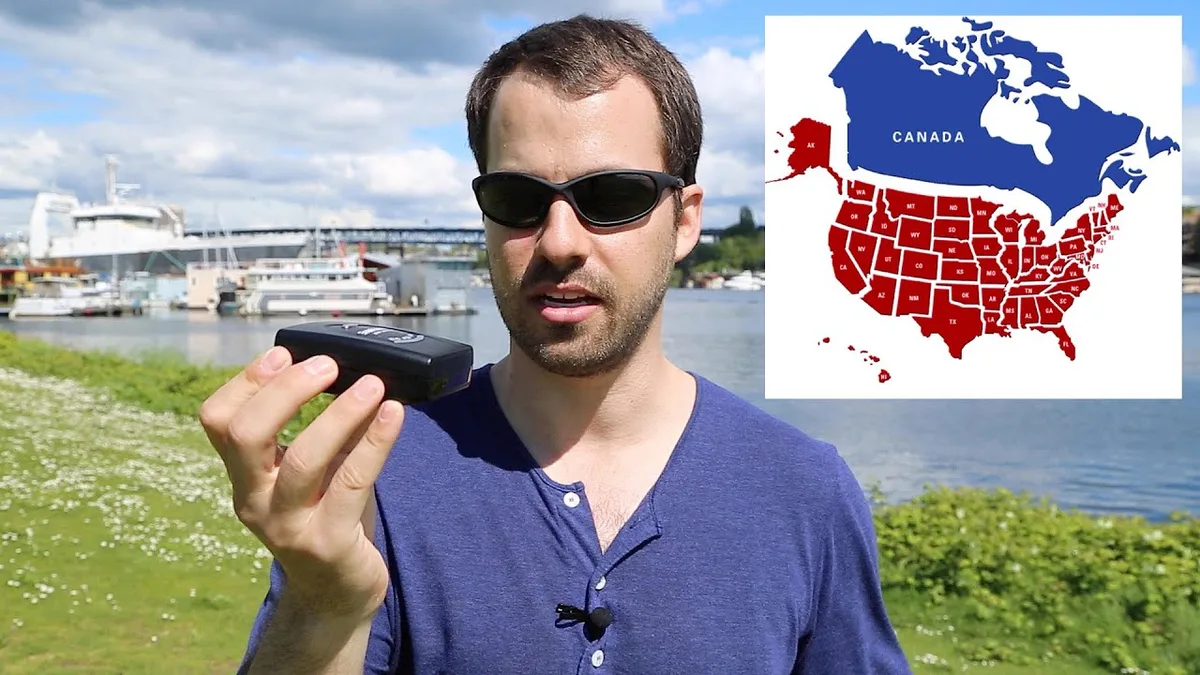
Virginia and Washington prohibit radar detectors for all vehicles. These states take the strictest approach. Drivers visiting from Guam should remove detectors before entering these states.
Most mainland states follow California's model. Personal vehicles can use detectors. Commercial vehicles cannot.
This matches Guam's approach for commercial vehicles. The similarity reduces confusion for cross-border travelers.
Twenty-eight states allow radar detectors in all vehicles. These include Texas, Florida, and New York. Drivers from these states find Guam's rules familiar for personal vehicles.
| Region | Passenger Vehicles | Commercial Vehicles |
|---|---|---|
| Guam | Legal | Prohibited |
| Virginia | Prohibited | Prohibited |
| Washington | Prohibited | Prohibited |
| California | Legal | Prohibited |
| Texas | Legal | Legal |
YouTube / Vortex Radar (YouTube thumbnail (fair-use with source credit))
Travelers and Relocating Residents
Drivers moving between Guam and the mainland face changing legal landscapes. What's legal in Guam may not be legal elsewhere. Planning ahead prevents unintended violations.
Consider these scenarios:
- Driving a Guam-registered vehicle to Hawaii
- Renting a mainland vehicle while visiting Guam
- Shipping a vehicle between territories
- Flying into Guam with a detector in checked luggage
Each situation involves different legal considerations. Understanding them protects you from violations.

YouTube / FortNine (YouTube thumbnail (fair-use with source credit))
Are There Any Exceptions or Gray Areas?
Rental vehicles create the most common gray area. Most rental agreements prohibit radar detectors. Companies often include clauses that make you liable for any citations.
Check your contract before installing any device.
Government vehicles present another exception. Guam's official fleet follows different rules than private transportation. This includes municipal buses and public works trucks.
Employees should consult their agency's specific policies.
Private Property and Parking Lots
Radar detectors on private property face different considerations. Shopping centers and business parking lots often have their own speed enforcement. Guam law typically doesn't restrict detector use in these areas.
However, property owners can ban them through posted rules.
Temporary Visitors and Tourists
Tourists driving in Guam should follow the same rules as residents. Rental car companies usually advise against detector use. Some may even remove them if discovered during vehicle inspection.
The risk often outweighs the benefit for short-term visitors.

YouTube / Vehicle Virgins (YouTube thumbnail (fair-use with source credit))
How to Check for Updates Before You Drive
Guam's traffic laws can change. The Guam Code Annotated receives periodic updates. Checking current statutes prevents unexpected violations.
The Guam Department of Revenue and Taxation maintains vehicle regulations. Their website posts current traffic laws. The Guam Police Department also publishes enforcement guidelines.
Both sources provide authoritative information.
Legal databases track territorial law changes. These services often require subscriptions. Public libraries sometimes provide access.
For most drivers, official government sources suffice.
Community resources can help too. Local driving schools stay current on traffic regulations. They often share updates through social media.
Community forums provide real-world experiences. These sources supplement official information.
Best Practices If You Decide to Use One
If you choose to use a radar detector in Guam, follow these guidelines. They minimize legal risks and improve safety.
Mount the detector where it doesn't obstruct your view. Guam law requires clear visibility through all windows. Use manufacturer-approved mounting systems.
Avoid placing devices on dashboards where they could become projectiles.
Keep the detector out of plain sight. This reduces the chance of drawing law enforcement attention. Some drivers use remote-mounted systems.
Others choose models with stealth features.
Update your detector's database frequently. Radar technology evolves constantly. New enforcement methods emerge regularly.
Most manufacturers offer free updates through their websites.
Remember that radar detectors don't guarantee protection. They can miss certain enforcement methods. Some police vehicles use instant-on radar.
Others employ laser technology that's harder to detect. Always drive responsibly regardless of equipment.
Frequently Asked Questions
Can I use a radar detector in my rental car in Guam?
Most rental agreements prohibit radar detectors. Companies often include clauses making you liable for citations. Check your contract before installing any device.
Violating the agreement could result in additional fees.
Do radar detectors work against Guam's speed cameras?
Radar detectors don't detect speed cameras. These systems use different technology. Some high-end detectors include camera database alerts.
Regular updates are essential for accuracy.
What's the fine for using a radar detector in a commercial vehicle?
Federal regulations set fines for commercial vehicle violations. These typically range from $275 to $11,000 depending on circumstances. The FMCSA maintains current penalty schedules.
Commercial drivers should consult federal guidelines.
Can police confiscate my radar detector even if it's legal?
Yes, officers can confiscate detectors during traffic stops. This applies regardless of legality. They typically provide documentation explaining the reason.
You may need to appear in court to reclaim the device.
Are laser jammers legal in Guam?
Laser jammers face different regulations than radar detectors. Guam law doesn't explicitly address them. However, federal law prohibits interfering with police equipment.
This creates legal uncertainty for jammer use.