ByMax Lee
Guam Helmet Law for Riders Under 18
If you're riding a motorcycle in Guam and you're under 18, the rules around helmets are strict. The Guam motorcycle helmet law for riders under 18 years old requires all minors to wear a DOT-approved helmet while operating or riding on a motorcycle. This isn't optional.
Law enforcement takes it seriously, and breaking the law can result in fines, legal complications, and more importantly, serious head injuries.
According to the Guam Department of Transportation and NHTSA guidelines, helmet use reduces the risk of fatal head injuries by about 37%. That statistic matters because most young riders are still learning to handle two wheels on tropical roads. Understanding the law isn't just about avoiding a ticket, it's about making sure every trip home stays safe.
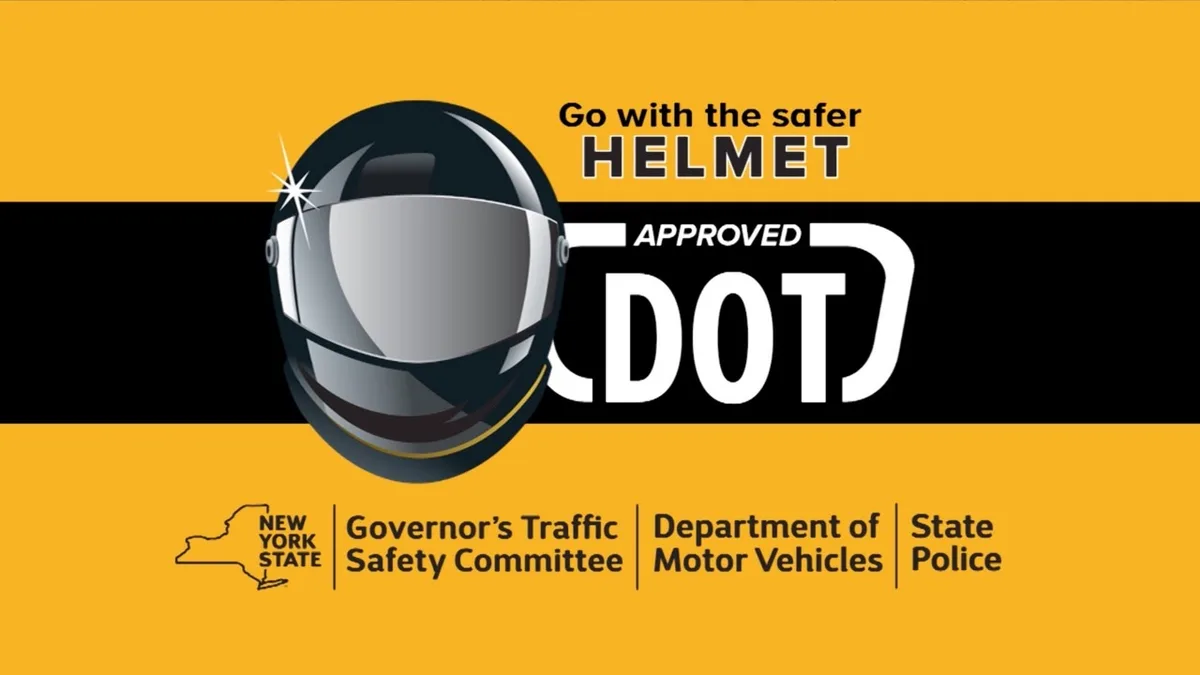
YouTube / NYS DMV (YouTube thumbnail (fair-use with source credit))
Quick Answer
Yes. All motorcycle riders under 18 in Guam must wear a DOT-approved helmet. The law applies to both operators and passengers.
Helmets must meet FMVSS 218 standards. Fines apply for violations.
Does Guam Require Helmets for Riders Under 18?
Yes. Guam mandates helmet use for anyone under 18 operating or riding a motorcycle. The rule covers all public roads, highways, and streets within the territory.
There are no exemptions for experienced riders or short trips.
The law exists to protect young riders. Research shows that riders under 18 are especially vulnerable to head trauma. Their neck muscles are still strengthening, and their skulls aren't fully hardened.
A properly fitted helmet can absorb impact that would otherwise cause severe injury or death.
Guam's requirement aligns with broader U.S. motorcycle safety trends. Territories with universal helmet laws report lower fatality rates among teenage riders. That's why the rule remains firm.
Parents should treat it as non-negotiable, just like wearing seatbelts in a car.
Why This Law Exists and Who It Protects
Motorcycle accidents hit differently than car crashes. Riders have no metal frame around them, so their heads take the brunt of any impact. NHTSA data indicates that head injuries account for roughly 40% of motorcycle fatalities.
Helmets cut that risk significantly when worn correctly.
The law protects teens specifically because they're new to riding. Inexperience plays a major role in motorcycle accidents. Young riders haven't built the reflexes or road awareness that come with time.
They also tend to underestimate risks. A helmet gives them a safety buffer while they learn.
Beyond safety, the law shields families from devastating medical bills. A single brain injury can cost hundreds of thousands in treatment. Insurance rarely covers everything.
By requiring helmets, Guam reduces the chance of those catastrophic outcomes.
The statute also benefits law enforcement. Clear helmet laws make enforcement straightforward. Officers can spot non-compliance easily.
That consistency deters risky behavior across the board.
Guam's Exact Helmet Requirements for Minors
The helmet must be DOT-approved. That means it meets Federal Motor Vehicle Safety Standard 218. You can verify approval by looking for the DOT sticker on the back of the helmet.
No sticker equals no legal protection.
The helmet must also fit properly. A loose helmet can fly off during a crash. A tight one causes discomfort and distraction.
Measure your head circumference and compare it to the manufacturer's size chart. You should feel snug pressure all around, not pinching spots.
Chin straps must be fastened at all times. An unfastened strap turns the helmet into a liability. It won't stay in place during an impact.
Make sure the buckle clicks securely and the strap sits close to your jaw.
Here's a quick reference for what qualifies:
| Requirement | What It Means |
|---|---|
| DOT Certification | FMVSS 218 compliant with visible label |
| Proper Fit | Snug around entire head without pressure points |
| Fastened Strap | Buckle secured at all times while riding |
| Age Coverage | All riders under 18, no exceptions |
These requirements apply regardless of whether you hold a motorcycle license. Minors must comply even during learner permit phases. The law prioritizes head protection over licensing status.
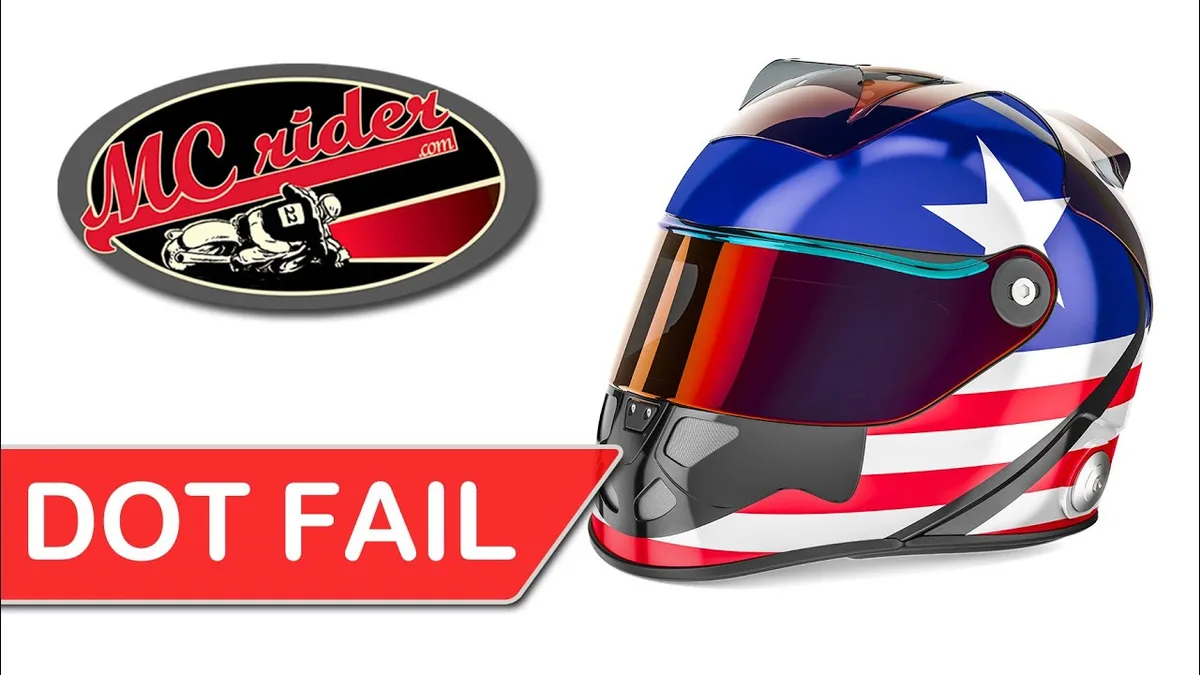
YouTube / Rocky Mountain ATV MC (YouTube thumbnail (fair-use with source credit))
What Counts as a Legal Helmet in Guam?
Not every helmet on the market meets Guam's standards. Novelty helmets, half helmets, and decorative caps often lack proper impact absorption. They might look cool, but they won't protect you in a crash.
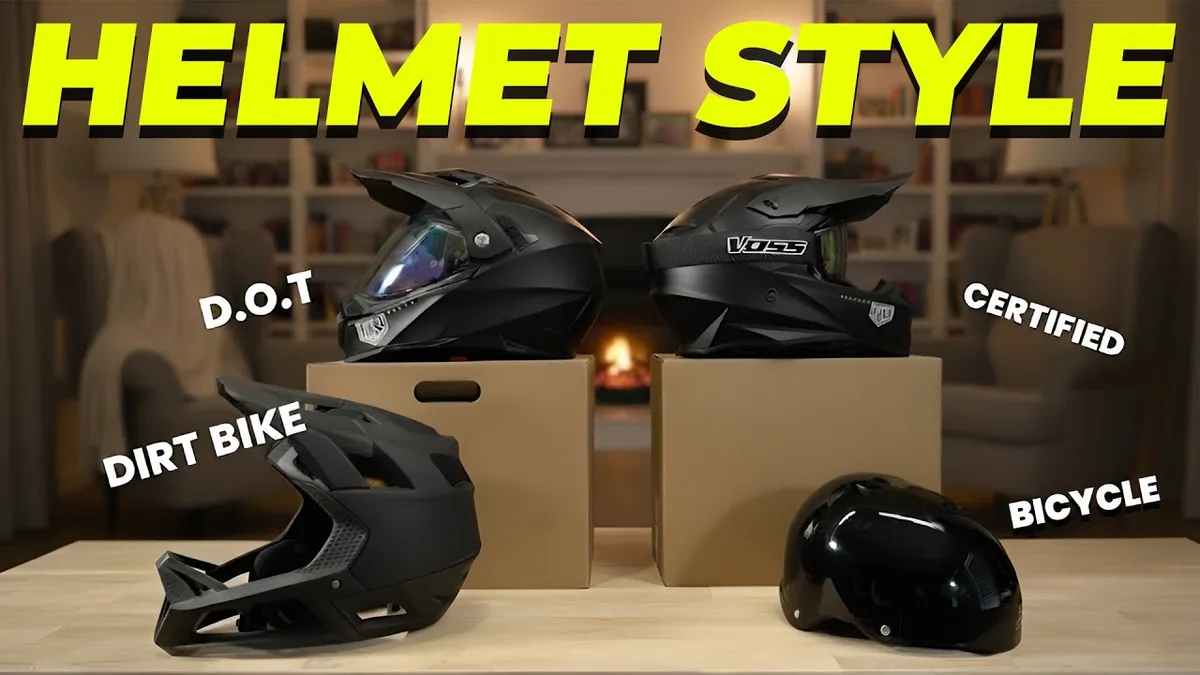
DOT-approved helmets come in several styles. Full-face models offer the most coverage. They protect your jaw and face in addition to the top of your head.
Open-face helmets cover the skull but leave your face exposed. Both can be legal as long as they carry the DOT certification.
When shopping, look for these markers:
- DOT sticker on the rear exterior
- Label inside the helmet indicating FMVSS 218 compliance
- Dense foam liner that doesn't compress easily
- Sturdy shell made of fiberglass, polycarbonate, or composite materials
Avoid helmets without clear certification labels. Online marketplaces sometimes sell counterfeit products. Stick to reputable brands and authorized dealers.
How the Law Is Enforced (and the Penalties for Breaking It)
Guam police actively enforce helmet laws. Officers can pull you over if they observe a rider without a helmet or with an improperly secured one. The stop doesn't require suspicion of another crime.
Helmet compliance stands on its own as a traffic violation.
Penalties for breaking the law vary. First-time offenders typically face fines between $50 and $150. Repeat violations can increase costs.
In some cases, officers may issue warnings for minor infractions like an unfastened strap, but that's not guaranteed.
More serious consequences arise if an unhelmeted rider causes an accident. Liability shifts dramatically when safety equipment was ignored. Insurance claims get contested.
Court appearances become likely.

YouTube / kuamnews (YouTube thumbnail (fair-use with source credit))
Common Mistakes That Get Riders in Trouble
Even conscientious riders slip up sometimes. Here are the most frequent violations:
- Wearing a helmet without the DOT label
- Leaving the chin strap unbuckled
- Using a helmet that's too old or damaged
- Buying a cheap knockoff online
- Assuming passengers over 18 don't need helmets (they do if under 18)
Each mistake carries the same risk. Officers don't care about intent. They see a violation and issue a citation.
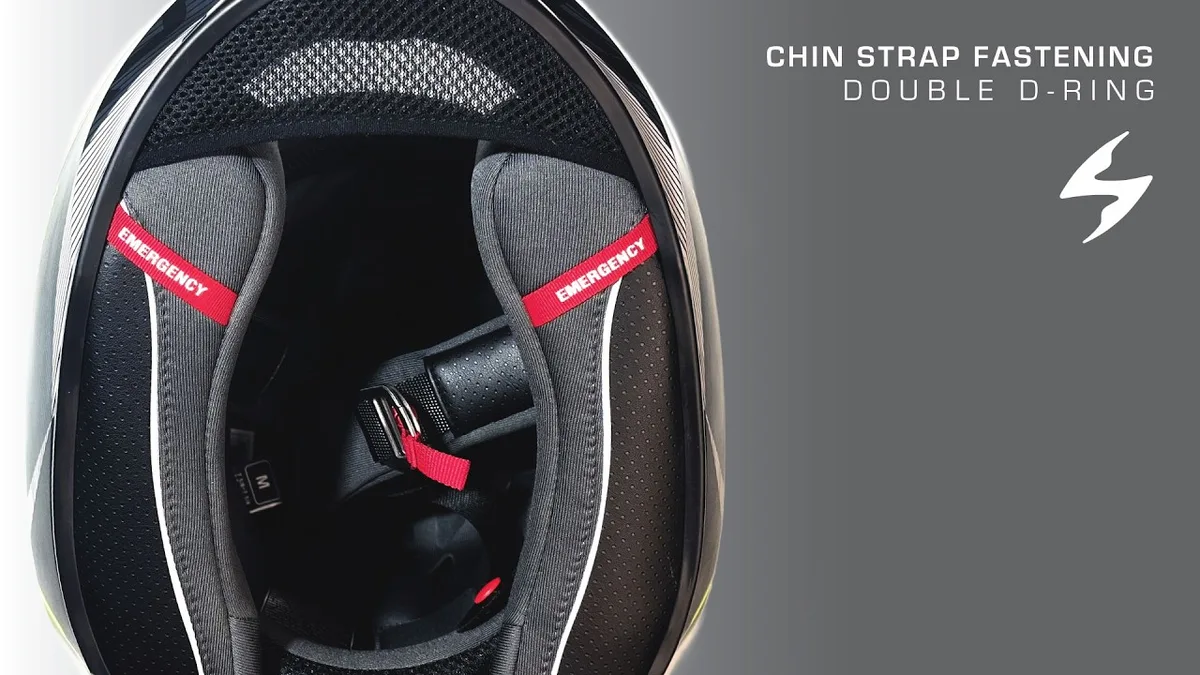
YouTube / ScorpionEXO (YouTube thumbnail (fair-use with source credit))
Check the certification sticker. Ensure the strap clicks firmly. Replace helmets after any impact, even if damage isn't visible.
Foam degrades internally. That degraded foam won't protect you when you need it most.
What Parents and Young Riders Need to Do
Compliance starts at home. Parents should verify helmet quality before allowing any ride. Walk through the checklist together: DOT label present, proper fit confirmed, strap functional.
Make it a routine, not a one-time discussion.
Young riders should take ownership of their gear. They'll ride more often and for longer periods. Familiarity with their helmet's condition builds good habits.
Teach them to self-inspect before mounting the bike.
Consider enrolling in a motorcycle safety course. Many programs cover helmet selection and proper usage. Certified instructors can spot fit issues that parents might miss.
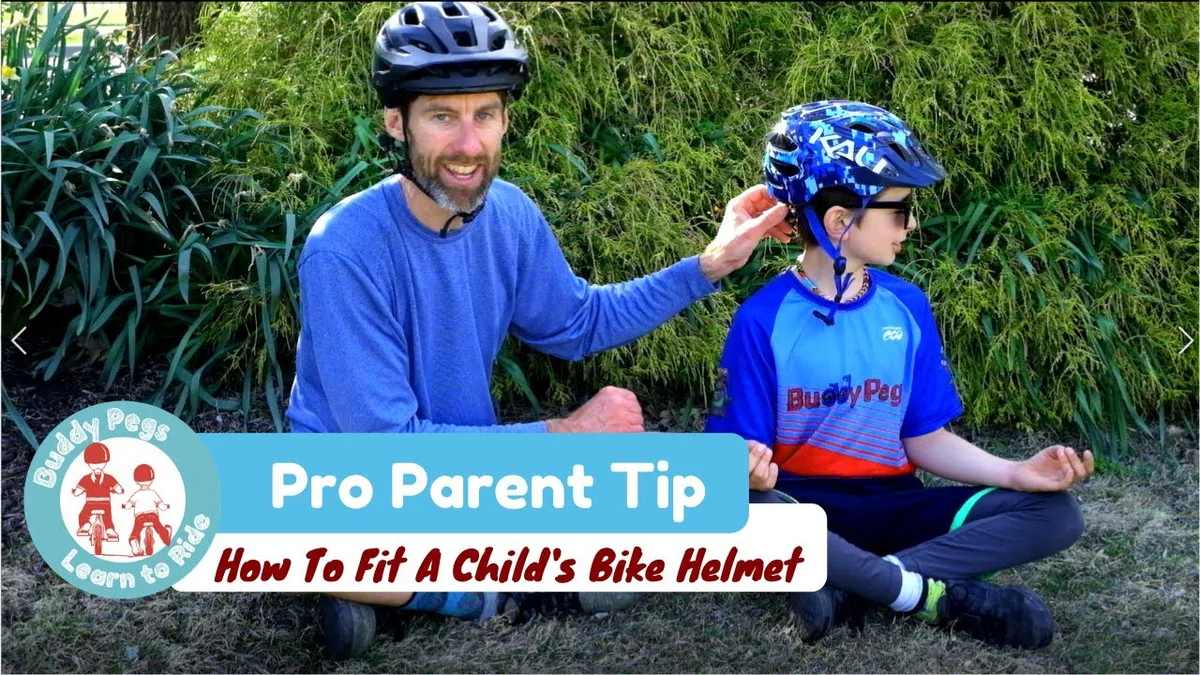
YouTube / Pedal Kids USA / Buddy Pegs Media (YouTube thumbnail (fair-use with source credit))
How Guam's Law Compares to Other Places
Helmet laws differ across jurisdictions. Some states require helmets for all riders. Others only mandate them for minors.
Guam falls into the minors-only category, similar to several other U.S. territories.
Compare this to states with universal helmet laws. Those places report lower teenage fatality rates overall. But Guam's targeted approach still captures the most vulnerable demographic.
Teens lack the experience and judgment of adults. Protecting them specifically makes sense.
If you're traveling from another region, check local requirements before riding. Bringing a helmet that meets your home state's standards might not satisfy Guam's DOT rule. Always verify certification labels when crossing jurisdictional lines.
YouTube / Easy Bike Guide (YouTube thumbnail (fair-use with source credit))
Frequently Asked Questions
Are there any exceptions to the helmet law for minors?
No. Guam's motorcycle helmet law has no exceptions for riders under 18. This applies whether you're licensed, on a permit, or just learning.
What kind of helmet is legal for riders under 18?
The helmet must meet FMVSS 218 standards set by the Department of Transportation. Look for a DOT certification label on the back. Full-face and open-face helmets are both legal as long as they carry proper certification and fit correctly.
How much is the fine for not wearing a helmet?
Fines typically range from $50 to $150 for first-time offenses. Repeat violations or accidents involving non-compliance can lead to higher penalties.
Does the law apply to electric bicycles or mopeds?
No. Guam's helmet law specifically covers motorcycles and motor-driven cycles. Electric bicycles and low-speed mopeds may fall under different regulations.
Can I ride without a helmet if I'm turning 18?
Yes. Once you turn 18, the helmet mandate no longer applies. However, wearing a helmet remains one of the most effective ways to prevent serious head injuries.
What should I do if my helmet is damaged?
Replace it immediately. Even minor cracks or dents compromise structural integrity. Do not attempt repairs.
Invest in a new certified helmet right away.