ByMax Lee
New Mexico Horse-Drawn Vehicle Highway Rules
New Mexico horse drawn vehicle highway sharing rules can be confusing, especially when you're trying to balance tradition with modern traffic laws. Whether you're driving a carriage for tourism, farming, or cultural reasons, knowing the exact requirements keeps you legal and safe on the road.
Per New Mexico Statutes Annotated (NMSA) 1978, Chapter 66, horse-drawn vehicles must follow specific visibility and right-of-way rules to share highways safely. Here’s what you need to know as of 2026.
YouTube / KSAT 12 (YouTube thumbnail (fair-use with source credit))
Quick Answer
New Mexico horse drawn vehicle highway sharing rules require slow-moving vehicle (SMV) signage. You must stay as far right as practicable. Night travel demands proper lighting.
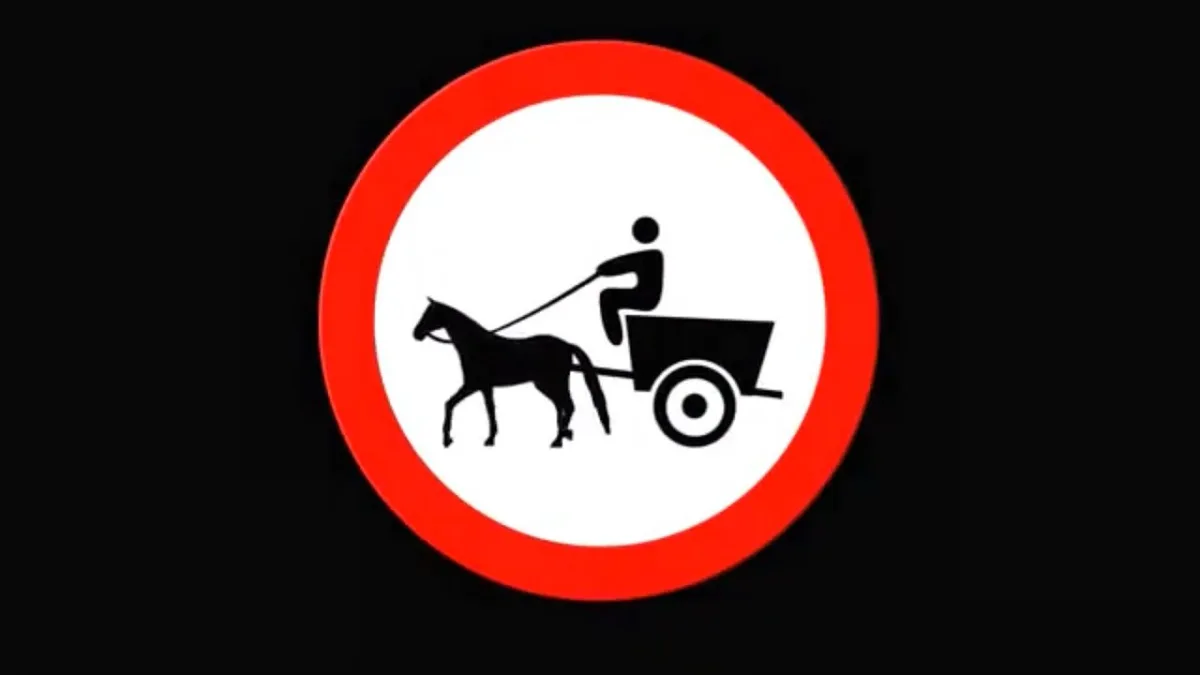
Some highways prohibit animal-drawn vehicles entirely.
Why These Rules Matter for Safety and Compliance
Horse-drawn vehicles share the road with cars traveling at high speeds. This creates unique risks without clear regulations.
New Mexico’s laws exist to protect both the animals and other drivers. The New Mexico Department of Transportation (NMDOT) enforces these regulations to ensure visibility and predictable behavior on public roads.
The Core Legal Requirements in New Mexico
New Mexico treats horse-drawn vehicles as slow-moving vehicles under state law. This means they must follow the same basic rules as farm equipment or other non-motorized transport.
Key requirements include:
- Displaying an SMV emblem on the rear
- Keeping to the right side of the roadway
- Yielding to faster traffic when safe
- Avoiding interstates and controlled-access highways
These rules apply to all animal-drawn vehicles, from Amish buggies to tourist carriages.
Slow-Moving Vehicle (SMV) Sign and Visibility Rules
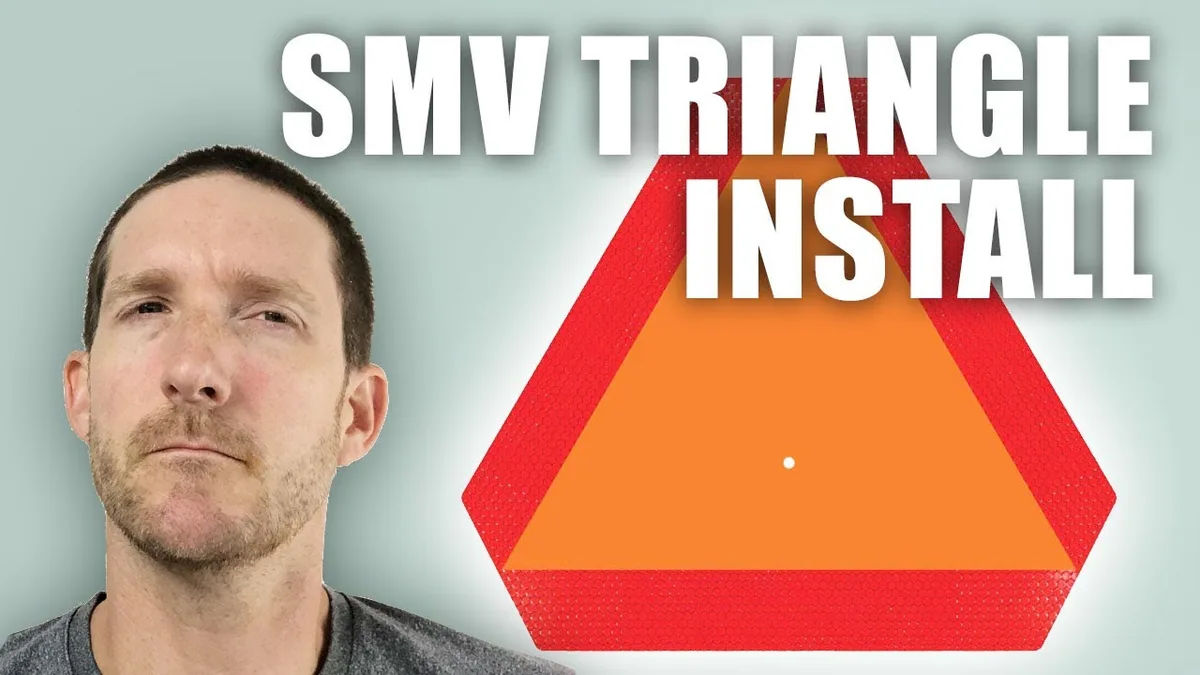
Every horse-drawn vehicle must have a bright orange triangular SMV emblem mounted on the back. This sign warns motorists that the vehicle travels under 25 mph.
The emblem must be:
- At least 14 inches tall
- Reflective for nighttime visibility
- Clean and unobstructed
YouTube / Streetwise Carts (YouTube thumbnail (fair-use with source credit))
Without this sign, you risk a traffic citation. The emblem is your first line of defense against rear-end collisions.
Right-of-Way and Lane Usage for Horse-Drawn Vehicles
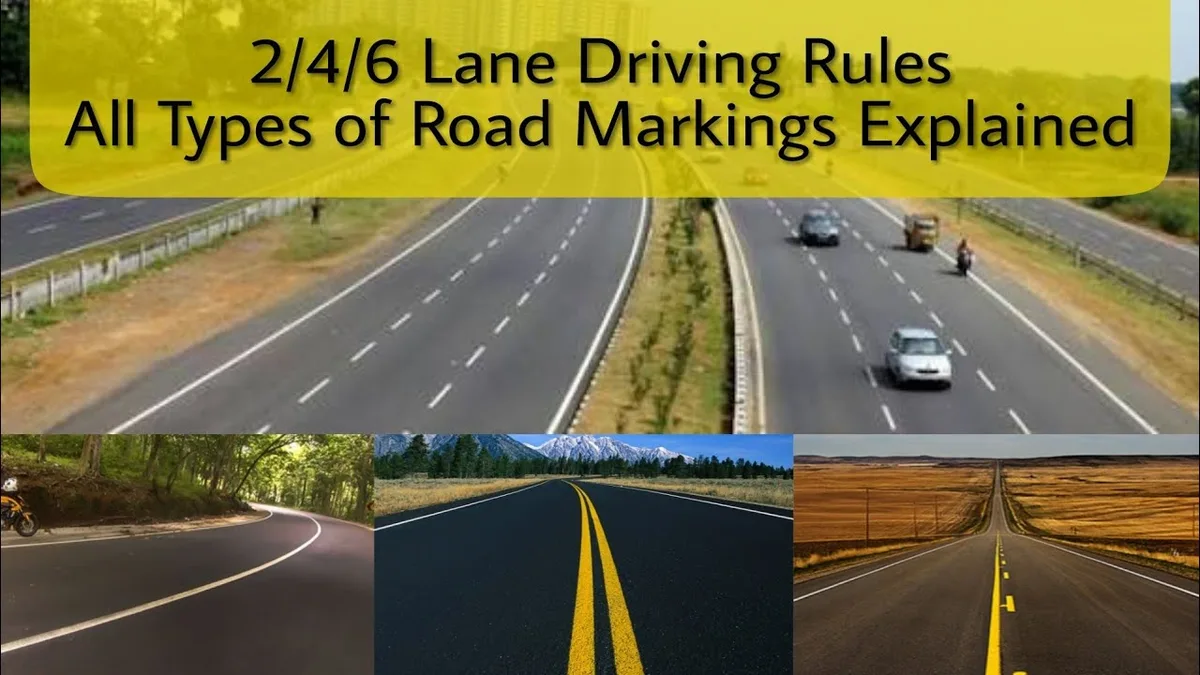
Horse-drawn vehicles must stay as far to the right as safely possible. This includes using the shoulder when it’s paved and clear.
At intersections, standard right-of-way rules apply. If you arrive first, you have the right to proceed. However, always yield to faster traffic when merging or turning.
YouTube / Driving Hub (YouTube thumbnail (fair-use with source credit))
Never assume motorists see you. Make eye contact when possible, and use hand signals for turns. If a line of cars builds up behind you, pull over at the first safe opportunity to let them pass.
If the shoulder is unusable, stay in the right lane and let faster traffic pass when safe.
Where You Can (and Can’t) Drive a Horse-Drawn Vehicle in NM
Horse-drawn vehicles are generally allowed on most public roads, but there are restrictions.
You cannot operate them on:
- Interstates (I-25, I-40, I-10)
- Controlled-access highways
- Roads with posted minimum speed limits above 25 mph
YouTube / BBT (Do Not Terminate) (YouTube thumbnail (fair-use with source credit))
Local ordinances may add further restrictions, especially in urban areas. Always check with the NMDOT or county authorities before traveling on unfamiliar roads. Rural routes are typically the safest and most accommodating for horse-drawn traffic.
Tourist areas like Santa Fe’s historic district often have special provisions for carriage operations.
Nighttime and Low-Visibility Safety Requirements
Operating a horse-drawn vehicle after dark requires extra precautions. New Mexico law mandates:
- A white light visible from at least 500 feet to the front
- A red light visible from at least 500 feet to the rear
- Reflectors on both sides and the rear
Wikimedia Commons / NASA Earth Observatory image by Jesse Allen and Robert Simmon, using Suomi NPP VIIRS and DMSP OLS data provided courtesy of Chris Elvidge (NOAA National Geophysical Data Center). Caption (EN) by Mike Carlowicz.
Lanterns or battery-powered LED lights are common solutions. The lights must be mounted high enough to be visible over the vehicle’s load. Reflectors should be placed on the wheels and rear to catch headlights from any angle.
Failing to meet these requirements can result in fines and increases the risk of accidents. Dawn and dusk are particularly dangerous times, so ensure your lighting is functional before the sun sets.
Common Mistakes That Lead to Fines or Accidents
Many violations stem from simple oversights. The most frequent issues include:
- Missing or obscured SMV emblems
- Inadequate lighting at night
- Failing to yield to faster traffic
- Driving on prohibited highways
- Not using hand signals for turns
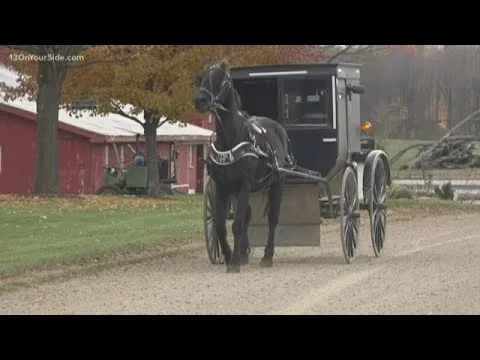
YouTube / 13 ON YOUR SIDE (YouTube thumbnail (fair-use with source credit))
Another common mistake is overloading the vehicle, which can make it harder to control. Always check your harness and equipment before each trip. Regular maintenance prevents breakdowns that could leave you stranded on a busy road.
Motorists also make errors when sharing the road with horse-drawn vehicles. Passing too closely or honking excessively can spook the animals. The safest approach is to slow down and pass only when you have a clear view of oncoming traffic.
Special Cases: Tourist Carriages, Farms, and Amish Communities
Different groups use horse-drawn vehicles for different purposes. Tourist operators, farmers, and Amish communities all face unique situations on New Mexico roads.
Tourist Carriages in Historic Districts
Cities like Santa Fe and Las Vegas allow horse-drawn carriages for tourist rides. These operators often follow additional local rules:
- Designated pickup and drop-off zones
- Time restrictions during peak traffic
- Mandatory registration and permits
Commercial operators must also ensure their vehicles meet all state safety requirements.
Farm and Ranch Use
Farmers and ranchers frequently use horse-drawn wagons for field work and short-distance transport. When crossing public roads, they must:
- Yield to highway traffic
- Display the SMV emblem
- Use proper lighting if traveling at dawn or dusk
Some counties offer exemptions for short distances on low-traffic roads, but state law still applies on highways.
Amish Communities in New Mexico
Amish settlements in northern New Mexico rely heavily on horse-drawn buggies for daily transportation. These communities have navigated highway sharing for generations.
Key practices include:
- Traveling in groups when possible
- Using reflective tape on dark buggies
- Teaching children road safety early
The Amish benefit from rural roads with lower traffic volumes, but they still must obey all New Mexico vehicle codes when on state highways.
What to Do If You’re in an Accident or Stopped by Police
Accidents with horse-drawn vehicles require careful handling. First, ensure everyone’s safety before taking any other action.
If You’re in a Collision
Move your vehicle to the shoulder if possible. Check for injuries to your horse and passengers. Call 911 immediately if anyone is hurt.
Exchange information with the other driver. Take photos of the scene, including any damage to your vehicle and the other party’s car.
If Stopped by Law Enforcement
Stay calm and follow officer instructions. Have your registration and identification ready.
Officers may check for:
- SMV emblem placement and condition
- Proper lighting and reflectors
- Vehicle safety and harness condition
How Motorists Should Share the Road with Horse-Drawn Vehicles
Drivers encounter horse-drawn vehicles most often on rural roads. Understanding how to share the road safely protects everyone.
Passing Safely
When approaching a horse-drawn vehicle:
- Slow down well before reaching it
- Look for a wide, straight section of road
- Wait until you have clear visibility of oncoming traffic
- Pass at least 50 feet away from the vehicle
What to Avoid
Do not:
- Honk your horn unnecessarily
- Speed past the vehicle
- Get too close while following
- Make sudden movements near the horse
Your patience prevents accidents. Most drivers can reach their destination a few minutes later without endangering anyone.
Where to Find the Official Rules and Updates
Keeping up with New Mexico’s vehicle laws ensures you stay compliant. Several official sources provide current information.
State Resources
The New Mexico Department of Transportation maintains the official traffic code. Their website includes guidance for all road users.
County Offices
Some counties have additional ordinances affecting horse-drawn vehicles. Contact your local county clerk or planning department for area-specific rules.
Legal References
The New Mexico Statutes Annotated, Chapter 66, contains the full text of vehicle laws. You can access this through the state legislature’s website or a local law library.
Quick FAQs on New Mexico’s Horse-Drawn Vehicle Laws
Do I need insurance for my horse-drawn vehicle?
New Mexico does not require liability insurance for horse-drawn vehicles. However, many operators choose to purchase coverage anyway.
Can I use my horse-drawn vehicle as a daily commute?
Yes, as long as you follow all traffic laws and your route avoids prohibited highways. Many Amish and rural residents use horse-drawn vehicles for daily travel.
What happens if my SMV emblem gets dirty or damaged?
A dirty or damaged emblem reduces your visibility and can result in a citation. Clean or replace it promptly.
Are there speed limits for horse-drawn vehicles?
Horse-drawn vehicles are classified as slow-moving vehicles traveling under 25 mph. You must stay as far right as practicable and yield to faster traffic.
Can I tow a trailer with my horse-drawn vehicle?
Yes, but the trailer must also display an SMV emblem. Combined width and length should not exceed local restrictions.