ByMax Lee
New Mexico Tractor Road Laws & Flashing Light Rules
YouTube / IL Farm Bureau (YouTube thumbnail (fair-use with source credit))
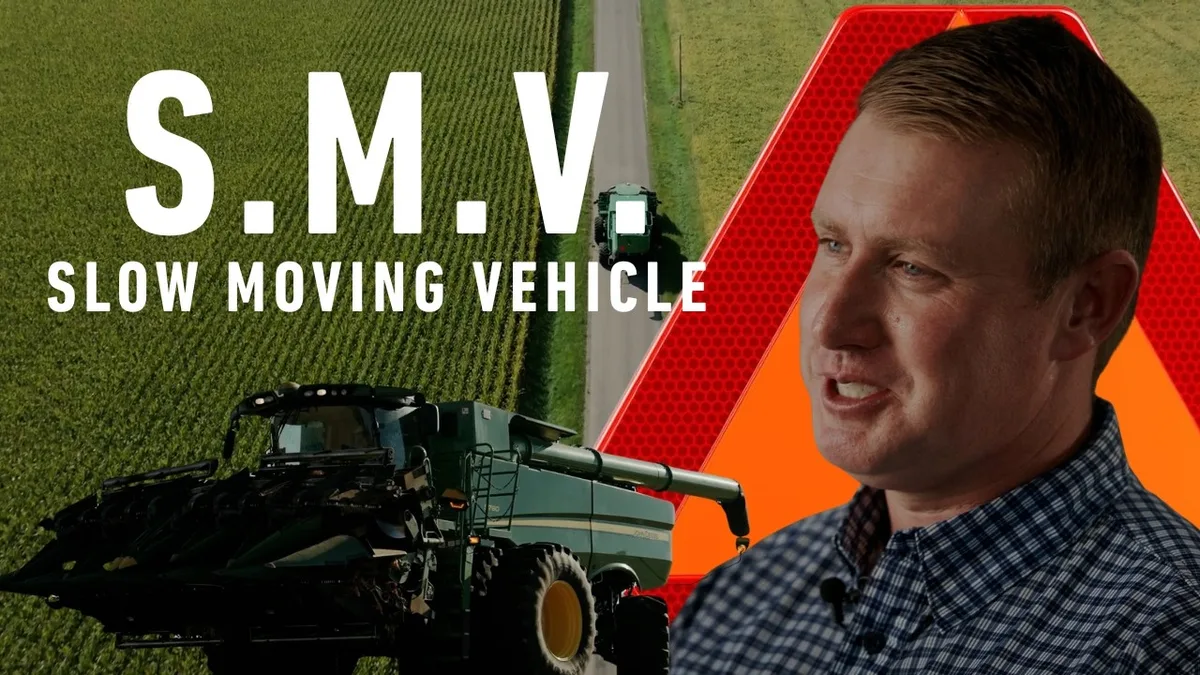
New Mexico farm tractor road use laws and flashing light requirements exist to protect both operators and other drivers on rural highways. These rules cover everything from mandatory amber lighting to the reflective orange triangle every slow-moving vehicle must display. Getting them wrong can mean fines, liability in an accident, or worse.
Per New Mexico statutes, tractors traveling on public roads must have specific lighting and visibility features. The state aligns with federal standards that require lights visible from at least 500 feet and a properly mounted SMV emblem. Understanding these rules is essential before you fire up the engine and head toward the highway.
Quick Answer: What New Mexico Requires for Tractors on Public Roads
New Mexico farm tractor road use laws and flashing light requirements are straightforward. All tractors on public roads must display an amber flashing light. A red flashing light is also required on the rear.
You must mount a reflective SMV emblem on the back. Lights need to be visible from 500 feet or more. The emblem must sit between 2 and 6 feet high.
Why New Mexico's Tractor Road Laws Matter for Safety and Compliance
Farm tractors move slowly. Most top out around 25 to 30 miles per hour. That creates a serious problem on two-lane highways where traffic moves much faster.
Without proper lighting and markings, other drivers simply cannot see the tractor in time.
New Mexico has strict rules because the state has thousands of miles of rural roads. These roads serve both high-speed traffic and agricultural equipment. The laws exist to reduce collisions and protect lives.
Non-compliance carries real consequences. Officers can issue citations for missing or improper lighting. More importantly, you face civil liability if an accident occurs.
Courts look closely at whether you followed state law.
These regulations also appear in neighboring states like other states' vehicle equipment rules. Understanding New Mexico's requirements keeps you legal whether you stay local or cross state lines.
The Core Rules: Lighting, Visibility, and SMV Emblems
Three elements form the backbone of New Mexico's tractor road rules. Each one serves a specific safety purpose. Together they make slow-moving farm equipment visible to other drivers.
Amber flashing lights signal that a vehicle is moving slower than normal traffic. These lights warn oncoming drivers to slow down and pass with care.
Red flashing lights provide rear visibility. They let drivers behind you know your position, especially at dusk or dawn.
The SMV emblem is the orange reflective triangle. It tells other motorists to expect a vehicle traveling 25 mph or less. This emblem is required even when lights are not in use during daylight hours.
All three elements must work together. Missing any single component puts you out of compliance. The lighting alone does not satisfy the law.
You need the emblem too.
When and Where These Laws Apply
These rules apply whenever you operate a tractor on any public road in New Mexico. That includes county roads, state highways, and interstate on-ramps. It does not apply to private property or maintained farm lanes.
The laws trigger when your tractor travels on a public right-of-way. This includes roads adjacent to fields and roads used to move between properties. Even a short stretch of road public highway counts.
Time of day matters for lighting. You must activate flashing lights from sunset to sunrise. Many operators choose to run them during daylight too.
This practice improves visibility significantly.
Some counties enforce stricter rules than the state minimum. Rural counties with heavy agricultural traffic often require additional lighting. Check with your local sheriff or highway patrol if you plan to travel through multiple jurisdictions.
If you also tow agricultural trailers, remember that towing compliance requirements vary by state. Ensure your tow setup meets all applicable rules.
New Mexico's Specific Flashing Light Requirements
New Mexico follows the federal standard for agricultural equipment lighting. This means your tractor needs specific light types positioned at exact locations. The National Highway Traffic Safety Administration sets the baseline that states build upon.
Your tractor must have at least one amber flashing light on the front. This light should be centered or near-centered on the cab or ROPS structure. It must flash at a rate between 60 and 120 times per minute.
A second amber flashing light is required on each side of the tractor. These side lights help drivers approaching from angles see your equipment. Many modern tractors come with factory-installed amber beacons that meet this requirement.
The rear red flashing light goes on the back of the tractor. It should be positioned between 15 and 72 inches above the ground. This light works in conjunction with the red taillights and brake lights.
All lights must be weatherproof and vibration-resistant. Road dust and moisture are constant hazards on farm equipment. Cheap lights fail quickly under these conditions.
YouTube / EIRUIYO Warning Lights (YouTube thumbnail (fair-use with source credit))
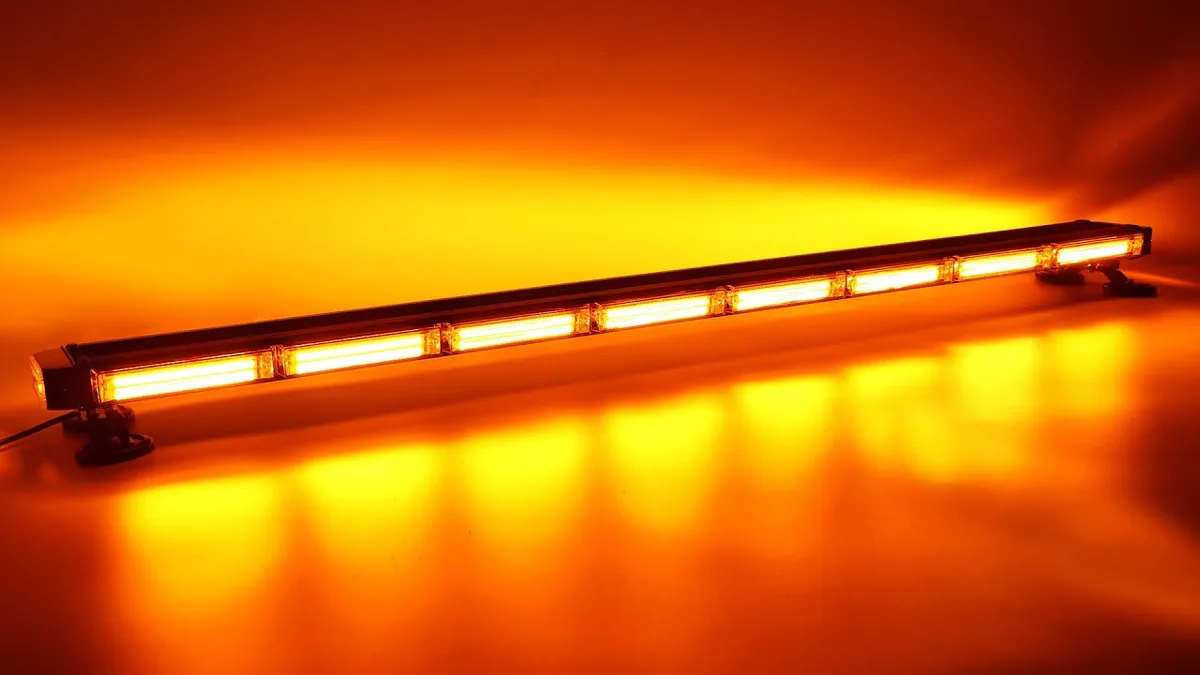
If you are upgrading an older tractor, look for LEDs. They draw less power and last longer than incandescent bulbs. Make sure any aftermarket lights carry DOT or SAE certification.
This certification confirms they meet minimum performance standards.
Consider adding a light bar if your tractor lacks integrated beacons. A quality light bar mounts to the ROPS and provides 360-degree visibility. This setup satisfies both front and side lighting requirements when properly positioned.
SMV Emblem Rules: Placement, Size, and Reflectivity
The slow-moving vehicle emblem is non-negotiable in New Mexico. Every tractor operating on public roads must carry one. The rules about this emblem are specific and leave no room for interpretation.
The emblem must be a 17-inch orange reflective triangle with a red reflective border. This is the ASABE S276.1 standard. Any emblem that does not meet this specification is not legal for road use.
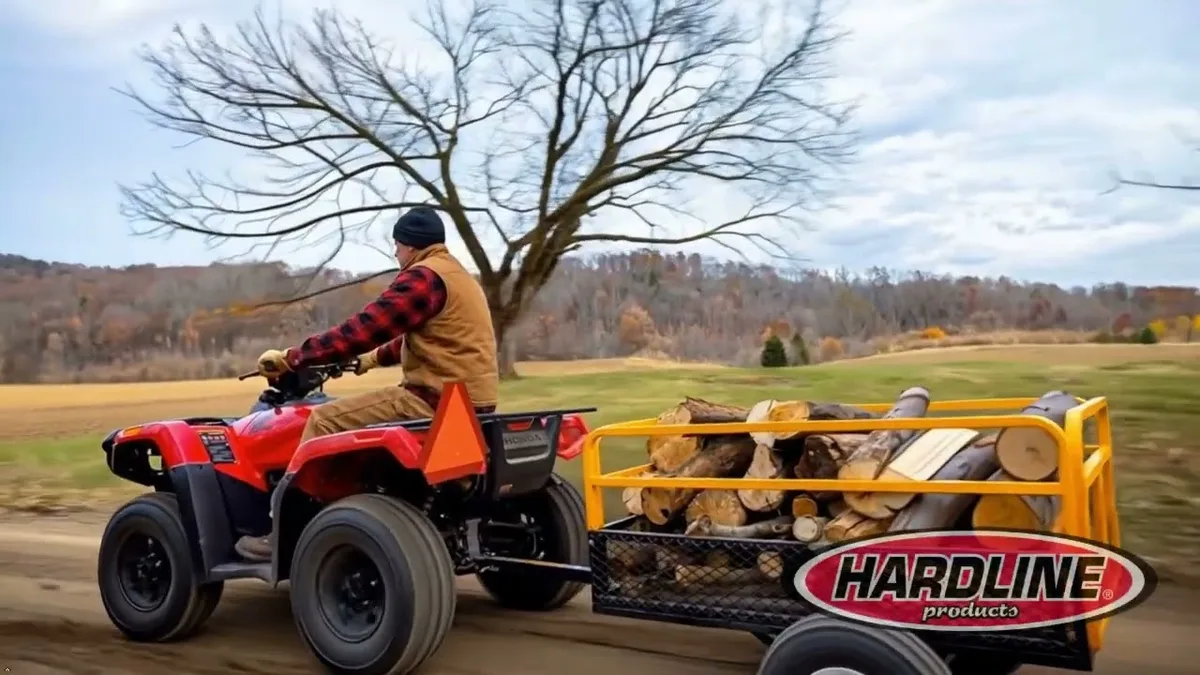
Placement matters greatly. Mount the emblem on the rear of the tractor, centered as much as possible. The bottom edge must sit between 2 and 6 feet above the ground.
This height ensures drivers can see it over bumps and vegetation.
The emblem must face directly rearward. Angled or tilted emblems reduce visibility significantly. Secure it with brackets or straps that keep it rigid and upright.
YouTube / Hardline Products® (YouTube thumbnail (fair-use with source credit))
Reflectivity is what makes the emblem useful at night and in poor weather. The orange fabric reflects headlights back to the driver. If your emblem is faded, cracked, or dirty, replace it immediately.
A worn emblem provides almost no reflection.
Keep a spare emblem in your tractor. Road debris and weather damage happen frequently. Running without a proper emblem is a citation waiting to happen.
The fix is simple, but the consequences of skipping it are not.
Speed Limits and Road Use Restrictions for Farm Equipment
New Mexico sets a maximum speed of 25 mph for farm tractors on public roads. This limit applies regardless of the tractor's capability. Some newer models can exceed this speed, but the law caps road travel at 25 mph.
You cannot operate a tractor on interstate highways unless crossing at an intersection. The state prohibits slow-moving vehicles from these high-speed roads. This restriction exists to prevent traffic hazards.
County roads often have additional rules. Some require escorts for wide loads or restrict travel during peak hours. Always check with local authorities before planning a long move.
Common Mistakes That Lead to Fines or Accidents
The most frequent violation is missing or improper SMV emblems. Many operators forget to mount one or use a faded, non-reflective version. This is an easy fix that officers check first during traffic stops.
Another common issue is non-functional flashing lights. Burned-out bulbs or disconnected wiring render your lighting system useless. Test all lights before every road trip.
Improper light placement causes problems too. Lights mounted too low or too high reduce visibility. They must be positioned between 15 and 72 inches above the ground.
Some drivers assume daylight operation exempts them from lighting requirements. New Mexico law requires the SMV emblem at all times. Flashing lights are mandatory from sunset to sunrise.

YouTube / Samat DIY (YouTube thumbnail (fair-use with source credit))
Overwidth tractors create special challenges. If your equipment exceeds 8 feet 6 inches in width, you need additional markings. Red flags or lights must mark the extreme edges during daylight.
At night, you need red lights on both sides.
How to Check if Your Tractor Meets New Mexico Standards
Start with a visual inspection of your SMV emblem. Verify it is the correct size and properly mounted. Check for cracks, fading, or dirt that reduces reflectivity.
Test all flashing lights. Turn them on and walk around the tractor. Confirm each light is visible from all angles.
Replace any bulb that is dim or non-functional.
Measure the height of your lights and emblem. Use a tape measure to ensure they fall within the required range. Adjust mounting brackets if needed.
Check your tractor's speed capability. If it can exceed 25 mph, you must still limit your speed on public roads. Consider installing a governor if you frequently travel on highways.
Review your local county ordinances. Some areas have additional requirements for agricultural equipment. A quick call to your county clerk can save you from unexpected citations.
Step-by-Step: Upgrading Your Tractor's Lighting for Compliance
First, identify what you need. Most tractors require at least one amber flashing light on the front and one red flashing light on the rear. Side lights are often necessary for full visibility.
Choose DOT-approved lights. Look for products labeled as meeting FMVSS 108 standards. These lights have been tested for brightness and durability.
Mount the front amber light on the highest point of your tractor. The ROPS structure is ideal. This position maximizes visibility for oncoming traffic.
Install side lights at approximately the same height as the front light. Space them evenly on both sides of the tractor. This creates a balanced lighting pattern.
Place the rear red light at the back center of your tractor. Ensure it is visible from directly behind and at angles. Secure it firmly to prevent vibration damage.
YouTube / A RITTER BIT WILL DO (YouTube thumbnail (fair-use with source credit))
Wire all lights to a dedicated circuit. Use weatherproof connectors and proper gauge wire. Consider adding a switch inside the cab for easy control.
Test the entire system before road use. Have someone observe from a distance to confirm visibility. Make adjustments as needed.
County-Level Variations and Stricter Local Rules
Some New Mexico counties enforce additional requirements. Bernalillo County requires escorts for equipment over 12 feet wide. San Juan County mandates extra lighting for nighttime travel.
Eddy County has specific routes designated for agricultural equipment. Travel outside these routes may require special permits. Always check with the county engineer's office.
Taos County requires reflective tape on all wide loads. This includes tractors with implements attached. The tape must be visible from all sides.
Sandoval County has time restrictions for road travel. Agricultural equipment cannot operate on county roads between 7 AM and 9 AM or 4 PM and 6 PM on weekdays.
If you frequently cross county lines, keep a list of local regulations. The New Mexico Department of Transportation maintains a directory of county contacts. A quick reference can prevent costly mistakes.
What Happens If You're Not Compliant?
You will get pulled over. Law enforcement actively watches for agricultural equipment on public roads. Missing lights or emblems are immediate red flags.
Fines start at $50 for minor violations. More serious offenses can reach $200 or more. Courts may also assess court costs and fees.
The real risk is liability. If an accident occurs and your tractor lacks proper lighting, you could be held fully responsible. Insurance may deny claims if you violated state law.
Non-compliance can also lead to equipment impoundment. Officers have the authority to prevent unsafe vehicles from continuing on public roads.
Expert Tips for Sharing the Road Safely
Use your flashing lights during daylight hours. The extra visibility costs nothing and prevents accidents. Many experienced operators run them all the time.
Keep your SMV emblem clean. Dirt and mud reduce reflectivity significantly. A quick wipe before each trip maintains its effectiveness.
Plan your route carefully. Avoid busy highways during peak traffic times. Use back roads when possible to minimize interactions with high-speed traffic.
Communicate with other drivers. A hand signal or wave acknowledges their patience. This small gesture reduces road rage incidents.
Consider adding extra reflective tape. While not required, it improves visibility at night. Apply it to the sides and rear of your tractor and any implements.
FAQs About New Mexico Farm Tractor Road Use
Do I need flashing lights on my tractor during the day?
Yes, you need amber flashing lights on the front and sides. The SMV emblem is required at all times. Red flashing lights are only mandatory from sunset to sunrise.
What is the maximum speed for a tractor on New Mexico roads?
The legal limit is 25 mph. This applies regardless of your tractor's capability. Some counties may have lower limits.
Can I drive my tractor on the interstate?
No, tractors are prohibited from interstate highways. You can only cross at designated intersections.
How high should my SMV emblem be mounted?
The bottom edge must be between 2 and 6 feet above the ground. Center it on the rear of your tractor for maximum visibility.
What color lights are required on a tractor?
Amber lights are required on the front and sides. A red light is mandatory on the rear. All must be flashing and visible from 500 feet.
Final Checklist: Are You Legal to Drive?
YouTube / SAFETY FOR ALL 01 (YouTube thumbnail (fair-use with source credit))
Verify your SMV emblem is properly mounted and clean. Check that it meets the 17-inch size requirement with reflective orange and red border.
Test all flashing lights. Confirm amber lights on front and sides, and red light on rear. Ensure they are visible from 500 feet in all directions.
Check light and emblem height. Both should be between 2 and 6 feet above ground level. Adjust mounting if necessary.
Confirm your tractor's speed capability. Remember the 25 mph limit applies on all public roads. Consider a governor if your tractor can exceed this speed.
Review local county ordinances. Some areas have additional requirements for agricultural equipment. A quick check prevents unexpected citations.