ByMax Lee
New Mexico Abandoned Vehicle Removal Guide
YouTube / David Freiburger (YouTube thumbnail (fair-use with source credit))
You've spotted a rusted-out sedan sitting in your driveway for weeks. Maybe it's on a city street near your home, or perhaps it's been parked on a vacant lot for months. Either way, you're dealing with an abandoned vehicle, and you need to know your options.
The New Mexico abandoned vehicle removal process can feel confusing at first, but once you understand the steps, it's straightforward enough to handle.
In New Mexico, a vehicle is generally considered abandoned when it has been left unattended on public or private property without the owner's permission for an extended period. The state follows a 48-hour written notice requirement for most removals on public property, though immediate removal is allowed for vehicles posing safety hazards.
Quick Answer: How New Mexico Handles Abandoned Vehicle Removal
The New Mexico abandoned vehicle removal process requires a 48-hour written notice for most cases. Immediate removal is allowed for safety hazards. Property owners must follow legal steps to avoid liability.
Local law enforcement handles public roadway vehicles. Licensed tow companies perform private property removals.
What Actually Counts as an Abandoned Vehicle in New Mexico
Understanding what qualifies as an abandoned vehicle is your first step. The definition matters because it determines which laws apply and what actions you can take.
A vehicle in New Mexico meets the abandoned criteria when it sits unattended on public or private property without the owner's permission for an extended time. Several factors help paint the picture:
- The vehicle has been stationary for weeks or months
- It shows signs of neglect like flat tires, rust, overgrown weeds around it
- Registration or inspection stickers are expired or missing
- No one appears to be maintaining or operating it
The New Mexico Motor Vehicle Division provides guidance on these definitions, and local ordinances often add specific details that vary by city or county.

Image source: Bing (Web (fair-use with source credit))
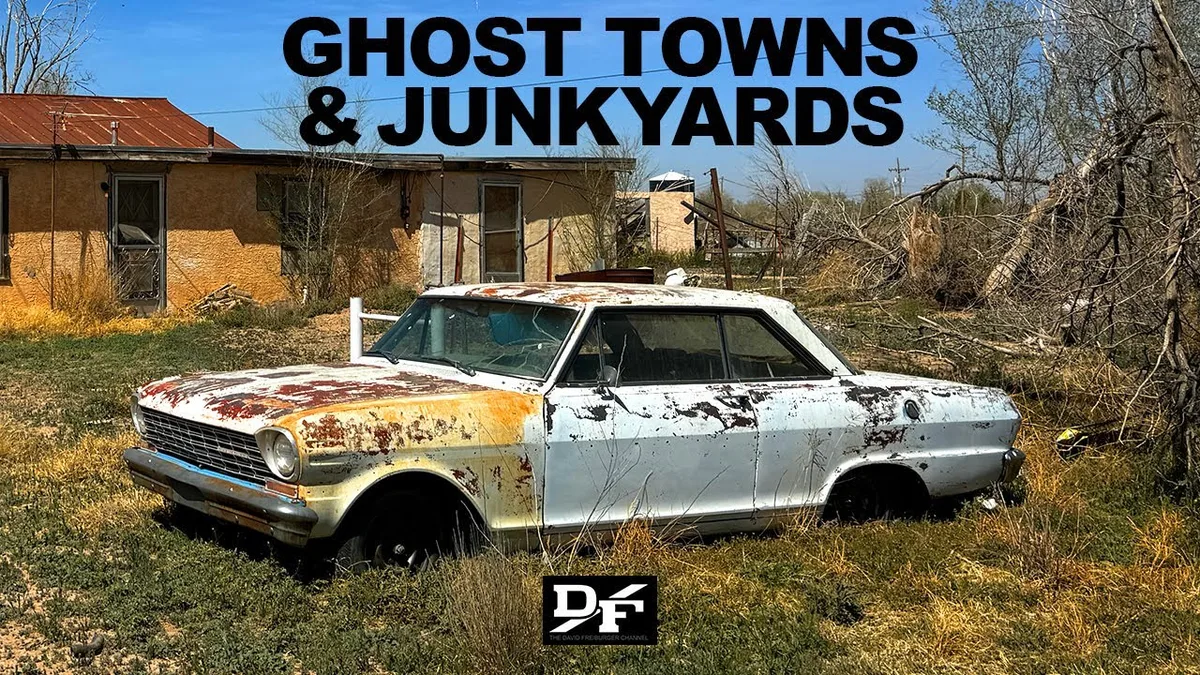
What the vehicle looks like tells the story. When you see a car with flat tires, broken windows, or vegetation growing beneath it, you're likely dealing with an abandoned vehicle. These visual cues help you identify the problem quickly.
Keep in mind that rules differ between public roads and private property. On public streets, local law enforcement typically handles the process. On private land, you as the property owner may have more direct options but must still follow legal procedures to avoid liability issues.
Know Your Jurisdiction: City vs. County Rules
Jurisdiction determines which rules apply and who handles your removal request. New Mexico doesn't have a single state-wide process, so the first thing you need to know is where your vehicle is located.
Cities like Albuquerque and Santa Fe have their own municipal codes covering abandoned vehicles. County areas outside city limits follow county ordinances instead. These differences matter because notice periods, reporting procedures, and towing requirements can vary.
Public Roadway vs. Private Property
The location changes everything about your approach:
| Location | Who Handles Removal | Typical Process |
|---|---|---|
| Public road or right-of-way | Local law enforcement or code enforcement | Report to police or city; they arrange towing |
| Private property (your land) | Property owner initiates; licensed tow company performs | Follow notice rules; hire licensed operator |
| HOA common areas | HOA board follows local ordinances | Check HOA rules first; report to city if needed |
Reporting on a public roadway usually means calling your local police department or city code enforcement. They'll dispatch an officer to evaluate whether the vehicle meets abandoned criteria under local ordinance.
Private property removal requires more care. You can't simply call a tow truck and have it hauled away without following legal steps. Most jurisdictions require proper written notice to the vehicle owner before towing begins.
Operating in Unincorporated County Land
If your property sits in an unincorporated area, the county sheriff's office typically handles abandoned vehicle reports. They work alongside county code enforcement to process removal requests according to county-specific ordinances.
Check with your county clerk or sheriff's office to understand local requirements. Some counties require a waiting period after notice is posted before removal can proceed.
Major Cities with Their Own Ordinances
Albuquerque, Santa Fe, Las Cruces, and other larger cities maintain their own abandoned vehicle codes. These ordinances often mirror state guidelines but may add stricter timelines or additional documentation requirements.
For example, Albuquerque residents report abandoned vehicles through the city's code enforcement division. The city then inspects the vehicle and determines whether it qualifies for removal under municipal code.
Understanding your jurisdiction saves time and prevents costly mistakes. Call your local non-emergency police line or check your city's official website to learn the exact process for your area.
The 48-Hour Notice Rule (And When It Doesn't Apply)

YouTube / Hafx Haba (YouTube thumbnail (fair-use with source credit))
The 48-hour written notice rule is one of the most important requirements in New Mexico's abandoned vehicle removal process. It protects property owners while giving vehicle owners a fair chance to respond.
Written notice is required in most cases before towing an abandoned vehicle from private property. The notice period gives the registered owner or interested party 48 hours to claim the vehicle or resolve the issue.
When Written Notice Is Required
You must provide written notice when:
- The vehicle is on private property and you want it removed
- You're the property owner and the vehicle wasn't parked there legally
- Local ordinances require notice before towing action
- You're clearing a driveway, parking lot, or yard
The notice should include the vehicle description, location, and a clear statement that removal will occur if the vehicle isn't moved within the specified timeframe.
Immediate Removal Exceptions for Hazards
Not every situation requires waiting 48 hours. Certain conditions allow for immediate removal:
- The vehicle blocks a fire hydrant, driveway, or emergency access
- It creates a traffic hazard on a public roadway
- The vehicle is leaking fluids or poses an environmental threat
- Local law enforcement determines the vehicle presents a public safety risk
In these cases, authorities can authorize removal without the standard waiting period. When a vehicle is clearly abandoned on a public road and creating a nuisance, officers often have the power to act quickly.
How to Properly Deliver Notice
Proper notice delivery is critical. Here's what you need to do:
- Take clear photos of the vehicle from multiple angles
- Note the license plate number, make, model, and color
- Check with the county clerk or MVD for registered owner information
- Send written notice via certified mail to the registered owner
- Also post physical notice on the vehicle if local rules allow
- Keep copies of all correspondence and delivery receipts
Certified mail with return receipt is the standard method because it creates a paper trail. If a dispute arises later, that documentation protects you.
Some jurisdictions also allow physical posting of notice directly on the vehicle's windshield. Check your local code to confirm whether this option is available.
Your Removal Path: Step-by-Step Based on Your Situation
Your path forward depends on where the vehicle is located and who you are in this situation. Following the right steps ensures the removal is legal and hassle-free.
If the Vehicle Is on Public Property
Start by calling your local police department or city code enforcement. Provide the vehicle's location, description, and any photos you've taken. An officer will typically respond to evaluate whether the vehicle meets abandoned criteria under local ordinance.
If the officer confirms abandonment, they'll coordinate towing through licensed vendors. You generally won't pay for this process, as the costs are absorbed by the city or county. However, the vehicle owner remains responsible for all towing and storage fees.
If It's on Your Private Property
Private property removal requires more active steps from you:
- Document everything with photos and notes
- Attempt to identify the registered owner through the county clerk
- Send written notice via certified mail with a clear deadline
- Wait the required notice period (usually 48 hours minimum)
- Hire a licensed towing company experienced with abandoned vehicles
- Keep all receipts and documentation for your records
Some property owners skip the notice requirement and call a tow truck directly. This is risky and can lead to legal liability if the owner wasn't properly notified. Always follow the legal process.
If You're a HOA or Property Manager
HOAs and property managers face unique challenges with abandoned vehicles on shared or common property. Most associations have their own rules in addition to local ordinances.
Review your HOA governing documents first. Many associations can authorize removal through their management company after following internal procedures. Some cities require HOAs to go through the same code enforcement process as individual homeowners.
Coordinate with your property management company or HOA board to ensure you're following both community rules and local law.
What to Do When the Owner Is Unreachable
Finding the vehicle owner isn't always straightforward. Sometimes the registered owner lives out of state, and their address on file may be outdated. In other cases, the vehicle may not have a valid title.
When you can't locate the owner:
- Check with the county clerk for any recent title transfers
- Search online through public records or DMV databases
- Leave written notice at the last known address
- Document all your attempts to contact the owner
- Proceed with removal through proper channels after the notice period
Even if the owner is hard to find, the legal process still protects you. Proper documentation of your efforts strengthens your position if disputes arise later.

Image source: YouTube / JustU01 (YouTube thumbnail (fair-use with source credit))
Costs You'll Face and Who Pays
Bing (Web (fair-use with source credit))
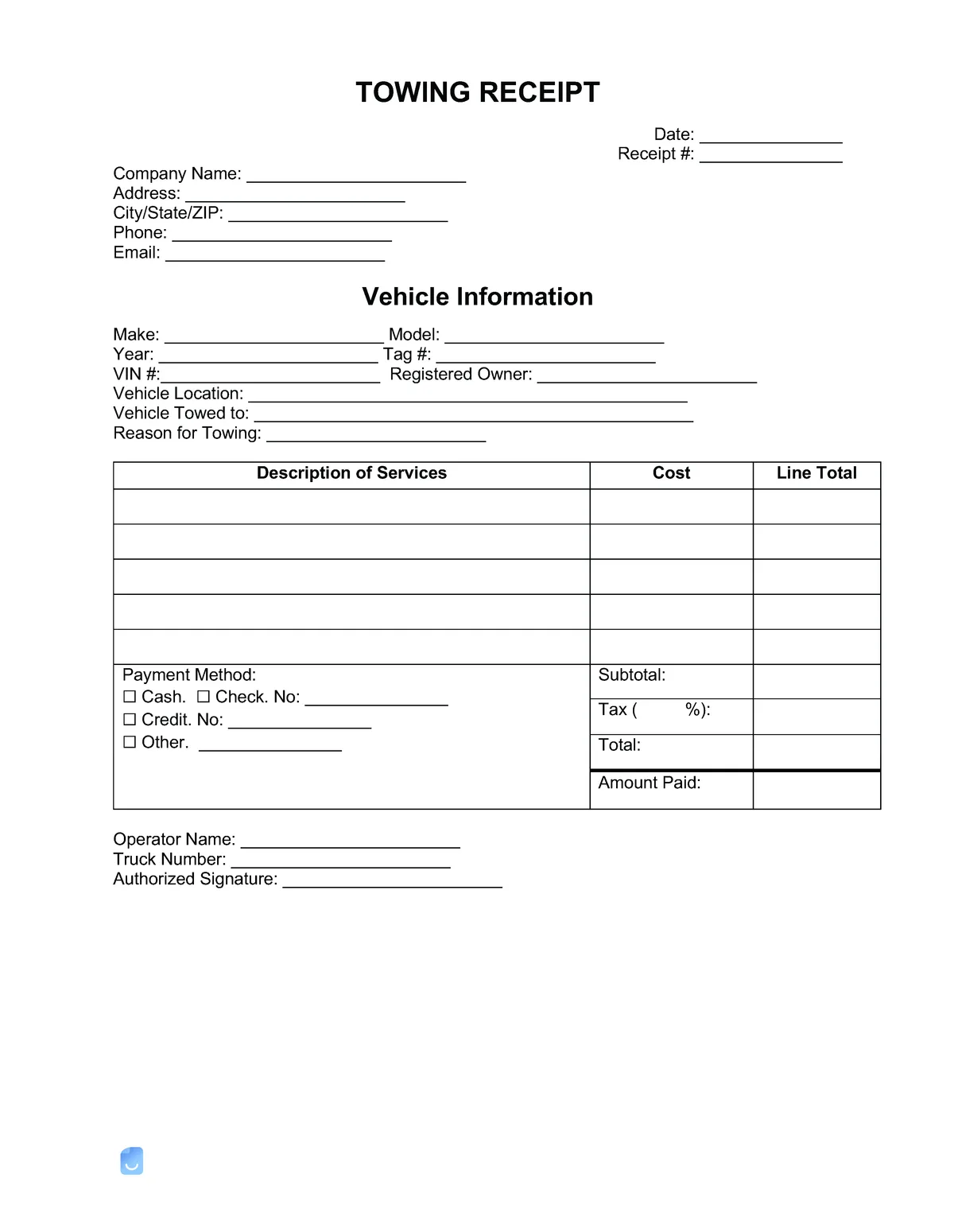
Towing and storage costs for abandoned vehicles in New Mexico vary widely depending on several factors. Understanding the price range helps you budget and avoid surprises.
Towing and Storage Fee Ranges
Basic towing for a standard sedan typically runs between $75 and $150. Larger vehicles like trucks or SUVs cost more, often $100 to $200. If the vehicle requires special handling due to damage or position, expect higher fees.
Storage fees accumulate daily while the vehicle sits at the impound lot. These usually range from $15 to $50 per day depending on the facility and location.
| Cost Item | Typical Range |
|---|---|
| Basic towing (sedan) | $75–$150 |
| Towing (truck/SUV) | $100–$200 |
| Daily storage fees | $15–$50/day |
| Special handling | Additional $50–$150 |
| Administrative fees | $25–$75 |
Who Covers the Bill: Owner vs. Property Owner
The vehicle owner is almost always responsible for towing and storage costs. These charges become a lien against the vehicle, meaning the owner must pay them before reclaiming the car.
If you're the property owner who initiated the removal, you shouldn't pay these costs. The process is designed so that the vehicle owner bears the financial burden. However, you will need to pay the towing company upfront if you arranged the removal yourself.
Some towing companies may require payment before releasing the vehicle, even if the owner disputes the charge. Keep all receipts and documentation in case you need to seek reimbursement later.
Hidden Costs to Watch For
Beyond the obvious towing and storage fees, a few additional costs can catch property owners off guard:
- Junk removal fees if the vehicle is deemed worthless
- Administrative processing fees from local agencies
- Legal fees if disputes over ownership arise
- Property cleanup costs if fluids leaked from the vehicle
Getting quotes from multiple licensed towing companies helps you understand the full financial picture before committing to removal.
Common Mistakes That Get Property Owners Sued
Mistakes in the abandoned vehicle removal process can lead to legal trouble. Property owners who skip proper procedures sometimes face lawsuits from vehicle owners claiming wrongful towing.
Skipping the Notice Requirement
The biggest mistake is towing a vehicle without providing proper written notice. Even if a vehicle looks clearly abandoned, skipping the notice period exposes you to legal liability. Courts take these procedures seriously because they protect property rights.
Towing From Private Property the Wrong Way
Another common error is calling an unlicensed towing operator or attempting self-removal. Only licensed towing companies can legally tow abandoned vehicles in most New Mexico jurisdictions. Self-removal attempts can result in property damage claims.
Failing to Document Everything
Property owners who don't document the vehicle's condition, location, and notice delivery often lose disputes. Photos, certified mail receipts, and correspondence records create a defensible paper trail. Without documentation, your word becomes insufficient against a disputed claim.
Calling Unlicensed Operators
Using an unlicensed towing service creates multiple problems. Licensed operators understand legal requirements and proper procedures. Unlicensed companies may cut corners, miss critical steps, or fail to provide required documentation.
Always verify that any towing company you hire holds proper licensing and insurance. Check with the New Mexico Public Regulation Commission for verified tow truck operators in your area.
Expert Tips From Towing and Code Enforcement Pros
Years of experience in vehicle removal and code enforcement have revealed several practices that make the process smoother and protect everyone involved.
How to Screen a Reputable Towing Company
Not all towing companies are created equal. When selecting one for abandoned vehicle removal, look for:
- Valid New Mexico towing license and insurance
- Experience with abandoned vehicle procedures
- Clear, written estimates before work begins
- References from property managers or local agencies
- Knowledge of local notice and documentation requirements
Ask potential companies about their experience with abandoned vehicles specifically. Companies that specialize in this work understand the legal nuances better than general towing operators.
What Documents to Keep on File
Proper documentation protects you throughout and after the removal process:
- Photos of the vehicle from multiple angles
- Copies of written notice sent to the owner
- Certified mail receipts showing delivery
- Towing company invoices and receipts
- Any correspondence with local agencies
Store these records for at least one year after removal. They serve as your primary defense if the vehicle owner contests the action later.
When to Call the Sheriff vs. Municipal Code
Knowing which authority to contact depends on your location. Sheriff's departments handle unincorporated county areas and rural roads. Municipal code enforcement offices manage city jurisdictions.
If you're unsure which agency handles abandoned vehicles in your area, start with a call to your local non-emergency police line. They can direct you to the correct department and explain any jurisdiction-specific requirements.
Some homeowners also benefit from understanding trailer registration processes in other regions to compare requirements. Resources like Puerto Rico trailer registration 5 or 10 year options and Montana radar detector laws for passenger versus commercial vehicles show how different jurisdictions structure their vehicle regulations.

Image source: YouTube / MVD Express (YouTube thumbnail (fair-use with source credit))
Mistakes to Avoid When Removing Abandoned Vehicles
The most common error is skipping the notice period. Even if the car looks abandoned, you must follow the 48-hour rule unless it's a safety hazard.
Another mistake is using unlicensed tow operators. Only state-approved companies can legally remove vehicles. Always verify their credentials first.
Your Decision Guide: Which Path Is Right for You?
Your situation determines the best approach for handling an abandoned vehicle in New Mexico. Use this quick reference to identify the right path:
| Your Situation | Recommended Action |
|---|---|
| Vehicle on public street | Call local police or city code enforcement |
| Vehicle on your private property | Send written notice, then hire licensed tow company |
| Vehicle blocking access or hazardous | Report immediately; may qualify for fast-track removal |
| HOA or property manager | Review association rules, then follow local ordinances |
| Owner unreachable after notice | Proceed with towing using licensed operator |
| Dispute or legal challenge | Consult an attorney before taking further action |
The key to success is following the legal process carefully. Document everything, use licensed professionals, and never rush past the notice requirement unless a genuine safety hazard exists.
For additional guidance, check the New Mexico MVD website. These resources provide current information on procedures and requirements.