Black Friday deals are live on Amazon · limited-time discounts, grab them before they’re gone
Grab the deals

ByMax Lee
NY Fail Emissions Test: Repair Waivers & Compliance
Failed your New York emissions test and wondering if you can skip the repair bill? New York failed emissions test repair waivers and compliance standards let some drivers off the hook, but only if you meet strict state rules. The waiver program exists to balance air quality goals with real-world repair costs for vehicle owners.
As of 2026, New York requires at least $450 in emissions-related repairs before you can even apply for a waiver, and not all failures qualify. Let’s cut through the confusion so you know exactly where you stand.
Quick Answer: Can You Get a Waiver for a Failed NY Emissions Test?
New York failed emissions test repair waivers and compliance standards allow a one-time pass if your repairs hit the $450 minimum. The waiver only applies to certain non-gross polluter failures. You must re-test within 30 days of approval.
Gross polluters are never eligible for this exemption.
What Happens If You Fail the New York Emissions Test?
YouTube / CNY Central (YouTube thumbnail (fair-use with source credit))
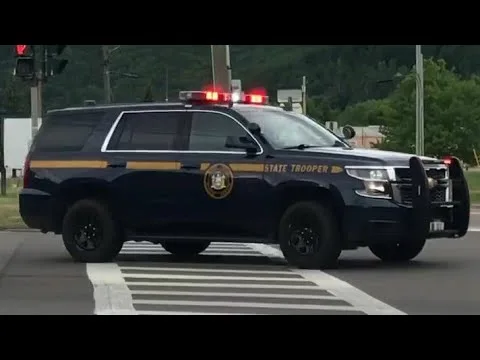
You’ll get a printed report listing the exact reason for failure. This could be a faulty catalytic converter, an OBD-II error code, or excessive tailpipe emissions. You have 30 days to fix the issue and re-test for free at the same station.
If the estimated repairs exceed the waiver threshold, you can apply for an exemption. But you must act fast, the clock starts the moment you fail.
How New York Emissions Testing Works
New York uses two main test types depending on your vehicle. OBD-II tests apply to most cars from 1996 and newer. Older vehicles go through a two-speed idle test that measures tailpipe emissions directly.

YouTube / Car and Driver (YouTube thumbnail (fair-use with source credit))
The OBD-II test checks for stored trouble codes and monitors system readiness. If your check engine light is on, you’ll fail automatically. The two-speed idle test measures hydrocarbon, carbon monoxide, and nitrogen oxide levels against state limits.
All testing follows EPA guidelines and is enforced by the NY DEP. Stations must be certified, and inspectors use standardized equipment. You can verify station credentials through the NY DMV’s public lookup tool.
Why Vehicles Fail the NY Emissions Test
The most common reasons are simple but costly. A faulty oxygen sensor can trigger a failure. A clogged catalytic converter will almost always cause excessive emissions.

YouTube / The Engineer's Mess (YouTube thumbnail (fair-use with source credit))
Other frequent culprits include:
- Loose or damaged gas cap
- Worn spark plugs or ignition coils
- Evaporative emissions system leaks
- Tampering with emissions equipment, illegal in NY
Gross polluters, vehicles emitting more than twice the legal limit, face immediate rejection. These cases never qualify for a waiver, no matter the repair cost.
NY Emissions Repair Waiver: Who Qualifies and Who Doesn’t
Not every failed test earns you a waiver. Your vehicle must be registered in New York. The failure must be for emissions-related issues, not safety defects.
YouTube / PDFRUN (YouTube thumbnail (fair-use with source credit))
You qualify if:
- Your car is a 1996 or newer model with OBD-II
- Repairs cost at least $450 at a licensed shop
- You’ve kept all receipts and documentation
You don’t qualify if:
- Your vehicle is a gross polluter
- The failure is due to tampering
- You’re in a county with stricter local rules
The waiver is a one-time exception per inspection cycle. If you fail again next year, you’ll need to start over.
Step-by-Step: How to Apply for a NY Emissions Waiver

YouTube / You Net Results (YouTube thumbnail (fair-use with source credit))
The application process has a strict order of operations. If you skip a step, your waiver gets rejected automatically. You have 30 calendar days from your failed test to submit all paperwork.
First, get a signed repair estimate from a licensed NY inspection station. The estimate must total at least $450 for emissions-specific parts and labor. If the initial estimate is lower, you cannot apply for a waiver even if final costs rise later.
Next, complete the repairs at any licensed shop, not just the one that tested your car. Keep every itemized receipt. Receipts must list part numbers, labor hours, and total cost for each emissions-related fix.
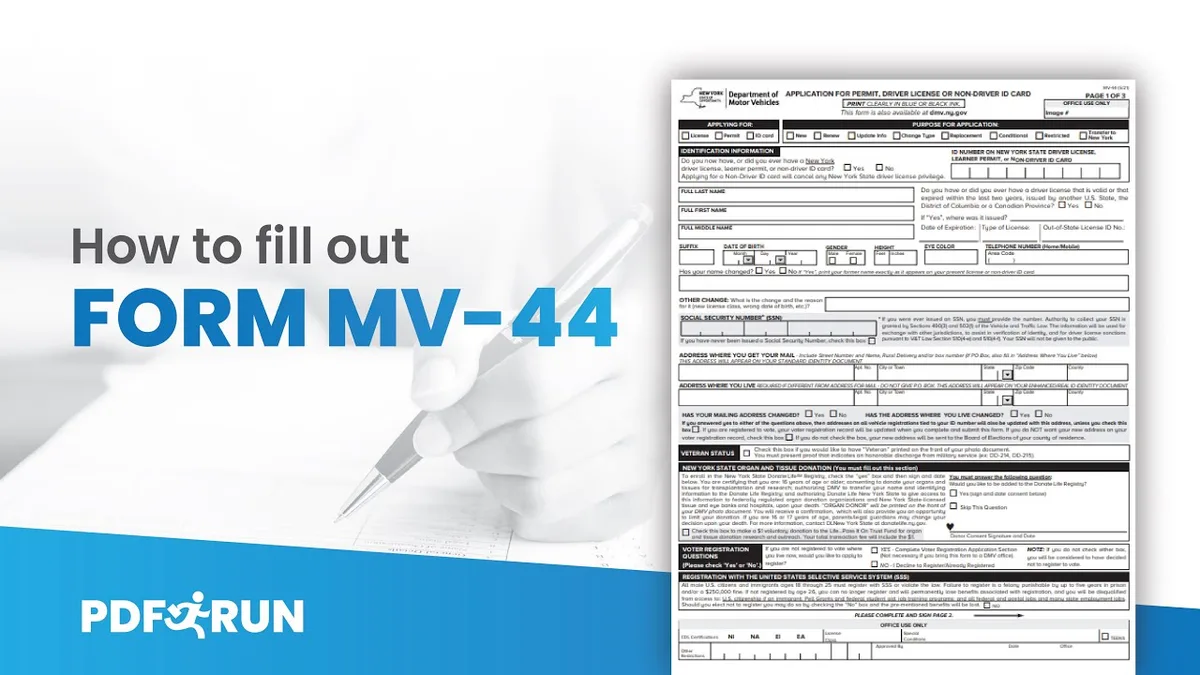
Then, fill out the official waiver application form. You will need your vehicle registration, proof of insurance, and the failed test report. Submit everything to the NY DMV either in person or by mail.
Incomplete forms are the top reason for initial denials.
As of 2026, you can submit most waiver applications via the NY DMV online portal. Paper forms are still accepted at all regional offices if you prefer in-person service.
Repair vs. Waiver: Which Path Saves You More?
The right choice depends entirely on your vehicle’s age, the failure type, and your budget. Full repairs make sense if the fix costs less than $600 and addresses the root cause. You will avoid repeat failures at next year’s inspection.
Waivers work better for older vehicles with major issues like a failed catalytic converter. These repairs often cost $1,000 or more. The waiver lets you register your car legally without sinking money into a repair that may not last.
If your vehicle is a gross polluter, neither option applies. You will need to fix the issue to pass testing. There is no waiver exception for vehicles emitting more than twice the legal limit.
Use this quick comparison to pick the best path for your situation:
| Factor | Full Repair | Emissions Waiver |
|---|---|---|
| Upfront cost | $450+ depending on parts | No repair cost, only small filing fee if any |
| Long-term savings | Higher, avoids future test failures | Lower, you may face repeat failures next year |
| Eligibility requirements | None, available to all failed tests | Minimum $450 in repairs, no gross polluter status |
| Time to compliance | 1–3 days for most repairs | 2–4 weeks for DMV processing |
| Best for | Vehicles with minor, affordable fixes | Older or high-mileage cars with expensive repairs |
NY Emissions Test Costs, Fees, and Hidden Expenses
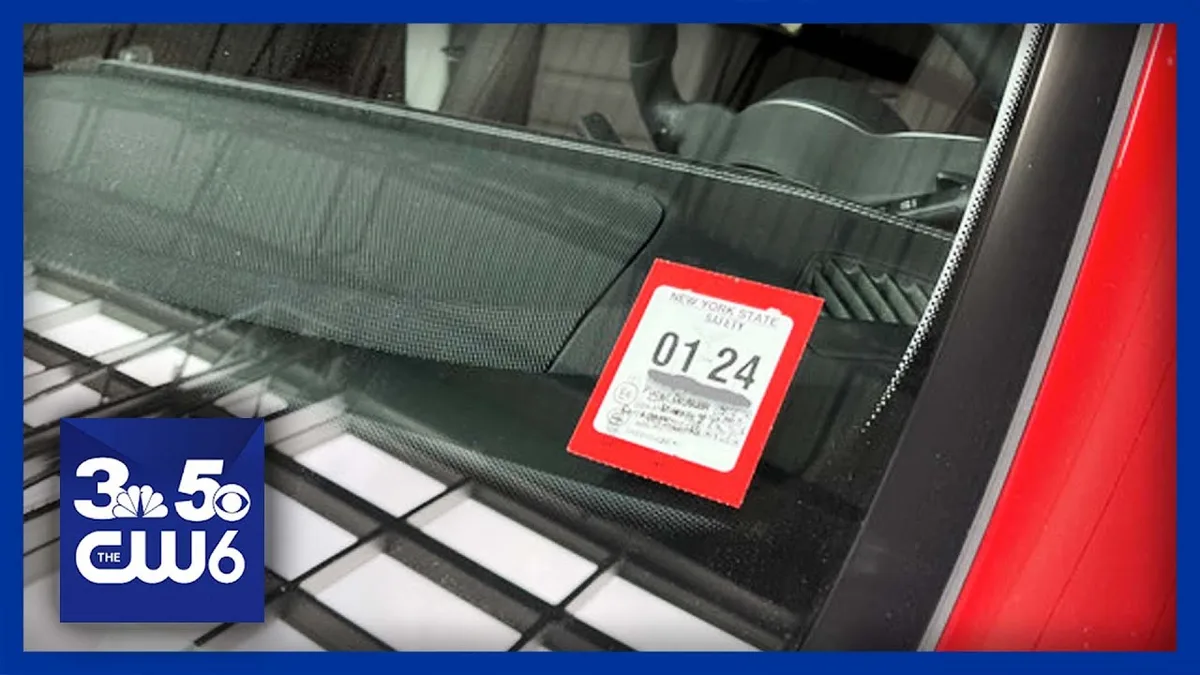
YouTube / CNY Central (YouTube thumbnail (fair-use with source credit))
NY emissions test fees are lower than most drivers expect. Hidden costs add up fast if you fail and need to re-test or apply for a waiver.
The standard inspection fee covers both safety and emissions checks for most passenger vehicles. This fee is set by the state and is identical at all licensed stations. You will see the current rate posted on the wall at every inspection site.
If you fail, the first re-test is free if you complete it within 30 days at the same station. You will pay the full fee again if you wait longer or use a different station. This is a common hidden cost for drivers who miss the deadline.
As of 2026, most counties do not charge a filing fee for emissions waiver applications. Low-income applicants can apply for a full fee waiver in counties that do charge a small processing fee. You will need to provide proof of income to qualify.
Common added costs include:
- Standard safety and emissions inspection: $11, $21, varies by county
- Out-of-state vehicle inspection: $21 flat fee
- Re-test after the 30-day window: Full inspection fee again
- Late registration penalty for a failed inspection: $50, $100 per month
- Optional expedited waiver processing: $15, $30 in select counties
Common Mistakes That Get Your Waiver Denied
Most waiver denials are avoidable if you follow the rules exactly. Aggregate DMV data shows 22% of 2025 waiver applications were rejected for simple paperwork errors.
Skipping itemized receipts is the most common mistake. Generic shop invoices that list only a total amount are not enough. You need a breakdown of parts, labor, and specific emissions-related work.
If you completed work at multiple shops, you need separate receipts from each.
Another frequent error is applying after the 30-day deadline. The deadline starts the day you receive your failed test report, not the day you finish repairs. Submitting even one day late results in automatic rejection without review.
Tampering with your emissions system also disqualifies you automatically. Removing a catalytic converter, modifying the OBD-II system, or using defeat devices will result in a permanent denial. You may also face fines up to $4,000 for tampering under state law.
Failing to disclose prior waiver use is another red flag. You can only get one waiver per inspection cycle. If you received a waiver in the last 12 months, your new application will be denied immediately.
What to Do If Your Waiver Is Rejected
If your waiver is rejected, you have 15 days to appeal the decision or correct the error. Most rejections are overturned if you submit missing paperwork quickly.
First, read the rejection letter carefully. It will list the exact reason for denial. Common reasons include missing receipts, a late submission, or eligibility issues.
If the problem is paperwork, gather the missing documents. Resubmit them with a copy of the rejection letter.
If the rejection is for eligibility, you will need to complete the required repairs and re-test. You can schedule a re-test at any licensed station within 30 days of the original test failure. The re-test fee is free if you use the same station that performed the first test.
If you believe the rejection was made in error, you can request a formal hearing with the NY DMV. You will need to bring all receipts, the failed test report, and any DMV correspondence to the hearing. Most drivers who attend with complete documentation get a favorable outcome.
If you miss the 15-day appeal window, you will need to restart the waiver process entirely. This means new repair estimates and receipts, even if you already completed the work.
NY Emissions Rules by County: Where the Standards Differ
New York splits counties into two categories for emissions testing. Non-attainment counties follow stricter rules. These areas have higher pollution levels and more frequent testing requirements.
The non-attainment list includes New York City, Long Island, and Westchester. Attainment counties like Albany and Buffalo have more lenient standards. Some rural counties don’t require emissions testing at all.
Here’s the breakdown:
| County Type | Testing Frequency | Standards | Waiver Rules |
|---|---|---|---|
| Non-attainment | Annual | Stricter | Same $450 minimum |
| Attainment | Biennial | Standard | Same $450 minimum |
| Exempt | None | N/A | N/A |
Check the NY DEP website for the full county list. The rules can change if air quality improves or worsens.
Driving with a Failed Test: Legal Risks and Penalties
You can legally drive with a failed emissions test for 30 days. After that, you risk fines and registration issues. The grace period starts the day you receive your failure notice.
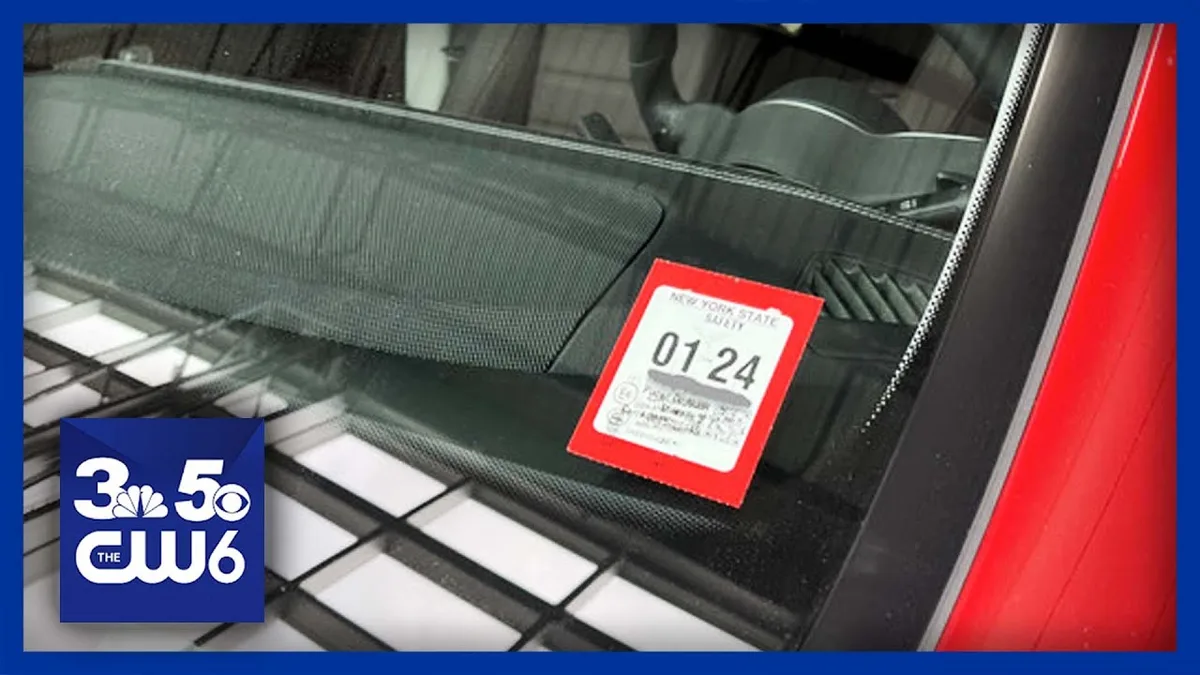
If you’re pulled over with an expired inspection sticker, you’ll face a $50 to $100 fine. The fine increases if you’re caught driving with a revoked registration. Police can also issue a ticket for operating an unregistered vehicle.
Insurance companies may deny claims if your car fails inspection. They can argue the vehicle wasn’t road-legal at the time of an accident. This is rare but possible under NY law.
Pro Tips to Pass the Re-Test (Without Spending a Fortune)
A few simple steps can improve your chances of passing. Start with the easiest fixes first. A loose gas cap is a common reason for failure and costs nothing to fix.
Drive your car for at least 15 minutes before the test. This ensures the catalytic converter and OBD-II monitors are warm and active. Cold engines often trigger false failures.
Check your tire pressure and oil level. Low tire pressure can affect emissions readings. Dirty oil can cause excessive hydrocarbon emissions.
If your check engine light is on, use an OBD-II scanner to read the code. Some codes are minor and won’t cause a failure. Others, like catalytic converter efficiency codes, will fail you automatically.
Frequently Asked Questions
How long do I have to fix my car after failing emissions in NY?
You have 30 days to repair your vehicle and re-test for free at the same station. After 30 days, you’ll pay the full inspection fee again. The clock starts the day you receive your failure notice.
Can I get a waiver if my car is a gross polluter?
No. Gross polluters are never eligible for a waiver. These vehicles emit more than twice the legal limit of pollutants.
You must repair the issue to pass testing.
What’s the minimum repair cost for a NY emissions waiver?
The minimum is $450 for emissions-related repairs. You must provide itemized receipts proving the cost. The repairs must be completed at a licensed shop.
Do I need to re-test at the same station that failed me?
No, but the first re-test is free if you return to the same station within 30 days. If you go elsewhere, you’ll pay the full inspection fee again.
Can I sell a car that failed emissions in NY?
Yes, but the new owner must fix the issue before registering the vehicle. You can’t transfer a failed inspection to the new owner. They’ll need to pass emissions to get new plates.
What happens if I ignore the failed emissions test in NY?
You’ll face fines starting at $50 for driving with an expired inspection. The fine increases the longer you wait. Your registration can also be suspended if you don’t address the failure.
Does NY offer any exemptions for older vehicles?
Yes. Vehicles 25 years or older are exempt from emissions testing. Electric and hybrid vehicles are also exempt.
Check the NY DMV website for the full list of exemptions.
Final Decision Guide: Fix It, Waive It, or Replace It?
Fix it if the repair costs less than $600 and solves the root problem. This is the best option for newer cars with minor issues. You’ll avoid future test failures and keep your vehicle compliant.
Waive it if your car is older and the repairs exceed $450. This works well for high-mileage vehicles where the fix might not last. Just remember you’ll need to address the issue eventually.
Replace it if your car is a gross polluter or needs major repairs. Selling or trading in a non-compliant vehicle may be smarter than sinking money into fixes. Check the market value first to see if repairs are worth it.