ByMax Lee
Does Idaho Issue License Plates for Utv to Non-Residents
does idaho issue license plates for utv to non-residents is the exact question that trips up many visitors. You plan a trip and hope to grab an Idaho plate for county roads. Then the County DMV says you do not qualify.
In our research, Idaho's Restricted Vehicle plate is valid for seven years as of 2026. It is only issued when the UTV is titled in Idaho and you can prove residency. That one rule changes what you should ask for.
Let's walk through what Idaho actually offers non-residents and how to stay legal.
Does Idaho Issue License Plates for Utv to Non-Residents
Bing (Web (fair-use with source credit))
Quick Answer
Does idaho issue license plates for utv to non-residents? The answer is no. Idaho only issues Restricted Vehicle plates to Idaho residents.
Non-residents use a Non-Resident OHV permit for trail access. Street legal road use needs registration from your home state. Permits are issued by Idaho Department of Parks and Recreation.
Why Non-Residents Get Turned Away Asking for an Idaho UTV License Plate
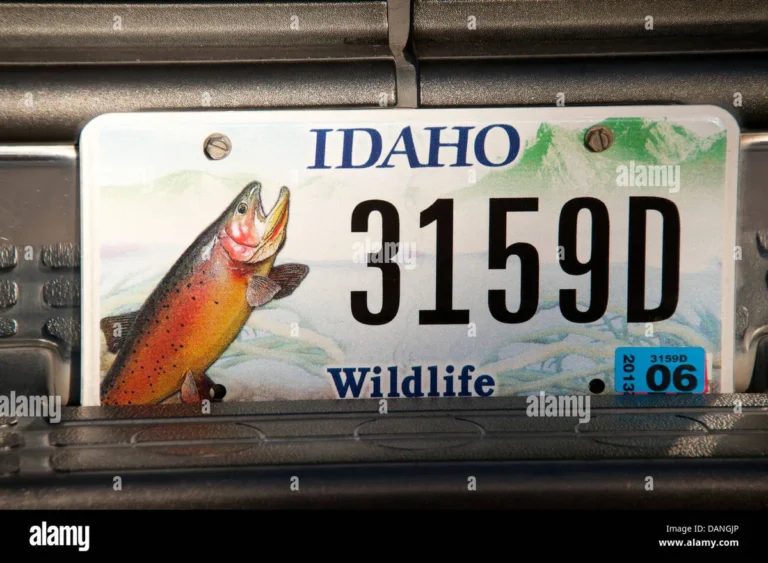
The confusion starts with the name. Idaho calls its road use plate a Restricted Vehicle License Plate. It looks like a regular small motorcycle plate.
Visitors assume any UTV owner can buy one at the County Assessor or DMV.
That plate is not an off road sticker. It is a registration for limited road use. Per Idaho Code and Idaho Transportation Department guidance, it requires an Idaho title in your name and proof you live in Idaho.
If you show an out of state driver license and an out of state title, the clerk has to say no.
Idaho will not create a new Idaho title just to issue a plate for a trip. The state also will not plate a UTV that is already titled elsewhere. This is why many non-residents get bounced between the DMV and the parks department, especially when registration timing rules differ from their home state.
What you actually need depends on where you want to ride. Trails and most Forest Service roads need an OHV permit. County roads need a street legal registration, and Idaho expects you to bring that from your home state.
The Short Answer: Does Idaho Issue Restricted Vehicle Plates to Non-Residents?
No, Idaho does not issue Restricted Vehicle License Plates to non-residents. The plate is only for Idaho residents with a UTV titled in Idaho.
In our research of Idaho statutes and county DMV procedures, eligibility hinges on two things. You must be domiciled in Idaho with an Idaho driver license or ID. And the UTV must have an Idaho certificate of title issued to you.
If either one is missing, you do not qualify.
So what do non-residents get instead? Idaho offers a Non-Resident OHV permit through the Idaho Department of Parks and Recreation. As of 2026 it costs about $12 per sticker plus vendor fees and is valid for the calendar year.
It covers off highway trails, open riding areas, and many designated Forest Service and BLM routes.
For road use, Idaho relies on reciprocity and home state street legal status. If your home state has already made your UTV street legal with a plate, Idaho generally honors that where county or city roads allow UTVs. If your home state does not offer UTV road registration, Idaho will not fill the gap with its own Restricted Vehicle plate.
That is where many trip plans need a workaround.
You should also budget for how state fee structures work. A cheap OHV sticker does not equal road access, and the two credentials are not interchangeable.
How Idaho's System Actually Works: Restricted Vehicle Plate vs OHV Sticker vs Non-Resident Permit
Think of Idaho as having two separate tracks. One track is for limited road use. The other is for off highway access.
They are issued by different agencies and they do not substitute for each other.
Bing (Web (fair-use with source credit))
What the Idaho Restricted Vehicle License Plate Is and Who It's For
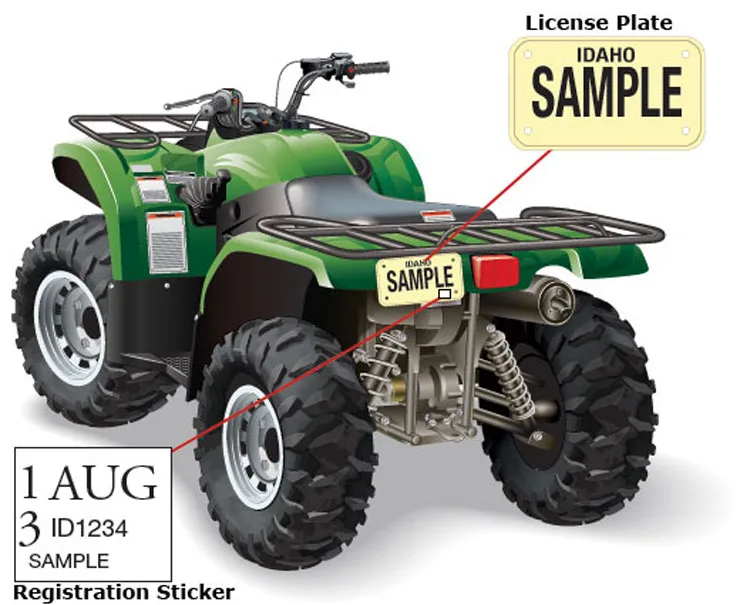
The Restricted Vehicle License Plate is a small motorcycle style plate issued by your County DMV. The official term is Restricted Vehicle plate under Idaho Code § 49-426.
It is defined in one sentence. It is a seven year plate that allows a properly equipped UTV to operate on certain county and city roads where the local jurisdiction allows it. It never allows interstate or state highway use.
To get it you need an Idaho title, VIN inspection if required, proof of residency, proof of ownership, liability insurance, and street legal equipment. That includes headlight, taillight, brake light, horn, rearview mirror, and often turn signals. Aggregate reviews report the most common denial for residents is missing equipment or an out of state title that was never converted to Idaho.
What the Idaho OHV Sticker and Non-Resident OHV Permit Cover
The OHV program is run by the Idaho Department of Parks and Recreation, not ITD. Every UTV operated off highway on public land needs a valid OHV registration or a Non-Resident permit.
Residents buy an Idaho OHV registration sticker for Idaho titled machines. Non-residents buy the Non-Resident OHV permit. You can buy it online or at vendors like powersports dealers and some county offices.
You must carry it while riding and display the sticker per instructions.
It does not make your UTV street legal. It gives you legal access to trails, dunes, and designated Forest Service roads shown as open on Motor Vehicle Use Maps. For riding near towns like Island Park or Wallace, you still need to check local ordinances for which roads allow OHVs.
| Credential | Who Can Get It | Issued By | Where It Lets You Ride | Valid For |
|---|---|---|---|---|
| Restricted Vehicle License Plate | Idaho residents with Idaho titled UTV | County DMV / Assessor | Designated city and county roads, not highways | 7 years |
| Resident OHV Sticker | Idaho residents | IDPR vendors | Trails and off highway public lands | 1 year |
| Non-Resident OHV Permit | Non-residents with out of state registration | IDPR vendors / online | Same trails as resident sticker, no automatic road use | Calendar year |
Understanding that table saves you a wasted DMV trip. It also explains why emissions rules differ by state and why how neighboring states classify off-road machines matters when you cross state lines.
Decision Tree: Which Idaho UTV Registration Do You Actually Qualify For?
Use this if then logic to find your path. Answer honestly about residency and title, then follow the action that matches.
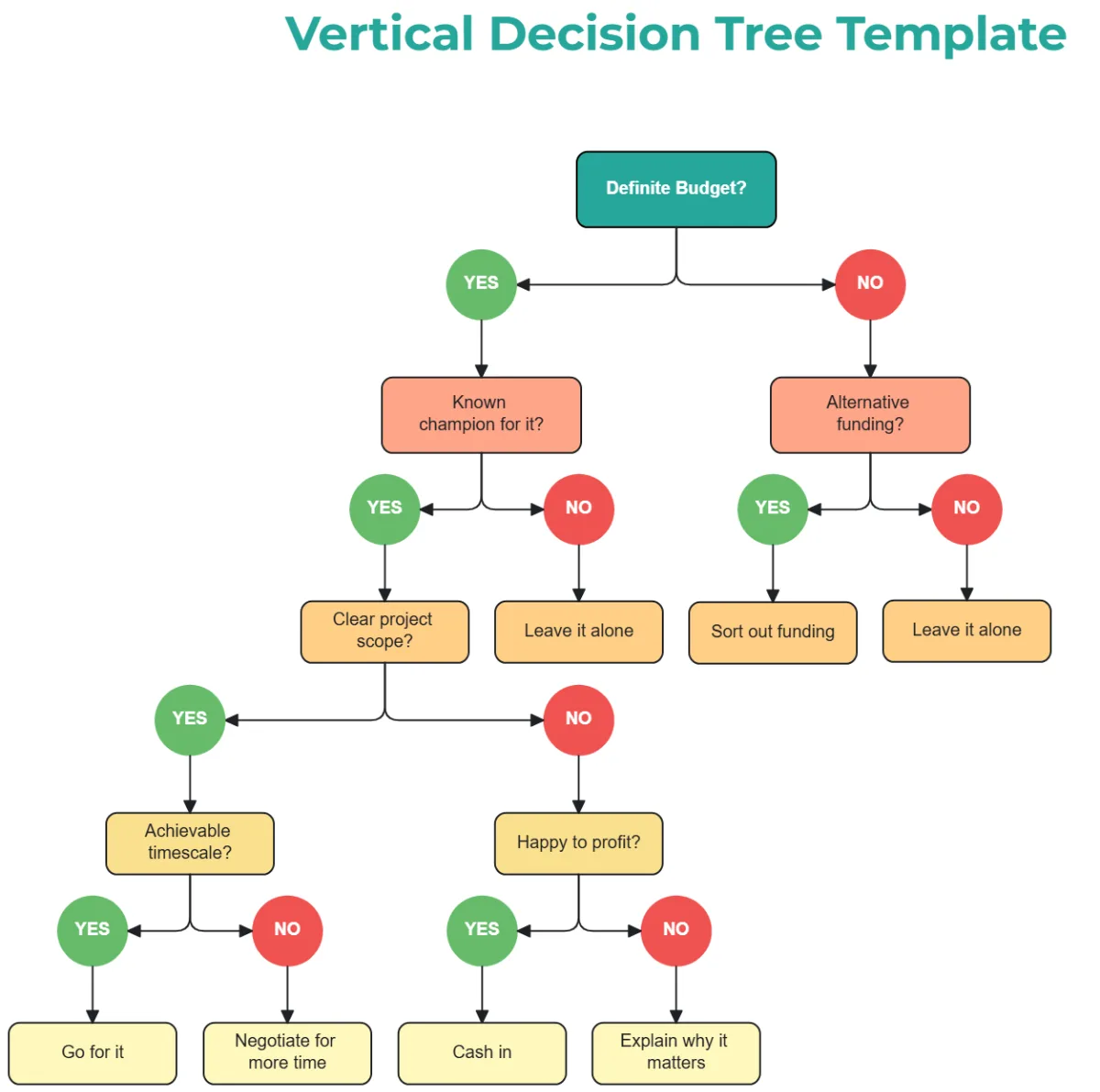
Bing (Web (fair-use with source credit))
Branch 1: Idaho Resident With an Idaho-Titled UTV
If you live in Idaho and the UTV is titled in Idaho in your name, you can choose either track or both.
For trails you need the resident OHV sticker. For county road access you can apply for the Restricted Vehicle plate at your County DMV. Bring your Idaho driver license, Idaho title, VIN, proof of insurance, and confirm your machine meets equipment rules for slow vehicles like lights and mirrors.
If you want both, get both. Many Idaho riders run the plate for town connections and the OHV sticker for trail systems.
Branch 2: Non-Resident Who Needs Trail and Off-Road Access Only
If you live out of state and you only need trails, dunes, and designated dirt roads, the Non-Resident OHV permit is your path.
You do not need an Idaho plate. You do not need to visit a County DMV. Buy the permit before you ride.
Make sure your home state registration is current if your state requires it, or carry ownership documents.
This branch fits most visitors to places like St. Anthony Dunes or the Idaho City trail system. It is the simplest, cheapest, and fastest way to ride legally.
Branch 3: Non-Resident Who Wants Street-Legal Road Access
If you live out of state and you want to ride on Idaho county or city roads that allow UTVs, you need a street legal registration from your home state. Idaho will not issue you its Restricted Vehicle plate to cover this.
If your home state offers a street legal UTV plate, bring that plate, keep insurance current, and make sure your machine meets Idaho equipment expectations. Check the specific county or city ordinance, since some counties welcome UTVs on back roads and some restrict them.
If your home state does not offer any road legal UTV registration, you will be limited to trail and designated off highway routes in Idaho. Out of state street legal workarounds like a Montana LLC exist outside Idaho's issuance system and carry their own legal and tax considerations. For most recreational visitors, the practical answer in Idaho is trail permit only.
How to Get Legal as a Non-Resident: Step-by-Step for Trail and Road Use
Pick the option that matches the branch you landed on. Do it before you unload.
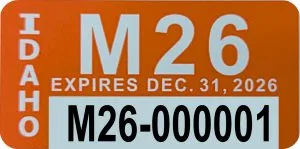
Bing (Web (fair-use with source credit))
Option A: Getting the Idaho Non-Resident OHV Permit
This is the process for trail and off highway riding. It takes minutes online or at a vendor.
- Confirm your VIN and bring proof of ownership. A title, registration, or bill of sale works.
- Go to the IDPR online portal or a licensed vendor. Search for Idaho Parks and Recreation non-resident OHV.
- Purchase the calendar year permit. As of 2026 the base fee is about $12 plus a vendor handling fee. Print the receipt and follow display instructions.
- Carry proof of purchase while riding. Attach the sticker where IDPR directs, usually on the rear or as instructed for that year.
You do not need a VIN inspection for this permit. You do not need Idaho insurance to buy it, but you must follow helmet and age rules and stay on designated routes.
Option B: Workarounds for Road Use With an Out-of-State Street-Legal Plate
If you already have a street legal UTV plate from your home state, Idaho treats you like any other visiting street legal vehicle where local roads allow UTVs.
- Verify your home state plate is current and matches the VIN. Keep the registration card with you.
- Carry liability insurance that meets minimum coverage standards. Idaho law enforcement will ask for it on roads.
- Confirm equipment. At a minimum have headlight, taillight, brake light, horn, mirror, and eye protection if required. Turn signals help at intersections.
- Check local access. Look up the county road department or city clerk site for the area you will ride. Confirm which county roads are designated for OHV or UTV use and obey speed and signage.
If you do not have a home state street legal option, do not expect Idaho to plate you as a workaround. You will stay on trails and designated routes. That is still a lot of riding in Idaho, and it keeps you clear of citations.
A street legal Arizona plate or a Utah OHV decal also does not replace the Idaho Non-Resident permit for Idaho trails.
Common Mistakes That Get Out-of-State UTV Riders Ticketed in Idaho
Most tickets in Idaho are not for reckless riding. They are for paperwork. Visitors assume one sticker covers everything, then a deputy or Forest Service officer checks and the gap shows.
These are the errors our research sees most often with non-residents:
- Buying the Non-Resident OHV permit and assuming it makes you street legal on county roads. It does not. Road use needs a street legal plate from your home state where the county allows it.
- Asking the County DMV for a Restricted Vehicle plate without an Idaho title and Idaho residency. You will be denied and you will lose a day of riding.
- Riding without any Idaho permit because your home state registration feels like enough. Idaho still requires the Idaho Non-Resident OHV permit for off highway trails.
- Using an expired calendar year permit in spring. Idaho permits expire December 31. A permit from last fall is not valid in May.
- Placing the sticker in the wrong spot or not carrying the receipt. Keep the sticker visible per IDPR instructions and carry proof.
- Assuming every county road is open to UTVs. Some counties allow them, some restrict specific roads by ordinance and signage.
- Forgetting liability insurance for road connections. Trail riding may not require it but county road riding does. Check how coverage rules work in other western states before you travel.
A quick double check before you unload prevents most stops. Confirm your home registration is current. Buy the Idaho Non-Resident permit online and print it.
Confirm the specific county allows UTVs on the roads you plan to use. If you are unsure about a road, stay on the trail system and follow the Forest Service Motor Vehicle Use Map, not a social track.
Frequently Asked Questions
Can a non-resident get an Idaho Restricted Vehicle license plate for a UTV?
No. Idaho only issues the Restricted Vehicle plate to Idaho residents with a UTV titled in Idaho. Non-residents cannot get this plate even if the UTV meets all equipment requirements.
You need a Non-Resident OHV permit for trails and a home state street legal registration for road use.
Do I still need an Idaho Non-Resident OHV permit if my UTV is registered in another state?
Yes, in most cases. Idaho requires an Idaho Non-Resident OHV permit for off highway riding on public lands, trails, and designated Forest Service or BLM routes. Your home state registration lets you travel to Idaho, but it does not replace the Idaho permit for trail access.
Does Idaho honor my street legal UTV plate from Arizona, Utah, or Montana?
Idaho generally honors a valid street legal registration from your home state where county or city ordinances allow UTVs on roads. You must keep the plate, registration, and liability insurance current. You still need the Idaho Non-Resident OHV permit for trail riding.
Where do I buy the Idaho Non-Resident OHV permit?
You can buy it through the Idaho Department of Parks and Recreation online portal or at licensed vendors such as powersports dealers. As of 2026 it is a calendar year permit, about $12 plus a small vendor fee. Carry the receipt and display the sticker as instructed.
Can I ride my UTV on Idaho state highways or the interstate?
No. Even Idaho residents with a Restricted Vehicle plate cannot operate a UTV on interstate highways or state highways unless a specific local designation allows a crossing. County and city roads are the only public roads where local jurisdiction may allow UTVs, and only where posted as open.
What is the penalty for riding in Idaho without a valid permit or plate?
You can be cited for operating without a valid OHV permit or for operating on a road where UTVs are prohibited. Fines vary by county and agency, and you may be turned back from a trailhead. Buying the correct permit before you ride is the cheapest and safest option.