Black Friday deals are live on Amazon · limited-time discounts, grab them before they’re gone
Grab the deals


ByMax Lee
The Topper Strategy: How to Maintain Your Ceramic Coating Every 3 Months Effectively
A ceramic coating is not a “wash once in a while” product. It is a durable protective film that still needs regular cleaning, decontamination, and compatible maintenance products to perform properly.
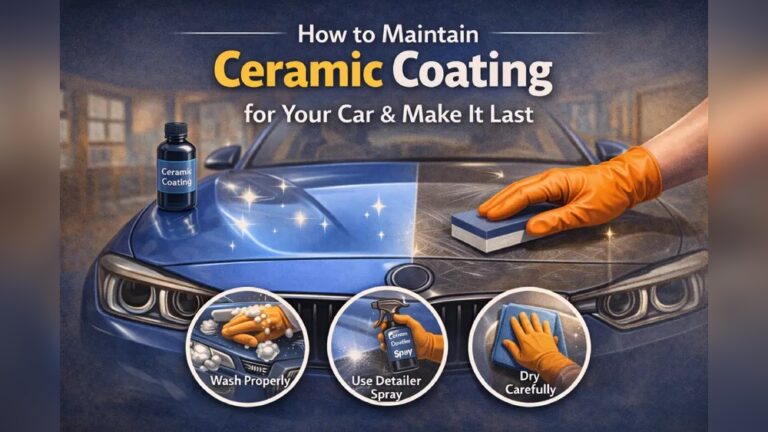
The Topper Strategy is a simple three-month maintenance checkpoint. Every 90 days, you inspect the coating, remove bonded contamination, refresh its slickness with a compatible topper, and record any changes. This routine can help preserve gloss and water behavior without pretending that a topper can repair a worn-out or damaged coating.
The three-month interval is a useful baseline—not a universal rule. A vehicle parked outdoors near trees, saltwater, industrial fallout, or winter road salt may need attention sooner. Always give the coating manufacturer’s care instructions priority over generic advice.
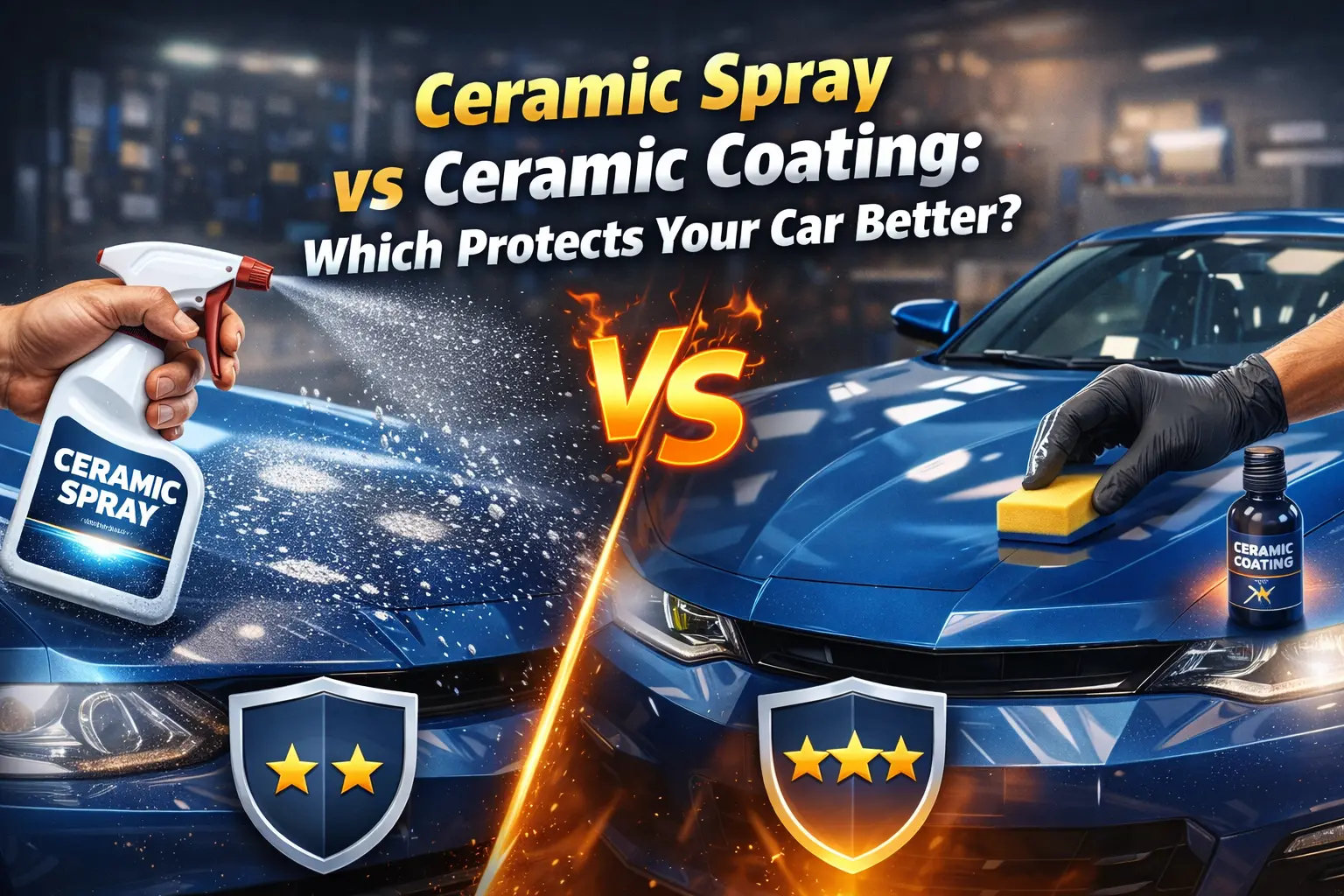
Apply a compatible maintenance product to clean, cool paint in a shaded area.
Credit: octintsolutions.com
What the Three-Month Topper Strategy Actually Does
A ceramic coating relies on a cured, chemically bonded layer over the paint. Its performance is commonly noticed through gloss, smoothness, chemical resistance, and hydrophobic behavior. A topper sits above that coating as a temporary maintenance layer.
A suitable topper may:
- Restore some slickness after repeated washing
- Improve water behavior and visual gloss
- Make future washing easier
- Add a short-term sacrificial layer against light environmental contamination
- Help maintain the appearance of the underlying coating
A topper does not:
- Reapply a failed ceramic coating
- Remove scratches, oxidation, or etching
- Correct heavy water spots automatically
- Replace proper washing
- Guarantee a specific durability period on every vehicle
In practice, the most common mistake is treating reduced water beading as proof that the coating has failed. Road film, mineral deposits, oily contamination, and improperly rinsed shampoo can mask the coating’s behavior. Clean and decontaminate the surface before deciding that professional repair or recoating is necessary.
How Often Should You Maintain a Ceramic Coating?
Wash the vehicle whenever it becomes dirty; do not wait three months between washes. The three-month schedule is for a more complete inspection and topper application.
| Maintenance task | Typical timing | Purpose |
|---|---|---|
| Gentle hand wash | Every 1–3 weeks, as needed | Removes loose dirt before it bonds |
| Prompt bird-dropping and bug removal | As soon as practical | Limits acidic or alkaline etching |
| Drying and visual inspection | After every wash | Finds spots, streaks, and contamination |
| Topper checkpoint | About every 3 months | Refreshes slickness and water behavior |
| Chemical decontamination | When contamination is present | Removes bonded iron, tar, or mineral residue |
| Professional assessment | When symptoms persist | Determines whether the coating needs correction |
The correct interval depends on mileage, storage, climate, washing technique, and the product manufacturer’s instructions. A garaged weekend vehicle may need less frequent topper use than a daily driver parked under trees.
Products and Tools You Need
Use products designed to work with ceramic coatings. “Strong” does not automatically mean “better,” and aggressive cleaners can create unnecessary risk.
Recommended supplies
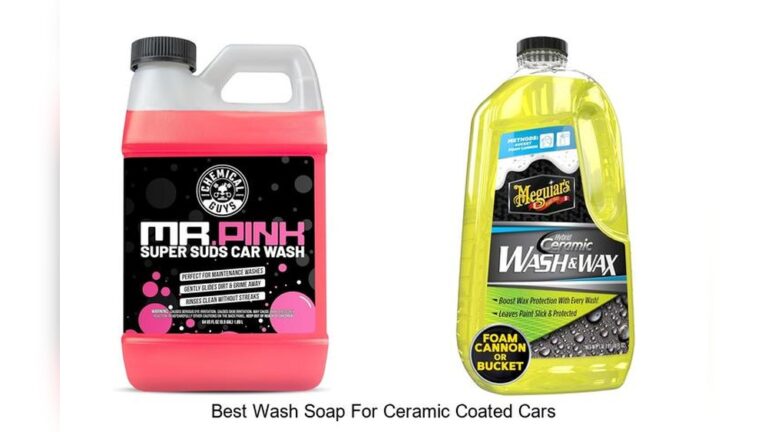
- pH-neutral or coating-approved car shampoo
- Two wash buckets with grit guards
- A clean microfiber wash mitt
- Several plush, low-lint drying towels
- A dedicated glass towel
- A soft detailing brush for emblems and trim
- A coating-compatible iron remover, when needed
- A tar remover approved for automotive paint, when needed
- A ceramic-safe topper or silica-based maintenance spray
- Nitrile gloves and eye protection
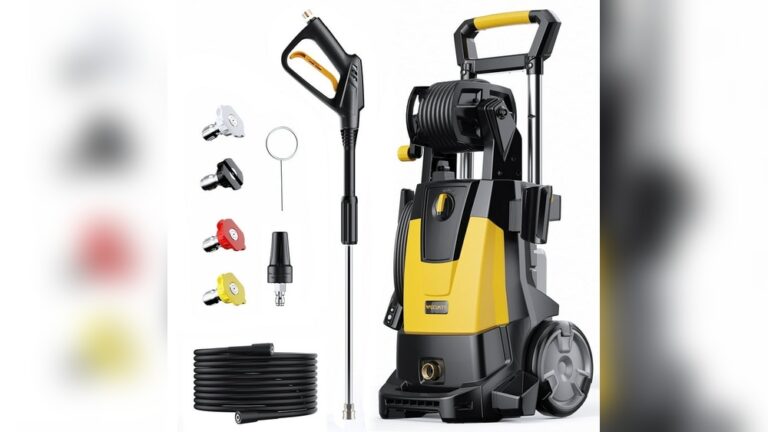
- A hose, pressure washer, or clean rinse water
A careful two-bucket wash setup reduces the chance of dragging abrasive grit across the paint. Keep separate towels for wheels, paint, glass, and door jambs. A towel used on lower rocker panels should not return to the hood or roof.
Compressed air can help clear water from mirrors, grilles, badges, and trim. If you use an air compressor, choose a clean, oil-free air source and avoid blowing grit across the paint; a guide to choosing suitable air equipment can help with capacity and duty-cycle considerations.
Avoid these products and habits
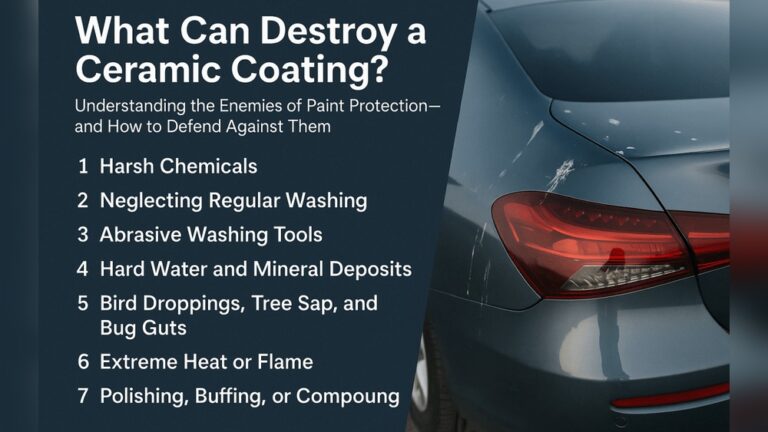
- Household dish soap as a routine wash solution
- Abrasive kitchen sponges or brushes
- Automatic washes with stiff brushes
- Strong alkaline degreasers used unnecessarily
- Polishes or compounds unless correction is intended
- Silicone-heavy products that leave an oily film
- Applying a topper to dusty or visibly dirty paint
- Reusing wheel or engine-bay towels on painted panels
Read the technical data sheet and application directions for the specific coating and topper. Product chemistry varies, and some maintenance sprays are intended for particular coating systems.
The Three-Month Maintenance Procedure
1. Choose the right conditions
Work in the shade on cool paint. Avoid applying products during heavy wind, rain, or direct midday sun. The surface should remain wet during the wash but dry before applying a topper.
If the vehicle has recently been driven, allow the panels to cool. Hot paint can cause shampoo and topper products to flash too quickly, leaving streaks or uneven residue.
2. Inspect before washing
Walk around the vehicle and look for:
- Bird droppings and insect residue
- Tree sap
- Road tar
- Rust-colored iron particles
- Mineral water spots
- Oily traffic film
- Scratches or clear-coat damage
- Areas with unusually poor water behavior
Photographing problem areas can help you compare the finish at the next checkpoint. Do not rub hardened contamination aggressively. Soften it with appropriate product and lubrication first.
3. Rinse away loose grit
Rinse the vehicle from top to bottom. Pay attention to lower doors, wheel arches, rear bumpers, and the area behind the wheels, where abrasive material collects.
A strong rinse removes loose particles before your wash mitt touches the paint. It does not need to be dangerously high pressure. Keep the nozzle at a sensible distance and avoid forcing water into damaged trim, seals, or electrical areas.
4. Wash in small sections
Use a coating-safe shampoo and a clean mitt. Start with the roof and upper glass, then work down toward the dirtier lower panels. Wash one section at a time and rinse the mitt frequently.
Use straight, controlled passes rather than aggressive circular scrubbing. Rinse the panel before the shampoo dries. Clean wheels separately with dedicated tools so brake dust does not reach the coated paint.

Wash from cleaner upper panels toward the dirtier lower areas.
Credit: www.feynlab.com
5. Rinse thoroughly
Shampoo residue can make a healthy coating look dull or reduce apparent beading. Rinse around badges, grilles, mirrors, panel gaps, and roof rails.
If your local water is hard, avoid allowing rinse water to evaporate on the vehicle. Mineral deposits can etch or bond to the surface even when the coating itself remains intact.
6. Dry without dragging contamination
Use a clean, absorbent microfiber drying towel. Lay it flat and gently pull it across the surface, or pat the panel dry. Do not press hard and do not continue using a towel after it becomes visibly dirty.
Blow water from emblems and crevices before the final towel pass. Water trapped in trim can run onto the paint later and create fresh spots.
7. Decontaminate only when necessary
A three-month inspection does not automatically mean the vehicle needs aggressive decontamination. Use a chemical iron remover if you can feel or see embedded metallic contamination, especially after driving near rail lines, construction areas, or industrial traffic.
Use tar remover only on affected areas and follow its dwell-time instructions. Rinse and wash again afterward. Mechanical clay can remove bonded contamination, but it may introduce light marring; reserve it for situations where chemical methods are insufficient.
If water spots remain after washing, do not cover them with topper. Mineral deposits may require a coating-safe water-spot remover or professional polishing. Test any chemical on an inconspicuous area first.
Applying the Topper Correctly
1. Verify compatibility
The topper should explicitly state that it is compatible with ceramic coatings or the coating brand’s maintenance system. Do not assume that every spray sealant, wax, or quick detailer is appropriate.
Some toppers are spray-and-rinse products. Others require application to a dry panel followed by immediate leveling. Follow the label rather than combining instructions from different products.
2. Apply sparingly
Work one small panel or section at a time:
- Shake the product if the instructions require it.
- Spray the product onto an applicator or microfiber towel when overspray is a concern.
- Spread a thin, even layer.
- Use a second clean towel to level residue.
- Check the panel from multiple angles for haze or streaks.
- Replace towels as soon as they become damp or loaded with residue.
More product does not create more protection. Excess material often causes smearing, high spots, and uneven gloss.
Thin, even coverage is easier to level than an overloaded application.
Credit: octintsolutions.com
3. Allow the product to cure as directed
Keep the vehicle dry for the period specified by the manufacturer. Avoid washing, heavy dew, and driving through rain if the instructions require a dry cure window.
Do not apply a topper immediately before a long drive on dusty roads. Fresh product can attract or hold contamination before it has set.
How to Tell Whether the Coating Needs More Than a Topper
Water behavior is useful, but it is not a laboratory test. Beading can change with panel angle, shampoo residue, surface contamination, and weather.
After washing and drying, assess several indicators together:
- Does the paint feel smooth or gritty?
- Does the surface look clear and glossy?
- Does water sheet or drain reasonably after rinsing?
- Are only isolated panels behaving differently?
- Are there mineral deposits or oily films?
- Has the coating reached the end of its manufacturer-stated service life?
- Is the problem limited to areas exposed to harsh conditions?
If the surface is clean but remains rough, dull, or chemically stained, a topper may only hide the issue temporarily. A detailer may need to perform paint-safe decontamination, spot polishing, or a coating inspection. Polishing can remove part or all of the coating, so it should be followed by an appropriate protection plan.
A coating also does not make the vehicle scratch-proof. It can improve chemical resistance and cleaning behavior, but careless washing, road debris, and automatic brush contact can still damage the clear coat.
Common Three-Month Maintenance Mistakes
Waiting three months to wash
Quarterly topper care is not a substitute for routine washing. Leaving bird droppings, bug remains, salt, or tree sap on the surface increases the chance of staining.
Using a topper on contaminated paint
A maintenance spray cannot safely encapsulate heavy grit. Wash and inspect first. Decontaminate only where needed.
Applying too much product
Heavy application commonly causes streaks and an oily-looking finish. Use a small amount, level it immediately, and change towels frequently.
Judging protection from one water test
Water may behave differently on horizontal and vertical panels. A dirty or mineral-covered panel can appear to have lost protection even when the coating is still present.
Polishing without a plan
Abrasive polishing may improve appearance but can reduce the remaining coating. Decide whether the goal is spot correction, a complete coating inspection, or preparation for reapplication.
Confusing paint protection with vehicle compliance
A ceramic coating does not change equipment, visibility, or road-use requirements. For example, it is unrelated to legal window-light transmission; consult the relevant window-visibility rules separately if you are modifying glass.
Likewise, coating a classic vehicle does not change its registration category or eligibility. Owners of older cars should handle classic vehicle paperwork independently from paint-care decisions.
Environmental and Seasonal Adjustments
Winter and road salt
Rinse salt and brine from the vehicle regularly. Do not wait for a mild day every three months if corrosive residue is accumulating underneath the car and along the lower panels.
Hot, dry climates
Mineral-rich water can dry quickly and leave deposits. Wash smaller sections, dry immediately, and consider using filtered or softened rinse water where appropriate.
Coastal environments
Salt spray and airborne sand require more frequent rinsing. Avoid wiping a dusty vehicle dry because the abrasive particles can create fine marring.
Trees and heavy pollen
Tree sap and pollen can adhere strongly. Remove them promptly using lubrication and a product approved for coated paint rather than scraping with a fingernail or plastic card.
Winter storage or long-term parking
Wash and dry the car before covering it. Use a clean, breathable cover designed for automotive paint, and make sure the vehicle is free of grit before the cover touches the surface.
Responsible washing also matters where runoff can enter storm drains. Local environmental guidance, including information from the U.S. Environmental Protection Agency, can help you choose a lower-impact washing approach.
A Practical Maintenance Log
Record the following at each quarterly checkpoint:
- Date and mileage
- Weather and storage conditions
- Shampoo and topper used
- Areas with poor water behavior
- Contamination removed
- Water spots, scratches, or staining observed
- Whether professional attention is needed
- Date of the next inspection
A log prevents unnecessary product layering and helps identify patterns. If the hood loses slickness after highway trips but the roof remains healthy, the vehicle may be experiencing localized contamination rather than total coating failure.
For vehicles that regularly travel through mountain conditions, keep coating care separate from equipment requirements; for example, Colorado travel specifications concern road readiness, not the effectiveness of a paint-protection product.
When to Use a Professional Detailer
Seek professional help when:
- Water spots remain after a safe wash and chemical treatment
- The coating is visibly patchy or hazed
- Paint correction may be required
- The vehicle has severe tar, iron, or industrial fallout
- You are unsure whether polishing will remove the coating
- The coating’s documented service life has ended
- You want a measured inspection before reapplication
Ask what the service includes. A quality assessment should distinguish between contamination, topper residue, clear-coat damage, and genuine coating degradation. It should also identify whether the proposed service is maintenance, correction, or full removal and reapplication.
Set a recurring 90-day reminder and use the checklist above to refresh your coating before small surface problems become expensive correction work.
Frequently Asked Questions
Is applying a ceramic topper every three months necessary?
Not always. Three months is a practical inspection interval, but the correct schedule depends on the topper, coating system, climate, mileage, and storage. Some products are designed for more frequent use, while others last longer. Follow the manufacturer’s instructions and apply only after washing and checking the surface.
Can a topper restore a ceramic coating that has failed?
No. A topper can improve slickness and water behavior temporarily, but it cannot rebuild a worn, scratched, or chemically damaged coating. First wash and decontaminate the paint, then evaluate it. If the surface remains dull, rough, or inconsistent, professional correction or recoating may be necessary.
Should I polish my car before applying a ceramic topper?
Only if polishing is actually needed. Polishing can remove contamination and defects, but it may also reduce or remove the existing coating. For normal quarterly maintenance, wash and chemically decontaminate as necessary. Use polishing as part of a deliberate correction or reapplication plan, not as an automatic step.
Why is my coated car no longer beading water?
Reduced beading can result from traffic film, mineral deposits, shampoo residue, or contamination rather than coating failure. Wash the vehicle thoroughly and inspect it clean. If water behavior improves, the coating may be healthy. If several clean panels remain unresponsive, arrange a professional assessment.
Can I use wax on a ceramic-coated vehicle?
Some waxes are physically safe, but they may reduce the coating’s intended slickness or alter its water behavior. A coating-compatible topper is usually the more predictable choice. Avoid products containing cleaners or abrasives unless the manufacturer specifically approves them for your coating system.
Conclusion
The Topper Strategy works best as a disciplined maintenance checkpoint, not as a substitute for regular washing or a guarantee that ceramic coating protection lasts forever.
Every three months, wash carefully, inspect the paint, remove contamination only when necessary, apply a compatible topper sparingly, and record what you find. Adjust the schedule for salt, sap, hard water, coastal air, heavy mileage, and outdoor storage.
When water behavior changes, diagnose the surface before adding more product. Clean paint may only need maintenance; stained, rough, or damaged paint may need professional correction. Consistent technique protects the coating, preserves the finish, and keeps your vehicle easier to maintain over the long term.