Black Friday deals are live on Amazon · limited-time discounts, grab them before they’re gone
Grab the deals

ByMax Lee
BMW Laserlight: Are High-Pressure Sprays Safe for Advanced Headlights?
BMW Laserlight headlights are engineered for intense illumination, adaptive beam control, and a highly sealed optical assembly. That does not mean they are immune to careless washing.
A high-pressure washer will not automatically destroy a BMW Laserlight unit. The real risk comes from excessive pressure, a close-range nozzle, abrasive grit, damaged seals, or spraying directly into vents and joints. Used correctly, normal vehicle washing is generally compatible with modern BMW headlights. Used aggressively, it can damage the lens surface, force water past a weak seal, or expose an existing fault. You can also read our guide on can you use normal car wash on ceramic coating.
The safest approach is simple: follow the cleaning instructions for your exact BMW, avoid directing a concentrated jet at the headlight, and use gentle hand washing when the lamp is muddy or already showing signs of damage.
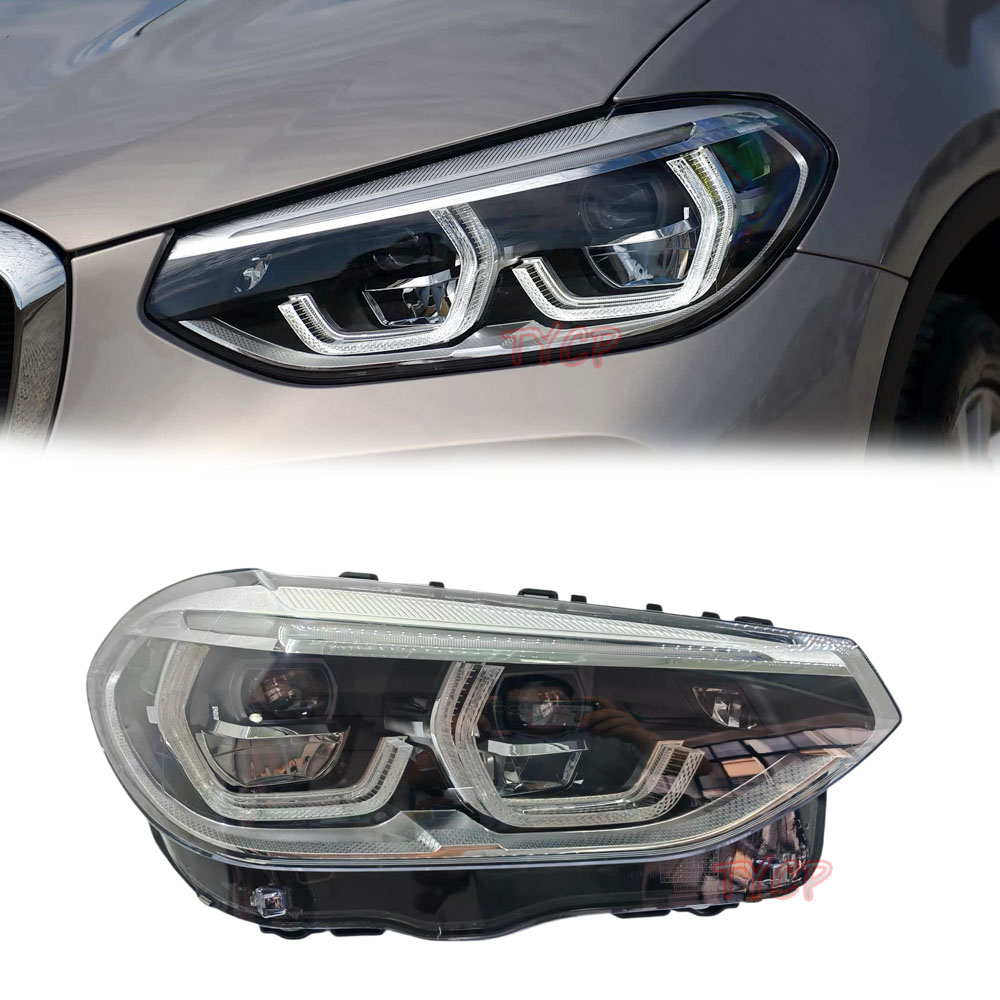
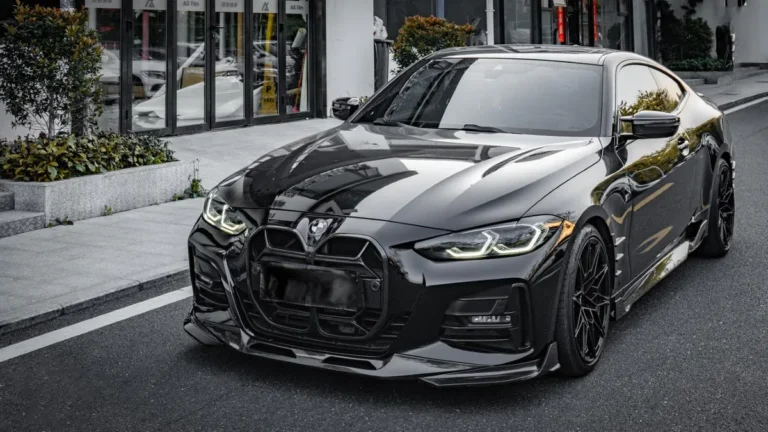
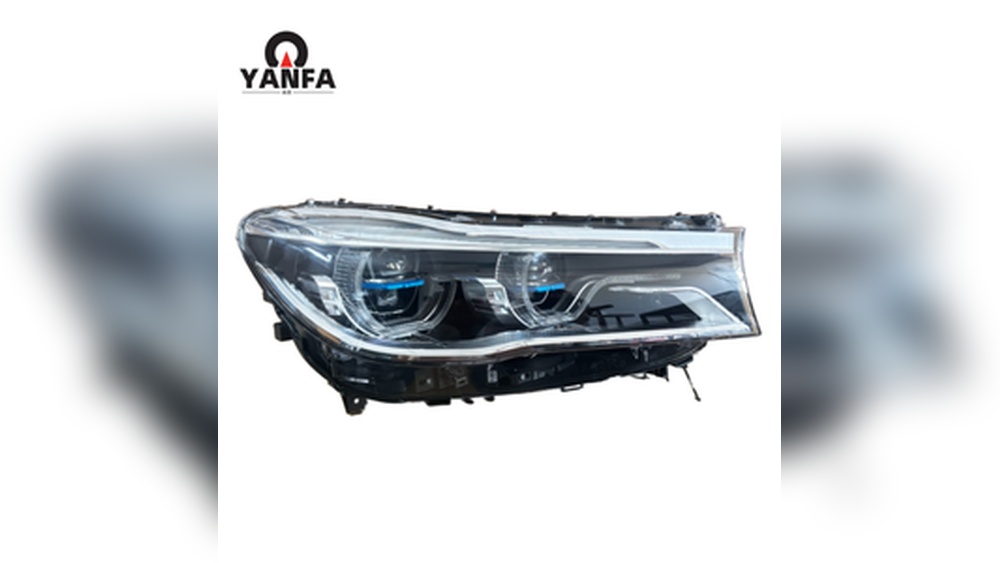
An advanced headlight combines an outer lens with several sealed optical and electronic components.
Credit: www.alibaba.com
What BMW Laserlight Actually Means
BMW Laserlight is not simply a conventional bulb replaced by a visible laser beam. In systems marketed as BMW Laserlight, laser diodes typically excite a phosphor element to produce very bright white light. The resulting illumination is then managed through the headlamp’s optical system. You can also read our guide on best air compressor for motorhome tires.
Depending on the model and equipment package, the assembly may also include:
- LED low-beam and daytime-running-light elements
- Laser-assisted high-beam modules
- Adaptive beam shaping
- Automatic leveling
- Cameras or sensors that help control the beam
- Electronic control units and cooling components
- A polycarbonate outer lens and sealed housing
BMW has used different headlight designs across model years and markets, so “Laserlight” does not describe one identical unit on every vehicle. Some BMWs with similar styling may have adaptive LED headlights rather than laser-assisted units.
For model-specific maintenance instructions, use the vehicle’s owner’s manual and BMW’s official technology information. The manual takes priority over general car-washing advice. You can also read our guide on best pre wash for cars.
How High-Pressure Washing Can Cause Trouble
A pressure washer applies water through a small nozzle. The narrower the spray pattern and the closer the nozzle is held, the greater the local force on the surface.
The water itself is usually not the main concern. Headlights are designed to operate in rain, road spray, and ordinary automatic car-wash conditions. The problem is the combination of pressure, distance, angle, temperature, and contamination. You can also read our guide on best cloth for waterless car wash spray.
Main risks
1. Abrasive grit can mark the lens
Mud and road grit may sit on the headlight. A close jet can drive those particles across the lens instead of lifting them away. Polycarbonate lenses are durable, but they can still develop fine scratches, hazing, or a cloudy appearance.
2. A strong jet can exploit a weak seal
A healthy headlight housing is sealed against normal weather exposure. A pressure washer can reveal or worsen a pre-existing weakness, such as:
- A cracked lens
- Damaged perimeter sealant
- A missing service cap
- A loose connector cover
- A previous accident repair
- A broken mounting tab or housing
Pressure washing does not usually create a leak in a properly intact unit under normal use, but it can push water through a compromised area. You can also read our guide on how to set up car wash business.
3. Water can reach vents and connectors
Headlights often need controlled venting to manage temperature and pressure changes. Spraying directly into vents, seams, connectors, or the rear of the unit is more hazardous than rinsing the front lens at a sensible distance.
4. Thermal shock may stress damaged plastic
Do not use very hot water on a cold headlamp or cold water on a very hot lamp immediately after driving. Sudden temperature changes can stress aging plastic, coatings, or an already damaged lens. You can also read our guide on bmw car wash mode vs transport mode knowing the critical difference.
5. A concentrated jet can damage surface coatings
Some headlight lenses have protective coatings that help resist ultraviolet exposure and weathering. Harsh chemicals, stiff brushes, and aggressive pressure can accelerate surface deterioration even when the lamp still appears watertight.
What high-pressure water generally does not do
A normal exterior rinse does not “knock the laser out of alignment” in an intact factory headlight. The laser and optical components are mounted inside the housing; they are not exposed behind the outer lens. Alignment problems are more commonly associated with impact damage, incorrect installation, suspension or leveling faults, or an electronic malfunction. You can also read our guide on best water jet for car wash.
That distinction matters. Avoiding exaggerated claims makes it easier to identify the real warning signs.
Is a High-Pressure Spray Safe for BMW Laserlight?
The practical answer
A controlled rinse can be safe, but a close, concentrated spray aimed directly at the headlight is not a good cleaning method.
A typical automatic wash or a careful pressure-washing routine is unlikely to harm an undamaged lamp when the spray is kept moving and away from seams. However, no universal pressure setting can be guaranteed for every BMW, because washer equipment, nozzle design, vehicle condition, and headlight construction vary.
Treat the following as a conservative operating procedure:
- Inspect the headlight before washing.
- Rinse loose dirt from a distance rather than blasting it at close range.
- Use a broad fan pattern, not a pinpoint or turbo nozzle.
- Keep the nozzle moving.
- Avoid the lens edges, panel gaps, vents, and rear housing.
- Do not use a pressure washer to remove stuck grit by force.
- Finish with a clean wash mitt and soft drying towel.
If a headlight is cracked, fogging internally, loose in its mounting, or missing a cap, hand wash it and arrange an inspection before using high pressure. You can also read our guide on best water pressure machine for car wash.
Safe BMW Laserlight Cleaning: A Step-by-Step Method
The safest method is a gentle pre-rinse followed by contact washing. This is similar to a careful two-bucket wash routine, with extra attention to the lens and its edges.
Step 1: Let the lights cool
Park in the shade and allow the headlamps to cool. Do not clean a hot lens with cold water, especially after extended night driving or high-beam use. You can also read our guide on best foam cannon for low pressure washers.
Step 2: Check for existing damage
Look for:
- Chips or cracks
- Deep scratches
- Cloudiness inside the lamp
- Water droplets or persistent condensation
- A loose lens or housing
- Missing covers
- Damaged wiring near the rear of the assembly
A small amount of temporary mist can occur when temperature and humidity change. Condensation that remains, returns repeatedly, or collects as droplets suggests a sealing or venting problem.
Step 3: Rinse gently
Use a hose or a pressure washer with a broad spray pattern. Keep the stream moving and use enough distance that the water rinses rather than strikes the lens aggressively. You can also read our guide on what is too cold to wash your car.
The purpose of this stage is to remove loose grit. It is not to scour the headlight clean.
Step 4: Wash with automotive shampoo
Use clean car shampoo and a soft microfiber wash mitt. Work lightly over the lens and surrounding trim. Do not use a household degreaser, solvent, abrasive polish, or rough sponge unless a repair professional has confirmed that it is suitable for the specific lens.
Step 5: Rinse away soap
Rinse from the top downward. Avoid holding the nozzle against seams or spraying into the gap between the lens and bodywork. You can also read our guide on ev battery cooling vents can high pressure water cause long term damage.
Step 6: Dry without grinding in dirt
Use a clean, plush microfiber towel and pat or lightly glide over the surface. Compressed air can help remove water from trim gaps, but use clean, dry air and avoid forcing it into vents, connectors, or seals. If you use a large compressor for vehicle work, its tank and duty-cycle requirements matter less than using low, controlled airflow at the lamp.
Step 7: Check the result in good light
After cleaning, confirm that the lens is clear and that no new moisture has appeared inside. If the lamp is hazy externally, cleaning may not solve the problem; the damage could be oxidation or deterioration of the protective coating.
Pressure-Washer Settings and Technique
There is no single “safe PSI” that applies to every pressure washer and BMW headlight. Pressure at the machine is not the same as force at the lens: nozzle type, spray angle, distance, and flow all change the result.
Use these principles instead:
| Practice | Safer approach |
|---|---|
| Nozzle | Broad fan spray rather than a narrow or turbo nozzle |
| Distance | Maintain a generous distance and increase it if the spray feels forceful |
| Movement | Keep the spray moving; never dwell on one spot |
| Direction | Spray across the surface, not directly into edges or gaps |
| Temperature | Use cool or lukewarm water, not a sudden hot-to-cold blast |
| Surface condition | Hand wash if mud or grit is firmly bonded |
| Damaged lamps | Avoid high pressure until the housing is inspected |
Never use a rotating dirt-blaster attachment on the headlight. It is designed for hard outdoor surfaces, not coated plastic lenses and sealed electronic assemblies.
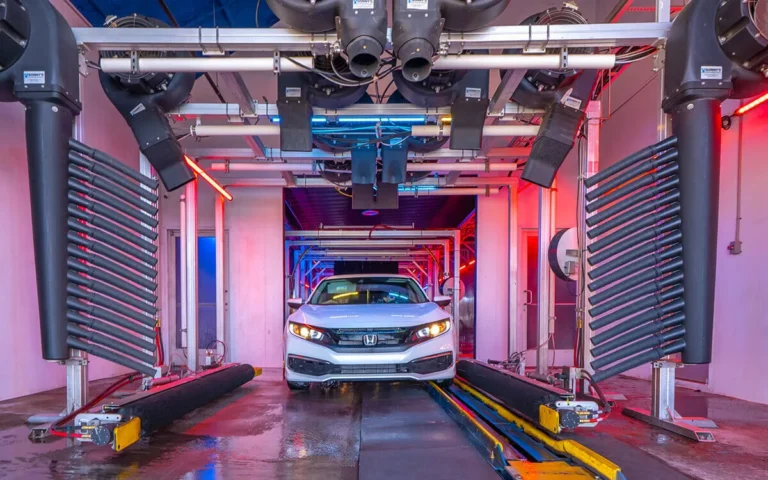
Are Automatic Car Washes Safe?
Most modern BMWs can go through a reputable automatic wash, but the wash type matters.
Touchless washes
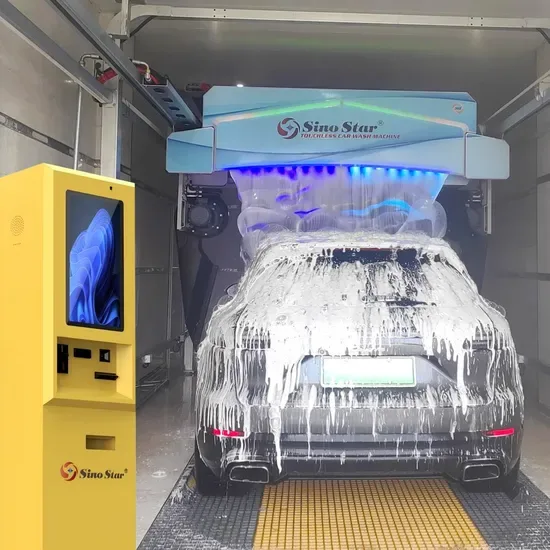
Touchless systems commonly use strong chemical pre-soaks and high-pressure rinses. They reduce brush contact, but the chemicals and jets may be aggressive. Do not allow a stationary nozzle to concentrate on the headlights, and avoid a touchless wash if the housing is cracked or leaking.
Brush or conveyor washes
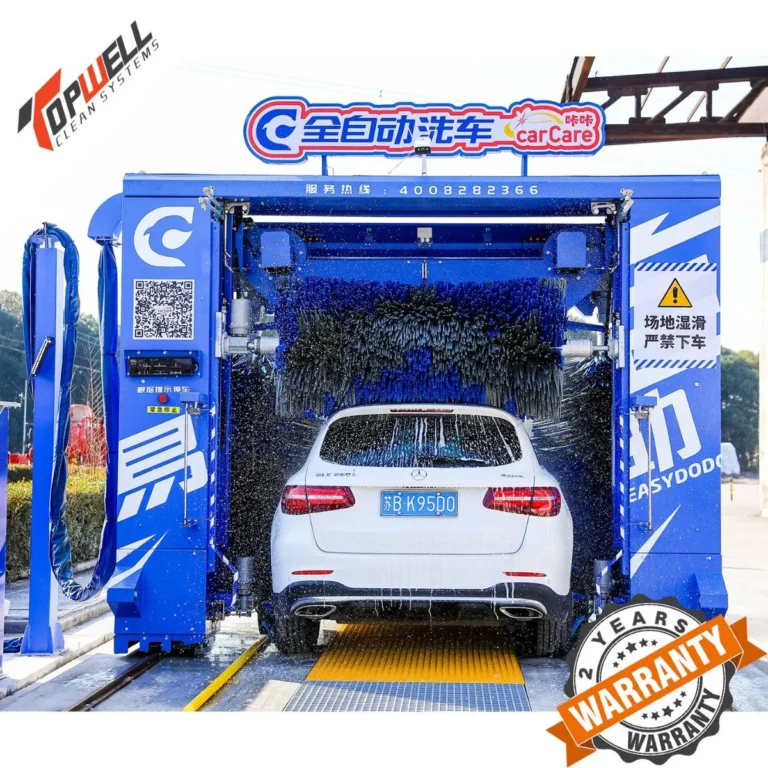
The larger risk is not only water pressure. Dirty brushes can carry grit that creates fine scratches. A well-maintained wash with clean equipment is less concerning than a neglected facility with visibly dirty brushes.
Hand washing
Hand washing gives you the greatest control over pressure, soap, contact, and drying. It is the preferred option when the BMW has expensive adaptive lighting, a repaired front end, aging seals, or known condensation.
If you regularly travel in demanding conditions, review the equipment and visibility requirements that can affect vehicle operation in places such as mountain driving areas.
Common Mistakes to Avoid
- Spraying the lamp from only a few inches away
- Using a turbo, needle, or rotating nozzle
- Blasting dirt off instead of rinsing it away
- Holding the jet along the lens perimeter
- Spraying directly into rear vents or connectors
- Washing a hot lens with very cold water
- Using glass cleaner containing unsuitable solvents
- Scrubbing with a dirty sponge or old towel
- Applying abrasive polish without checking the lens coating
- Ignoring recurring internal condensation
- Assuming a clean lens means the beam is correctly aligned
A common mistake is treating the headlight like painted metal. The outer lens is a transparent optical surface, and scratches or hazing can scatter light even when the lamp still turns on normally.
Symptoms That Need Professional Inspection
Stop using high-pressure cleaning and arrange an inspection if you notice:
- Persistent moisture inside the headlight
- Water pooling at the bottom of the housing
- Flickering or intermittent illumination
- A warning message on the instrument cluster
- Uneven beam height or an obviously misdirected beam
- Cracks around the lens or mounting points
- A loose headlight after collision repair
- A laser or adaptive-lighting function that no longer operates
- A lens that remains cloudy after careful external cleaning
Do not open or modify a laser-equipped headlight casually. The internal system includes high-intensity light sources, electronics, and model-specific safety controls. Diagnosis and repairs should follow BMW procedures and be performed by a qualified technician.
Headlight performance is also part of broader road safety. A vehicle inspection guide, such as these general safety-check principles, can help explain why visibility equipment should be checked rather than judged only by whether it illuminates.
Can You Restore a Cloudy Laserlight Lens?
First identify whether the cloudiness is on the outside or inside.
External haze
External haze may result from ultraviolet exposure, oxidation, chemical damage, or worn protective coating. A suitable headlight-restoration process may improve appearance, but aggressive sanding or polishing can remove remaining protection or distort the optical surface if performed incorrectly.
Internal haze or moisture
Internal fogging, droplets, or staining indicates a housing, vent, or seal issue. Exterior polishing will not fix it. The unit may need leak testing, resealing where appropriate, drying, or replacement of damaged parts.
Do not apply an aftermarket film or coating without confirming that it is compatible with the lens material, heat output, optical performance, and local requirements. Reduced light transmission or altered beam distribution can create a safety problem even if the lens looks better.
BMW Laserlight Cleaning: Quick Decision Guide
| Situation | Recommended action |
|---|---|
| Light dust and road film | Gentle hand wash or soft hose rinse |
| Loose mud | Rinse from a distance, then hand wash |
| Stubborn bonded grit | Soak and hand wash; do not increase pressure sharply |
| Cracked lens | Avoid pressure washing and arrange inspection |
| Persistent internal condensation | Have the housing and vents checked |
| Recently repaired front end | Use gentle washing until seals and fit are confirmed |
| Routine automatic wash | Use a reputable facility and avoid aggressive settings |
| Heavy chemical pre-soak | Keep dwell time short and rinse thoroughly |
For vehicles that must meet local visibility rules, remember that aftermarket tint or dark films can reduce light transmission. Regulations differ by location; for example, the discussion of light-transmission requirements illustrates why appearance changes should not be treated as purely cosmetic.
Keep the spray broad and moving while rinsing the headlight lens.
Credit: www.aliexpress.com
Frequently Asked Questions
Are high-pressure sprays safe for BMW Laserlight headlights?
They can be safe when used cautiously on an intact headlight, with a broad spray pattern, adequate distance, and no direct spray into seams or vents. A close-range concentrated jet is unnecessary and increases the risk of lens damage or water intrusion.
Can pressure washing damage the laser module itself?
The laser and optical components are inside the sealed housing, so ordinary exterior rinsing should not physically move them in a healthy unit. Pressure washing can still worsen a damaged seal or housing and allow moisture to reach internal electronics. Alignment faults are more often caused by impact, installation, leveling, or electronic problems.
What is the safest way to clean BMW Laserlight headlights?
Let the lamp cool, rinse loose grit gently, wash with automotive shampoo and a clean microfiber mitt, rinse thoroughly, and dry with a soft towel. Avoid abrasive products, harsh solvents, narrow pressure-washer jets, and direct spraying into the housing’s edges or vents.
Is condensation inside a BMW headlight normal?
Brief, light misting can occur after temperature changes and may clear as the lamp warms and ventilation works. Persistent fogging, droplets, staining, or pooling water is not something to dismiss. It may indicate a seal, vent, crack, or installation problem.
Can I use household glass cleaner on the lens?
Do not assume that a household glass cleaner is compatible with the lens plastic or its protective coating. Use a product intended for automotive exterior surfaces and follow BMW’s instructions for your model. Avoid ammonia, strong solvents, abrasive compounds, and unapproved coatings unless compatibility is confirmed.
Should I use a touchless car wash?
A touchless wash may be acceptable for an undamaged BMW, but its high-pressure rinse and chemical pre-soak can be aggressive. Choose a facility with sensible settings, keep the spray from dwelling on the headlight, and hand wash instead if the lamp has cracks, loose trim, or condensation.
What should I do if the headlight becomes wet inside after washing?
Do not keep blasting it with water or attempt to open the assembly. Photograph the moisture, allow the vehicle to dry naturally in a safe location, and have the headlight, vents, seals, and connectors inspected if the moisture persists or warning messages appear.
Conclusion
BMW Laserlight headlights are built for rain, road spray, and normal vehicle washing, but they are not designed to benefit from a close-range blast of concentrated water. The safest rule is to rinse gently, keep the nozzle moving, avoid seams and vents, and hand wash whenever the lamp is damaged or unusually dirty.
A careful wash protects the lens, reduces the chance of water intrusion, and helps preserve proper beam performance. Before your next wash, check the exact BMW manual and inspect the headlight for cracks, loose trim, or condensation—those conditions matter more than the word “laser” on the equipment list.