Black Friday deals are live on Amazon · limited-time discounts, grab them before they’re gone
Grab the deals

ByMax Lee
How to Keep a Black Car Clean Between Washes: Expert Tips Revealed
Black paint can look exceptionally deep and glossy, but it also reveals dust, pollen, fingerprints, water spots, bird droppings, and fine swirl marks almost immediately. The solution is not to scrub the car every day. It is to prevent contamination where possible, remove fresh messes safely, and use enough lubrication to keep dirt from being dragged across the clear coat.
The best routine combines smart parking, targeted spot cleaning, clean microfiber towels, careful drying, and a durable layer of paint protection. This guide explains how to keep a black car clean between washes without creating the scratches and haze that make dark paint look dull. You can also read our guide on best car wash for paint protection.
Why Black Cars Show Dirt and Swirl Marks So Easily
Black paint does not necessarily attract more dirt than white or silver paint. It simply provides more contrast. A pale layer of dust may be difficult to notice on a light-colored vehicle, while the same layer stands out immediately on black paint.
Dark finishes also make defects easier to see:
- Fine circular scratches scatter reflected light.
- Water spots leave pale mineral outlines.
- Fingerprints show oils and dust clearly.
- Dried bird droppings create contrasting stains.
- Pollen and road film make the finish look gray rather than deep black.
In practice, the biggest threat is usually not ordinary dust. It is incorrect wiping. A dry towel, dirty wash mitt, or overly aggressive pass can drag abrasive particles over the clear coat. The goal between washes is therefore minimal contact with maximum lubrication. You can also read our guide on best products for car washing.
Before choosing a maintenance routine, inspect the surface:
- Light dust or fingerprints: A quick detailer may be appropriate.
- Light road film: Use a rinseless or waterless wash according to its instructions.
- Mud, salt, heavy grit, or oily traffic film: Perform a proper wash instead of wiping the surface.
- Sticky sap, insects, or bird droppings: Treat the affected area promptly and separately.
For broader paint-care decisions, compare your washing options with this guide to paint-friendly cleaning methods.
Build a Safe Between-Wash Routine
A black car stays cleaner when small tasks are handled before contaminants dry and accumulate. Use the following routine as a practical starting point. You can also read our guide on how to prevent water spots on car after washing.
After Every Drive: Check the High-Risk Areas
When you park, quickly inspect:
- The hood and roof for bird droppings
- The front bumper and mirrors for insects
- The lower doors and rocker panels for road film
- Door handles for fingerprints
- The windshield and side glass for water or oily marks
You do not need to clean the entire car every time. Spot-treating one fresh contaminant is safer than repeatedly wiping every panel.
Every Few Days: Remove Only Light Contamination
If the vehicle has light dust but no visible grit, use a compatible quick detailer or rinseless-wash product. Work in small sections and stop if the towel begins to drag. If the surface feels gritty or the towel becomes visibly dirty, the car needs a more thorough wash. You can also read our guide on best microfiber cloth for washing cars top picks for streak free shine.
Weekly or As Needed: Wash and Dry Properly
The correct frequency depends on weather, parking, road conditions, and driving distance. A garage-kept weekend car may need little attention between washes. A daily driver parked outdoors near construction, trees, or salted roads may need a wash much sooner.
Do not follow a rigid calendar when the paint is visibly contaminated. Surface condition matters more than the number of days since the last wash. You can also read our guide on are automatic car washes bad for your paint.
Use a Quick Detailer Only for Light Dust and Fingerprints
A quick detailer can refresh a clean or nearly clean surface, but it is not a substitute for washing away heavy grime. Its main purpose is to provide lubrication while lifting very light dust, smudges, and residue.
Use it safely:
- Park in the shade and allow the paint to cool.
- Choose a product labeled for exterior automotive paint.
- Spray the product onto a small section or onto the towel, depending on the manufacturer’s directions.
- Use a plush, clean microfiber towel.
- Wipe in one direction with very light pressure.
- Turn to a clean side after each pass.
- Use a second towel for the final buff if residue remains.
Avoid wiping a black car that has visible sand, dried mud, road salt, or heavy traffic film. No spray can guarantee scratch-free wiping when abrasive particles are trapped on the surface.
A common mistake is using one towel for the entire vehicle. Once a towel has collected contamination, continuing to use it can redistribute that grit onto cleaner panels.
Keep the Right Microfiber Towels Separate
Microfiber quality and towel management matter as much as the cleaning chemical. Keep separate towels for:
- Paint and final buffing
- Glass
- Wheels and tires
- Door jambs
- Interior surfaces
- Bird droppings and insect residue
A plush, edgeless towel is useful for light paint maintenance because it provides more surface area for trapping particles. Shorter-pile towels can be better for glass or removing product residue, while wheel towels should never return to the paint.
Wash towels separately from household laundry:
- Use a microfiber-safe detergent.
- Avoid fabric softener and dryer sheets.
- Do not wash them with cotton towels, which can release lint.
- Dry on low heat or air-dry.
- Store them in a clean, closed container.
Inspect each towel before use. Discard or downgrade any towel that feels stiff, contains embedded grit, or has a rough edge. A towel that is technically clean can still scratch if its fibers have been damaged.
You can refine your towel system with these microfiber selection guidelines—particularly if you are also setting up compressed air for drying tight areas.
Remove Bird Droppings, Sap, and Insects Immediately
Organic contamination can damage clear coat if it remains on the paint, especially in hot sunlight. Bird droppings may contain abrasive material, while tree sap and insect residue can harden and become difficult to remove without excessive pressure.
Safe Spot-Removal Method
- Move the car into shade if possible.
- Place a thoroughly damp microfiber towel over the contamination.
- Apply a compatible quick detailer or dedicated spot remover.
- Allow the product to soften the residue according to its label.
- Lift the contamination gently rather than scrubbing.
- Use a clean section of towel for each pass.
- Inspect the area before applying more pressure.
For hardened material, repeat the process. Do not scrape with a fingernail, plastic card, razor blade, or dry towel. If the residue has etched the clear coat, additional wiping will not restore the finish; polishing may be required.
Keep a small emergency kit in the trunk containing a clean microfiber towel, suitable detailer, and disposable gloves. Do not leave damp towels sealed in a bag for long periods, because they can develop odors and mildew.
Use Waterless or Rinseless Washes Within Their Limits
Waterless and rinseless products are useful when the car has light contamination and a conventional hose wash is impractical. They work by increasing lubrication and helping suspend or encapsulate dirt so it can be removed with controlled towel movements.
They are not appropriate for every condition.
A Waterless or Rinseless Product Is Usually Suitable For:
- Light dust
- Pollen
- Fingerprints
- Mild road film
- A vehicle that was recently washed and lightly contaminated
Use a Full Wash Instead For:
- Dried mud
- Heavy road salt
- Sand
- Thick brake dust on painted areas
- Oily traffic film
- Contamination that causes the towel to drag
Work in small sections, use more product than you think you need, and change towel sides frequently. Follow the product’s stated dilution and dwell-time instructions rather than assuming every formula works the same way.
If water restrictions or drainage are a concern, check local requirements before washing outdoors. The U.S. Environmental Protection Agency provides general environmental information, but local stormwater rules may be handled by your city, county, or water authority.
Park to Prevent Dirt Before It Lands
Parking strategy is one of the easiest ways to reduce cleaning work.
Better Parking Choices
- Use a garage or covered parking space when practical.
- Avoid parking beneath trees when sap, pollen, or bird activity is high.
- Keep distance from dusty construction entrances and unpaved shoulders.
- Avoid parking near sprinklers, which can leave mineral deposits.
- Choose shade, but do not assume every shaded space is clean or safe for paint.
- Use a breathable, vehicle-specific cover only on a clean car.
A cover placed over a dusty vehicle can move grit across the paint in the wind. A cover also needs to be clean and properly fitted. Loose or dirty covers can cause more abrasion than they prevent.
When outdoor parking is unavoidable, inspect the car after storms, pollen-heavy days, and periods of intense heat. Fresh contamination is usually easier and safer to remove than baked-on residue.
Prevent Water Spots Before They Dry
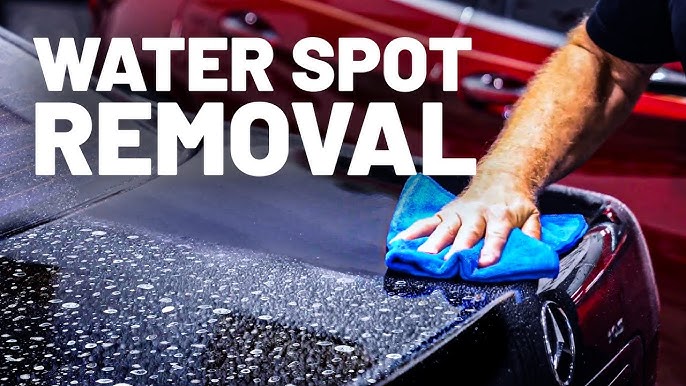
Water spots are mineral deposits left behind when water evaporates. They are particularly visible on black paint and may become etched if the minerals remain on the surface or the car repeatedly dries in direct sun.
To reduce spotting:
- Wash in the shade whenever possible.
- Work one section at a time.
- Rinse thoroughly so shampoo does not dry on the surface.
- Use a clean drying towel rather than allowing the car to air-dry.
- Use compressed air around mirrors, emblems, grilles, and trim to remove trapped water.
- Do not dry with a towel that has already become saturated or dirty.
A blower can reduce contact with the paint, but it is not a replacement for washing. Blowing air across a gritty surface can move particles around, and some compressed-air systems may carry moisture or oil. If you use a compressor, keep the air clean and dry and avoid directing high pressure at fragile trim or weather seals. Vehicle owners who are equipping a garage can review compressor setup considerations before buying equipment.
Wash the Car Correctly When a Full Clean Is Due
Between-wash products cannot replace proper cleaning indefinitely. When the surface has visible road film or grit, use a careful wash rather than repeated spot wiping.
A safe process is:
- Rinse loose contamination from the vehicle.
- Clean the wheels and tires with separate tools.
- Prepare a dedicated wash solution and rinse bucket.
- Start at the roof and work downward.
- Wash small sections with a clean mitt.
- Rinse the mitt frequently.
- Leave the dirtiest lower panels until last.
- Rinse thoroughly.
- Dry immediately with clean, high-pile towels or filtered air.
- Inspect the paint in good lighting.
A two-bucket setup helps separate shampoo solution from rinse water, but technique still matters. Do not press hard, use circular motions, or continue with a mitt after it has touched a heavily contaminated area.
After washing, check the finish from different angles. A black car can look clean under shade while still showing streaks, residue, or water spots in direct light.
Add Paint Protection to Make Maintenance Easier
Protection does not make a car self-cleaning, but it can make contamination easier to remove and reduce how strongly water bonds to the surface.
Wax
Wax can provide a warm appearance and is straightforward to apply. It generally requires more frequent renewal than a synthetic sealant, particularly on vehicles exposed to strong sun, frequent washing, or harsh weather.
Synthetic Sealant
A sealant is often a practical choice for a daily driver. It typically offers longer-lasting protection than traditional wax and can be reapplied without the cost or preparation associated with a professional coating.
Ceramic Coating
A ceramic coating chemically bonds to the prepared surface and can provide durable hydrophobic behavior. It does not make the paint scratch-proof, eliminate water spots, or remove the need for washing. Poor preparation can permanently lock in visible defects, so professional installation may be worthwhile when the finish needs polishing first.
Before applying any protection:
- Wash the vehicle thoroughly.
- Remove bonded contamination if necessary.
- Polish only when correction is needed and you understand the risks.
- Apply protection to a cool, clean surface.
- Follow the product’s cure time and maintenance instructions.
Do not apply wax, sealant, or coating over dust and road film. Doing so can trap contamination and make the finish appear cloudy.
Clean Glass, Trim, and Wheels Without Spreading Grime
A clean exterior can still look neglected if the glass, wheels, and trim are dirty. Clean these areas with dedicated tools so brake dust and oily residue do not reach the paint.
Glass
Use a glass-specific cleaner and a lint-free towel. Clean the inside and outside in different directions—for example, vertical strokes inside and horizontal strokes outside—so you can identify which side contains a streak.
For vehicles with tinted windows, use a product labeled safe for aftermarket film. Ammonia-based products may damage some films or adhesives, so follow the tint manufacturer’s guidance. If you are checking local tint regulations while maintaining visibility, consult this window-tint rules guide.
Wheels and Tires
Wash wheels with separate tools and rinse them before touching painted body panels. Brake dust can contain abrasive particles, and transferring it to a paint towel is an avoidable mistake.
Exterior Trim
Use a compatible trim cleaner or protectant sparingly. Excess product can sling onto black paint and attract dust. Wipe away residue rather than leaving a greasy film.
Common Mistakes That Make Black Paint Look Worse
Wiping a Dry, Dirty Surface
Dry wiping provides little lubrication and can create fine marring. If the towel does not glide easily, stop and change to a safer cleaning method.
Using Household Soap
Dish soap and household cleaners are not designed for automotive paint protection systems. They may remove existing protection, leave residue, or behave unpredictably on trim and coatings.
Using One Towel Everywhere
A towel used on wheels, door jambs, or the floor should never be used on the paint. Color-coding towels makes this rule easier to follow.
Washing in Direct Sun
Heat causes water and chemicals to dry quickly, increasing the chance of streaks and mineral deposits. If direct sun is unavoidable, work in smaller sections and keep the surface wet according to the product instructions.
Applying More Pressure to Remove a Stain
Pressure does not replace lubrication. If a spot remains after gentle treatment, repeat the process or seek professional paint correction rather than scrubbing harder.
Using an Automatic Wash Without Understanding the Equipment
Some automatic systems use brushes or recycled water that may increase the risk of marring. A touchless system avoids brush contact but may rely on stronger chemicals and high pressure. Choose the least aggressive method that removes the actual contamination, and inspect the vehicle afterward.
Black Car Between-Wash Checklist
| Task | When to do it | Safe approach |
|---|---|---|
| Inspect for bird droppings and sap | After parking or driving under trees | Soften and lift with a suitable product |
| Remove fingerprints | As needed | Use lubrication and a clean microfiber towel |
| Light dust maintenance | Only when the surface is nearly clean | Work in small sections with frequent towel changes |
| Rinseless or waterless wash | For light contamination | Follow the product’s dilution and dwell instructions |
| Full wash | When grit, salt, mud, or road film is visible | Rinse first and use separate wash tools |
| Drying | Immediately after washing | Use clean towels or clean, dry air |
| Glass cleaning | When haze or streaks appear | Use a dedicated glass towel and film-safe cleaner |
| Paint protection | After proper preparation | Apply wax, sealant, or coating according to its instructions |
| Towel washing | After use | Wash separately without softener or dryer sheets |
| Wheel cleaning | During full washes | Keep wheel tools separate from paint tools |
Frequently Asked Questions
How often should I use a quick detailer on a black car?
Use one when the surface has only light dust, fingerprints, or a small amount of fresh residue—not simply because a certain number of days has passed. Frequent wiping of a dirty vehicle can cause marring, so a proper wash is safer once the car develops visible grit or road film.
What is the safest way to remove dried bird droppings?
Do not scrape or rub the spot while it is dry. Cover it with a damp microfiber towel, apply a suitable cleaner, allow it to soften, and lift it gently. Repeat the process if necessary. If the paint remains discolored or etched, it may require polishing rather than more cleaning.
Can I use a waterless wash on a black car?
Yes, when the contamination is light and the product is designed for that use. Use plenty of lubrication, clean towels, and small sections. Avoid waterless washing over mud, sand, road salt, or heavy grit because the towel may drag abrasive material across the clear coat.
How do I prevent swirl marks?
Reduce unnecessary contact, rinse loose dirt before washing, use separate clean tools, wash from top to bottom, and change towel sides often. Avoid dry wiping, circular scrubbing, old bath towels, dirty sponges, and excessive pressure.
Is a ceramic coating necessary for a black daily driver?
No. A quality synthetic sealant may provide a practical balance of durability, cost, and ease of use. A ceramic coating can be worthwhile if you want long-term protection and are prepared to maintain it correctly, but it does not prevent all scratches, eliminate water spots, or replace regular washing.
Should I use a car cover outdoors?
Only on a clean vehicle and with a clean, breathable, correctly fitted cover. Using a cover over dust or grit can cause abrasion as the material moves. In many situations, a clean covered parking space is safer and more convenient than repeatedly covering an exposed car.
Conclusion
Keeping a black car clean between washes is mainly an exercise in controlling contact. Park away from avoidable contamination, remove bird droppings and sap quickly, use clean microfiber towels, and reserve quick detailers and waterless products for genuinely light dirt. When the car is gritty, wash it properly instead of trying to wipe the contamination away.
A suitable sealant or coating can make future cleaning easier, but careful technique remains the most important protection. Start by preparing a dedicated towel and spot-cleaning kit, then make your next full wash gentler, better lubricated, and easier to dry.








