ByMax Lee
Are Automatic Car Washes Bad for Your Paint? Shocking Truth Revealed
Have you ever wondered if the convenience of an automatic car wash could be slowly wearing down your vehicle’s finish? You want your car to look its best and last for years, but the trade-off between speed and paint health isn’t always clear. With decades of automotive care experience and up-to-date research, I’ll break down exactly what happens to your paint in an automatic wash, which types pose the real risk, and how to protect your investment—so you can wash with confidence.
 Credit: www.reddit.com
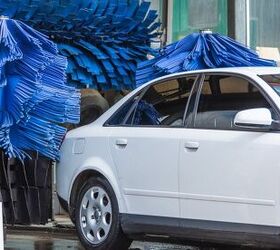
Image: A tunnel-style automatic car wash in operation, illustrating the brushes and water flow that make contact with vehicle surfaces. You can also read our guide on how to use an automatic car wash.
How Automatic Car Washes Work
Automatic car washes use mechanical processes to clean vehicles with minimal human effort. Understanding the two primary types and their cleaning mechanisms helps you gauge the potential impact on your paint.
Tunnel Washed vs. Touchless: Mechanisms Differ
Tunnel washes pull your car through a long, enclosed conveyor system. As the vehicle moves forward, a series of arching brushes, cloth strips, and high-pressure sprayers activate in sequence. Typically, a pre-soak detergent loosens grime, the brushes or cloths scrub the surface, rinse cycles follow, and powerful blowers dry the car at the end. Tunnel washes can be further categorized by brush type: soft-cloth systems use foam or microfiber strips, while “brush” systems use nylon or polyester bristles that spin against the paint. You can also read our guide on best touchless car wash soap for foam cannon top picks reviewed.
Touchless washes, by contrast, rely entirely on chemistry and hydraulics. No components touch the vehicle. High-pressure water jets spray rotating patterns of detergent and rinse solution, while powerful blowers evaporate remaining moisture. Because there is no physical contact, the risk of mechanical scratches is theoretically eliminated—but cleaning effectiveness depends heavily on water quality, detergent chemistry, and dwell time.
In practice, modern tunnel washes with soft-cloth technology have improved significantly over older stiff-bristle systems, and many touchless facilities now incorporate high-pH-free detergents to compensate for the lack of mechanical action. The choice between them often comes down to your local facility’s equipment age and maintenance standards. You can also read our guide on will automatic car wash remove ceramic coating.
Cleaning Mechanisms Explained
Brushes and cloth strips mechanically lift dirt through friction. If grit becomes trapped in the media, that grit acts like sandpaper, creating micro-scratches across the clear coat. Soap chemistry breaks the surface tension of water, allowing it to lift oils and soils; however, overly aggressive surfactants can strip away waxes, sealants, or ceramic coatings that protect the paint. Rinse cycles use volume and velocity to push debris away, while centrifugal blowers remove water to prevent spotting. The interaction between these steps—especially if a wash cycle is rushed or equipment is poorly maintained—determines whether the result is a clean car or a mildly abraded finish.
Common Paint Issues Linked to Automatic Car Washes
While many drivers notice no immediate change, repeated exposure to certain automatic wash systems can manifest in specific paint degradation patterns.
Scratches and Swirl Marks
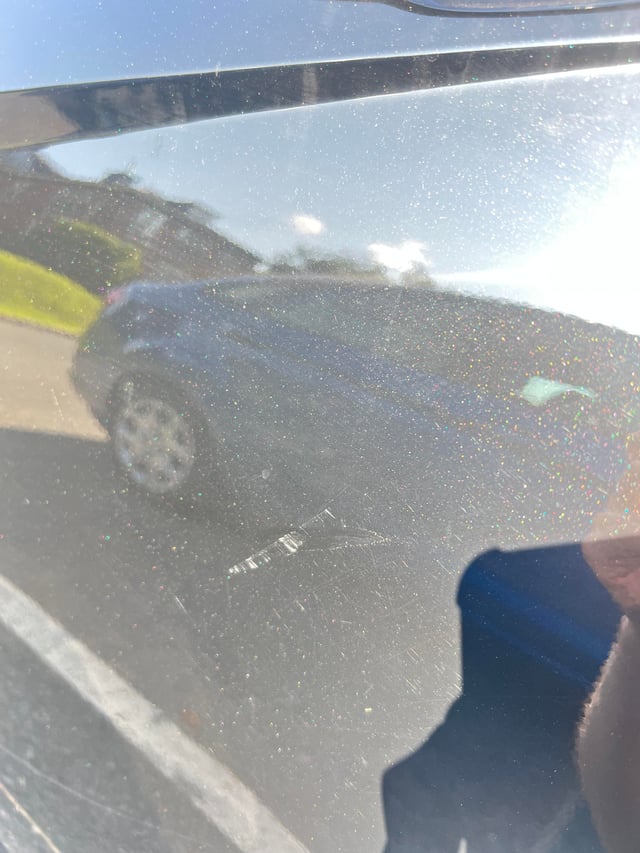
Swirl marks are concentric, spider-web-like scratches most visible under direct sunlight or bright outdoor lighting. They occur when abrasive particles—often microscopic grit, sand, or metal debris—become embedded in wash mitts, brushes, or cloth strips. As those tools glide across the surface, the embedded grit moves in tight circles, cutting tiny channels into the clear coat. Older vehicles with softer or thinner clear coats are especially susceptible. In severe cases, frequent swirl marking can diminish gloss and make paint appear “cloudy,” reducing resale value.
Paint Fading and Dulling
Harsh alkaline detergents strip away the protective wax or sealant layer that sits atop the paint. Once that sacrificial layer is gone, the clear coat is directly exposed to ultraviolet radiation from the sun. Over time, UV breaks down polymer chains in the clear coat, leading to chalking, fading, and a loss of depth. Strong detergents may also contain solvents that affect pigment stability, particularly on older single-stage paints or freshly applied custom finishes. You may notice a car looking “washed out” after just a few months of regular automatic washes if protective coatings aren’t refreshed.
Factors That Affect Paint Damage
Not every automatic wash will harm your paint. Several variables determine the level of risk.
Brush Material and Condition
Soft-cloth strips made from microfiber or specialized foam are significantly gentler than traditional nylon bristles. Bristles that feel rough, stand upright unevenly, or show visible wear are more likely to trap grit and cause marring. Facilities that regularly rotate and launder their cloth media reduce contaminant buildup. If you can inspect the brushes or cloths before your car enters the tunnel, look for a clean, pliable texture—any stiffness or discoloration is a warning sign.
Use of Chemicals and Soaps
pH-balanced soaps (near neutral, around 7) are safest for both paint and the environment. High-pH (alkaline) detergents excel at cutting road grime and grease but can etch delicate finishes if left too long or used repeatedly without neutralizer follow-up. Some facilities now offer “wax-infused” or “protectant” cycles that deposit a thin protective layer during the wash—these can be beneficial if you’re not planning a separate waxing session. Always ask what chemistry your chosen wash uses; a reputable site will disclose whether they use mild, pH-neutral formulas or aggressive industrial-strength degreasers.
Frequency of Washes
Washing your car every one to three weeks is typical for most drivers. Going daily with an abrasive brush system increases cumulative micro-scratch accumulation. Conversely, washing less frequently allows contaminants like bird droppings, tree sap, and road salt to bake into the finish, which are far harder to remove without aggressive correction. The sweet spot for many is a touchless or soft-cloth wash every two weeks, complemented by a hand rinse or detail spray in between to remove fresh debris.
Automatic vs. Hand Washes: A 2026 Comparison
Choosing between machine and hand washing involves trade-offs between time, cost, and finish preservation.
Pros and Cons of Automatic Washes
Advantages: Time efficiency (typically under five minutes), consistent water pressure, and accessibility at fuel stations and shopping centers. Modern soft-cloth tunnels deliver a reasonably clean result with minimal effort. Disadvantages: Potential for brush-induced micro-scratches, variable detergent quality, and the possibility of missed spots in crevices like side mirrors or door jambs. Repeated use without protective coating maintenance can accelerate clear-coat wear.
Benefits of Hand Washing
Hand washing gives you total control over pressure, tool selection, and product application. Using a high-quality microfiber mitt, two-bucket method, and pH-neutral shampoo typically produces the lowest scratch risk. You can focus on problem areas—such as rock chips or bug splatter—without disturbing the rest of the surface. The trade-off is time: a thorough hand wash can take 45 minutes to over an hour, and it requires access to water, drainage, and detailing supplies. For show cars, daily drivers in harsh climates, or vehicles with delicate finishes, hand washing remains the gold standard for longevity.
Protecting Your Paint at Any Car Wash
Whether you choose automatic or hand washing, a few practical steps can dramatically reduce the risk of paint damage.
Choosing the Right Wash Type for Your Vehicle
If your car has a recent ceramic coating, a touchless wash is often recommended to avoid disrupting the coating’s bond. Vehicles with older factory clear coats may tolerate soft-cloth tunnels well, especially if the facility maintains its equipment. Ask these three questions before committing: (1) What type of media touches the paint? (2) How often are cloths or brushes laundered? (3) Are the detergents pH-balanced? A “yes” to all three signals a lower-risk option.
Pre-Wash Inspection: Set Yourself Up for Success
Before entering any wash, spend a minute removing large debris—mud, sticks, or heavy salt crusts—by hand or a low-pressure rinse. Particles left on the surface will be dragged across the paint during the wash, increasing scratch likelihood. Check for loose trim, uncapped fuel doors, or recently applied wax that could lift during high-pressure spraying. If you spot a fresh chip or scratch, covering it with a temporary touch-up pen can prevent dirt from settling into the damage.
Post-Wash Maintenance: Dry, Seal, and Protect
Never air-dry a car in the sun; mineral deposits will etch into the finish as water evaporates. Instead, use a clean, plush microfiber towel or a forced-air blower (such as a leaf blower on cool setting) to remove water from crevices. Immediately after drying, apply a quick detailer, spray wax, or ceramic booster spray. These products replenish lost protection, fill microscopic swirls, and make the next wash easier by creating a slicker surface that sheds dirt more readily. Inspect the paint under shade for any new swirls or missed spots, and address them with a polish or touch-up before they set.
Better Alternatives to Traditional Automatic Washes
For drivers prioritizing paint health, several alternatives exist that balance convenience with careful cleaning.
Touchless Car Washes
Touchless facilities use only water pressure and chemistry, eliminating brush-contact entirely. They are ideal for vehicles with ceramic coatings, matte wraps, or freshly painted surfaces. Effectiveness varies: light road dust and pollen wash away readily, but ingrained tar, bug residue, or road salt may require a follow-up hand spot clean. Look for touchless bays that advertise “triple-foam” or “pre-soak” cycles, as these enhance soil removal without physical abrasion.
Mobile Detailing Services
Mobile detailers bring professional-grade equipment and pH-balanced products to your driveway. They typically use the two-bucket method, grit guards, and high-quality microfiber towels, achieving a hand-wash standard without you lifting a finger. Many also offer add-on services like paint correction, sealant application, or ceramic coating maintenance. This option sits between the speed of an automatic wash and the thoroughness of a full-detail shop, and it’s particularly valuable for those who want a meticulous clean on their own schedule.
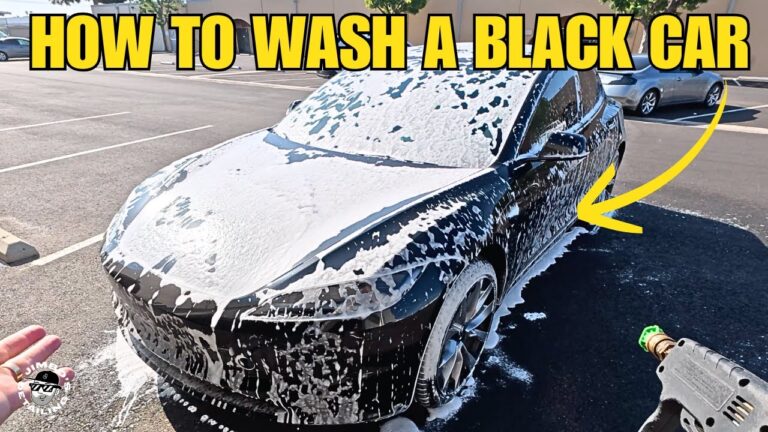
DIY Two-Bucket Method and Foam Cannon Basics
If you enjoy washing your own car, the two-bucket method (one bucket with soap, one with clean water for rinsing the mitt) is the single most effective habit for reducing swirl marks. A foam cannon attached to a pressure washer coats the vehicle in thick, lubricating foam that lifts dirt before any mitt contact. Rinse the foam off with low-pressure water, then wash using a gentle gliding motion. This approach delivers show-car results with minimal risk when done consistently.
FAQ: Shocking Truths About Automatic Car Washes
Are all automatic car washes damaging to paint?
No. Soft-cloth tunnel washes with regular maintenance and pH-balanced soaps pose far less risk than older brush-type systems or poorly maintained touchless bays with dirty nozzles. Your local facility’s upkeep matters as much as the wash type itself.
How often should I use an automatic wash without hurting my paint?
Every two weeks is a safe baseline for most vehicles using modern soft-cloth systems. If you notice swirl marks appearing, extend the interval to three or four weeks and incorporate a hand rinse or detail spray in between washes.
Can touchless washes really clean as well as brush washes?
Touchless washes excel at removing loose dirt and surface grime but may struggle with stubborn contaminants like tar or dried bird droppings. For those, a quick hand spot clean or a visit to a detailer is recommended rather than repeated high-pressure blasting, which can drive contaminants deeper into the clear coat.
Do automatic washes remove ceramic coatings?
Most modern automatic washes, especially touchless ones, do not strip well-cured ceramic coatings. However, abrasive brush systems or alkaline detergents left on the surface too long can degrade the coating over time. If you have a ceramic coating, stick with touchless or hand washing and use pH-neutral products.
Will waxing after an automatic wash really help?
Yes. A quality carnauba or synthetic wax applied after every wash replenishes the protective layer that detergents strip away. This barrier shields the clear coat from UV rays, road salt, and future wash abrasion, and it makes subsequent washes slicker and safer.
Making the Right Choice for Your Car
Your ideal washing routine depends on your vehicle’s finish, your local climate, and how much time you want to spend at the bay. If you drive a newer car with factory clear coat or a ceramic coating, a touchless wash every two weeks—supplemented by a hand detail monthly—will keep gloss high and swirl marks low. Older vehicles or those without protective coatings may benefit more from soft-cloth tunnels with pH-neutral soaps, paired with a post-wax routine. For show-quality finishes or harsh winter conditions where road salt is constant, hand washing remains the most paint-friendly path.
Conclusion
Automatic car washes offer undeniable convenience, but they aren’t all created equal. Brush type, chemical formulation, equipment maintenance, and your own post-wash habits collectively determine whether your paint stays pristine or develops subtle wear over time. By choosing the right wash style, inspecting before you enter, and sealing your finish afterward, you can enjoy clean wheels without compromising your car’s good looks.
Taking simple, informed steps keeps your vehicle looking newer longer—protecting both its appearance and its value. Protect your paint today: find a trusted touchless or soft-cloth wash in your area, and make post-wash sealing a regular part of your routine.
 Credit: www.reddit.com
Image: A detailer using a microfiber mitt and two-bucket method, demonstrating gentle hand-wash techniques that minimize paint contact and scratching.
 Credit: www.reddit.com
Image: A touchless automatic car wash system, showing the high-pressure nozzles and absence of physical brushes that contact the vehicle.
Further Reading on Vehicle Care
- How to Do a Car Wash for Fundraising: Safe Practices for Group Events
- Do Car Washes Damage Black Cars? Special Considerations for Dark Finishes
Want to keep your car’s finish showroom-shine? Subscribe to our newsletter for monthly tips on paint protection, seasonal washing guides, and the latest in automotive care technology. Your car's finish reflects the care you take in every wash—choose methods that protect both appearance and environment. As responsible vehicle care guidance emphasizes, proper washing techniques support paint longevity while minimizing ecological impact.