ByMax Lee
Are Car Washes Safe for Black Cars? Expert Tips Revealed
Black paint is one of the most popular vehicle finishes, favored for its sleek, bold, head-turning aesthetic. But anyone who owns a black car knows its biggest flaw: it makes every tiny surface imperfection impossible to ignore. From dust and pollen to fine scratches and water spots, even minor blemishes show up in sharp relief against dark glossy paint, leaving your vehicle looking dull and neglected if not cared for properly.
The question of whether car washes are safe for black cars doesn’t have a one-size-fits-all answer. The risk of paint damage depends entirely on the type of wash you use, the condition of the facility’s equipment, and the technique used to clean and dry your vehicle. In this guide, we break down exactly which car wash methods are safe for black paint, the most common risks to avoid, and expert-backed tips to keep your black car looking showroom-new for years. For more on this, see our guide on are brushless car washes safe for your car.
Why Black Paint Requires Special Washing Care
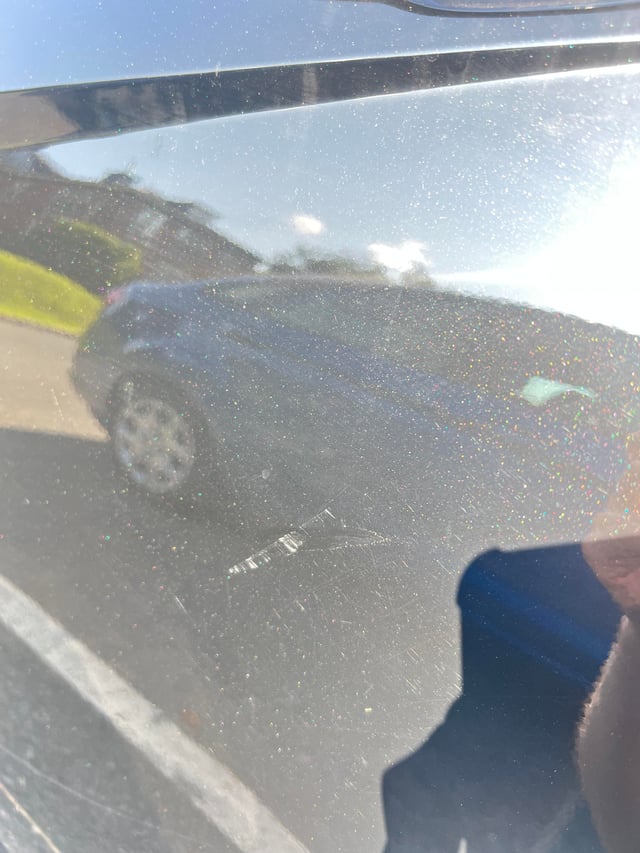
Black paint’s signature deep gloss comes from a clear coat layer infused with metallic and flake particles that reflect light for that high-shine finish. While this creates a stunning visual effect, it also means that even micro-scratches too small to see on lighter silver, white, or gray paint will refract light differently on black surfaces, appearing as hazy swirl marks or faint white lines.
As outlined by the Automotive Service Association’s vehicle care guidelines, abrasive contact during washing is the leading cause of preventable clear coat damage on modern vehicles, a problem that is exponentially more visible on dark, glossy paint finishes like black. Many owners make the common mistake of only washing their car when it looks visibly dirty, letting abrasive dust, pollen, and road grime build up on the surface. When you wash a dirty car without pre-rinsing or using proper tools, that loose debris gets rubbed into the clear coat, leaving permanent fine scratches over time. For more on this, see our guide on are touchless car washes safe for your paint.
Car Wash Types Ranked by Safety for Black Vehicles
Not all car washes are created equal when it comes to protecting black paint. Below is a breakdown of the most common wash types, how they work, and their relative safety for dark finishes:
| Car Wash Type | How It Works | Safety Rating for Black Paint | Key Risks |
|---|---|---|---|
| Touchless Automatic | Uses high-pressure water jets and specialized cleaning chemicals, no physical contact with the vehicle surface | Moderate (safe for occasional use) | Harsh chemicals can degrade wax/sealant over time; high pressure can force loose dirt into the clear coat if no pre-rinse is used |
| Cloth-Belt Automatic | Uses soft, rotating microfiber strips instead of stiff bristles to wipe the vehicle | Low-Moderate (only for well-maintained facilities) | Strips trap abrasive dirt from prior vehicles if not regularly sanitized, leading to fine scratches |
| Brush Automatic | Uses stiff rotating nylon or plastic bristles to scrub the vehicle surface | High Risk | Bristles scratch clear coat; trapped road grime acts as an abrasive, leaving visible swirl marks on black paint |
| Hand Wash (DIY or Professional) | Manual cleaning with soft sponges/mitts, controlled water pressure and technique | Safest Option (when done correctly) | Improper technique (dirty tools, rough drying) can still cause damage if guidelines are not followed |
| Waterless Car Wash | Spray-on cleaning solution applied to the surface, wiped off with a microfiber towel without water | Low (limited use only) | Rubbing abrasive dirt (mud, road salt, bug splatter) into the clear coat causes scratches if used on heavily soiled vehicles |
Brush automatic washes, once the industry standard, are now largely limited to budget, low-end locations, as most modern facilities have switched to touchless or cloth-belt systems to reduce paint damage complaints. Even so, it’s always worth confirming a wash’s equipment type before pulling in.
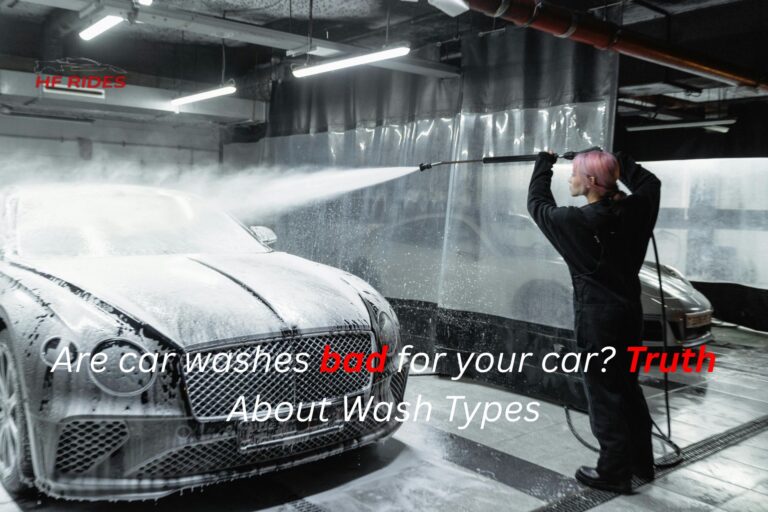
 Touchless systems eliminate physical brush contact, drastically reducing scratch risk for dark paint finishes
Credit: www.youtube.com
Touchless systems eliminate physical brush contact, drastically reducing scratch risk for dark paint finishes
Credit: www.youtube.com
The Real Risks of Unsafe Washing for Black Paint
The most common form of damage from poor washing practices is swirl marks: tiny, circular micro-scratches that form when abrasive dirt or rough tools are rubbed across the clear coat. On lighter paint finishes, these marks are often invisible unless viewed in direct sunlight at an angle, but on black paint, they create a hazy, dull finish that is impossible to ignore. A single bad brush automatic wash can leave hundreds of these marks across your vehicle’s surface, requiring professional paint correction (a polishing process that removes a thin layer of clear coat) to fix, which can cost $200 or more for a full vehicle. For more on this, see our guide on safe car washes for ceramic coating.
Chemical damage is another common risk, especially with frequent touchless washes. Many budget touchless systems use highly acidic or alkaline cleaning solutions to compensate for the lack of physical scrubbing. While these chemicals work quickly to break down dirt, repeated use can etch the clear coat over time, leading to permanent hazing or discoloration that cannot be fixed with wax or sealant.
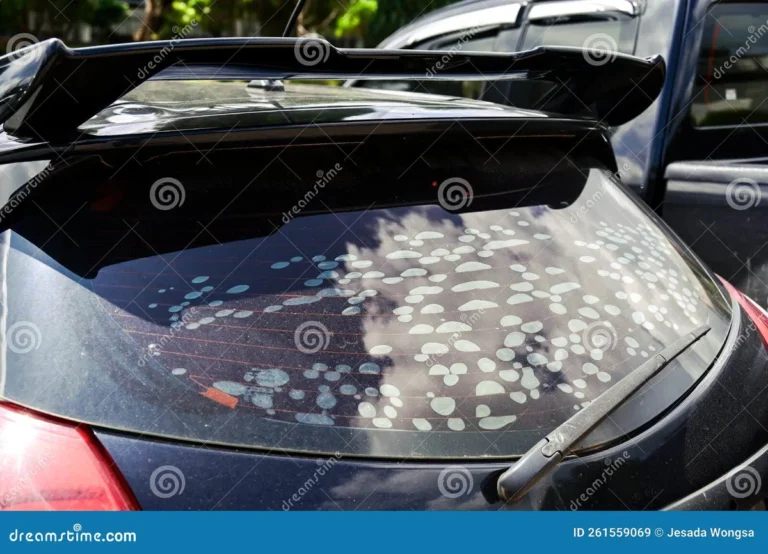
Finally, black paint is far more prone to visible water spots than lighter finishes. Hard water contains high levels of calcium and magnesium, which leave cloudy, white mineral deposits when they evaporate on the paint surface. These spots are extremely difficult to remove from black paint without polishing, and they become even more noticeable if you wash your car in direct sunlight, where water dries faster and leaves more residue.
Expert Tips for Safe Car Washing of Black Cars
The good news is that almost all car wash-related paint damage is preventable with the right technique and tools. Below are expert-backed tips tailored specifically for black vehicles:
Tips for Using Touchless Car Washes
Touchless washes are the safest automated option for black cars, as they eliminate all physical contact with the paint surface. To minimize risk:
- Choose a facility that advertises pH-balanced, clear-coat safe cleaning solutions. Many modern touchless washes now use these gentler formulas to reduce chemical damage.
- Skip the optional in-wash wax upgrade. Most of these products are low-quality and only last a few days, so it’s more cost-effective to apply your own high-quality wax or sealant at home.
- Only use touchless washes for quick between-cleaning touchups, not as your regular full wash method. Limit use to 2-3 times per month max to avoid chemical buildup on the clear coat.
- Always select the pre-rinse option if available to loosen loose dirt and dust before the high-pressure jets hit the paint, reducing the chance of grinding debris into the surface.
Tips for Hand Washing (DIY or Professional)
Hand washing is the gold standard for keeping black paint flawless, as it gives you full control over pressure, tools, and technique. Follow these steps for a scratch-free wash:
- Use the two-bucket method with grit guards: one bucket filled with soapy water, one filled with clean water for rinsing your mitt. This prevents you from rubbing dirt back into the soap and across the paint.
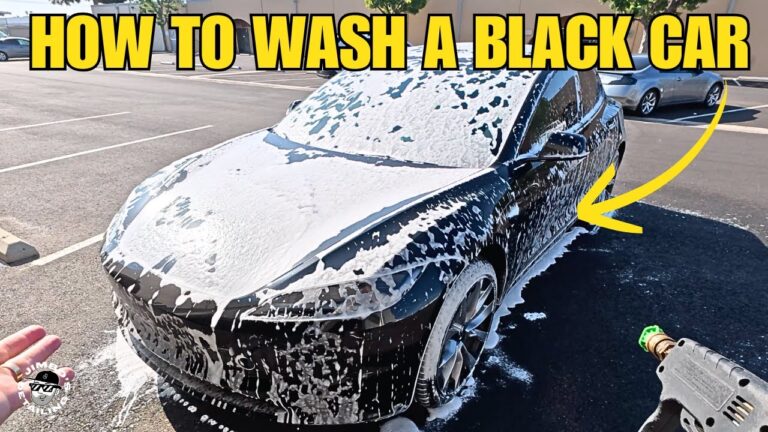
- Use a pH-neutral car shampoo formulated for automotive paint. Avoid dish soap or household cleaners, which strip wax and dry out clear coat over time. For the best results, pair your shampoo with a high-quality pH-neutral foam cannon soap that lifts dirt away from the surface without aggressive scrubbing. If you use a foam cannon, follow the ideal mixing ratio for thick, clinging foam to ensure the solution has enough dwell time to break down grime before you rinse.
- Wash from the top of the car down, starting with the roof and windows, then moving to the body, and finally the lower panels and wheels. This prevents dirt from the lower, dirtier sections of the car from being dragged up to the cleaner upper surfaces.
- Use a separate microfiber wash mitt for the wheels and lower rocker panels, which are coated in brake dust, road salt, and other abrasive grime that can scratch paint if transferred to the body.
- Rinse the car thoroughly with clean water before drying to remove all soap residue.
- Dry the car immediately with a clean, plush high-GSM microfiber drying towel. Pat or glide the towel over the surface instead of rubbing, and avoid using old cotton t-shirts or low-pile chamois, which can trap grit and scratch the clear coat.
 Pat-drying with a clean, high-GSM microfiber towel avoids water spots and surface scratching on glossy black paint
Credit: www.youtube.com
Pat-drying with a clean, high-GSM microfiber towel avoids water spots and surface scratching on glossy black paint
Credit: www.youtube.com
Post-Wash Protection to Keep Black Paint Flawless
Washing is only half the battle when it comes to maintaining a black car’s showroom shine. Adding a protective layer to the clear coat makes future washes easier and reduces the risk of damage:
- Apply a high-quality paint sealant every 3-4 months, or a ceramic coating every 1-2 years for longer-lasting protection. Both create a hydrophobic barrier that repels dirt, water, and contaminants, making them much harder to stick to the paint surface.
- Use a quick detailer spray between full washes to remove light dust and fingerprints without rubbing. Look for a formula that includes a small amount of sealant to boost protection with each use.
- Park in a shaded or covered spot whenever possible to avoid sap, bird droppings, and pollen, which can etch black paint very quickly if left uncleaned.
Common Car Washing Mistakes to Avoid for Black Cars
Even with the right wash method, small errors can lead to big paint problems. Avoid these common mistakes:
- Using dirty washing tools: A mitt or sponge that’s been dropped on the ground or used on a muddy car will trap abrasive particles that scratch paint. Always rinse your mitt in the clean water bucket between every pass, and wash your mitts regularly to remove trapped grit.
- Washing in direct sunlight: Soap and water dry extremely quickly in hot, direct sun, leaving behind residue and water spots that are nearly impossible to remove from black paint. Wash your car in the shade, or early in the morning or late in the afternoon when temperatures are cooler.
- Using harsh household cleaners: Dish soap, laundry detergent, and all-purpose cleaners are formulated to cut through heavy grease and oil, which means they will also strip away wax, sealant, and even clear coat over time. Only use products explicitly labeled for automotive use.
- Rubbing dry with a rough towel: Low-quality drying towels or old rags can trap tiny grit particles that scratch the clear coat as you rub. Invest in a high-GSM (at least 500 GSM) plush microfiber drying towel designed for automotive use.
- Skipping the pre-wash rinse: Blasting loose dirt, dust, and debris off the car with water before you start scrubbing prevents you from rubbing abrasive particles into the paint surface, which is the #1 cause of swirl marks.
Frequently Asked Questions
Are car washes safe for black car paint if they use soft cloths?
Yes, well-maintained cloth-belt automatic washes and professional hand washes that use clean, soft microfiber tools are safe for black paint, as long as the facility regularly replaces or sanitizes their cloth strips to avoid trapping dirt from prior vehicles.
Can automatic car washes damage black cars permanently?
Yes, low-quality brush automatic washes can cause deep micro-scratches and swirl marks that require professional paint correction to remove. If damage is widespread, this process can cost $200 or more, as it involves polishing away a thin layer of clear coat to restore the smooth finish.
How can I prevent water spots on my black car after washing?
Dry your car immediately after rinsing with a clean microfiber towel, and use filtered water if possible (hard water is the primary cause of water spots). Applying a hydrophobic sealant or ceramic coating also makes water bead up and roll off the surface, reducing the chance of spot formation.
Is a waterless car wash safe for black cars?
Waterless washes are safe only for vehicles with very light dust or surface dirt. If your black car has mud, road salt, bug splatter, or other heavy grime, rubbing a waterless wash towel over the surface will grind abrasive particles into the clear coat, causing fine scratches over time.
How often should I wax my black car to protect the paint?
For daily-driven vehicles, apply a high-quality wax or paint sealant every 3 months to maintain a protective barrier. For longer-lasting protection, invest in a ceramic coating, which lasts 1-2 years with proper maintenance and makes washing far easier by repelling dirt and water.
Do black cars need to be washed more often than lighter cars?
Not necessarily, but you should address contaminants (bird droppings, sap, bug splatter) as soon as possible, as they can etch black paint much faster than lighter finishes. A quick rinse with water or a quick detailer spray between full washes will prevent buildup that causes scratches during cleaning.
Final Verdict: Are Car Washes Safe for Black Cars?
The short answer is: it depends. Automatic brush car washes are high-risk for black paint and should be avoided entirely, as even a single visit can leave permanent swirl marks. Touchless automatic washes are a safe, convenient option for occasional quick cleanups, but they should not be your regular washing method, as repeated chemical use can damage the clear coat over time. Hand washing, whether done yourself or by a trusted professional detailer, is the safest, most effective way to keep black paint flawless long-term.
With the right tools, technique, and aftercare, you can keep your black car looking glossy and scratch-free without excessive effort. If you’re looking to upgrade your at-home washing routine to get professional-grade results, check out our guides to the best pH-neutral foam cannon soaps for streak-free cleaning and the ideal foam cannon mixing ratio for thick, paint-safe foam that lifts dirt without scrubbing.