ByMax Lee
Guide to Hard Water Softener for Washing Car: Complete Guide
You’ve just spent a perfect Sunday morning washing your car. The paint gleams. You step back and smile.
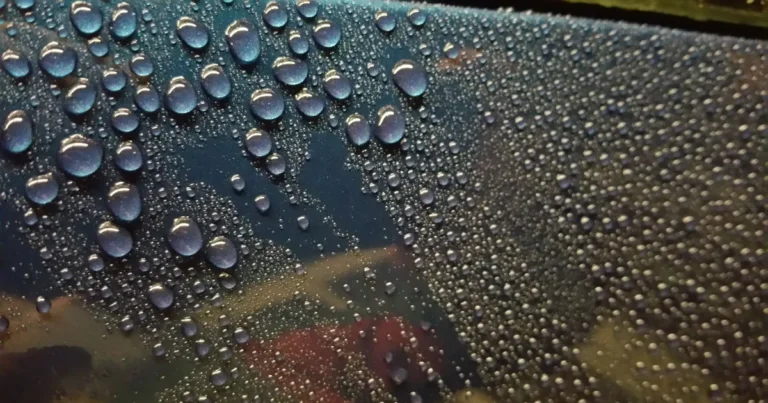
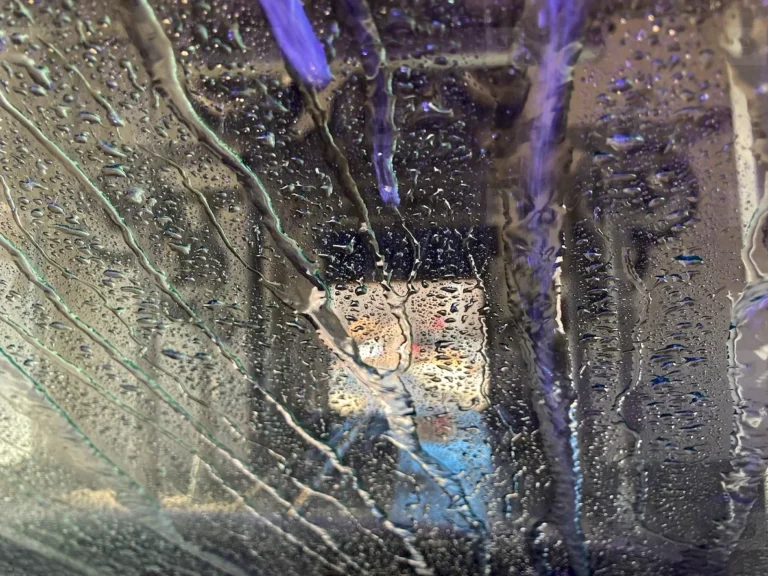
Then the sun hits. Those white, chalky spots appear everywhere. Hard water strikes again.
That's the exact moment you start hunting for a hard water softener for washing car setups. And you're not alone. As of 2026, around 85% of U.S. homes have hard water, according to USGS data.
But here's the thing: not every solution actually gives you spot-free results. Some even make it worse. So let's break down which approach actually works for your car.
Quick Answer
A portable deionization (DI) filter is the best tool for the job. It strips dissolved minerals completely. You get water that reads 0, 10 ppm TDS.
That means zero spots. Whole-house salt softeners are not enough on their own. Distilled water works but gets expensive fast.
Match your choice to your setup and budget.
Why This Comparison Matters for Your Car's Paint
Hard water contains calcium and magnesium ions. When that water dries on your car, those minerals stay behind. They form etchings that bond to clear coat.
Over time, those spots become permanent. You can polish them out, but that removes clear coat. Polishing shortens the life of your paint, especially on dark or matte finishes.
iNaturalist / Irene
The damage goes deeper than cosmetics. Mineral deposits can pit glass, stain chrome, and dull trim. A good best hard water spot remover for cars can fix existing spots, but the real win is preventing them in the first place.
That's where choosing the right water treatment method comes in.
The good news? You don't need a pro setup. A few hundred dollars can solve this for good.
The bad news? Picking the wrong method costs time, money, and frustration. This guide walks through every option so you can decide what fits your garage, budget, and car washing habits.
What "Spot-Free" Actually Means
"Spot-free" isn't a marketing term. It means water with total dissolved solids (TDS) below 10 ppm. At that level, minerals are essentially gone.
When the water evaporates, nothing remains. No spots, no haze, no etching.
Most tap water in hard-water areas reads between 150 and 400 ppm. That's a lot of mineral load. Even "softened" water from a salt-based system still has 30, 80 ppm of sodium.
And sodium can also leave spots, just less visible ones. That's why you need a dedicated solution for your car.
Option 1: Whole-House Salt-Based Softener — The All-Home Solution
A whole-house softener uses ion exchange. It swaps calcium and magnesium ions for sodium or potassium ions. This makes water feel "soft" and prevents scale buildup in pipes.
Many homeowners install one for laundry, dishes, and showers.
But will it give you spot-free car washes? Not really.
Bing (Web (fair-use with source credit))
How It Works (Ion Exchange Basics)
The heart of the system is a resin tank. Hard water flows through resin beads that attract calcium and magnesium. The beads release sodium ions in exchange.
Once the beads are saturated, the system regenerates by flushing with brine (salt water). The regeneration flushes the minerals down the drain.
Most residential softeners handle 30,000 to 80,000 grains of hardness before regenerating. For a household, that's typically a few days to a week, depending on water usage and hardness level.
Pros and Cons for Car Washing
| Advantage | Drawback |
|---|---|
| Reduces scale in pipes and appliances | Still leaves sodium residue on paint |
| Low operating cost (salt is cheap) | Not truly spot-free for cars (you'll likely still get spots, especially on dark paint) |
| Convenient for whole household use | High upfront cost ($500–$2,500 installed) |
| Helps soap lather better | Takes up basement or garage space |
| Increases lifespan of water heater | Brine discharge may be restricted in some areas |
The reality: A whole-house softener makes water feel softer and reduces spots compared to hard tap water. But it doesn't eliminate minerals entirely. Many detailers report that soft water still leaves faint spots on black and dark metallic paint.
If you are a casual washer with a light-colored car, this might be good enough. If you want truly spot-free results, you need a DI system.
For a deep dive, our article on best water spot remover for glass covers what to do when spots already exist on your windows.
Option 2: Portable Deionization (DI) Filter — The Detailer's Choice
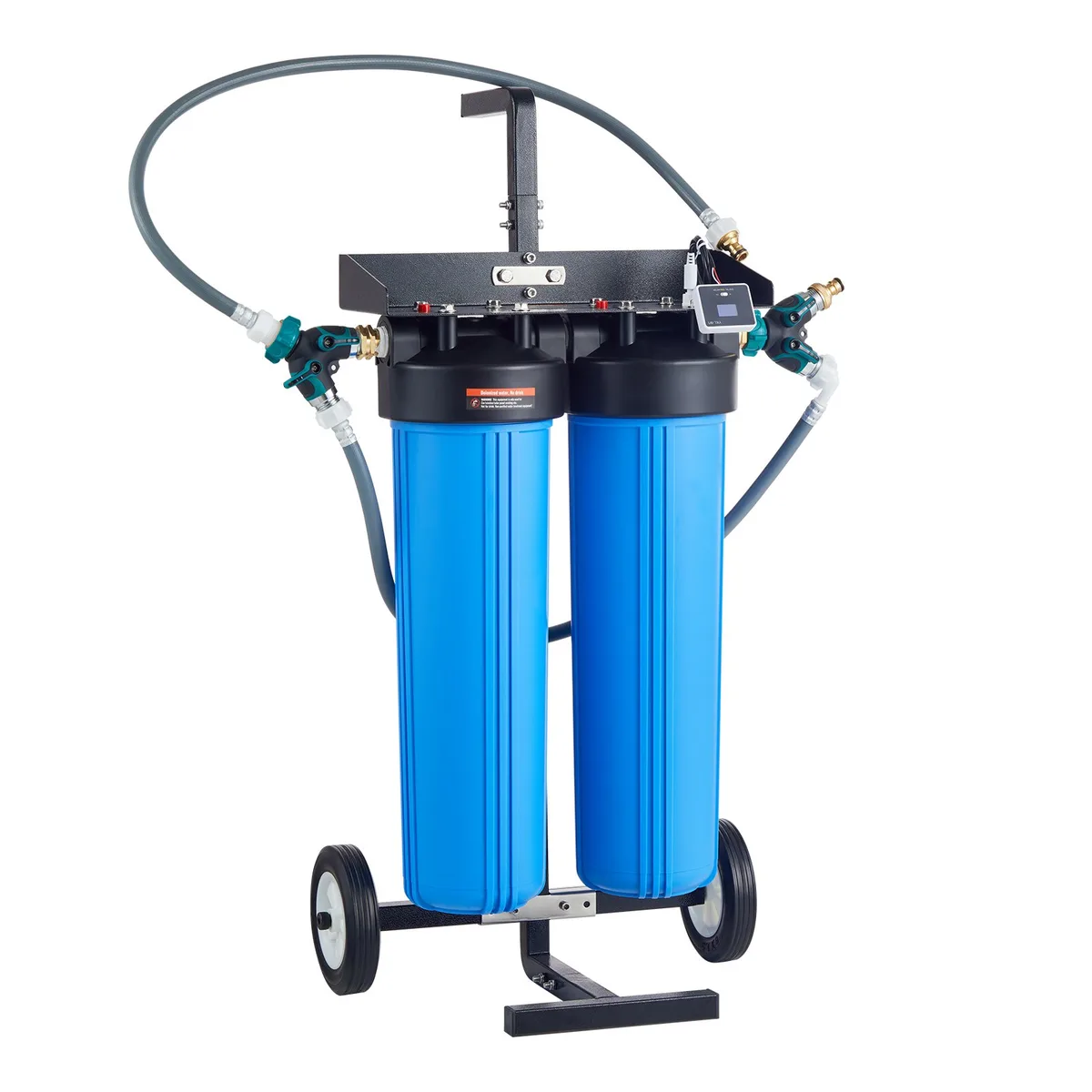
This is the pro detailer's go-to solution. A portable DI filter connects to your garden hose. It contains mixed-bed ion exchange resin that removes both positive and negative ions.
The result is water with essentially zero minerals. It will not leave spots, period.
Bing (Web (fair-use with source credit))
How DI Resin Strips Minerals
DI resin is a mix of cation and anion exchange beads. The cations grab calcium, magnesium, sodium, and other positive ions. The anions grab bicarbonates, chlorides, and sulfates.
Together they strip everything.
You need a TDS meter to know when the resin is exhausted. Once output TDS climbs above 10 ppm, it's time to replace the cartridge. Most portable DI filters process 100 to 400 gallons per cartridge, depending on input TDS.
The higher your tap water's starting TDS, the shorter the cartridge life.
Pros and Cons for Car Washing
| Advantage | Drawback |
|---|---|
| True spot-free results (0–10 ppm TDS) | Replacement cartridges cost $50–$150 each |
| Portable and easy to hook up | Filter life depends heavily on local water quality |
| No regeneration needed (replace cartridge) | Bulky unit (12–20 inches tall) |
| Works with standard garden hose threads | Can't soften the whole house, just the hose |
| No salt or brine discharge | Resin can degrade if stored improperly |
The reality: This is the gold standard for car washing. If you want to air-dry your car without touching it and come back to a perfect finish, this is your solution. Professional detailers use them daily.
For home use, a medium-sized cartridge (around $80, $100) lasts a typical detailer several months.
One tip: always flush a new cartridge with a few gallons before using it on your car. The first water can carry loose resin dust that might leave a thin film. Let it run until the water runs clear.
If you already have hard water spots, consider using a best bug and tar remover for cars during the wash process, then follow with the DI rinse. It's a one-two punch.
Option 3: Store-Bought Distilled Water — The Simple but Costly Route
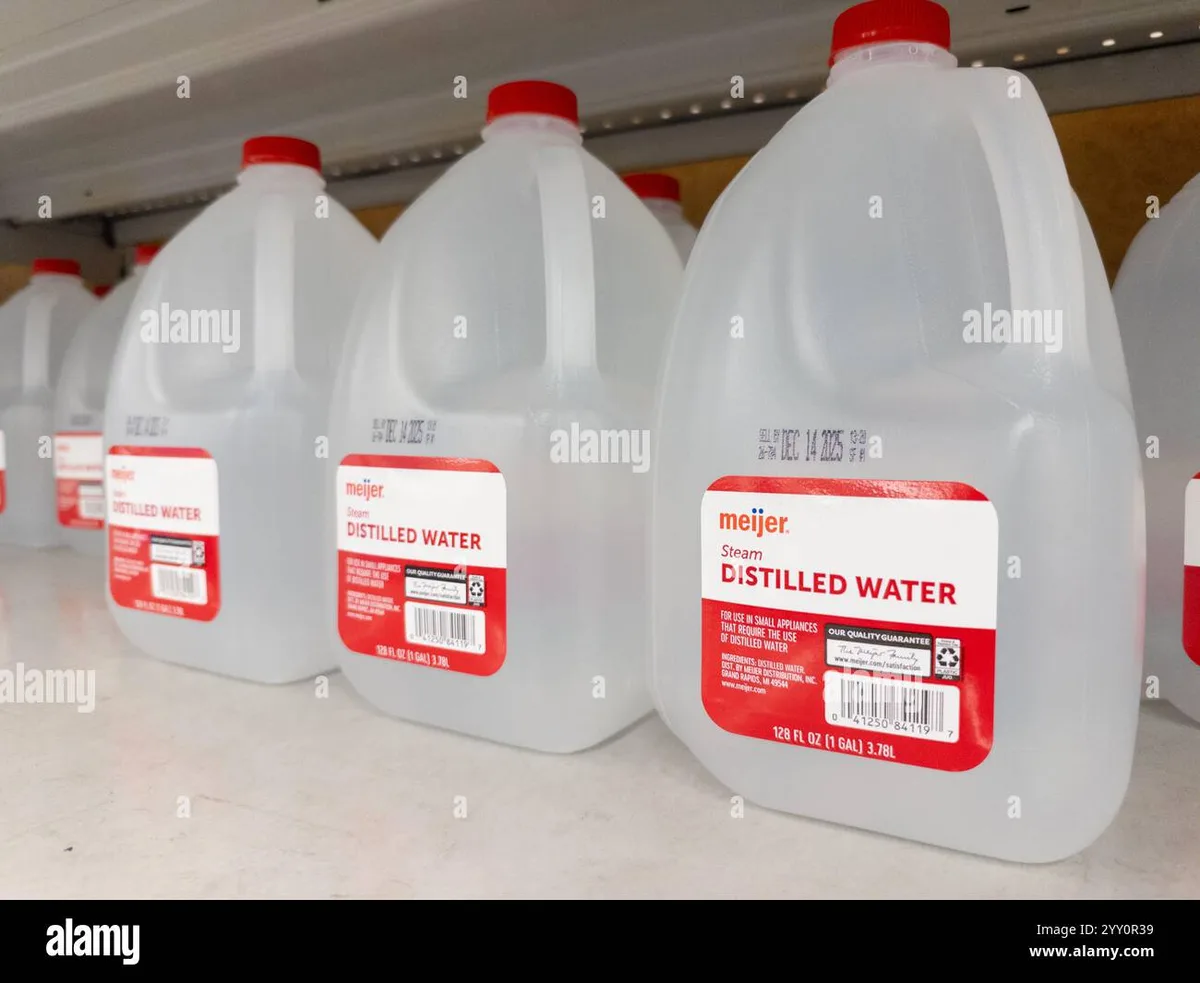
Distilled water is purified through boiling and condensation. It contains under 1 ppm TDS. It is the purest water you can get.
It will never leave spots.
But there's a catch.
Bing (Web (fair-use with source credit))
When It Makes Sense vs. When It Doesn't
Distilled water is perfect for a final rinse on a small car or for mixing with concentrates. Many detailers use distilled water for diluting soap, spray wax, or ceramic coatings. It's also great for glass cleaning.
But washing an entire car with nothing but distilled water? That gets expensive and impractical fast.
| Vehicle Type | Gallons Needed per Wash | Cost at $1/gallon |
|---|---|---|
| Compact car (Honda Civic) | 10–15 | $10–$15 |
| Midsize sedan (Toyota Camry) | 15–20 | $15–$20 |
| Full-size SUV (Suburban) | 25–35 | $25–$35 |
Do that once a week and you're spending $500, $1,500 a year on water alone. That's more than the cost of a DI filter system.
Where distilled water shines: Using it for the final rinse only. Wash with tap water, then do a final rinse from a pump sprayer or watering can filled with distilled water. That reduces volume to about 2, 4 gallons.
Much more reasonable.
Also, distilled water is ideal for mixing ceramic coatings or best grime remover for car paint if you want to avoid any mineral interference.
Quick Comparison: Cost, Convenience, and Effectiveness
| Feature | Whole-House Softener | Portable DI Filter | Distilled Water | RO System |
|---|---|---|---|---|
| Upfront cost | $500–$2,500 | $100–$300 | $0 (jug only) | $200–$600 |
| Per-gallon cost | $0.002–$0.01 | $0.02–$0.15 | $0.50–$1.50 | $0.01–$0.05 |
| Spot-free result? | No (still leaves sodium residue) | Yes (0–10 ppm) | Yes (0–1 ppm) | Yes (5–20 ppm typically) |
| Ease of setup | Moderate (plumbing needed) | Easy (hose connection) | Very easy (buy jugs) | Moderate (under-sink or portable) |
| Maintenance needs | Monthly salt check, annual resin check | Cartridge replacement every 100–400 gallons | None | Membrane and filter changes annually |
| Best for | Whole-house water quality improvement | Car-only spot-free washing | Small tasks, final rinse | Full home water purification |
This table tells the story clearly. For dedicated car washing, the portable DI filter wins on both spot-free results and cost efficiency. The whole-house softener is a compromise.
Distilled water is the best but too expensive at volume. RO systems sit in between but require more installation.
Next, we'll cover who each option is best for, common mistakes to avoid, cost breakdowns, expert tips, and maintenance. But this core comparison gives you the foundation to decide which direction to take for your own driveway.
Best for Your Situation — Match the Method to Your Car and Setup
Not every solution fits every driveway. Your garage setup, local water hardness, and how often you wash all matter. Here is how to match the method to your situation.
Weekend Home Washer with Own Garage
You wash your car every two to four weeks. You have a garage, a hose, and a moderate budget. A portable DI filter is your best bet.
It hooks up in seconds. You get spot-free results every wash. The upfront cost is $100 to $300.
Replacement cartridges run $50 to $150 and last months. If your tap water TDS is under 200 ppm, a cartridge can last 200 to 400 gallons. That is roughly 10 to 20 washes for a midsize sedan.
If you already have a whole-house softener, you can still add a small DI unit after the softener. The softener removes most hardness, so the DI resin lasts longer. That is a common setup among detailers who also want soft water in the house.
Apartment Dweller with No Hose
You rely on a self-service bay or a bucket system from your apartment spigot. A portable DI filter is still possible if you can attach it to a hose bib. But many apartments don't allow that.
Your practical options are distilled water for a final rinse or a rinseless wash product that works with minimal water.
A rinseless wash mixed with distilled water is your best workaround. You only need 2 to 3 gallons. Carry the water in a jug.
No spot issues. It is not as fast as a hose setup, but it works perfectly for smaller cars.
Mobile Detailer Washing Multiple Cars
Volume is everything. You need speed, reliability, and low per-wash cost. A portable DI system with a high-flow model (4 to 5 GPM) is essential.
You should also carry a TDS meter in your kit. Some detailers use a water-fed pole with DI water for touchless rinsing.
If you wash more than 10 cars per week, consider a larger dual-cartridge DI system or a portable RO system. The upfront cost is higher, but per-gallon cost drops. Some detailers even install a DI system in their van or trailer with a holding tank.
Enthusiast with Dark or Matte Paint
You obsess over paint condition. Any spot or streak drives you crazy. A portable DI filter is non-negotiable.
Do not rely on a whole-house softener alone. Also, use DI water for mixing ceramic coatings and spray sealants. The mineral-free water ensures no contamination during the coating process.
For existing spots, check our best water spot remover for cars guide before you start.
Mistakes That Cost You Time and Paint
A few common errors turn a good wash into a nightmare. Here are the ones we see most often.
Ignoring Your Tap Water's TDS Level
You cannot guess your water hardness. You need a TDS meter. They cost $10 to $20.
Without one, you do not know if your DI resin is exhausted or if your softener is working properly. Test your tap water first. If it is above 200 ppm, a DI cartridge will wear out fast.
You might need a pre-filter or a softener before the DI unit.
Using a Softener Alone and Still Seeing Spots
Many people assume softened water is spot-free. It is not. Sodium residue can still leave a faint haze, especially on dark paint.
If you see spots after using a softener, switch to DI water for the final rinse. That two-step approach is common among pros.
Letting DI Resin Run Out Mid-Rinse
You are halfway through the rinse. The water suddenly turns cloudy. Spots form instantly.
That happens when you do not monitor TDS. Always check the output TDS before you start washing. Keep a spare cartridge if you wash often.
Running out mid-rinse wastes all the work you just did.
Storing Resin Wrong and Wasting Money
DI resin can grow bacteria if left wet in a warm garage. It also loses capacity if it freezes. Store unused cartridges in a cool, dry place.
If the resin dries out completely, it may still work, but the first few gallons can be cloudy. For long-term storage, some detailers seal the cartridge in a plastic bag with a desiccant pack.
Cost Breakdown: What You'll Actually Spend Over a Year
Let's compare the annual cost for a typical home washer washing once a week with a midsize sedan.
Whole-House Softener Salt
A whole-house softener uses about one 40-pound bag of salt per month for a family of four. That is around $5 to $8 per bag. For car-washing alone, the incremental salt cost is negligible.
The softener's annual maintenance is minimal. But remember, it does not give you spot-free water.
DI Cartridge Replacements
A DI cartridge that costs $80 and filters 200 gallons will last roughly 10 washes (20 gallons per wash). That is $8 per wash. Over a year (52 washes), that is $416.
If you have softer tap water (under 100 ppm), the cartridge might last 400 gallons, cutting the cost to about $4 per wash or $208 per year.
| Scenario | Cartridge Life | Cost per Wash | Annual Cost (52 washes) |
|---|---|---|---|
| Hard water (300 ppm) | 100 gallons | $16 | $832 |
| Moderate water (150 ppm) | 200 gallons | $8 | $416 |
| Soft water (50 ppm) | 400 gallons | $4 | $208 |
Distilled Water at Volume
Using distilled water for the full wash at $1 per gallon, 20 gallons per wash, gives $20 per wash. That is $1,040 per year. Even using it only for the final rinse (4 gallons) costs $4 per wash or $208 per year.
At that rate, a DI filter is cheaper and more convenient.
RO Membrane and Filters
A portable RO system costs $200 to $600. Replacement membranes are $30 to $60 per year. Filters are $10 to $20.
The per-gallon cost is low, around $0.01, $0.05. But RO systems waste 2 to 4 gallons of water for every gallon produced. That may be a concern in drought-prone areas.
Expert Tips from Pro Detailers
These tips come from years of aggregated user feedback and manufacturer recommendations.
Always Confirm Spot-Free with a TDS Meter
Do not rely on visual inspection. Even clear water can have enough minerals to spot on a hot day. A TDS meter is a cheap insurance policy.
Test the output every time you use the filter. The moment it hits 15 ppm, replace the cartridge.
Pre-Wash Strategy to Extend Filter Life
Use a pressure washer or foam cannon with your hose water for the initial rinse and foam. Do not use DI water for that. Only use DI water for the final rinse.
This cuts your DI water usage by 60% to 70%. Some detailers even use a hose nozzle that switches between tap and DI water.
Drying vs. Air-Drying with Purified Water
With true DI water, you can let the car air dry without touching it. That saves time and reduces the risk of scratches. But if you live in a dusty area, you may still want to dry it with a microfiber towel to avoid dust spots.
A drying aid like a spray wax can help.
Mixing Concentrates with DI Water
Always use DI water to dilute soaps, waxes, and best bug and tar remover spray for cars. Hard water can reduce the effectiveness of chemicals. It can also leave mineral deposits in spray bottles.
Maintenance and Long-Term Care of Your System
Keeping your system in good shape prevents problems and extends life.
How to Know When DI Resin Is Exhausted
The only reliable way is a TDS meter. Some resins change color when exhausted, but that indicator can be misleading. Test the output water.
When TDS reaches 10 to 20 ppm, replace the cartridge. Do not push it beyond that.
Regenerating a Softener Without Wasting Water
If you have a whole-house softener, set its regeneration time to overnight. That way you are not flushing during the day when you might be washing. Some modern softeners have a "vacation mode" that skips regeneration when no water is used for days.
Storing a Portable Filter Between Washes
After each use, drain any standing water from the cartridge. Store it upright in a cool, dry area. If you live in a freezing climate, bring the cartridge indoors during winter.
Ice can crack the housing. Some users store the cartridge in a bucket with a small amount of water to keep the resin moist, but that is not necessary if you plan to use it within a few weeks.
For more on glass care, see our best water spot remover for glass article.
Option 4: Reverse Osmosis (RO) Systems — Overkill or Perfect?
RO systems force water through a semipermeable membrane. They remove 90, 99% of dissolved solids. Output TDS typically lands between 5 and 20 ppm.
That is spot-free for most cars, though not quite as pure as DI water. Portable RO units cost $200, $600 and need a drain line for the reject water (2, 4 gallons wasted per gallon produced). For home use, they make sense if you want purified drinking water plus car-wash water from the same system.
But the waste water and slower flow rate (often under 1 GPM) make them less convenient than a dedicated DI filter for car washing alone. Most detailers skip RO and go straight to DI.
Final Verdict — Which Hard Water Softener Should You Buy for Washing Your Car?
For most people, a portable DI filter is the winner. It delivers true spot-free water at a reasonable cost per wash. It is easy to set up and maintain.
If you already have a whole-house softener, add a small DI unit after it for your car. That combo gives you soft water in the house and spot-free water at the hose. If you wash only once a month and have a small car, distilled water for the final rinse works fine.
If you are a mobile detailer, invest in a high-flow dual-cartridge DI system. Skip RO unless you want whole-house purified water. And always keep a TDS meter handy.
Test before you wash. Your paint will thank you.
Frequently Asked Questions
Can I use a whole-house softener alone for spot-free car washing?
No. Salt-based softeners leave sodium in the water, which can still cause faint spots on dark or matte finishes. You need a DI filter or distilled water for a truly spot-free rinse.
How often do I need to replace a DI cartridge?
It depends on your tap water's TDS level. At 150 ppm, a $80 cartridge lasts about 200 gallons (10, 12 washes). Test with a TDS meter.
Replace when output exceeds 10 ppm.
Is distilled water cheaper than a DI filter for car washing?
No. Distilled water costs $0.50, $1.50 per gallon. A DI filter costs $0.02, $0.15 per gallon.
For regular washing, a DI filter saves money within a few months.
Can I connect a DI filter to a pressure washer?
Yes, but check flow rate. Most DI filters support 2, 5 GPM. If your pressure washer exceeds that, you may need a higher-flow model or a bypass setup.
Does freezing damage a DI cartridge?
Yes. Ice expands and can crack the resin housing. Store the cartridge indoors during winter.
If it freezes, inspect for cracks before use.
Do I need a TDS meter with a DI system?
Absolutely. Without one, you cannot know when the resin is exhausted. Spots appear the first time you use exhausted resin.
A $15 meter saves you from ruining a wash. If water spots are already a problem on your paintwork, see our water spot removers category for dedicated solutions to remove and prevent mineral deposits.