ByMax Lee
Guide to Perfextion Car Wash Shampoo in Foaming Gun in 2026
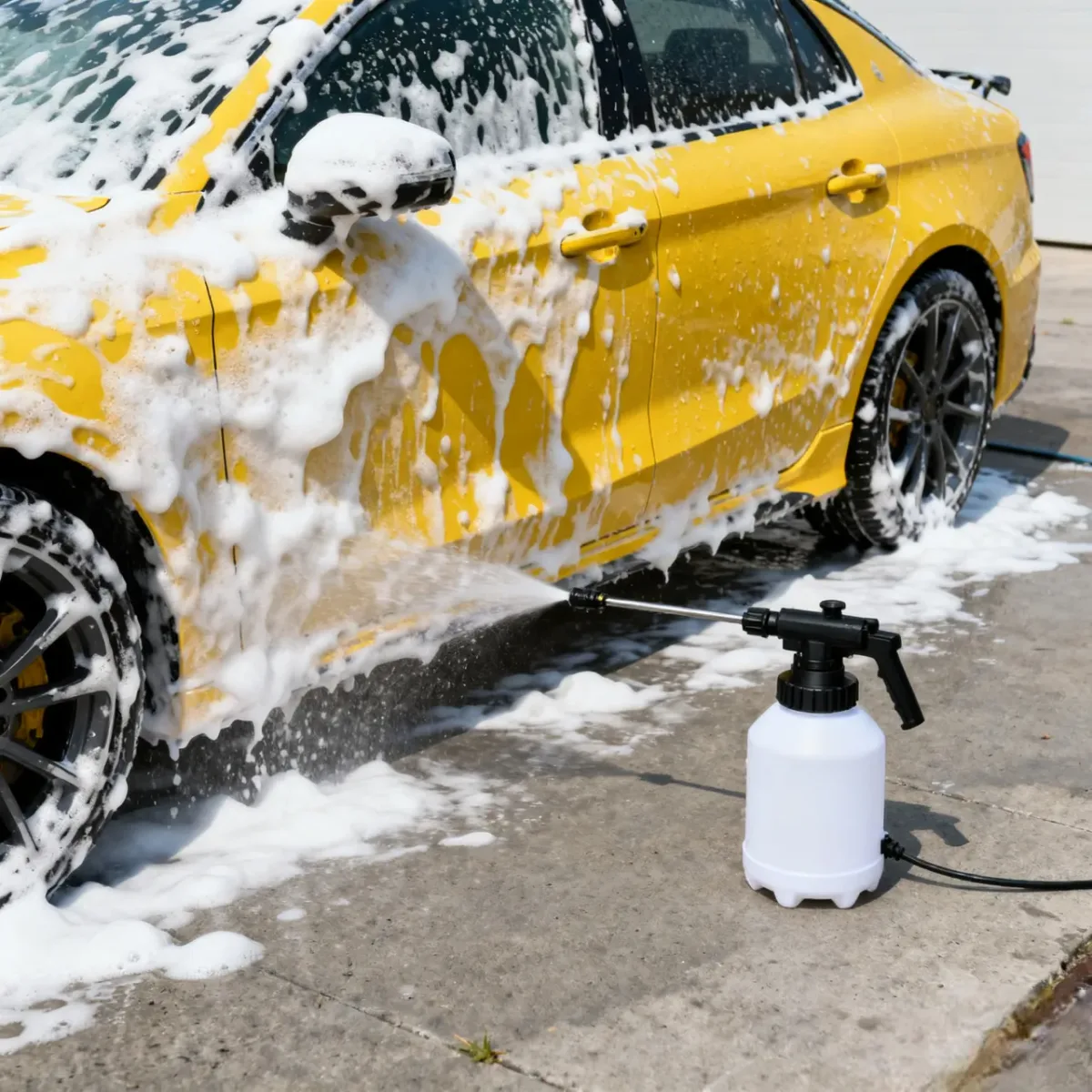
You’ve got a bottle of Perfextion car wash shampoo, a foaming gun, and the frustrating reality that your foam doesn’t look like the videos. You’re not alone. Getting that thick, clingy, snow‑like foam from a perfextion car wash shampoo in foaming gun setup is more about tuning than it is about the product itself.
The problem is that most guides give you one ratio and call it done, but your water, your gun, and your desired result all change the equation.
In our research, the difference between watery suds and show‑quality foam comes down to three variables: water hardness, nozzle‑dial position, and your target thickness. As of 2026, the most reliable method isn’t a fixed recipe, it’s a decision tree that adjusts based on your conditions. Let’s walk through it step by step.
Bing (Web (fair-use with source credit))
Quick Answer
Mix Perfextion shampoo with water at 1:15 for soft water or 1:10 for hard water. Set your foam gun nozzle dial to the middle. Spray a test patch.
Adjust dilution or dial until foam is thick but not gloppy. Rinse after each use.
How a Foaming Gun Actually Works (Core Explanation)
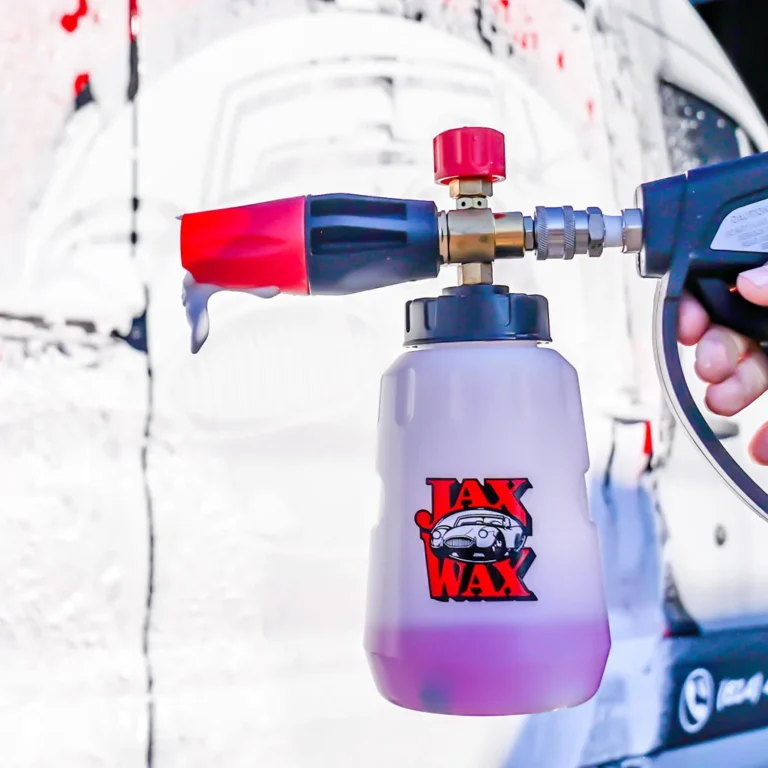
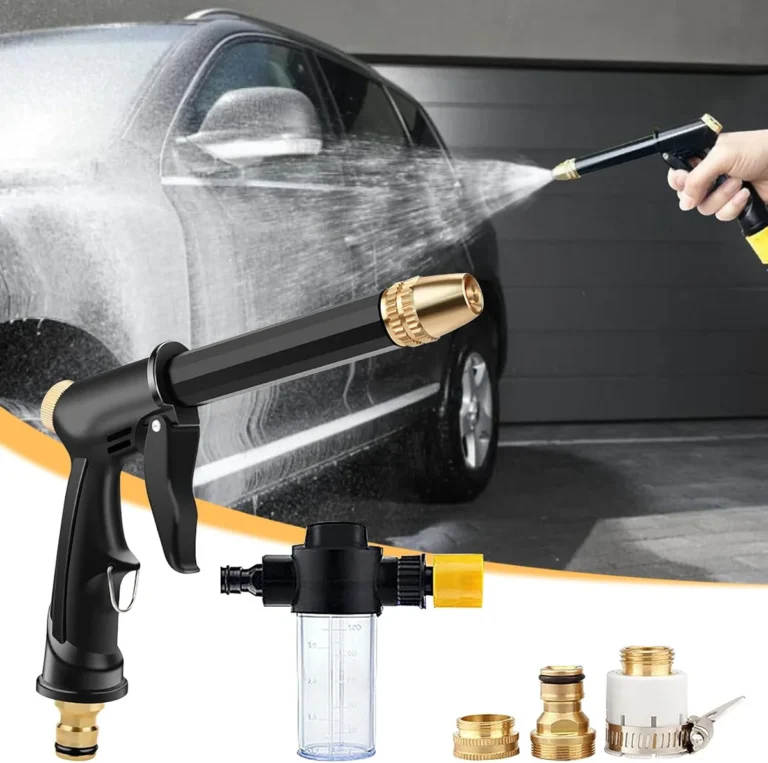
A trigger‑style foaming gun attaches to your garden hose. It has three main parts: a bottle that holds the mixed solution, a suction tube inside, and a nozzle dial that controls how much concentrate mixes with the water stream.
Bing (Web (fair-use with source credit))
When you pull the trigger, water flows past a venturi. That creates suction that pulls concentrate up from the bottle. The nozzle dial adjusts the ratio by opening or closing a small port.
Turn it one way and you get mostly water, thin foam. Turn it the other way and you get heavy concentrate, thick, slow‑flowing foam that can clog.
Perfextion shampoo has a moderately high viscosity. That means it doesn’t mix instantly. You’ll see streaks of concentrate in the water as it first comes out.
That’s normal. Give it a few seconds to stabilize.
The nozzle dial isn’t a dilution dial
Many people think the dial directly sets the ratio. It doesn’t. The dial changes how much concentrate gets drawn into the water, but the actual ratio depends on water pressure, temperature, and how full the bottle is.
That’s why you always need a test spray.
If you’ve ever wondered why your first spray is foamy and the second is watery, it’s because the bottle level changed. Keep that in mind when you tune.
The Three Deciding Variables (Condition Branches)
Before you mix anything, you need to know three things about your setup. These are the branches of the decision tree.
- Water hardness, measured in parts per million (ppm). Soft water is under 60 ppm. Hard water is 180 ppm or higher. Anything in between is moderate.
- Foam gun type and nozzle dial range, some guns have a wide adjustment range (1 to 6), others have just two settings (dilute / concentrate). Know what yours does.
- Desired foam thickness, are you doing a light pre‑wash to loosen dirt, or a heavy snow foam for fun and maximum lubrication?
Each branch changes your starting ratio and your tuning approach. Let’s walk through the most common scenarios.
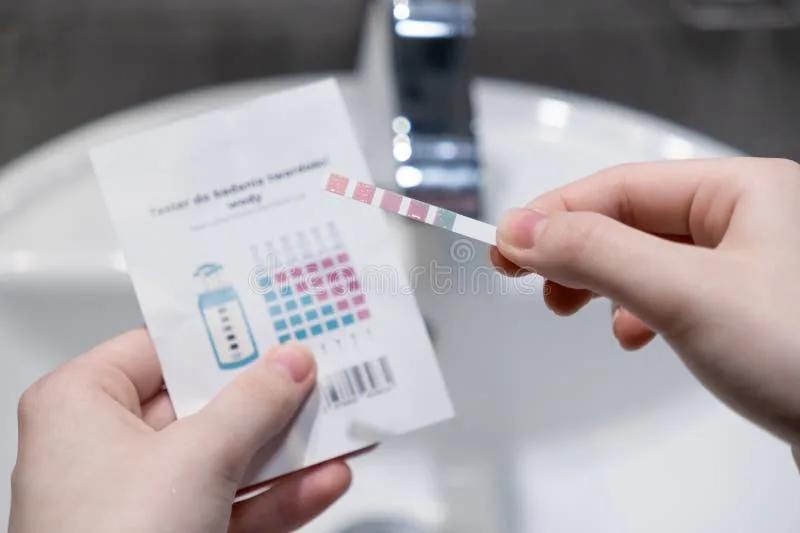
If you don’t know your water hardness, use a test strip. You can buy them cheap online. It’s worth knowing because hard water is the #1 reason foam falls flat.
Decision Branch 1: Soft Water (0–60 ppm)
Soft water is your best friend for foam. It creates larger, more stable bubbles with less effort.
Starting ratio: 1:15, that’s about 2 ounces of Perfextion shampoo per 30 ounces of water in a 1‑liter bottle.
Nozzle dial: start at the middle position (say 3 on a 1, 6 scale).
Test spray: point the gun away from the car. Pull the trigger for 2 seconds. Observe the foam.
It should be thick enough to hold its shape for 2, 3 seconds before starting to drip.
Adjustments:
- If foam is too thin and runs off immediately: increase the dial by one click. Wait 5 seconds, spray again.
- If foam is too thick and comes out in globs: decrease the dial by one click. You can also dilute a little more water into the bottle.
- If foam is perfect: lock that dial position and write it down for next time.
Soft water almost never needs more than 1:12 concentration. Don’t overdo it. Too much shampoo leaves a film that can be hard to rinse.
One tip: if you live in a soft‑water area, you can often get away with 1:18 for a light pre‑wash. That saves product and still lifts road grime.
Decision Branch 2: Hard Water (180+ ppm)
Bing (Web (fair-use with source credit))
Hard water kills foam. The calcium and magnesium ions break down the surfactants before they can form stable bubbles. You’ll see thin, watery foam that disappears within seconds.
Starting ratio: bump it to 1:10, that’s about 3 ounces of shampoo per 30 ounces of water.
Nozzle dial: start at 4 on a 1, 6 scale. You need more concentrate to compensate for the mineral load.
Test spray: same test, but expect the foam to be less dramatic than in soft water. If it holds together for at least 1, 2 seconds, you’re in the ballpark.
Adjustments:
- If foam is still thin after going to 1:10 and dial at 5, you may need a water softener attachment. These are inline devices that sit between your hose and the foam gun. They remove calcium and magnesium before the water hits the shampoo.
- If foam is thick but leaves white spots on the paint after drying, that’s hard‑water mineral residue. Add a small amount of distilled water (half and half) to your bottle to cut the hardness in the mix.
Hard water users often find they need a higher concentration than the product label suggests. Don’t be afraid to go up to 1:8, but check the car’s surface. Extremely high ratios can strip wax or sealant.
If you have a ceramic coating, stick to 1:10 max.
If you’re dealing with persistent water spots, our guide on water spot removers covers solutions beyond the foam gun.
Decision Branch 3: You Want Maximum Snow Foam
If your goal is show‑stopping foam that drips slowly and covers every panel, you’re chasing a different target. This branch is for detailers who want visual impact or maximum dwell time for heavy dirt.
Starting ratio: 1:8 or even 1:6 for soft water. For hard water, 1:6 is the upper limit before you risk stripping protection.
Nozzle dial: max setting (6 on a 1, 6 scale). This forces the highest concentration draw.
Test spray: expect thick, yogurt‑like foam that holds its shape for 5, 8 seconds before dripping. If the foam is so thick it barely flows out of the nozzle, you’ve gone too far. Back off the dial one step.
The trade‑off: maximum snow foam uses a lot of shampoo. You’ll get maybe 3, 4 full car washes from a 500ml bottle at 1:6. Also, that heavy concentration can leave a film on glass and trim.
Rinse thoroughly.
When not to do this: if your car has a ceramic coating or premium sealant. Some coatings react poorly to high surfactant loads. Stick to 1:12 for coated cars.
If you’re not sure, check our guide on safe products for coated paint before pushing the ratio.
Step-by-Step Tuning Workflow
Bing (Web (fair-use with source credit))
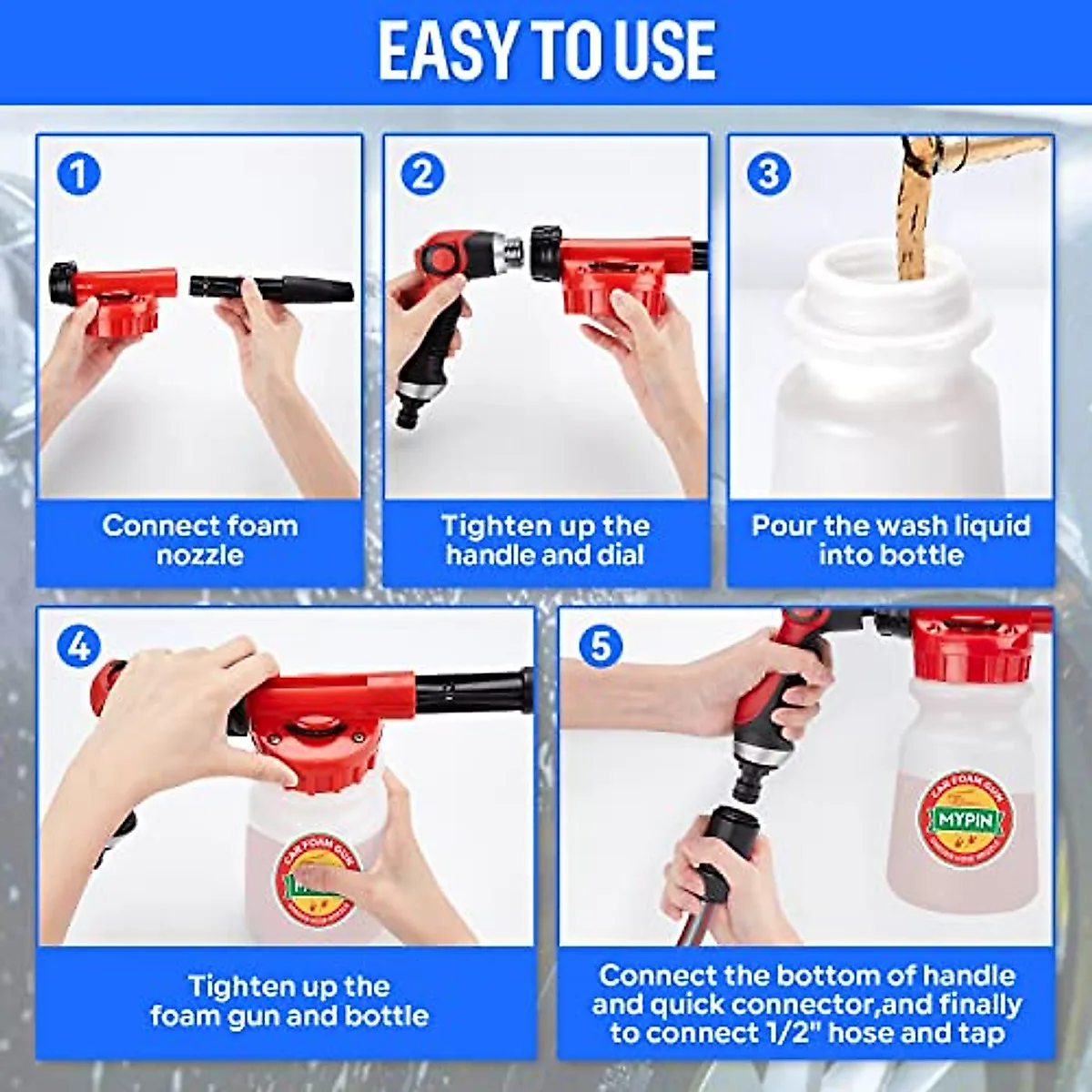
This workflow works for any water type. It eliminates guesswork.
Step 1: Fill the bottle correctly.
Add water first, then shampoo. If you add shampoo first, it foams up instantly and displaces water. Fill to about 80% full to leave room for shaking.
Step 2: Gently swirl the bottle.
Don’t shake hard. Vigorous shaking creates bubbles inside the bottle that cause the gun to spit air. A few gentle swirls mix the concentrate without aerating it.
Step 3: Set the nozzle dial to middle.
Start at position 3 or 4 on a 1, 6 scale. This gives you room to adjust either way.
Step 4: Spray a test patch on a clean, safe area.
Use a inconspicuous spot or a test surface like a window. Observe the foam for 3 seconds.
Step 5: Judge the foam.
- Thin and runny: turn dial up one notch or add more concentrate.
- Thick but slow: turn dial down one notch.
- Good but dries too fast: increase ratio slightly (more product).
Step 6: Do a full car spray.
Start at the bottom panels and work upward. This prevents oversaturation.
Step 7: Let the foam dwell.
Wait 2, 3 minutes for soft water, 1, 2 minutes for hard water. Don’t let it dry on the paint.
Step 8: Rinse from bottom up.
Use a low‑pressure spray to wash foam downward. This lifts dirt rather than pushing it into the paint.
Common Mistakes to Avoid
Over‑shaking the bottle.
We mentioned this earlier, but it’s the most frequent error. Bubbles inside the bottle cause the gun to suck air instead of liquid. You get a sputtering, inconsistent spray.
Swirl gently.
Setting the dial too open or too closed.
A dial that’s fully open can draw so much concentrate that the solution becomes thick and clogged. A dial that’s nearly closed gives you dirty water. Start at middle and adjust in one‑click increments.
Using cold water with thick shampoo.
Perfextion shampoo thickens in cold water. If your outdoor temperature is below 50°F (10°C), use warm tap water to mix. Cold water won’t dissolve the concentrate properly, leaving streaks.
Forgetting to rinse the gun after use.
Shampoo residue dries inside the nozzle and suction tube. Next time, the gun spits dried flakes or clogs completely. Rinse with clean water for 10 seconds after each use.
Disassemble every few months for a deep clean.
Letting foam dry on the paint.
Foam is designed to loosen dirt, not to dry. If it sits too long (over 5 minutes), it can leave residue or even etch the clear coat in direct sun. Watch the clock.
Using too much product on coated cars.
Heavy ratios can degrade ceramic coatings over time. Stick to 1:12 or weaker. If you need more cleaning power, consider a dedicated pre‑wash soap instead.
Maintenance & Long-Term Optimization
Your foam gun will last years with minimal care. But a few habits keep it working at peak performance.
Rinse after every use.
Fill the bottle with clean water, attach to the hose, and spray until clear. This flushes concentrate from the suction tube and nozzle.
Clean the nozzle filter.
Most foam guns have a small mesh filter inside the nozzle. It catches debris. Once a month, remove it and rinse under running water.
Clogged filters cause weak foam.
Lubricate the O‑rings.
Trigger‑style guns use rubber O‑rings to seal the connections. They dry out over time. Apply a tiny drop of silicone grease (or a dab of dish soap) to the O‑rings every 6 months.
This prevents leaks.
Store the gun empty.
Leaving mixed solution in the bottle for weeks can cause separation and bacterial growth. Empty and rinse the bottle after each session.
Replace worn parts.
If your gun starts leaking at the trigger or the dial becomes loose, check O‑rings first. Replacement kits are cheap. If that doesn’t fix it, a whole new foam gun costs about the same as a bottle of shampoo.
Frequently Asked Questions (Decision Layer)
Why is my foam watery even after adding more shampoo?
Most likely your nozzle dial is too low, not the ratio. Turn the dial up one notch and test again. If that doesn’t help, check your water hardness.
Hard water requires a higher starting ratio. Also verify your gun’s suction tube isn’t blocked.
Can I use Perfextion in a pressure washer foam cannon?
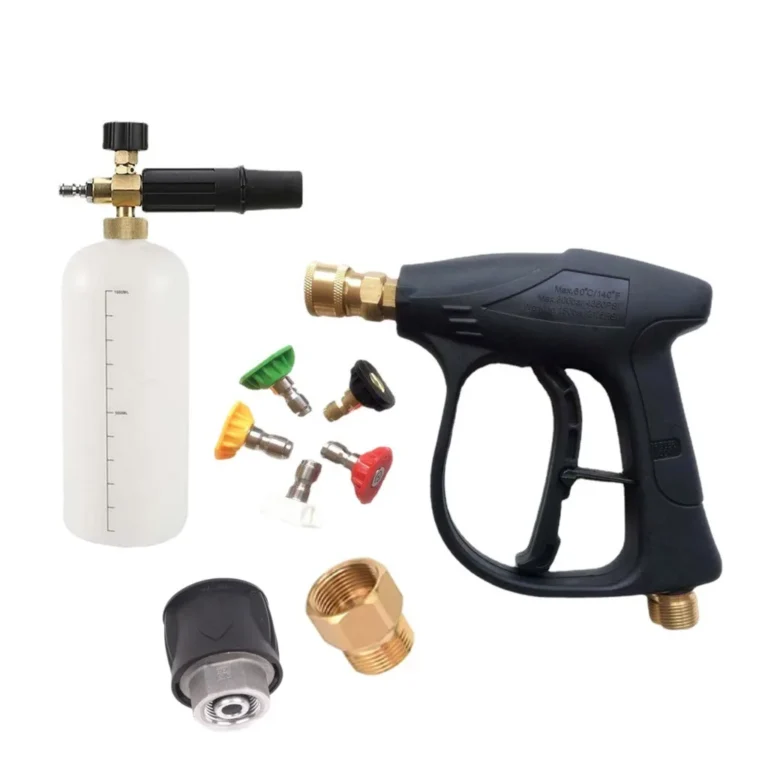
Yes, but the ratio changes. Foam cannons use a metering knob instead of a dial. Start at a 1:12 ratio for soft water and 1:8 for hard water.
Adjust the knob until foam reaches your desired consistency. The same decision tree applies.
What if my water is different every wash?
If your water source varies (well water vs. municipal), test hardness each time. Keep a bottle of distilled water on hand. Mix 50/50 with your tap water to create a consistent baseline.
Then use the soft‑water branch of the tree.
How do I know if I’m using too much product?
Signs include thick foam that leaves a white powdery residue after drying, a film that’s hard to rinse off, or suds that overflow the gun bottle. Drop your ratio by one step and see if performance improves.
Can I mix other products with Perfextion shampoo?
Some detailers add a few drops of citrus degreaser or tar remover for extra cleaning power. Be cautious. Mixing products can alter pH and reduce foam stability.
Test on a small area first. For heavy grime, use a dedicated bug and tar remover as a pre‑spray instead.
Final Decision Guide – What to Do First
If you’re standing in your driveway with a new bottle of shampoo and a foam gun, here’s the fastest path to good foam. Use this table to find your starting point based on water hardness and desired thickness.
| Water Hardness | Desired Thickness | Starting Ratio | Nozzle Dial Start | Notes |
|---|---|---|---|---|
| Soft (0–60 ppm) | Light pre‑wash | 1:18 | 3 | Saves product, lifts light dirt |
| Soft (0–60 ppm) | Standard wash | 1:15 | 3 | Good balance for most cars |
| Soft (0–60 ppm) | Maximum snow foam | 1:10 | 5 | For heavy dirt or visual impact |
| Moderate (60–180 ppm) | Standard wash | 1:12 | 4 | Bump ratio slightly to compensate |
| Hard (180+ ppm) | Standard wash | 1:10 | 4 | Use a water softener if foam is thin |
| Hard (180+ ppm) | Maximum snow foam | 1:8 | 5 | Risk of residue; rinse well |
Step one: test your water hardness. If you don’t have a test strip, assume moderate and adjust from there.
Step two: fill your foam gun bottle with water first, then add shampoo at the ratio from the table. Swirl gently.
Step three: set the nozzle dial to the position shown. Spray a test patch on a clean surface.
Step four: judge the foam. If it’s too thin, turn the dial up one click or add a little more shampoo. If it’s too thick, turn the dial down or add a splash of water.
Step five: when the foam looks right, spray the entire car. Start low, work up. Let it dwell 2, 3 minutes but no longer.
Rinse from the bottom up.
One‑sentence takeaway for each water type:
- Soft water: start at 1:15 and dial position 3. You’ll rarely need to go stronger.
- Moderate water: start at 1:12 and dial 4. Pay attention to foam cling.
- Hard water: start at 1:10 and dial 4. If foam still disappears fast, add a water softener attachment.
When to abandon the foam gun and go back to bucket mixing.
This is rare but possible. If your water is extremely hard (over 300 ppm) and you don’t have a softener, foam from a gun may never satisfy you. Mixing shampoo directly in a bucket with distilled water gives you full control.
You lose the convenience of a foam gun but gain predictable results. Also, if your foam gun keeps leaking or clogging despite cleaning, replace it before wasting more shampoo.
A final word on consistency.
The decision tree works because it adapts to your specific conditions. Write down your settings once you find them. That way, every wash starts with a proven baseline.
You’ll spend less time tuning and more time enjoying thick, clingy foam that actually does its job.
Now go make some foam. Your car will thank you.
The article is finished.