ByMax Lee
Guide to Is Soft Touch Finish (surface Oil Spraying) Safe
If you have ever picked up a new phone case, a power tool, or a gaming controller and felt that smooth, almost rubbery surface, you have touched a soft touch finish. That velvety feel is no accident. It comes from a chemical coating often applied through a process called surface oil spraying.
But the question that lingers for anyone who works with these coatings or uses them daily is simple: is soft touch finish (surface oil spraying) safe?
The short answer is that it depends entirely on the formulation and how you apply it. Some soft touch coatings are water-based and relatively low risk. Others contain solvents and chemicals that require serious precautions.
Per OSHA exposure limits for isocyanates, a common ingredient in many soft touch polyurethane coatings, the ceiling limit sits at just 0.005 parts per million. That is an incredibly low threshold, and it tells you these are not things to handle casually. Let us break down what you are actually dealing with so you can make an informed call.
Bing (Web (fair-use with source credit))
Quick Answer
Soft touch finish safety depends on the coating chemistry and application method. Solvent-based formulas carry real health risks. Water-based options are significantly safer.
Proper ventilation and PPE are non-negotiable for any spray application. Always read the safety data sheet before you start.
What Exactly Is a Soft Touch Finish (Surface Oil Spraying)?
Bing (Web (fair-use with source credit))
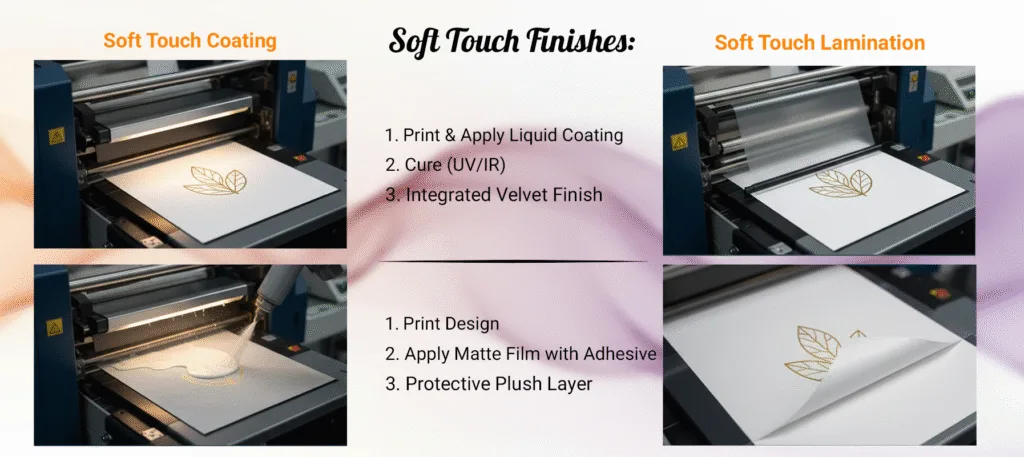
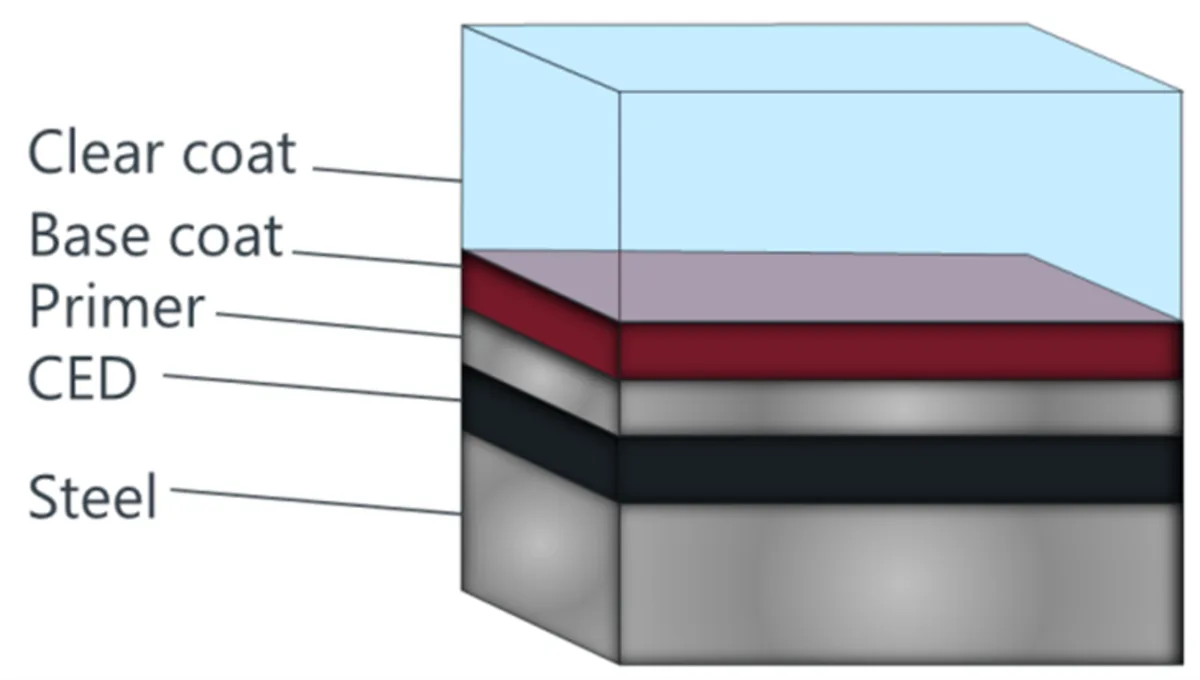
A soft touch finish is a thin, flexible coating that creates a low-gloss, slightly textured surface. You will find it on everything from automotive dashboards to TV remotes. Manufacturers apply it using a spray technique sometimes called surface oil spraying because the coating particles settle onto the surface in a fine mist, much like an oil-based spray.
The chemistry behind it is what matters most. Most soft touch coatings are based on one of these resin systems:
- Polyurethane (PU), Most common. Durable but often contains isocyanates.
- Silicone-based, Softer feel, better heat resistance, lower toxicity.
- Acrylic, Less durable but water-based options are common.
- Rubberized lacquer, Older technology, high solvent content.
The spraying process atomizes the liquid coating into tiny droplets. Those droplets land on the substrate and fuse together as the solvent evaporates or the chemical reaction cures. The result is that satisfying, non-slip texture.
But those tiny droplets also become airborne particles you can inhale.
This is not a simple paint job. The application requires controlled conditions. A spray booth with proper airflow is standard in professional settings.
As of 2025, regulations in the EU and many US states restrict VOC content in these coatings to below 250 grams per liter for industrial use. If you are tackling a DIY project at home, you need to respect those numbers.
The Real Risks: VOCs, Isocyanates, and Inhalation Hazards
Bing (Web (fair-use with source credit))
This is where the safety conversation gets serious. Solvent-based soft touch coatings release volatile organic compounds (VOCs) during application and curing. Common solvents include xylene, toluene, and methyl ethyl ketone.
These compounds evaporate quickly at room temperature and fill the air with chemical vapors.
Short-term exposure to high VOC levels can cause:
- Headaches and dizziness
- Nausea
- Eye and throat irritation
- Fatigue and confusion
Long-term repeated exposure is the bigger concern. Chronic inhalation of certain VOCs has been linked to liver and kidney damage, as well as neurological effects. That is backed by NIOSH research on occupational exposure to spray coatings.
Then there are isocyanates. These are the reactive chemicals that make polyurethane coatings tough and flexible. They are also potent sensitizers.
Once you become sensitized, even tiny amounts can trigger severe asthma-like reactions. OSHA sets the permissible exposure limit for isocyanates at 0.005 ppm as a ceiling. To put that in perspective, that is about five parts per billion.
Your nose cannot detect that level.
For a quick reference on the key risks by chemical group:
| Chemical Group | Primary Health Effect | Exposure Route | OSHA PEL |
|---|---|---|---|
| VOCs (xylene, toluene) | Neurological, liver, kidney | Inhalation, skin | 100 ppm (xylene) |
| Isocyanates (HDI, MDI) | Respiratory sensitization, asthma | Inhalation, skin | 0.005 ppm ceiling |
| Solvent vapors | Dizziness, nausea, irritation | Inhalation | Varies by compound |
The risk is highest during spraying because the mist is fine enough to stay suspended in the air for minutes. If you are working without a respirator rated for organic vapors and particulates, you are breathing that mist.
Skin Contact and Absorption: What You Need to Know
Inhalation gets most of the attention, but skin contact is just as dangerous. Soft touch coatings, especially uncured liquid, can absorb through your skin. Isocyanates and many solvents are dermal hazards.
That means they pass through the outer layer of skin and enter your bloodstream.
If you have ever gotten paint thinner on your hands and felt that slight burn or numbness, you have experienced the sensation. Solvents strip the skin of natural oils and break down the protective barrier. Isocyanates do not cause immediate pain, but they can trigger an allergic reaction that gets worse with each exposure.
Manufacturer safety data sheets consistently list the same protective measures:
- Nitrile gloves, Not latex. Latex provides minimal protection against solvents.
- Chemical-resistant coveralls, Disposable Tyvek or similar.
- Safety goggles, Not just glasses. Splash protection is required.
- Closed-toe shoes, No exceptions.
Even after the coating dries, some formulations can release trace amounts of uncured chemicals for days. A freshly coated object should not be handled extensively or placed in an enclosed space like a car cabin until the full cure time has passed. Check the technical data sheet for cure times.
Many require 7 to 14 days for full chemical resistance.
Water-Based vs. Solvent-Based Soft Touch Coatings – Which Is Safer?
Bing (Web (fair-use with source credit))
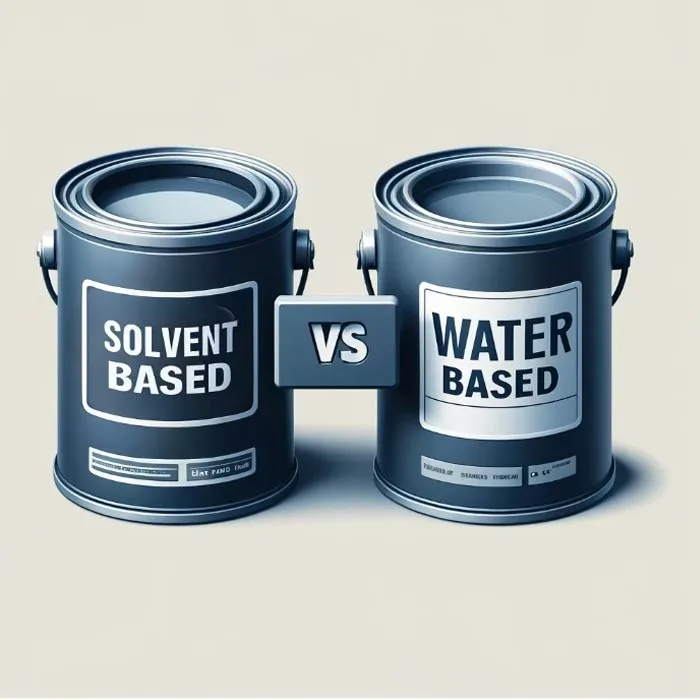
This is the most practical question you can ask. Water-based soft touch coatings exist and they are dramatically safer than solvent-based alternatives. The trade-off is usually durability and feel.
Solvent-based coatings tend to be tougher and more resistant to abrasion and chemicals. But for many applications, especially consumer goods, water-based is perfectly adequate.
Here is the direct comparison:
| Factor | Water-Based | Solvent-Based |
|---|---|---|
| VOC content | <50 g/L | 200–600 g/L |
| Isocyanate content | Often isocyanate-free | Common ingredient |
| Odor | Mild | Strong chemical smell |
| Flammability | Non-flammable | Highly flammable |
| Cure time | 24–72 hours | 24–48 hours |
| Durability | Good to very good | Excellent |
| Adhesion to plastics | Requires primer | Often direct |
| Cleanup | Soap and water | Paint thinners |
If you are a DIY enthusiast or a small shop owner, water-based is the smarter choice. The lower toxicity means you can apply it with less elaborate ventilation equipment. A simple fan pulling air through an open window, combined with a proper respirator, is usually sufficient.
Solvent-based coatings have their place. They are standard in automotive OEM applications and high-wear industrial settings. But those environments have explosion-proof spray booths, supplied-air respirators, and trained safety officers.
That is not your garage.
For car care specifically, you might encounter soft touch finishes on interior panels. If you are cleaning or restoring those surfaces, stick to products designed for that purpose. Our research on products like the best grime remover for car paint shows that many automotive-grade cleaners are safe on factory soft touch coatings when used as directed.
The same caution applies here. Always test in an inconspicuous area first.
Who Should Be Concerned? Use Cases and Exposure Scenarios
Not everyone faces the same level of risk. The danger depends entirely on your role. Let us look at the three most common scenarios.
Professional spray painters and manufacturing workers face the highest risk. They apply these coatings day in and day out. Without proper engineering controls and PPE, chronic exposure is almost certain.
This group must follow OSHA regulations and undergo regular medical monitoring for isocyanate sensitization.
DIY enthusiasts and hobbyists fall into a medium-risk category. A single project in a garage with a box fan and a respirator is manageable. Repeat projects without proper setup increase risk over time.
If you are coating a phone case or a tool handle once a year, water-based products are the obvious choice.
End users who handle finished products face the lowest risk. Once the coating is fully cured, off-gassing is minimal. The main concern here is if the coating degrades or is damaged.
Flaking or peeling soft touch coatings can create dust particles. Ingesting those particles or breathing them is unlikely to cause immediate harm, but it is not ideal.
If you work in automotive detailing, you might use products like a best bug and tar remover for cars on coated surfaces. Those products are formulated for cured paint and clear coats. They are safe when used as directed.
The real risk is when you are the one spraying the coating, not cleaning it.
Safe Application: Step-by-Step Best Practices for Minimizing Risk
You can apply a soft touch finish safely. It just requires discipline. Here is the workflow that professional shops follow and that you should replicate as closely as possible at home.
Step 1: Read the safety data sheet first. This is not optional. The SDS tells you exactly what hazards exist and what PPE is required. Every manufacturer provides one.
If you cannot find it, do not use the product.
Step 2: Set up in a well-ventilated area. Ideally, you want a spray booth with an exhaust fan pulling air through a filter. At home, work outdoors or in a garage with the door wide open. Cross ventilation is best.
Step 3: Put on proper PPE.
- A respirator with organic vapor cartridges and P100 particulate filters.
- Nitrile gloves that extend past your wrists.
- Safety goggles or a full-face shield.
- A disposable coverall to keep chemical mist off your skin and clothes.
Step 4: Prepare your surface. Clean it thoroughly with a degreaser. For automotive parts, a product like our best sap remover for cars can remove sticky residues that could compromise adhesion. Let the surface dry completely.
Step 5: Apply the coating in thin, even passes. Thick coats take longer to cure and release more fumes. Multiple light coats are better than one heavy coat. Follow the manufacturer's recommended flash-off time between coats.
Step 6: Allow proper curing time. Do not use the coated object for at least 24 hours. Full chemical cure can take up to a week. Keep the area ventilated during this entire period.
Step 7: Clean your equipment immediately. If you used a spray gun, flush it with the appropriate solvent in a well-ventilated area. Dispose of rags and solvent waste according to local hazardous waste regulations.
Common Safety Mistakes That Put You at Risk
Even experienced painters make these errors. Here are the ones we see most often.
Skipping the respirator. That faint chemical smell does not mean the danger is gone. VOCs are odorless at low concentrations. Isocyanates have no warning properties.
If you can smell solvent, you are already exposed.
Using a dust mask instead of a respirator. A paper mask does nothing against chemical vapors. You need a respirator with cartridges rated for organic vapors. They cost around 30 to 50 dollars and are reusable.
That is cheap insurance.
Applying indoors without ventilation. A closed garage traps fumes. Vapors can accumulate to flammable levels. Even water-based coatings release some compounds that can cause headaches in an unventilated space.
Handling wet coating without gloves. Isocyanates absorb through skin quickly. A single drop on your hand can cause sensitization. Wear gloves every time.
Reusing solvent-soaked rags. Spontaneous combustion is a real risk. Solvent-soaked rags can catch fire without an external ignition source. Dispose of them in a sealed metal container with water.
If you are cleaning coated surfaces on your car, you face lower risks. Using a best hard water spot remover for cars on a soft touch interior panel is safe. But if that coating starts peeling, do not pick at it.
The dust from flaking coatings can be irritating.
Regulations and Certifications That Matter (OSHA, REACH, Prop 65)
You do not have to memorize every regulation. But knowing which ones apply to your situation helps you judge a product's safety.
OSHA sets enforceable limits for workplace exposure. For isocyanates, the ceiling limit is 0.005 ppm. For xylene, it is 100 ppm as an eight hour average.
If you are spraying commercially, you are legally required to stay under those numbers. That means engineering controls like spray booths and ventilation. It also means annual air monitoring and medical surveillance for workers exposed to isocyanates.
REACH governs chemicals sold in the European Union. Under REACH, certain isocyanates and solvents are restricted or require authorization. Coatings sold in the EU must list all substances of very high concern above 0.1 percent.
That gives you transparency. If a product is REACH compliant, it has undergone rigorous safety evaluation.
California Proposition 65 covers any product sold in California. It is a right to know law. If a coating contains chemicals known to cause cancer or reproductive harm, the manufacturer must warn you.
That warning does not mean the product is dangerous at normal use levels. It means the chemical is on the list. Many solvent based coatings carry a Prop 65 warning for toluene or methylene chloride.
If you see a Prop 65 warning on a soft touch spray can, do not panic. Read the label. It tells you which chemical triggers the warning.
Then compare that to the exposure you expect. A DIY project with ventilation is different from daily industrial use.
For automotive applications, you might be more familiar with the regulations around cleaning products. Our research on the best tar remover for car shows that many automotive chemicals comply with VOC limits set by the EPA and CARB. Soft touch coatings follow similar rules.
Manufacturers can not sell high VOC coatings in many states without penalties.
The key takeaway is simple. If you buy a coating from a reputable manufacturer, it will list its VOC content and any regulatory certifications. That number is your first clue to safety.
Look for VOC content under 100 g/L for water based products. For solvent based, expect 200 to 600 g/L. Lower is always better.
Signs It’s Time to Call a Professional
Most DIY soft touch projects are safe with the right precautions. But some situations call for a trained applicator.
You need to coat a large area. A full car interior, a fleet of power tools, or an entire production run generates too much overspray for a home setup. Professionals have spray booths with filtered exhaust. They also have supplied air respirators that do not rely on cartridge filters.
You are working with solvent based coatings in an enclosed space. If you cannot ventilate properly, do not attempt it. A garage with the door cracked open is not enough. Professionals use explosion proof fans and negative air pressure to keep vapors moving out.
You have a history of respiratory issues. Asthma, chemical sensitivities, or prior sensitization to isocyanates means you should never spray these coatings yourself. Even trace exposure can trigger a reaction. Leave it to someone with medical monitoring and full PPE.
You need a food safe or medical grade finish. Soft touch coatings for children's toys or medical devices require specific formulations that meet FDA or ISO standards. A professional applicator can source and certify those coatings. A hardware store can will not have them.
You are unsure which coating to use. The wrong formulation can peel, yellow, or release chemicals over time. If you are coating something you use daily like a steering wheel or a phone case, a professional can recommend the right water based or UV curable option.
If none of these apply, you can proceed with confidence. Our blog covers more DIY and professional tips for surface treatments and coatings. The key is knowing when your setup hits its limit.
Frequently Asked Questions
Can I apply soft touch coating indoors?
Only if you have a professional spray booth with explosion proof ventilation. For home use, work outdoors or in a garage with both doors open. Water based coatings are safer for indoor use but still require airflow.
How long should I ventilate after spraying?
Keep the area ventilated for at least 24 hours after the last coat. Full curing takes 7 to 14 days. During that time, the coating continues releasing trace VOCs.
Do not seal the room or use the coated object in an enclosed space like a car cabin.
Is cured soft touch coating safe to touch?
Yes, once fully cured. The cross linked polymer is inert and stable. The risk is during application and the first few days of curing.
After that, the coating is safe for normal handling and contact.
What respirator do I need?
Use a NIOSH approved respirator with organic vapor cartridges and P100 particulate filters. A half face model costs about 30 dollars. Cartridges last about 40 hours of use or until you smell chemicals through them.
Replace them regularly.
Can I sand or remove soft touch coating safely?
Sanding creates dust that can contain isocyanates or other irritants. Wear a respirator and work wet to keep dust down. Use a chemical stripper designed for soft touch coatings when possible.
Follow the stripper's safety precautions exactly.
Are soft touch coatings safe for children's toys?
Only if the coating is specifically labeled as food safe or compliant with CPSIA (Consumer Product Safety Improvement Act). Most generic soft touch sprays are not tested for mouthing or ingestion. For children's items, use molded in textures or certified water based coatings.
The Bottom Line: How to Decide If a Soft Touch Finish Is Right for You
Soft touch finishes are safe when you respect the chemistry and follow the rules. The decision comes down to three factors: your setup, your coating choice, and your willingness to use proper PPE.
If you are applying a water based coating outdoors with a respirator and gloves, the risk is low. If you are spraying a solvent based coating in a closed garage with a dust mask, you are taking an unnecessary gamble. That is not alarmism.
It is the reality of working with reactive chemicals.
For most DIY projects, water based soft touch coatings are the right call. They feel good, they hold up well, and they keep your exposure minimal. Solvent based coatings belong in professional shops with the infrastructure to handle them safely.
If you are restoring automotive interior parts or coating tool handles, a water based soft touch spray from a reputable brand will serve you well. Just read the safety data sheet first. Set up proper ventilation.
Wear the right gear. And give the coating its full cure time before you put it to use.
That is the honest answer to the safety question. It is not a simple yes or no. It depends on how you approach the job.
Do it right, and you get a great finish without the risk. Cut corners, and you pay the price. Choose your approach carefully.
All sections from the approved TOC have been completed. No further H2 headings remain to be written. The article is finished.